


Say goodbye to brick-and-mortar stores. More people in the US are buying gemstones online than ever before. While the data doesn’t show gemstone buying specifically, online sales have experienced unprecedented growth, with over $800 billion in profits just from online shopping in general. Whether it’s loose gemstones, fitted jewelry, accessories, or engagement rings, there are a lot of people buying stones online more than ever before.
The types of stones people buy have changed, too. In the 20th century, people were buying diamonds galore for engagement and wedding rings. These days, the market has changed to more colored stones. Why? It’s because they’re cheaper and tend to have a more unique vibe.
The buying market has shifted towards millennials and Gen-Z, who aim to have rings that are more distinct, rather than something traditional. This means vintage pieces, colored stones, and gems that aren’t typical for fine jewelry are chosen over the average diamond.
Another major trend we’re starting to see is more direct-to-consumer (DTC) sellers. This removes the middleman and going through expensive wholesalers. More people are choosing this method because once they find the stone, they get it.
That does open the door to a new problem American consumers are discovering. How can they tell if it’s safe to buy a stone? What surprises will they find when buying?
This article will outline just what to look for as an American consumer when buying gemstones online.
Is My Stone Legit?
The first hurdle American buyers face is whether a stone is authentic or not.
They could find this beautiful emerald online, buy it, only to find that they’ve got a phone that is worth a fraction of what they paid. It’s frustrating and sadly becoming more common with AI and other tools masking the true value of gemstones.
There is a way to prevent this, however. Look for gemstones that have lab reports from the Gemological Institute of America (GIA). These will tell you all you need to know about the gem, such as whether it’s natural or synthetic, any major occlusion, and whether it’s been heated or chemically treated.
Some mistake the appraisal for the lab report. That’s not the same. Appraisals are how much a gemstone is worth at present, whereas the lab report will tell you all about what’s in that stone.
Appraisal numbers can change due to perception of treatments, market trends, and other factors. The lab reports do not.
The FTC does require full disclosure of gemstone treatments, with many of these companies following the American Gem Society standards.
Are all Treatment Bad?
No, they’re not, but if you don’t know that they’re there, it poses a problem.
Some treatments include:
- Heat treatments in rubies and sapphires to improve clarity and color.
- Oil treatments to help minimize the presence of fractures.
- Fracture filling that uses resin or glass to fill in cracks within gemstones
This doesn’t mean a gemstone is fake, but if this isn’t disclosed, the seller can get into major trouble.
So, if you’re a buyer, always make sure there’s a report. Don’t buy if a seller isn’t disclosing, because likely there’s an FTC violation.
What to Do if There’s a Violation
If there’s a violation, document all of the issues. Get an appraisal from a seller, find all of their marketing materials, and identify the issue that wasn’t disclosed, whether it’s lab-grown, heat-treated, dyed, or has fractures filled.
From there, you want to write a demand to the seller with the independent appraisal attached, for rectification. This can be a full refund, replacing the stone with what you were promised, or other compensation. Always mention the FTC violations because that brings in legal ramifications if there’s no fix.
If this doesn’t work, you can contact the jeweler’s vigilance commission to handle complaints by filing a formal complaint with the FTC to report the fraud or even take it up to the state attorney general.
For high-level concerns, you might need to go to court or ask for escalated compensation.
The Hidden Reality: Import Duties, Customs & Courier Charges
The next hurdle is shipping.
Thanks to tariffs, shipping has become a nightmare, and it’s true for gemstones. Since most are international, they will have to come in through customs.
At customs, they use a specific tariff schedule to apply the value. Loose stones are differently classified from a sapphire ring or a sapphire pendant of a larger size. Sometimes these are disclosed, but not always.
Many sellers use FedEx, UPS, or DHL because they will be the customs brokers, then later collect reimbursement. The problem is that most buyers assume the seller shoulders the costs. That’s not true and can lead to you paying hundreds.
One good example is you buy a Colombian emerald and suddenly find over a hundred dollars in brokerage fees, mentioned by the courier.
If you don’t pay for this, the package can be returned. In most situations, however, the seller will deduct it from insurance. You won’t be getting that back, but at least you don’t have to pay more out of pocket.
This isn’t always the case. It’s random, and based on the policies a seller has, shipping costs, and what customs are currently charging.
So no, when you get hit with these fees, they’re not “random.” They’re collected based on tariff policies so the stone can get clearance.
Buyer Protections
We briefly mentioned getting involved with the buying platform you used or chargebacks to credit card companies when handling fraud cases.
This is important because if you’re buying online, whether gemstone or otherwise, you want to make sure you’re using a protected platform for purchases.
PayPal is one of the best, but ALWAYS use goods and services 9which is the default for most sellers) That way, if things go south, you get a refund, especially if the item goes missing or is wrongfully advertised.
Credit cards also offer these protections. Disputing the transaction c and initiating a chargeback can be done usually within a 60–120-day time window, but differs based on each card’s policies. The beauty of chargebacks is that you don’t have to get the seller involved, so there’s a lot less back and forth. Just provide evidence for the investigation, and the card company will favor you. In most scenarios, they side with the buyer.
Bear in mind that it covers only certain things, such as:
- Item is not arriving.
- Unauthorized transactions
- Misinterpretation
If you have buyer’s remorse, get hit with customs fees, or there are issues with return shipments, then no, you’re not covered.
How Americans Decide a Gemstone’s Worth Online
Most Americans first start by looking at gemstones on the screen through a website or platform.
This is where the first problem arises.
Color calibration does misrepresent because monitor and phone displays show colors differently. Many times, stones are much darker than they are in photos.
Color perception is also affected by lighting saturation and tone, with photography manipulating this to become a problem. Many photographers also use studio lighting to really make the stone super shiny, so it will be a lot brighter than it is just under normal lights. Some of these stones are also taken from further away. Up close, you’ll see more inclusions and fractures otherwise not visible.
American buyers should look for videos, seeing how the stone’s color changes in light and movement. Asking for photos in daylight, photos of cameras, images in natural lighting, and even showing stones based on sales can help identify if a stone is as it’s advertised.
Most Popular Gemstones for Americans to Buy
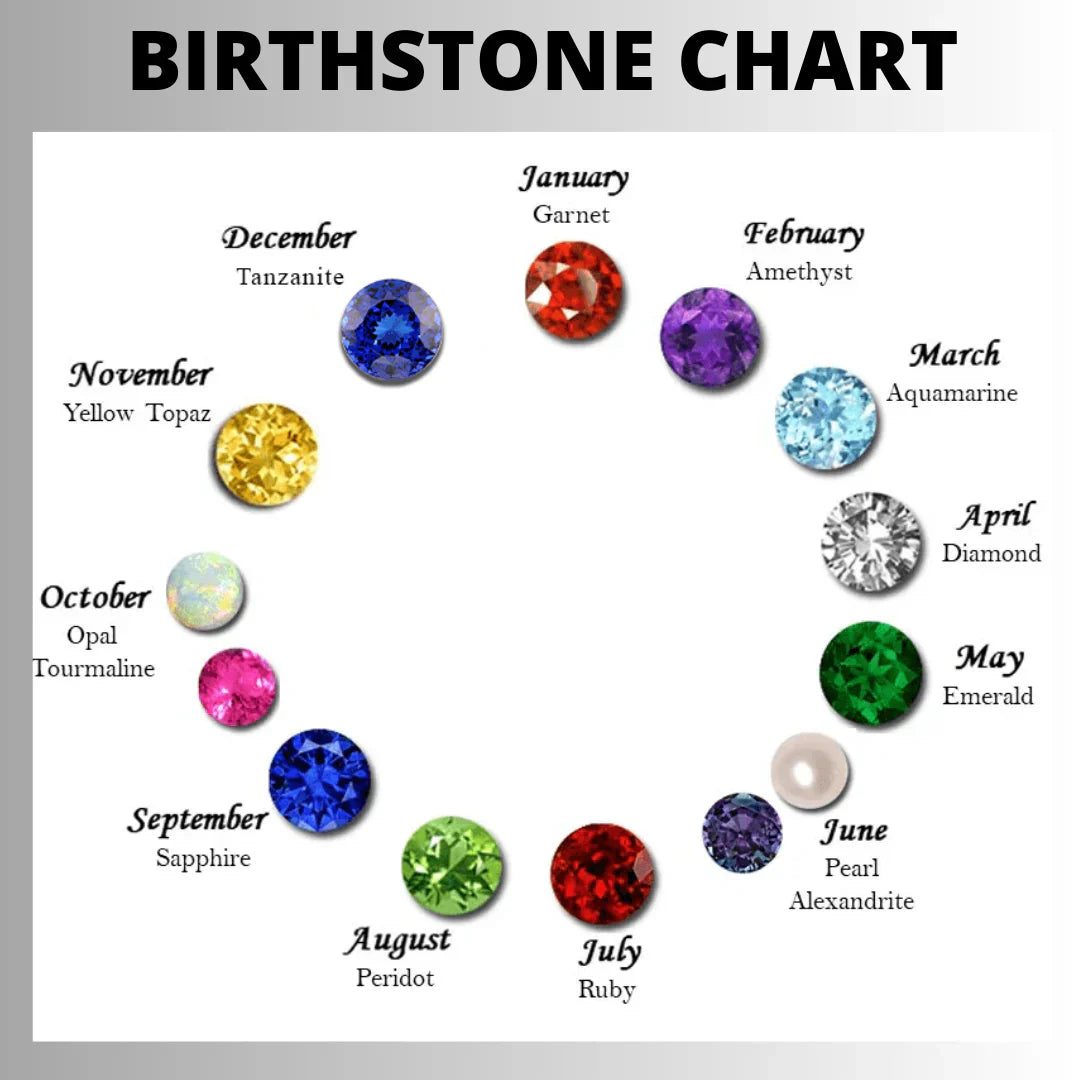
Buying Gemstones by Americans is quite different for different people matching their fields. Jewelrs like to buy loose gemstones. Individual mostly like Birthstones or gemstones for their engagements / anniversaries or birthday gifts. Similarly wholesale gemstone deals in rough stones have different objectives. The most popular ones are birthstones because people like the stones associated with their birth month.
Another is engagement rings, because more and more young people are grabbing non-diamond engagement ring options.
Overall, the most popular stones people want are:
- Sapphires because they’re super durable, strong, and are available in blue and other colors.
- Emeralds: known for their inclusions and luxurious pedigree, with many choosing Colombian stones
- Moissanite: a lab-grown stone that’s like a cheaper diamond but very shiny.
- Amethyst: a purple quartz that’s known for beauty and affordability
- Opal: known for its different rainbow colors
Again, it ties into the desire for the younger generation to wear something unique and personal. For Details Read this article most popular gemstones for USA Buyers Category wise---
Ethical Stones
American buyers don’t want to contribute to horrendous labor conditions, wars, or fueling militant governments, which is why they want transparency in buying stones. Since the Kimberly Certification, more people have become aware of how some of these stones are mined, with many turning away from “blood” stones.
Look for stones approved by the Responsible Jewelry Council, since it depicts the ideal standards for sourcing, labor, and sustainability.
The challenge people run into when buying colored stones is that they might come from decentralized locations or smaller mines. Look for certifications and see what companies are saying about where the stones are coming from.
Newer companies also use the blockchain for exact documentation, from source to market, to customer. This, along with third-party verification, helps protect these stones.
Don’t just choose stones because they’re “sustainable” or “ethically sourced.” Get documentation to protect yourself.
US Gemstone Market Trends
Right now, the popular stones and pieces are:
- Sapphire engagement rings, because of Halle Berry and Taylor Swift wearing them.
- Emeralds because of their strong pedigree and historical significance
Another big trend is lab-grown stones. While some want tradition, many are turning to lab-grown because they’re so much cheaper and still look amazing. There are also some cool customizations you can try, too. Sustainability is also a big reason why people are choosing lab-grown alternatives.
We also see more artificial intelligence technology being used for buying stones. AI is being leveraged to digitally verify your systems, so reports are instantly confirmed. There’s also VR and AR technology to try on clothes, so you can see how something will look before you buy.
This market is expanding like crazy, and more US buyers are enjoying the new trends coming out.
Top Mistakes American Buyers Make When Buying Gems Online
There are a few mistakes American buyers need to watch out for when purchasing stones online.
These are:
- Confusing the appraisals with certifications: Please make sure you get the lab report.
- Ignoring the return policies and not returning within the window
- Not making sure you know where you’re buying from, resulting in tariffs and other fees
- Ignoring taxes and duties so you can’t get the stone or lose insurance.
- Refusing to pay the duties. This one can actually void your buyer protection and make it hard to get a refund.
Treat buying gemstones online like any other high-ticket item, and you’ll be fine.
FAQs
Is a natural stone better than a synthetic one?
Natural stones are a lot rarer and good for collecting value, while synthetics are better for stronger and more affordable alternatives.
How can I verify the authenticity of a stone?
Ask for the lab report and if they have evidence from the GIA.
Is moissanite a real gemstone?
Yes. While lab-grown, it does have a mineral structure that’s manipulated to make it brilliant.
What birthstones are the most popular amongst American buyers?
Current sapphires, amethysts, and emeralds are the most popular.
Can I return a gemstone?
As long as it’s within the 2-4 week return window most sellers have, then yes.
Conclusion
American consumers are now buying gemstones on the same level as other luxury items. It is important, however, that you understand what to look for and be mindful of red flags, so you’re protected when buying.
Lab reports, knowledge of tariffs and duties, and also what you have for buyer protections are good in case a transaction doesn’t really work well.
If you’re looking to buy, most marketplaces and major online jewelry platforms supported by the National Jeweler have a ton of stones. Check them out and have fun buying!
References:
FTC jewelry advertising compliance guidance
Consumer law misrepresentation discussion
Taylor Swift jewelry auction coverage
Halle Berry sapphire ring feature
Kimberley Process ethical sourcing standards
FTC jewelry terminology guidelines
GIA colored stone reporting service




0 comments