


Filters
28 items
Sort Date, new to old
-

279g Maden-4 Rough Lapis Lazuli Specimen With Chalcopyrite, Afghanistan
-

62g Maden-4 Lapis Lazuli with Chalcopyrite, Afghanistan
-

216g Rough Lapis Lazuli Specimen from Mine 4, Afghanistan
-

392g Natural Lapis Lazuli With Bright Golden Pyrite Specimen, Madani 4 | Afghanistan
-
-

Blue Lazurite (Lapis Lazuli) Mineral Specimen – Afghanistan | 384g
-

112g Lazurite Crystal on White Calcite Marble Matrix — Fine Mineral Specimen, Afghanistan
-

2 KG Top Quality Madan 4 Lapis Lazuli Rough Slices - Afghanistan
-
 Sale
Sale600 Grams Natural Lapis Lazuli Rough Rocks for Lapidary
600 Grams Natural Lapis Lazuli Rough Rocks for Lapidary
Sale price $790.00 USD Regular price $950.00 USD -
 Sale
Sale175 Gram Raw Lapis Lazuli With Golden Pyrite for Lapidary
175 Gram Raw Lapis Lazuli With Golden Pyrite for Lapidary
Sale price $315.00 USD Regular price $386.00 USD -

144 Gram Rough Lapis Lazuli Stone with Golden Pyrite
-

169 Gram Good Quality Rough Lapis Lazuli with Gold Pyrite Inclusions
-
 Sale
Sale136 Gram Natural Rough Lapis Lazuli Stone with Golden Pyrite | Single Stone Deal
136 Gram Natural Rough Lapis Lazuli Stone with Golden Pyrite | Single Stone Deal
Sale price $250.00 USD Regular price $290.00 USD -
-
-
-
-
-
-
 Sale
Sale1 KG Blue Rough Lapis Lazuli with Golden Pyrite - Bulk Raw Lapislazulli Deal
1 KG Blue Rough Lapis Lazuli with Golden Pyrite - Bulk Raw Lapislazulli Deal
Sale price $790.00 USD Regular price $800.00 USD -
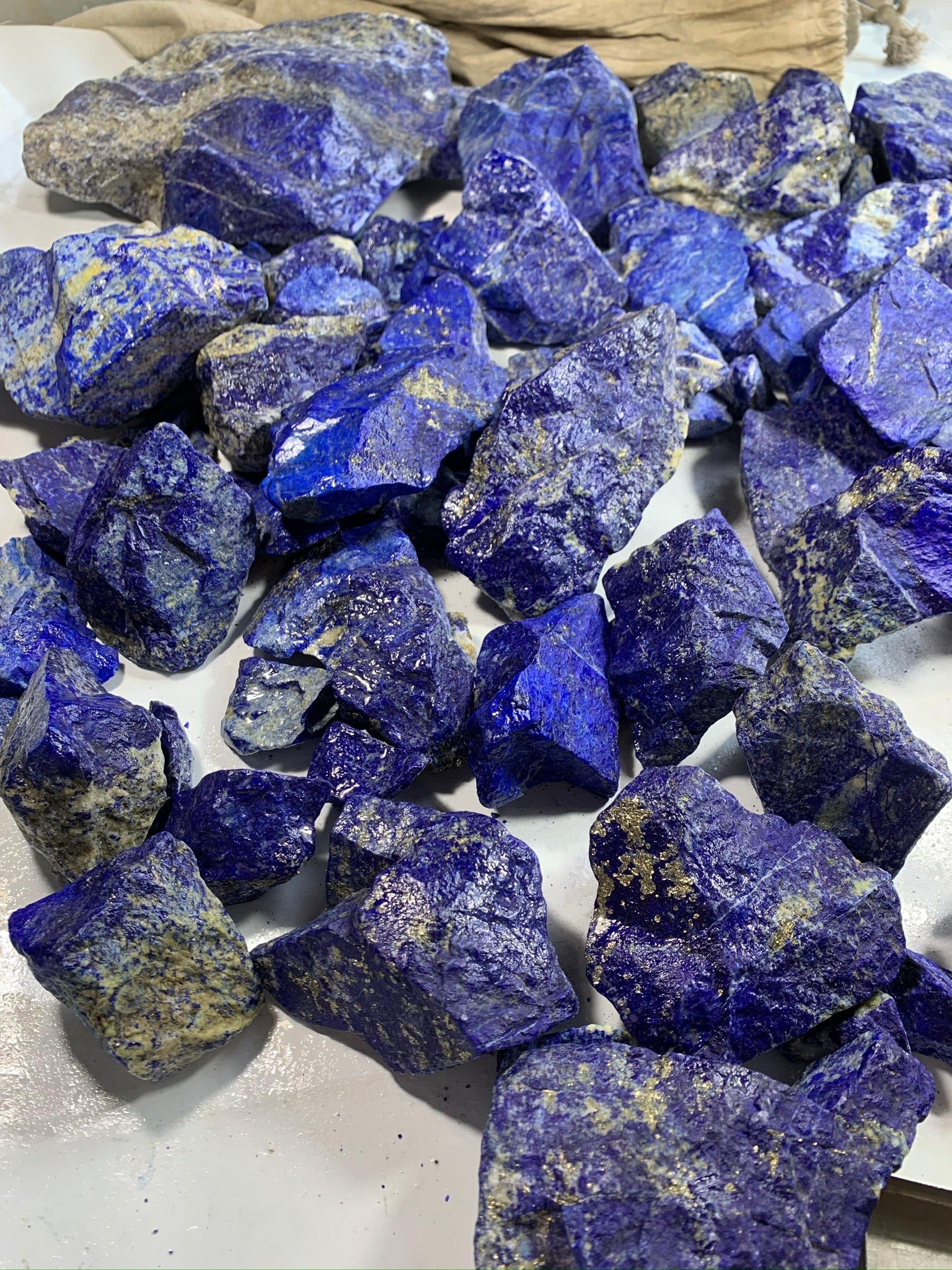 Sale
SaleNatural Rough Lapis lazuli Stone Deals for Lapidary Work
Natural Rough Lapis lazuli Stone Deals for Lapidary Work
Sale price $590.00 USD Regular price $689.00 USD -
 Sale
SaleOne Kilo Dark Blue Natural Lapis Lazuli for Lapidary
One Kilo Dark Blue Natural Lapis Lazuli for Lapidary
Sale price $790.00 USD Regular price $850.00 USD -
 Sale
SaleTop Grade Bulk Dark Blue Lapis Lazuli Stone| Cabbing Rough Lapis for Lapidary
Top Grade Bulk Dark Blue Lapis Lazuli Stone| Cabbing Rough Lapis for Lapidary
Sale price $780.00 USD Regular price $850.00 USD -
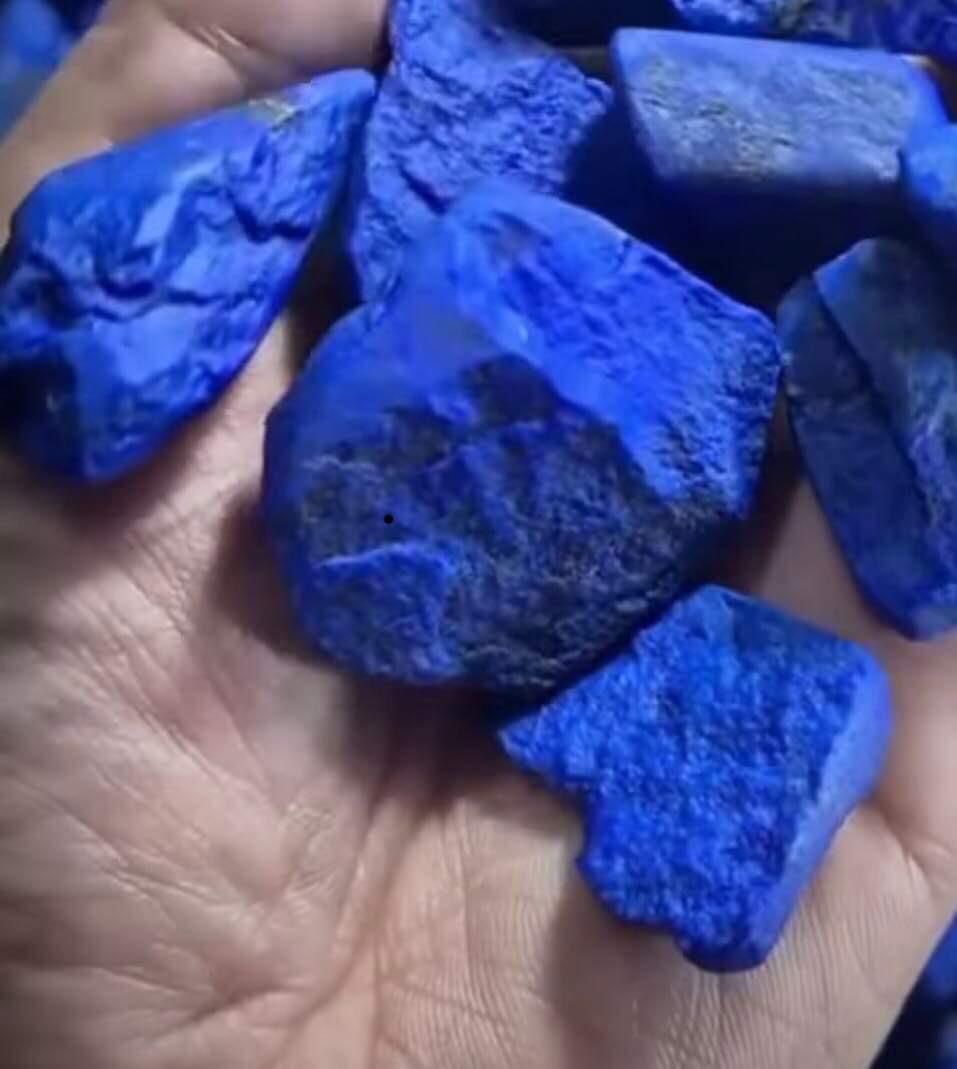 Sale
SaleChoose a Budget Friendly Deal from 1 to 20 Killo Raw Lapis Lazuli Stones
Choose a Budget Friendly Deal from 1 to 20 Killo Raw Lapis Lazuli Stones
Sale price $590.00 USD Regular price $650.00 USD -
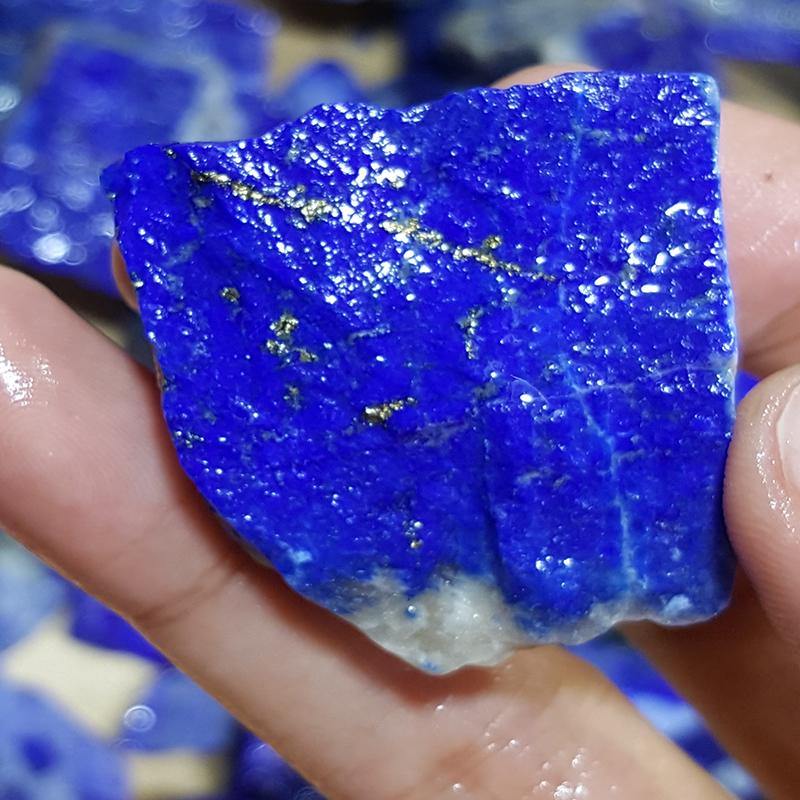 Sale
SaleFive Killo Bulk Blue Lapis Lazuli Stones | Rough Lapis Stone
Five Killo Bulk Blue Lapis Lazuli Stones | Rough Lapis Stone
Sale price $1,800.00 USD Regular price $2,200.00 USD -
-
-


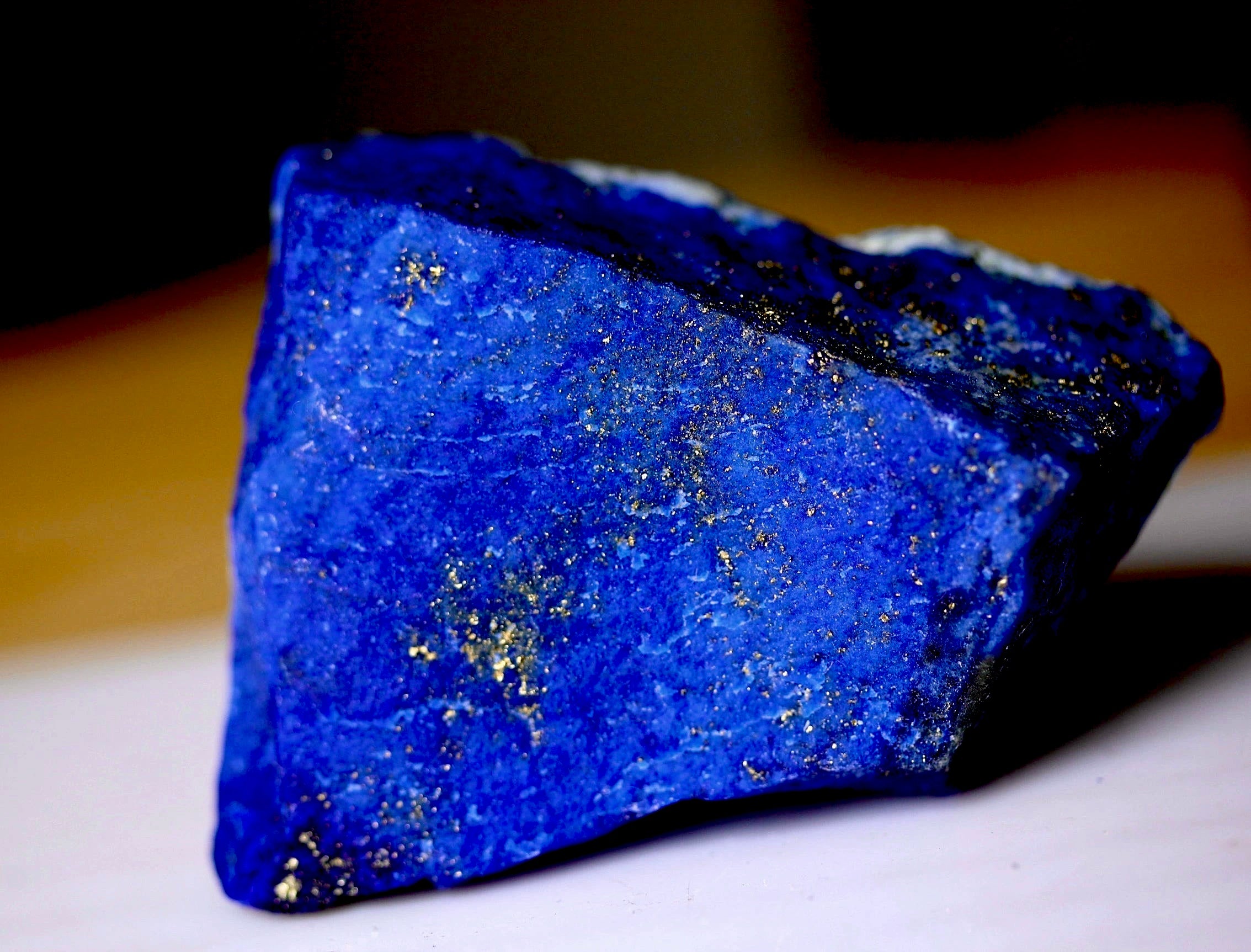
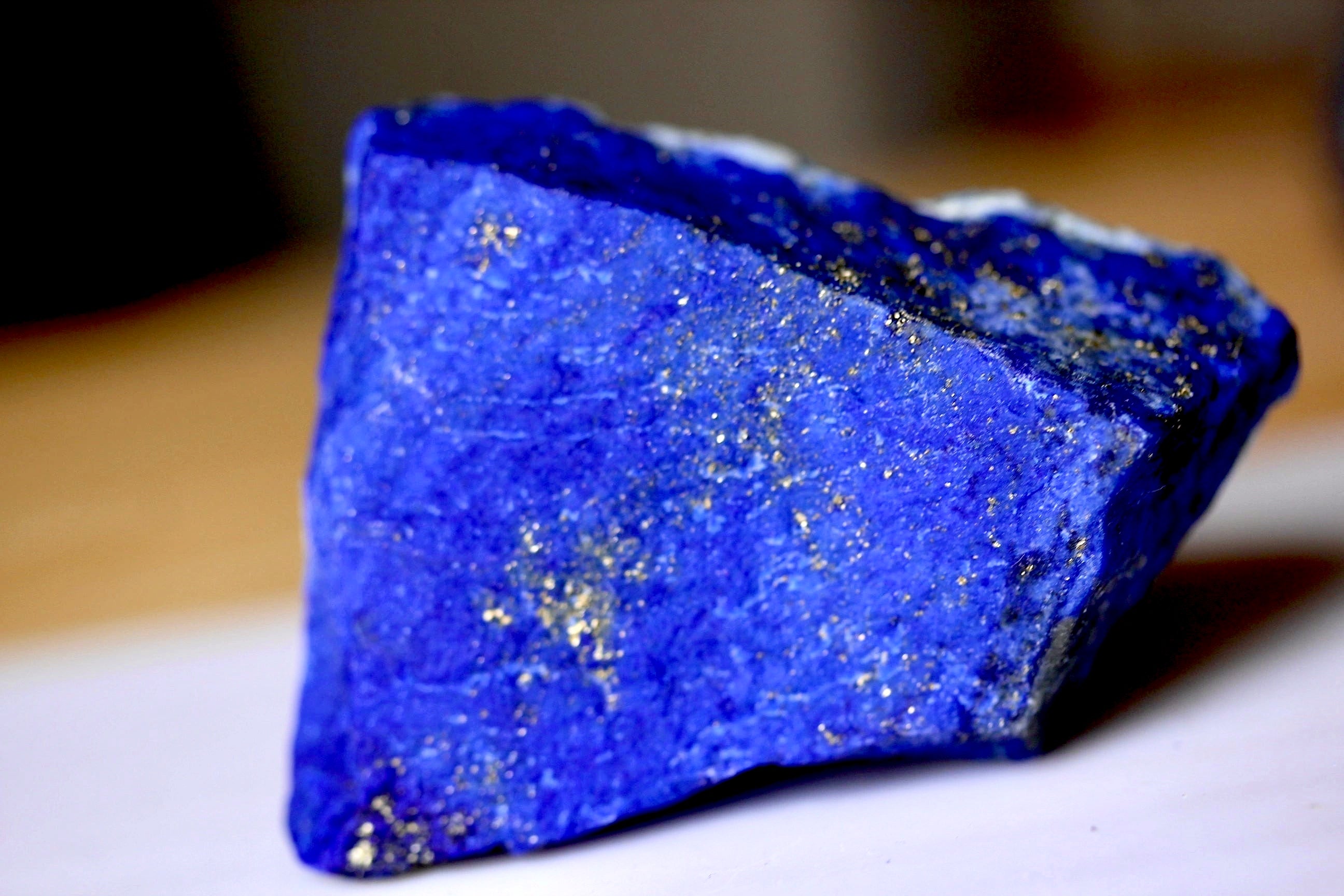
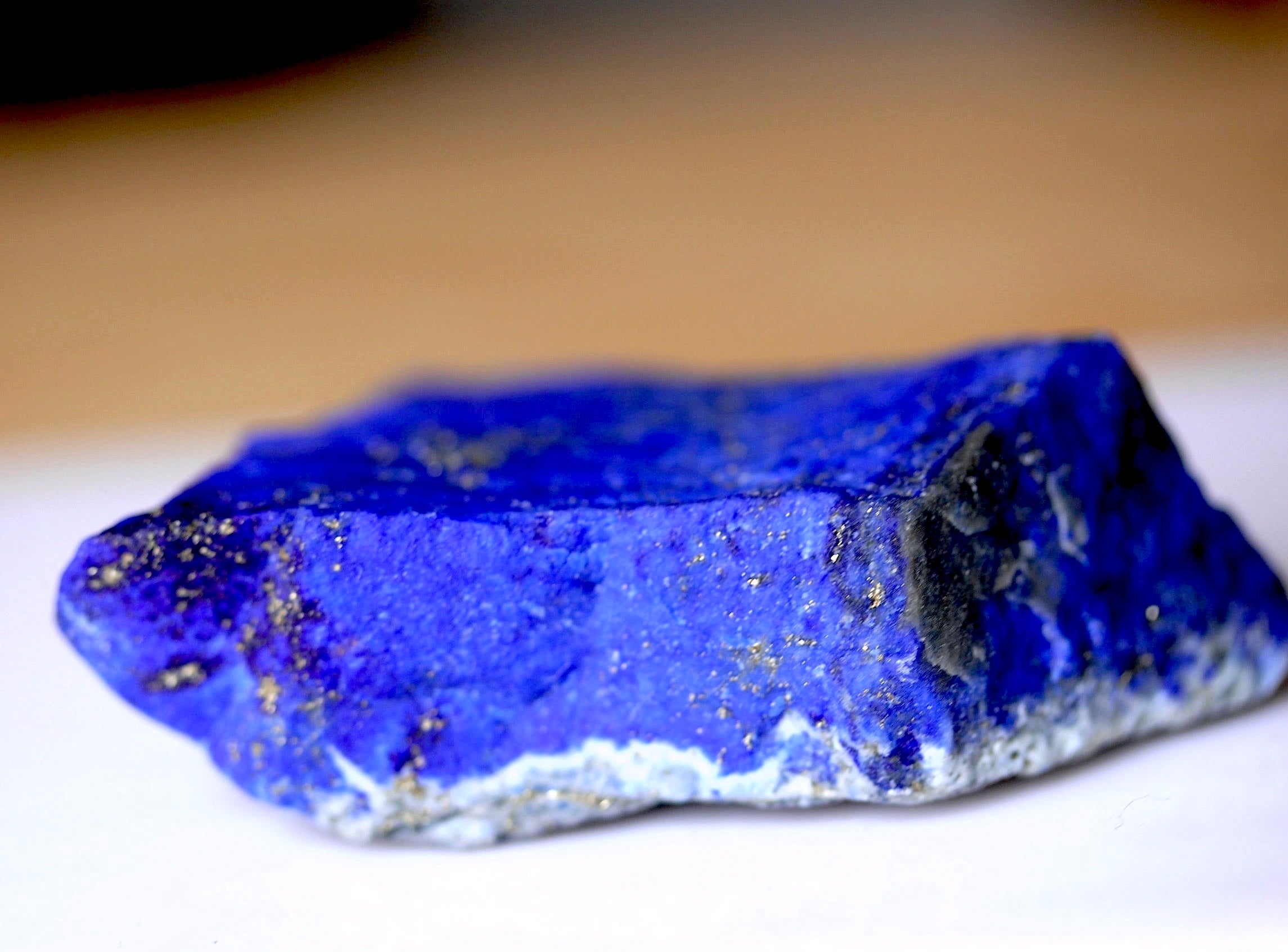
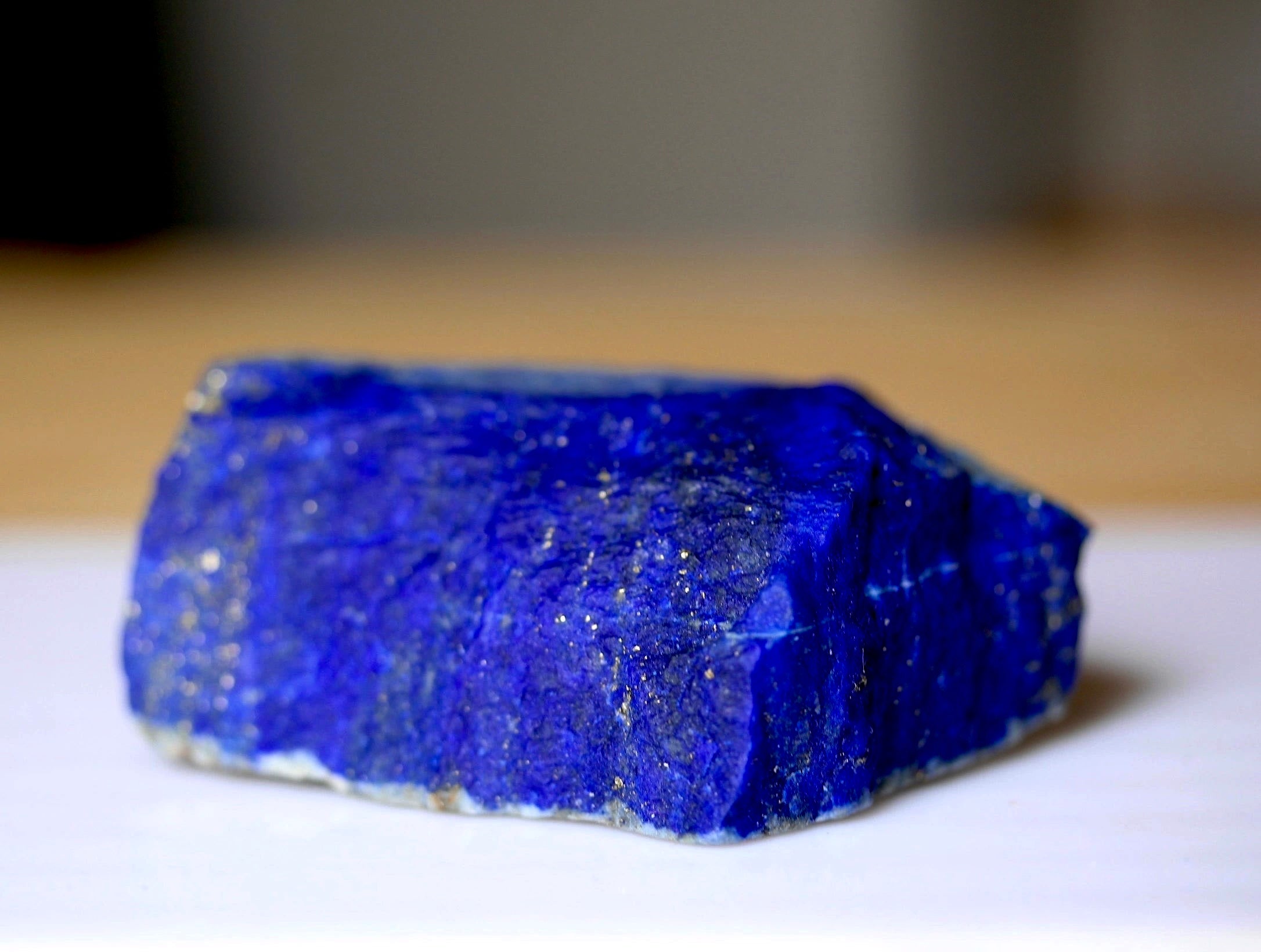
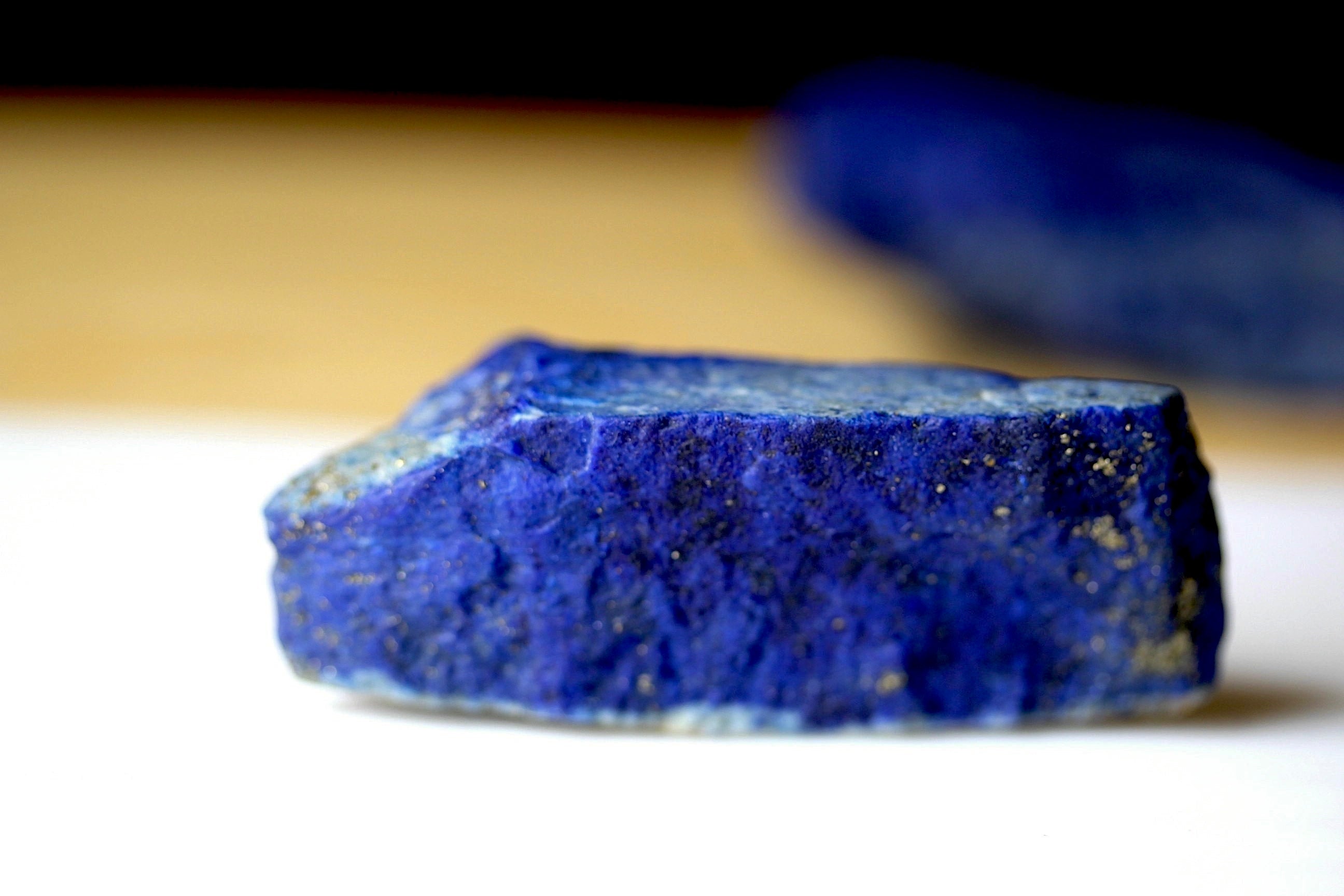
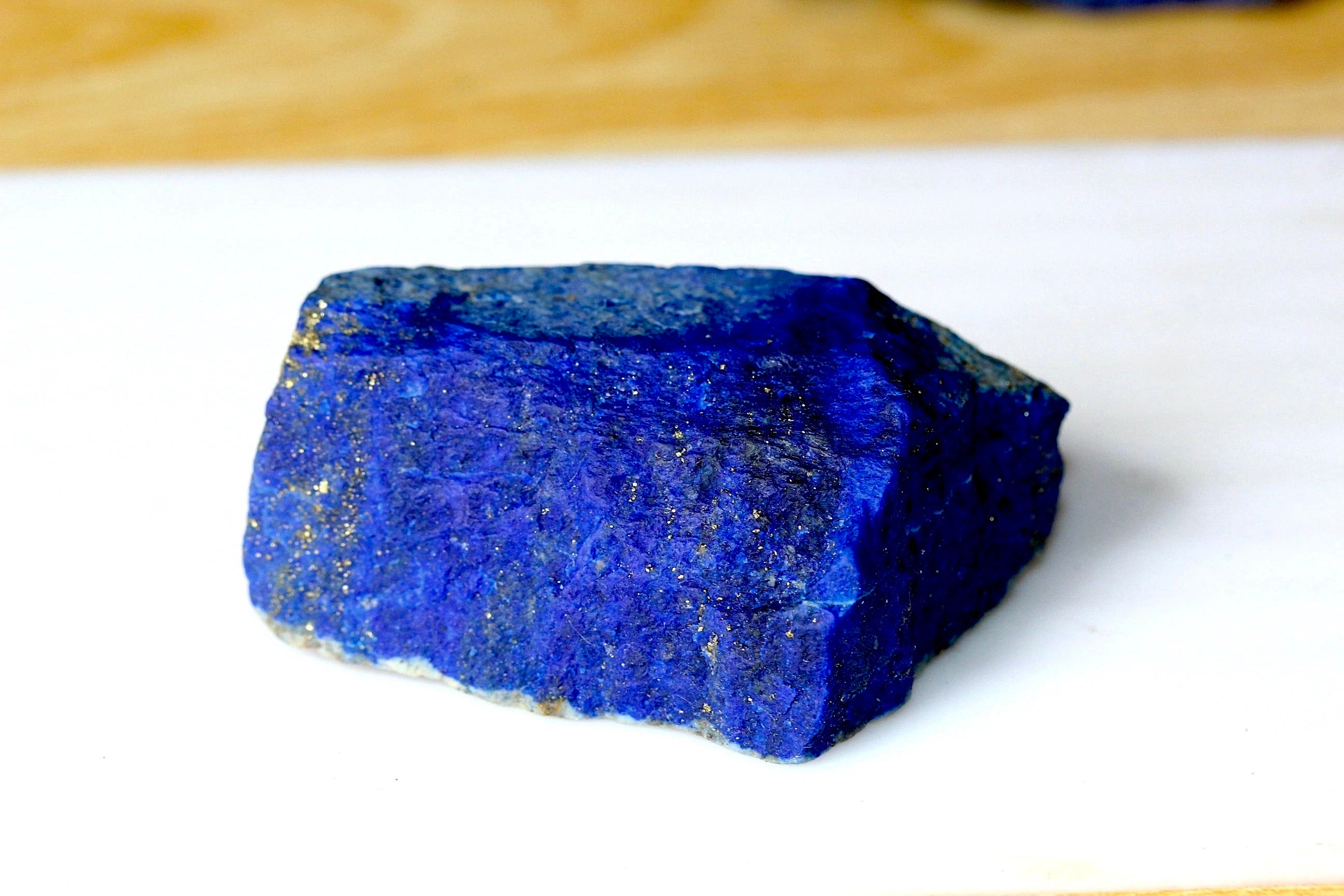
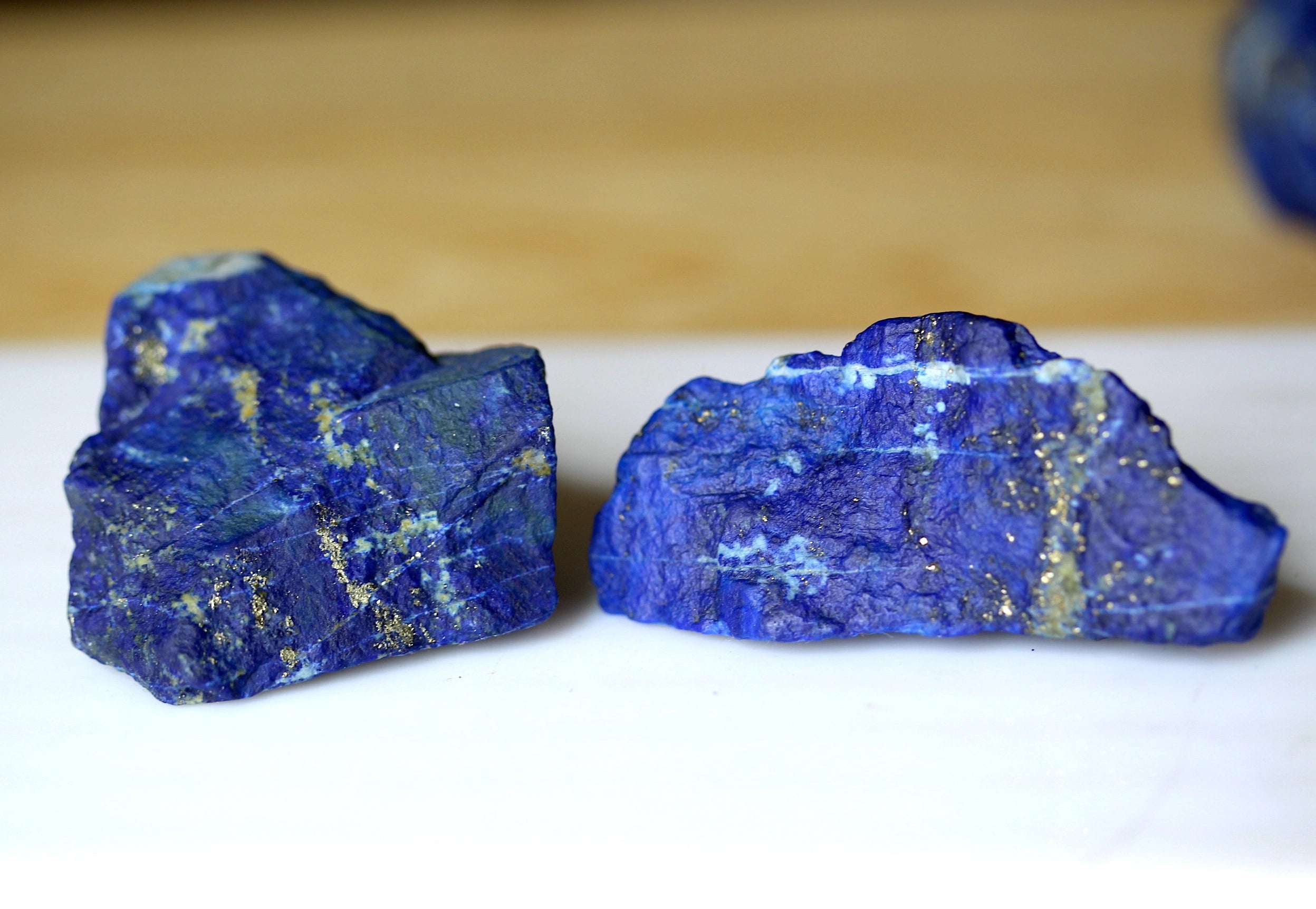
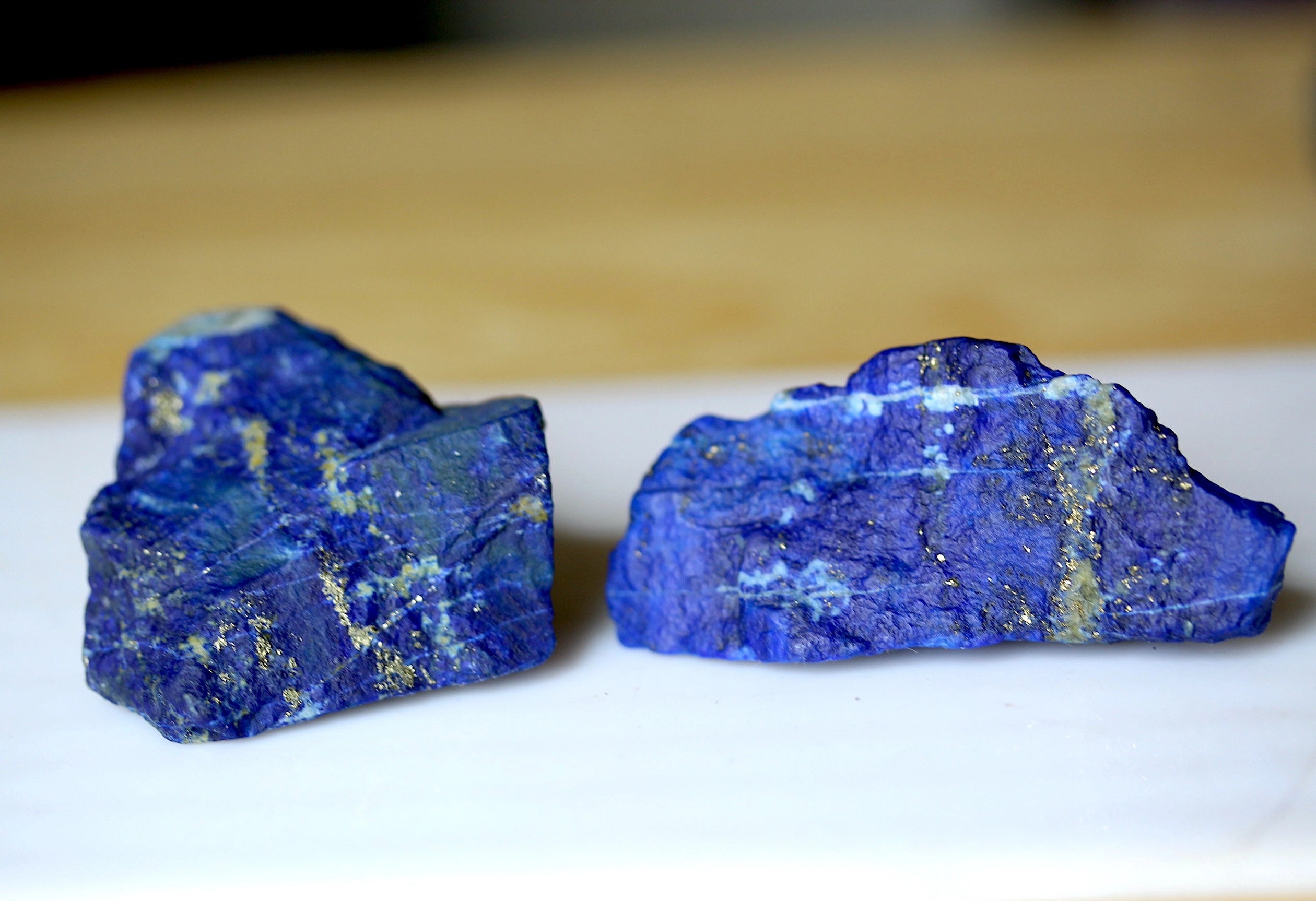
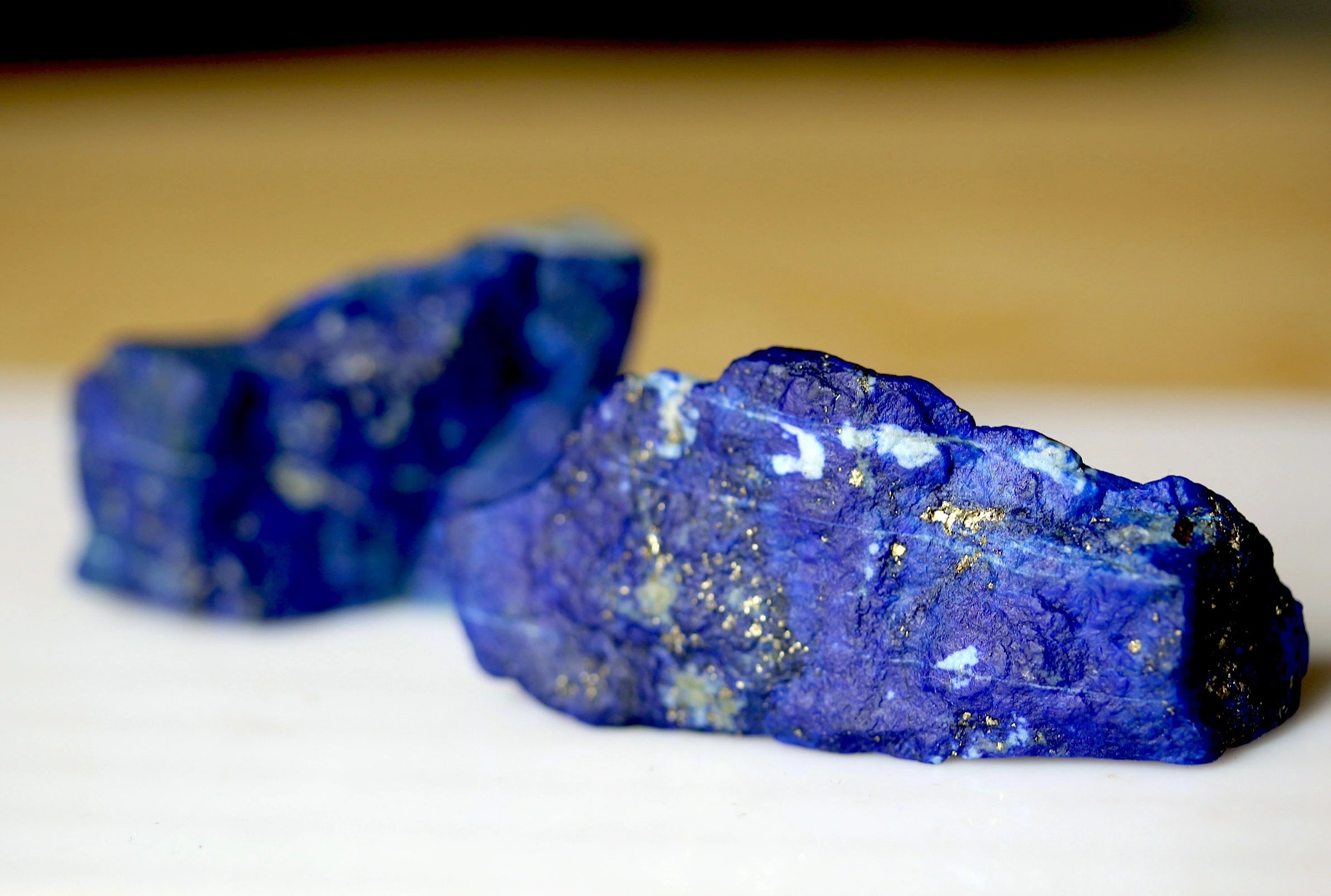
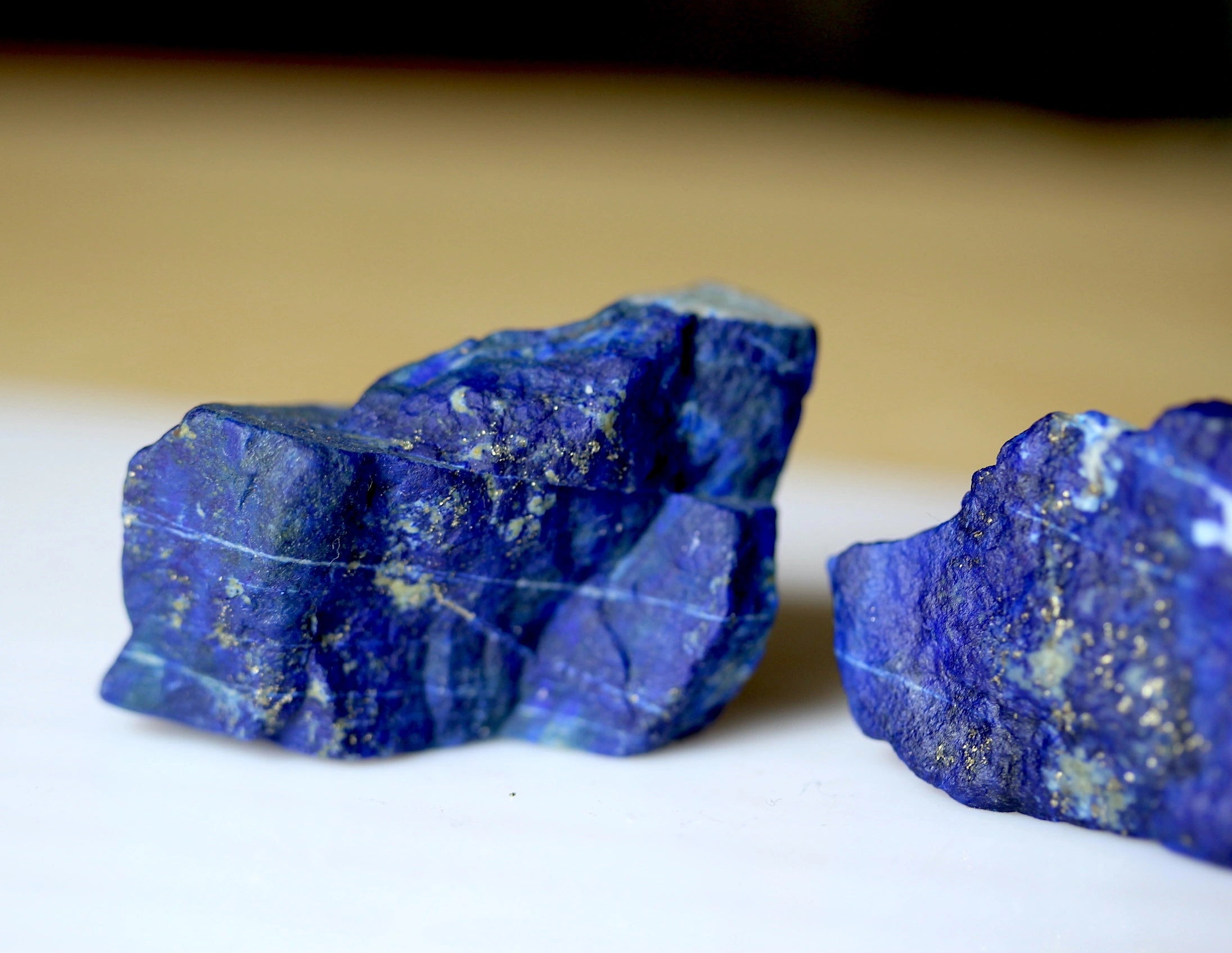
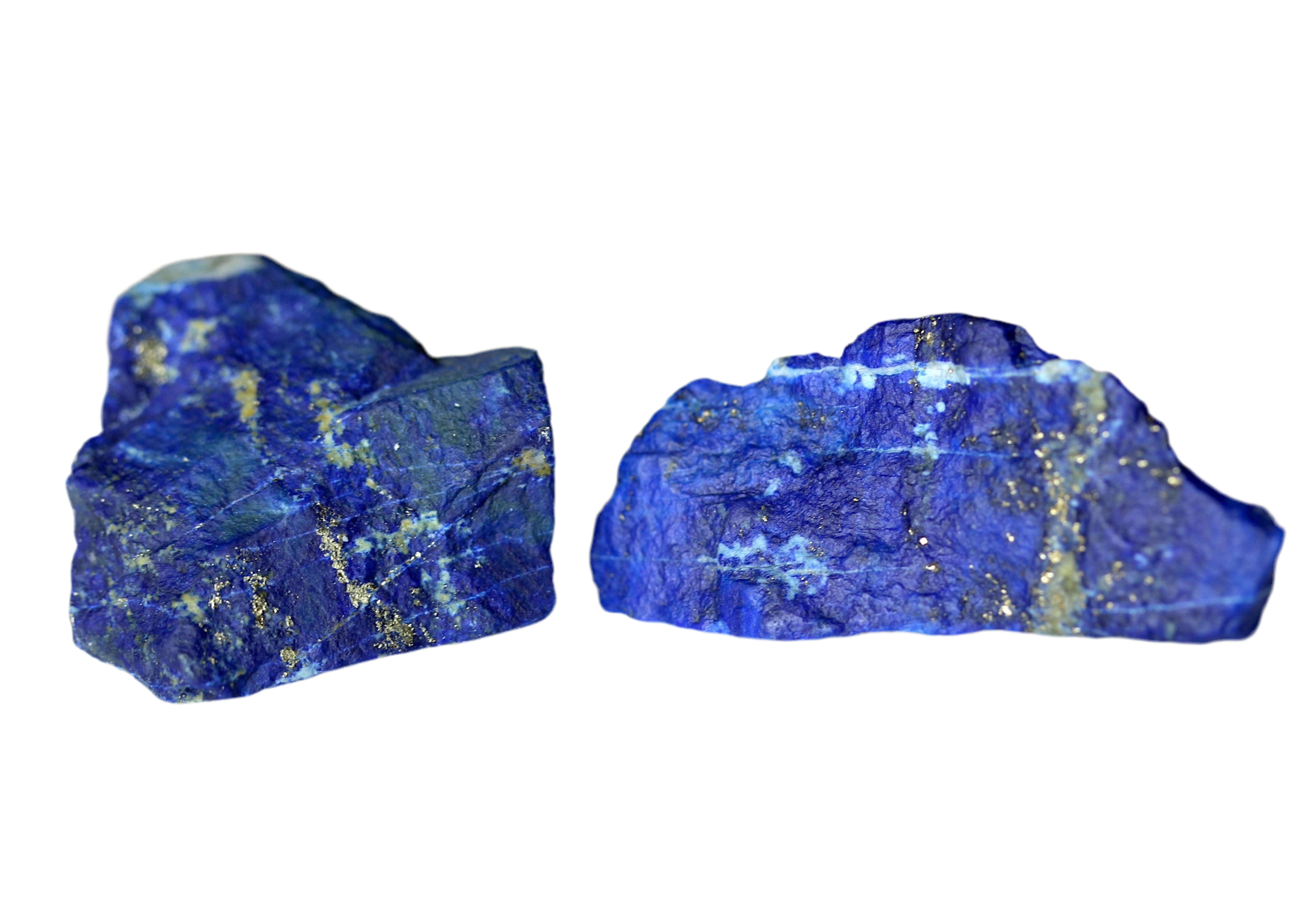
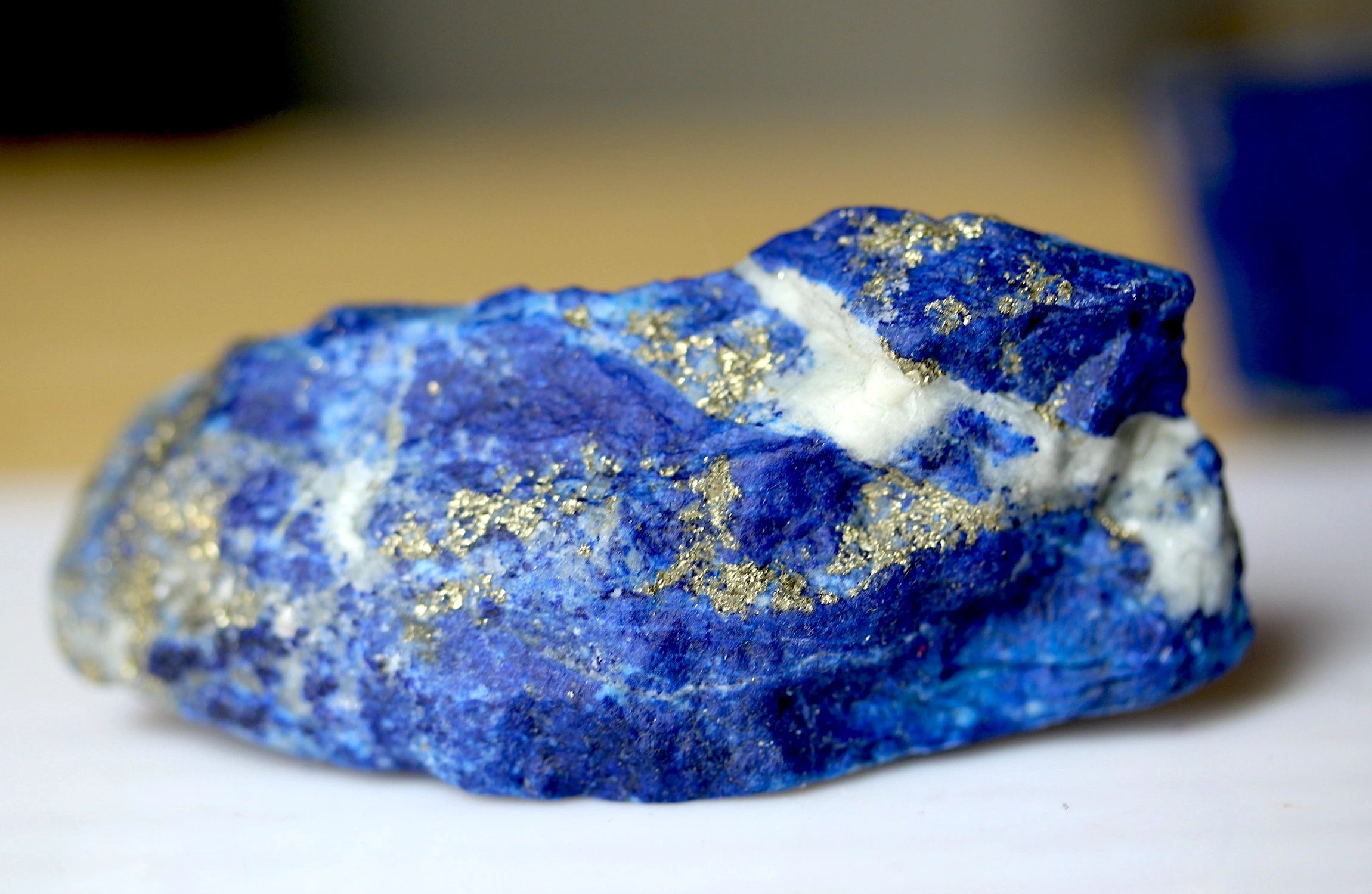
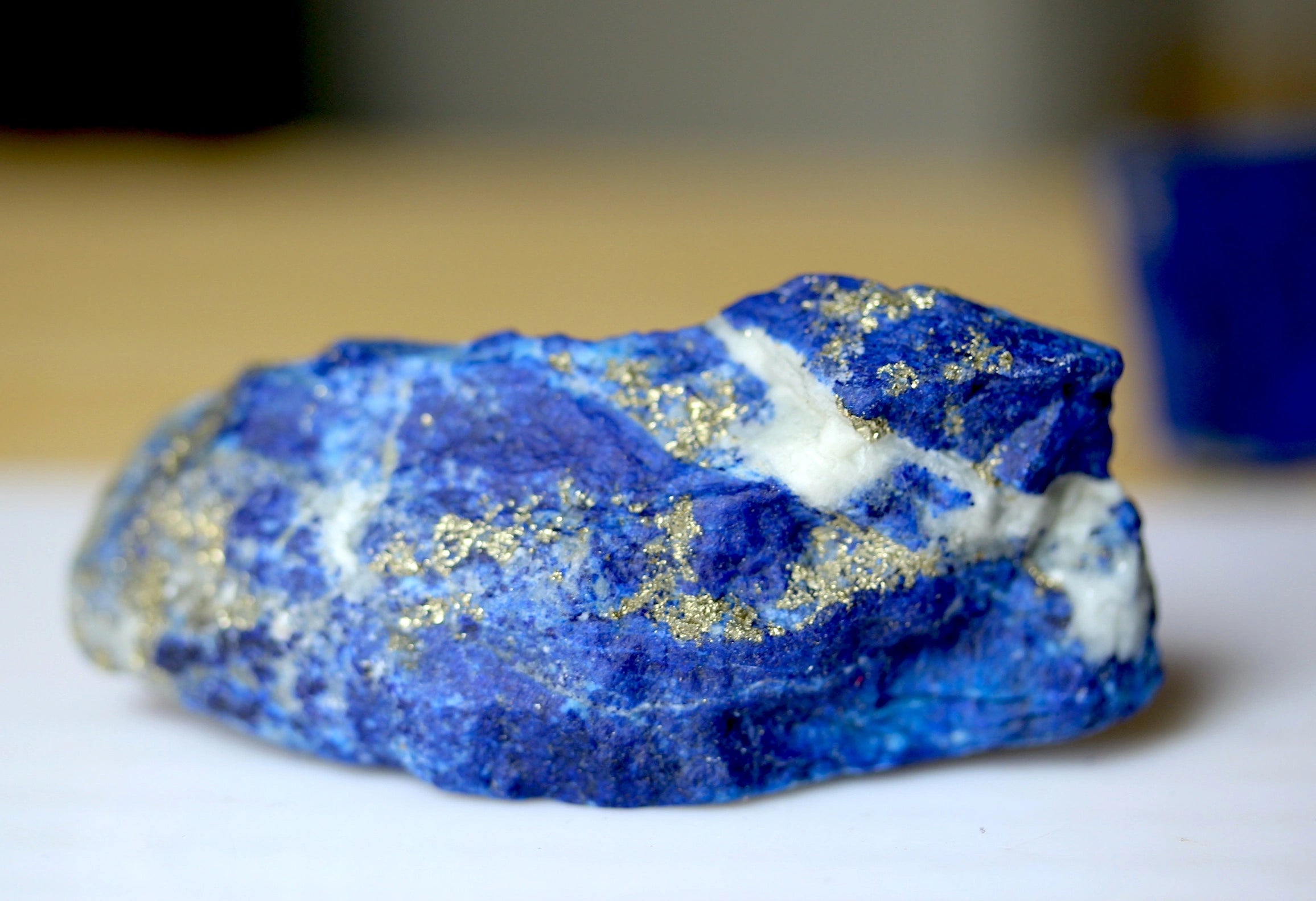
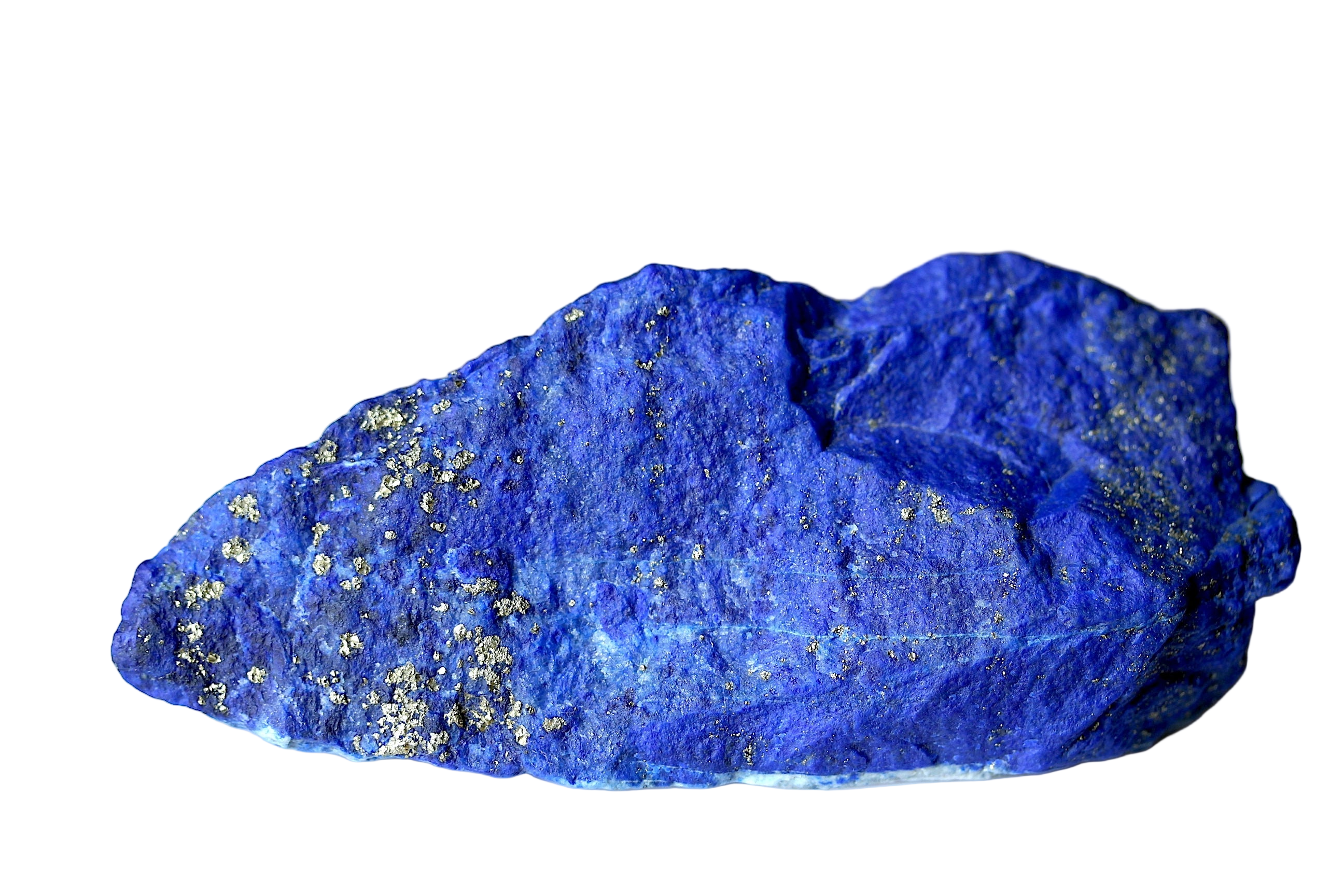
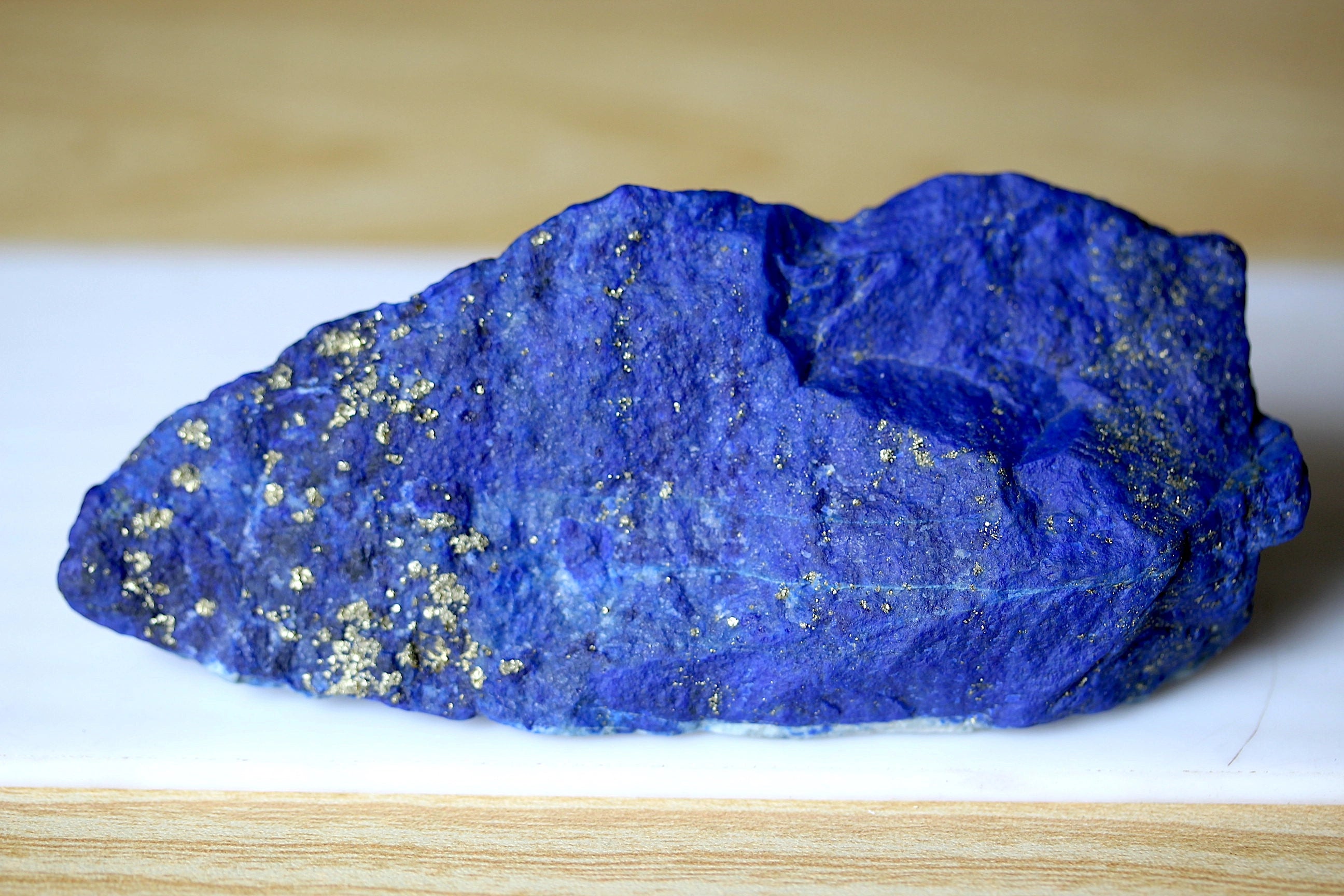
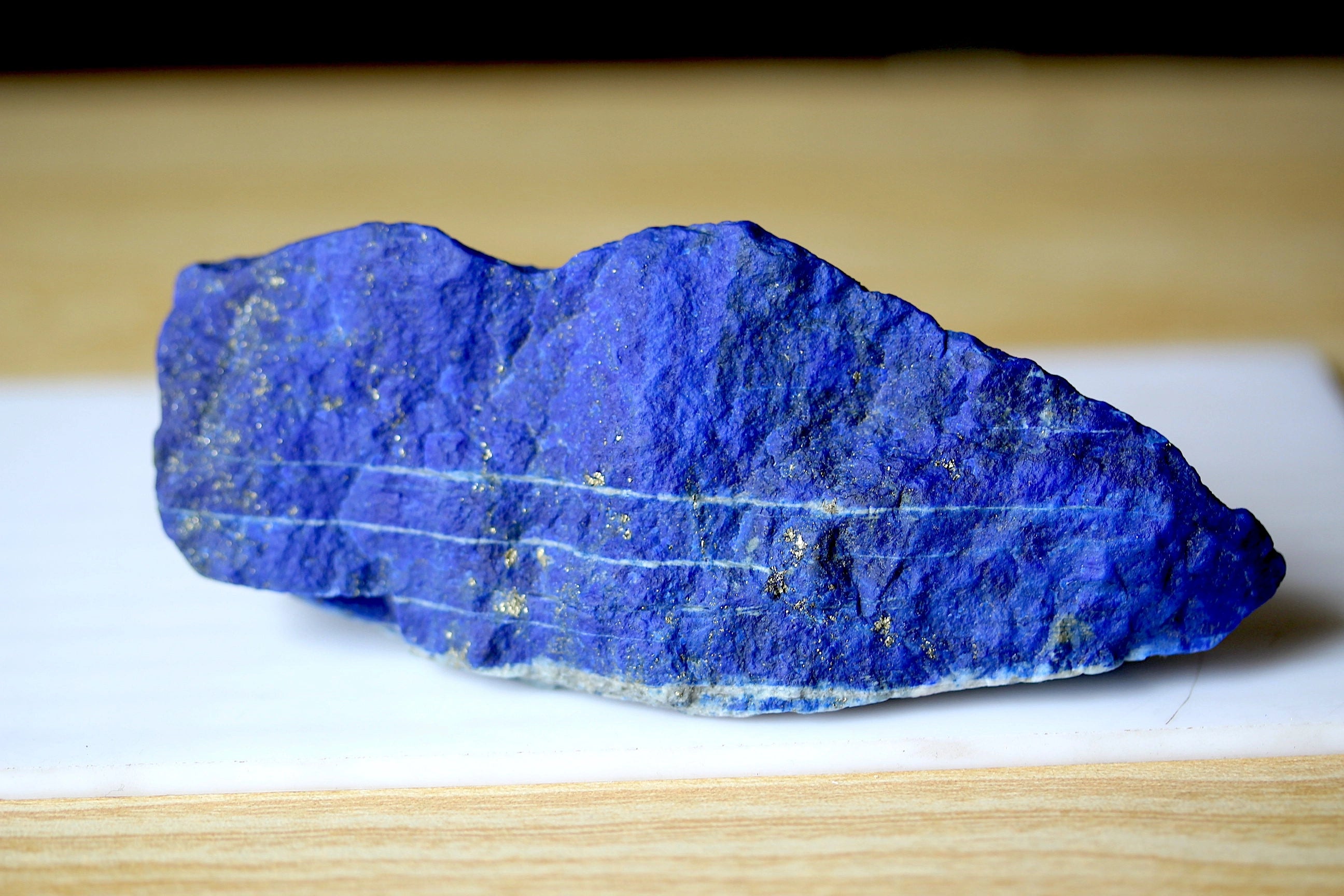
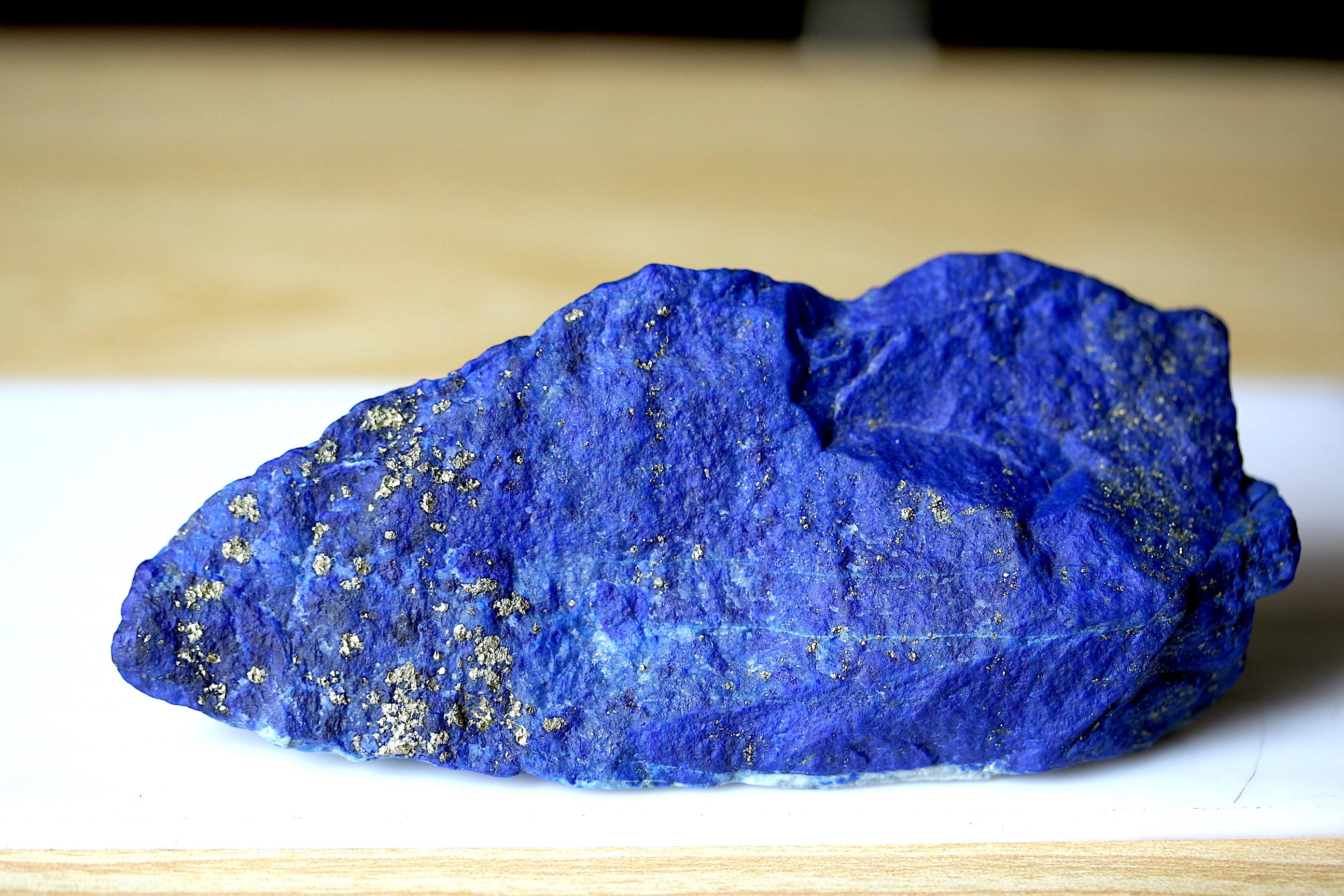


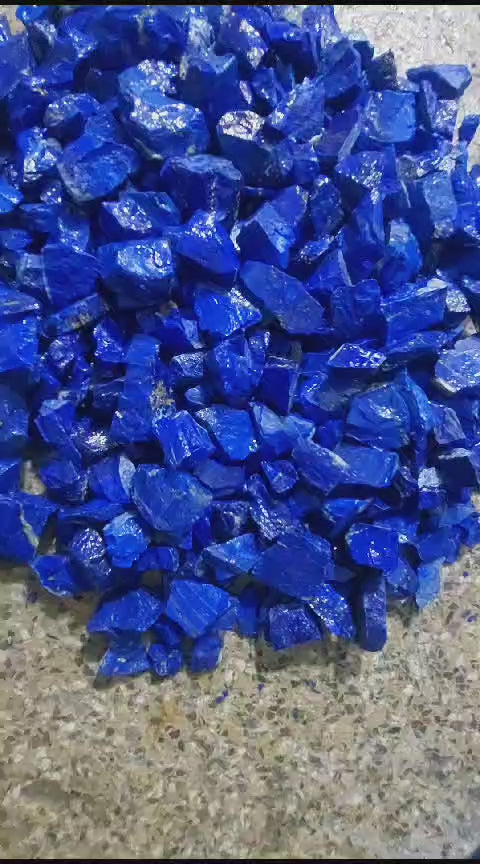


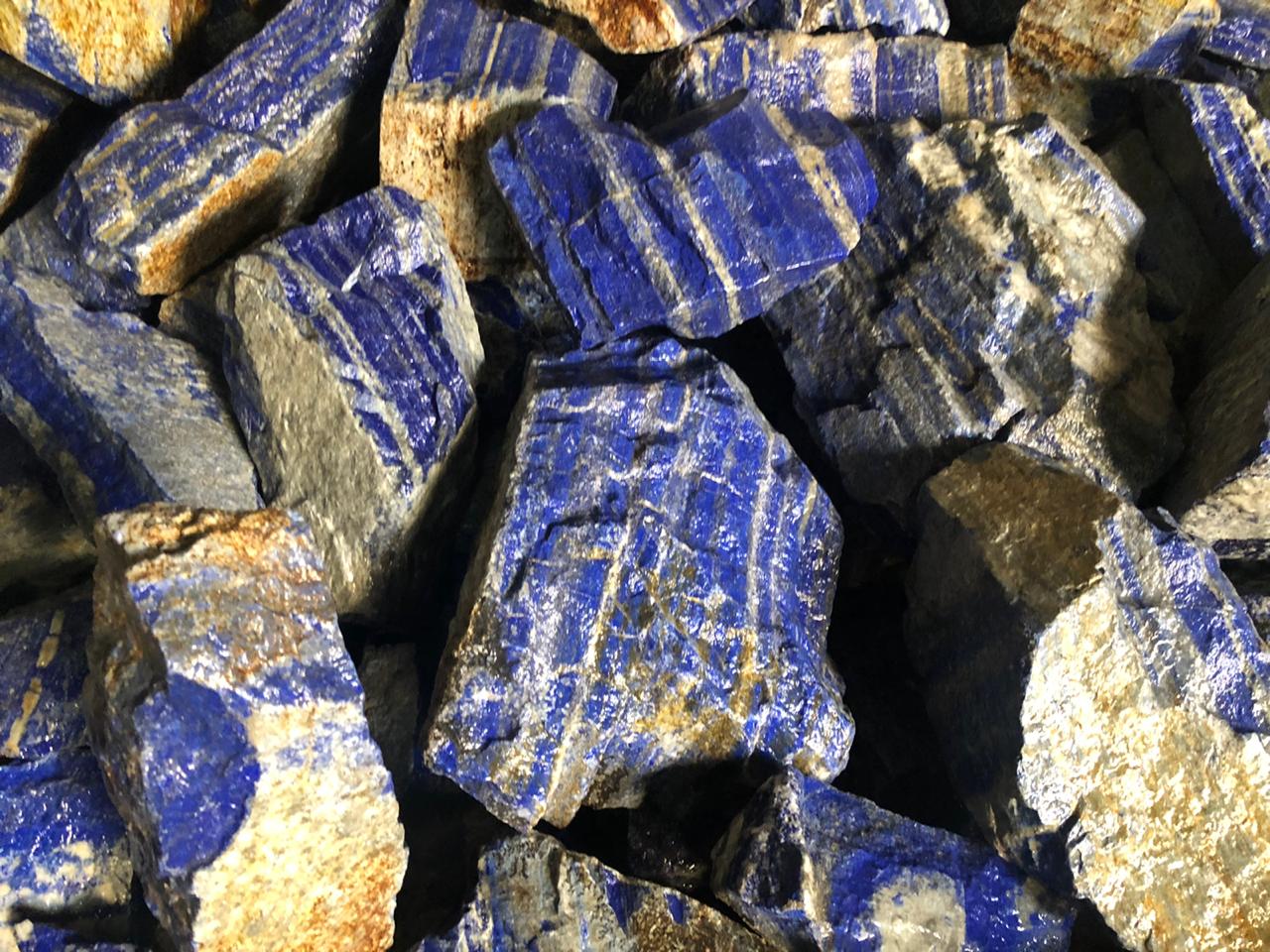


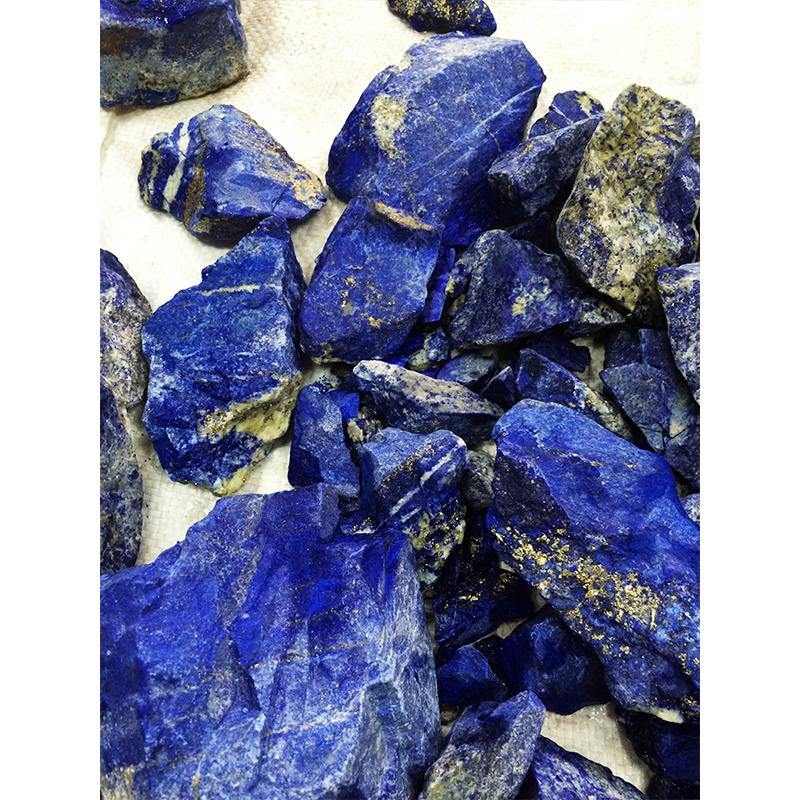


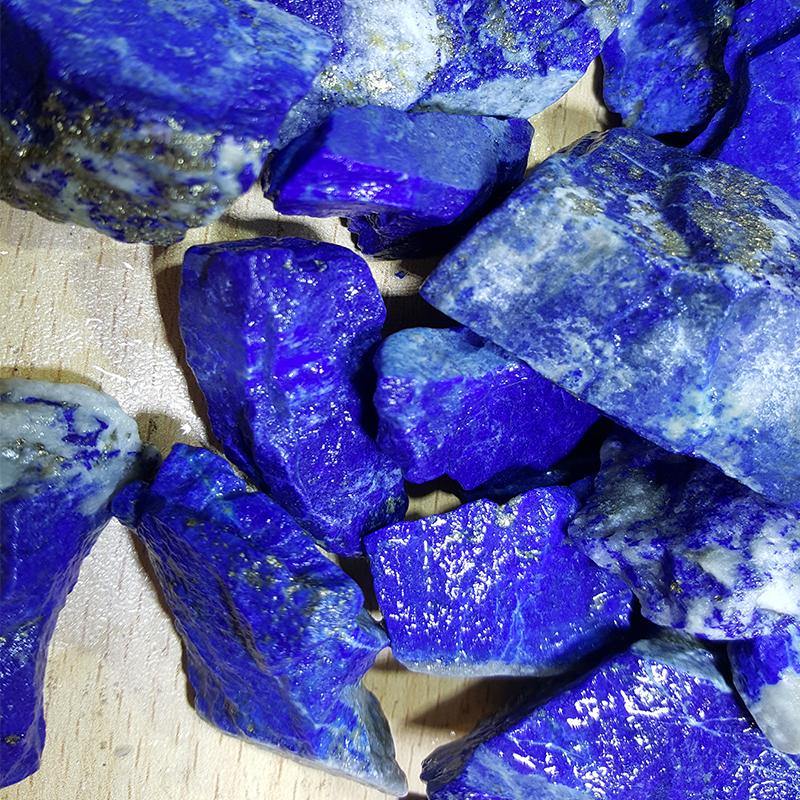
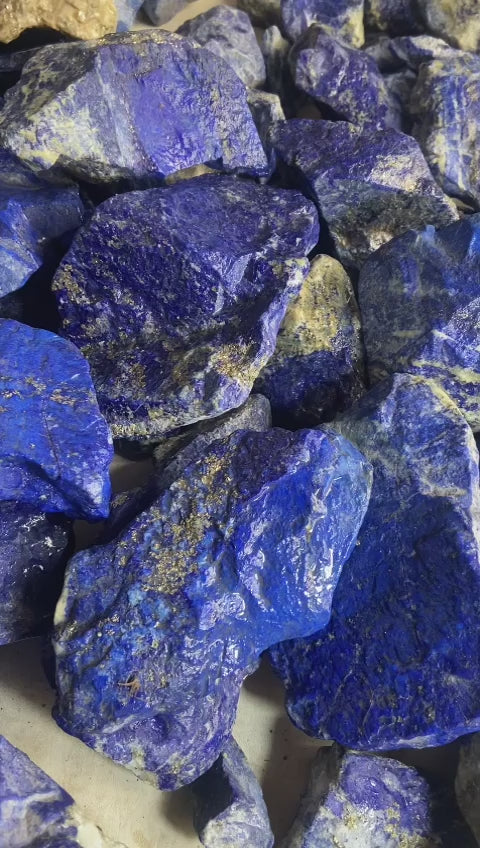
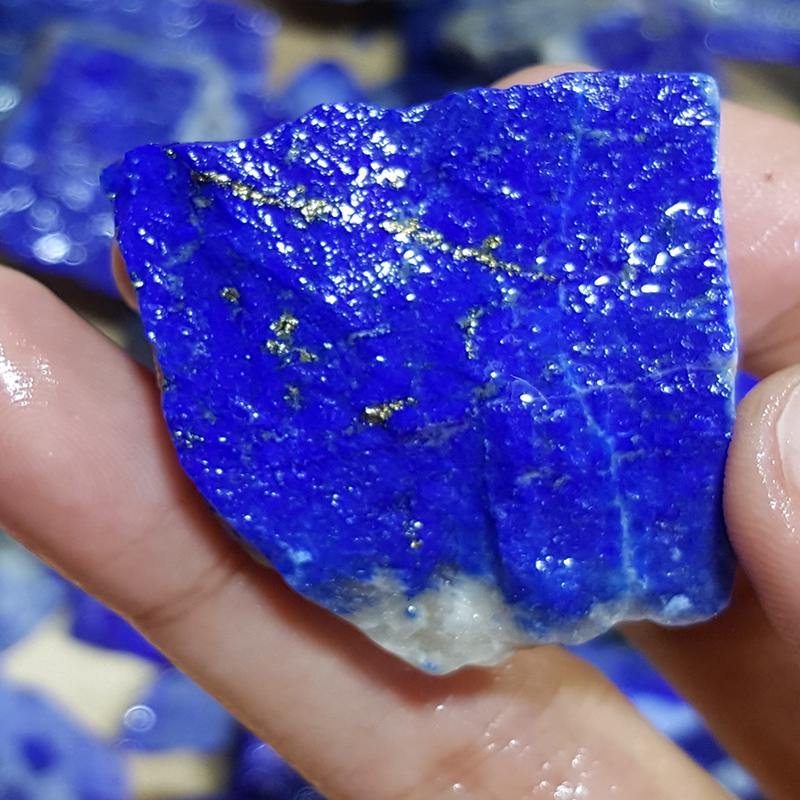
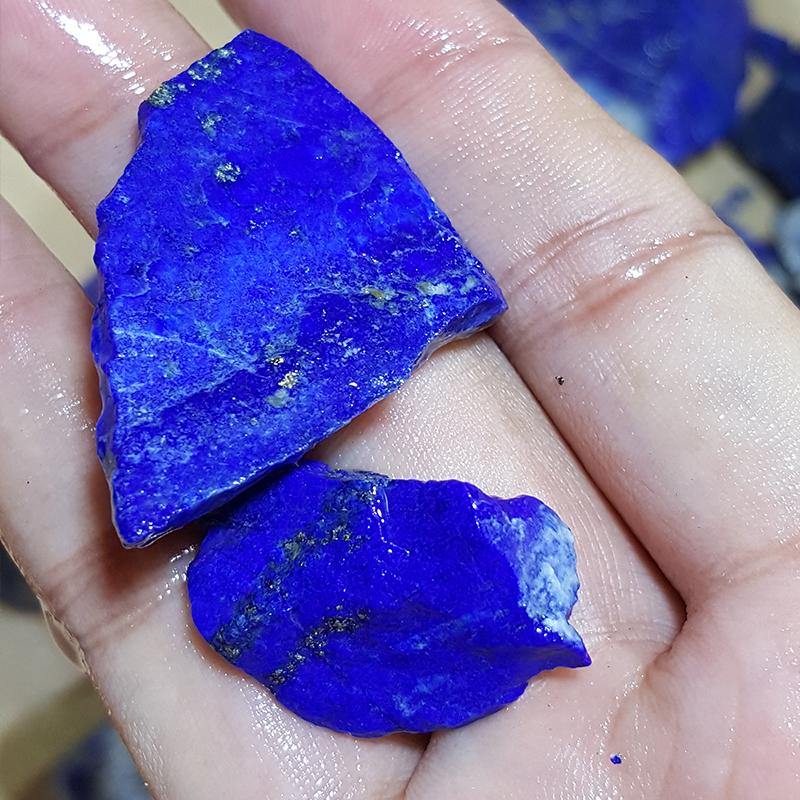
Buy Rough Lapis Lazuli Stones | Loose Blue Lapis Lazuli
Quick answer: Lapis lazuli is a deep blue gemstone primarily sourced from Afghanistan. FolkmarketGems offers natural rough lapis lazuli, loose cut lapis, lapis beads, and lapis material for jewelry, lapidary work, carving, and wholesale supply.
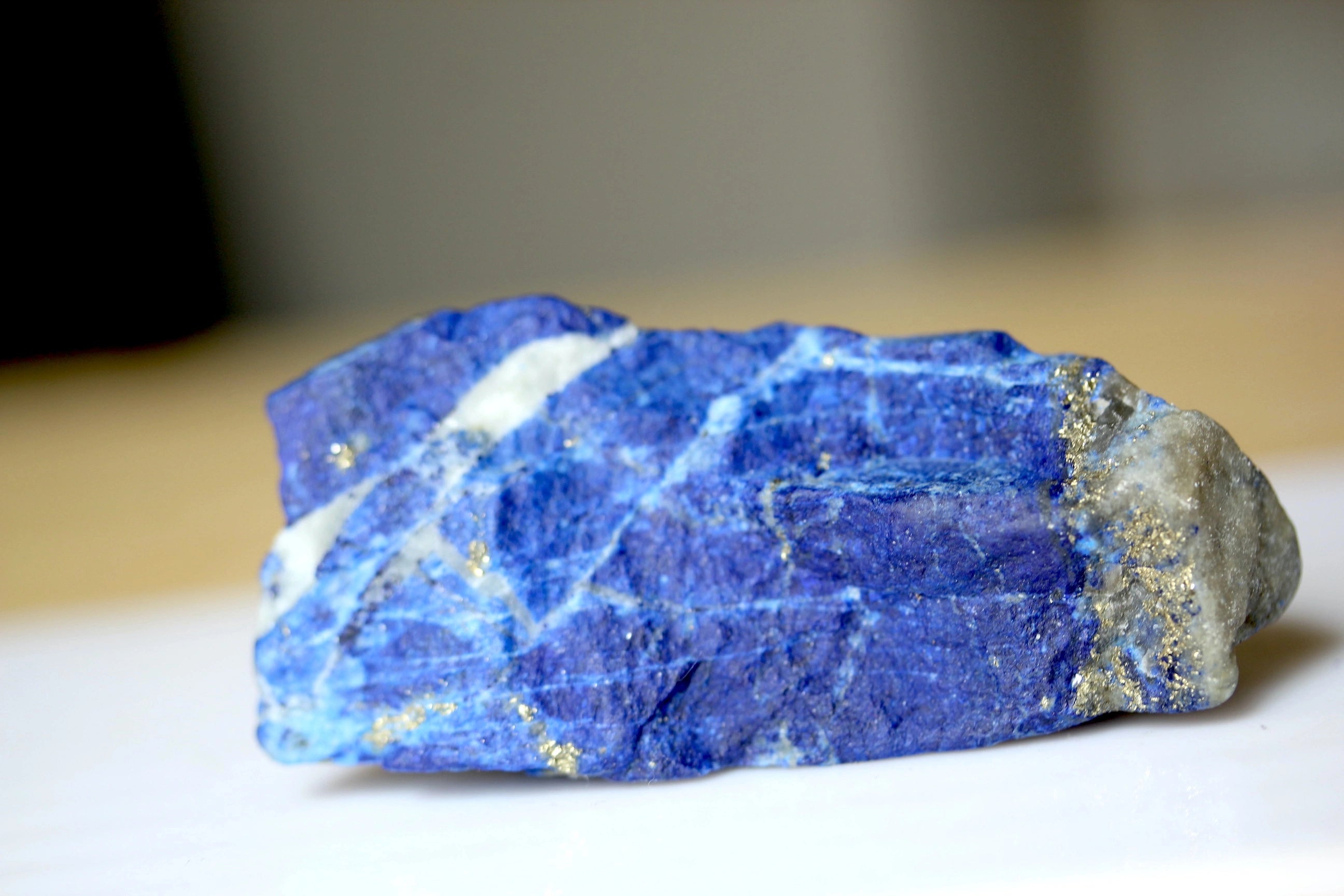
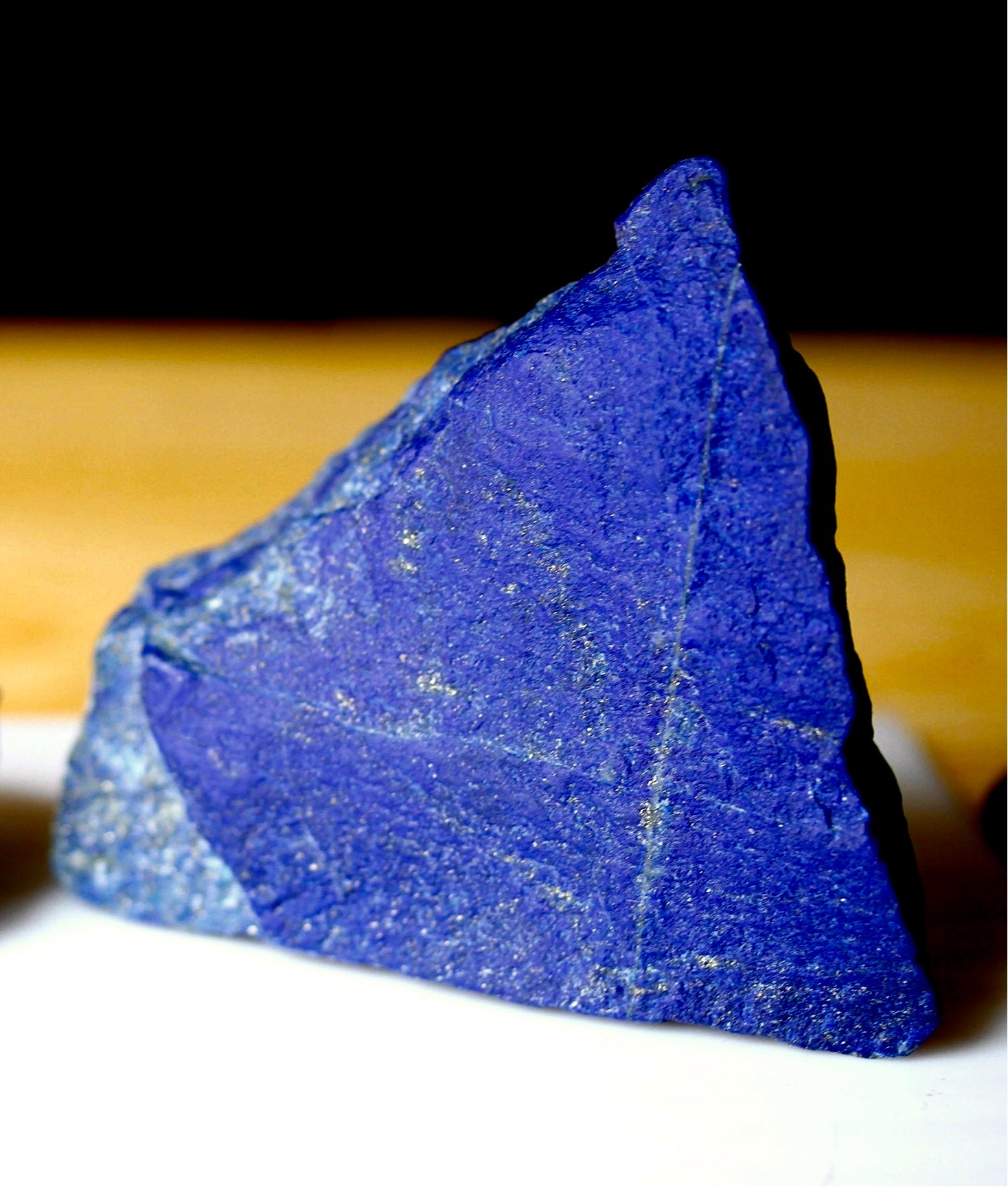
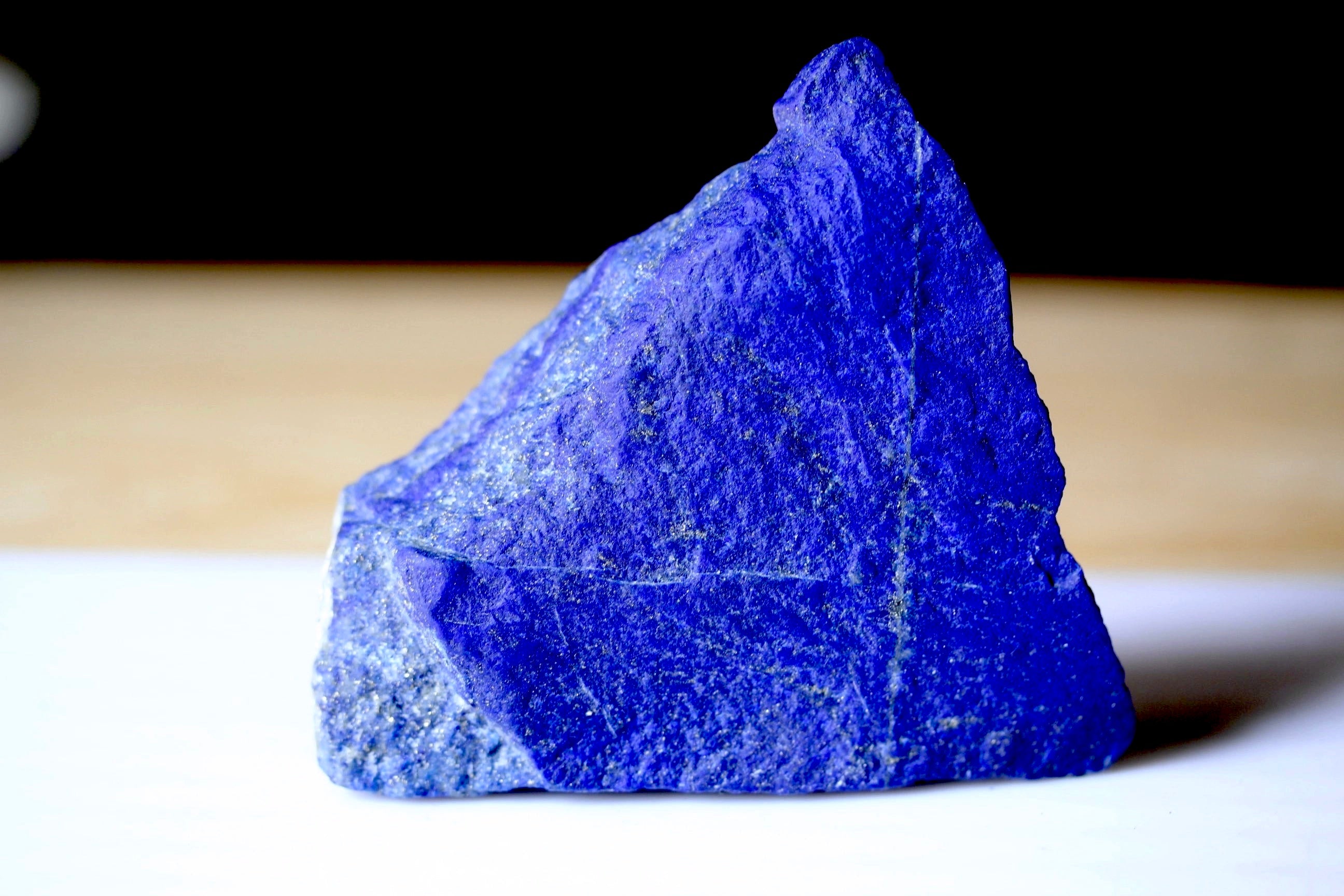
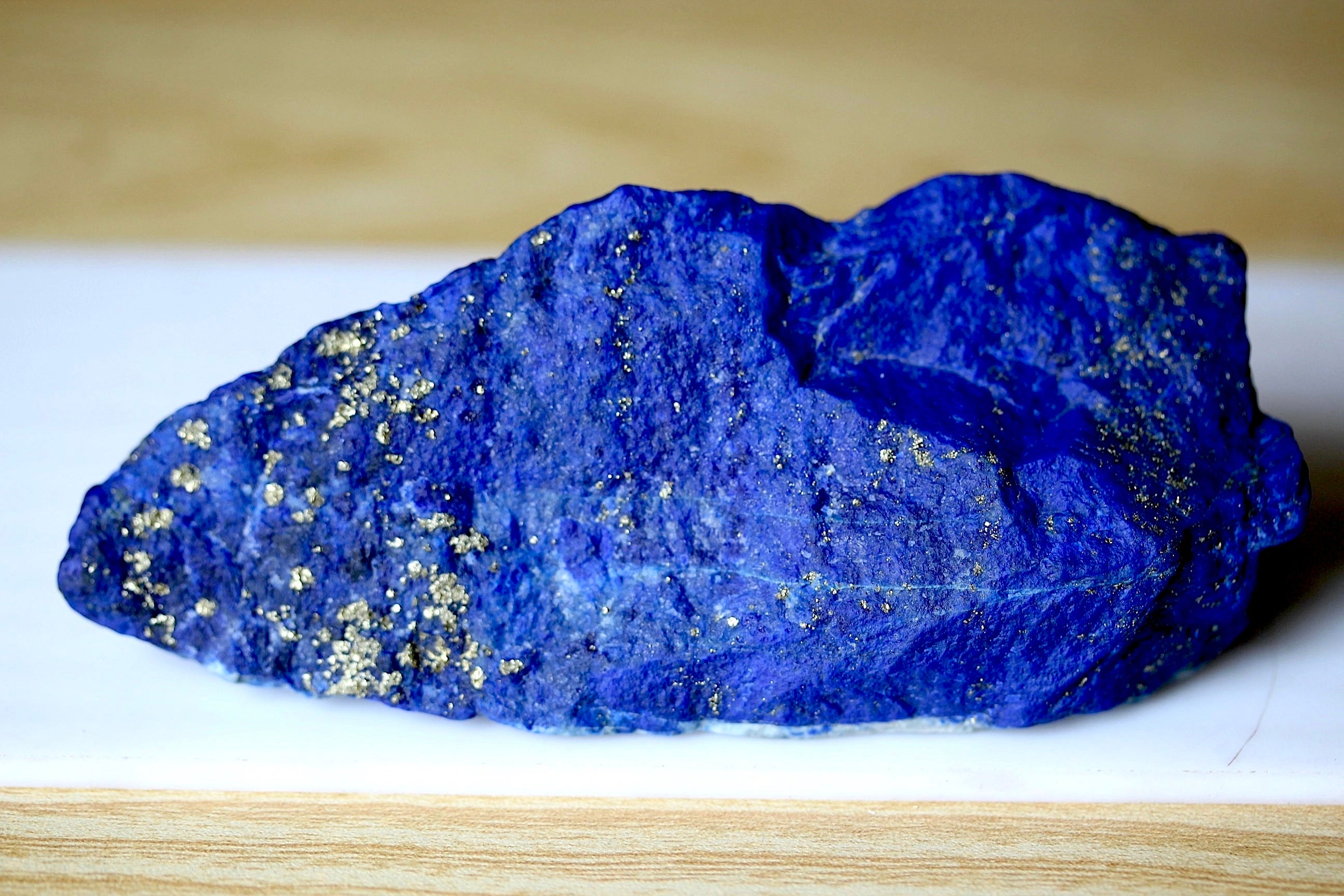
Lapis lazuli is a blue gemstone that originates mainly from Afghanistan and is valued for its intense blue color created by the mineral lazurite, often accompanied by golden flecks of pyrite. This natural contrast gives lapis lazuli its distinctive and recognizable appearance.
At FolkmarketGems, we supply lapis lazuli to jewelry designers, lapidary rough artists, collectors, and bulk gemstones buyers. Our selection includes both raw lapis stone and finished lapis products, with options for custom lapidary work depending on availability.
History and Origin of Lapis Lazuli
Lapis lazuli has been prized for thousands of years. It was famously used in ancient Egyptian jewelry, ornaments, and burial items, including pieces found in pyramids and royal tombs. Historically, lapis lazuli was also ground into pigment to create ultramarine, one of the most valuable blue pigments in art.
This blue stone has been mined in Afghanistan for over 6,000 years, making it one of the oldest known gemstones used by human civilizations. Afghanistan remains the most important source of high-quality lapis lazuli today.
Geology and Composition of Lapis Lazuli
Lapis lazuli is a metamorphic rock formed under intense heat and pressure deep within the Earth’s crust. Its primary component is lazurite, which gives lapis its deep blue color. Pyrite inclusions create golden specks, while calcite may appear as white veining.
The chemical formula of lapis lazuli is Na₈(Al₆Si₆O₂₄)(S,SO)₄, reflecting its complex composition of sodium, aluminum, silicon, sulfur, and oxygen. This unique mineral combination is responsible for its beauty and durability in lapidary use.
Forms of Lapis Lazuli Available at FolkmarketGems
FolkmarketGems offers lapis lazuli in multiple forms to meet different buyer needs:
- Raw lapis lazuli with low-grade blue color
- Medium-grade raw lapis (A grade)
- High-quality raw lapis with strong blue color (AA grade)
- Top-grade raw lapis with approximately 90% blue color (AAA grade)
- Lapis lazuli tumbles
- Lapis balls and spheres
- Lapis beads
- Lapis bracelets
- Lapis pendants in various shapes
Custom lapidary options: Depending on stock, FolkmarketGems can assist with cutting, polishing, or shaping raw lapis for specific jewelry or craft requirements.
Uses of Lapis Lazuli
Lapis lazuli is widely used across jewelry, lapidary art, and decorative applications:
- Jewelry making: beads, cabochons, pendants, rings, earrings, necklaces
- Lapidary art: carvings, inlays, sculptural pieces
- Decorative objects: figurines, bowls, ornamental items
- Collector stones: natural rough lapis with visible pyrite and calcite
Its deep blue color combined with golden pyrite makes lapis suitable for both traditional and modern designs.
Metaphysical Beliefs Associated with Lapis Lazuli
Lapis lazuli has long been associated with spiritual and symbolic meanings. Many people believe lapis promotes wisdom, truth, intuition, and inner peace. It is commonly used in meditation and spiritual practices by those seeking mental clarity and balance.
While metaphysical properties are based on belief systems, these associations have contributed to lapis lazuli’s popularity across cultures.
Why Buy Lapis Lazuli from FolkmarketGems?
- Natural lapis lazuli sourced primarily from Afghanistan
- Multiple grades available for different budgets and uses
- Support for jewelers, lapidaries, collectors, and wholesale buyers
- Transparent descriptions of color, grade, and form
- Custom sourcing and order requests accepted
Whether you need a single lapis stone or a bulk parcel, FolkmarketGems focuses on authenticity, fair pricing, and long-term buyer relationships.