
Filters
91 items
Sort Date, new to old
-
7.4 Gram Green Tourmaline Crystal on Feldspar – Afghanistan  Sale
Sale7.4 Gram Green Tourmaline Crystal on Feldspar – Afghanistan
7.4 Gram Green Tourmaline Crystal on Feldspar – Afghanistan
$65.00 USDSale price $65.00 USD Regular price $85.00 USD -
19.6 Gram – 4 Pieces Blue Tourmaline Crystal Thumbnail Specimens from Afghanistan  Sale
Sale19.6 Gram – 4 Pieces Blue Tourmaline Crystal Thumbnail Specimens from Afghanistan
19.6 Gram – 4 Pieces Blue Tourmaline Crystal Thumbnail Specimens from Afghanistan
$35.00 USDSale price $35.00 USD Regular price $50.00 USD -
20 Grams Black Tourmaline Crystal on Feldspar – Afghanistan  Sale
Sale20 Grams Black Tourmaline Crystal on Feldspar – Afghanistan
20 Grams Black Tourmaline Crystal on Feldspar – Afghanistan
$150.00 USDSale price $150.00 USD Regular price $175.00 USD -
13 Gram – 2 Piece Green-Blue Tourmaline Mini Crystal Specimen from Afghanistan  Sale
Sale13 Gram – 2 Piece Green-Blue Tourmaline Mini Crystal Specimen from Afghanistan
13 Gram – 2 Piece Green-Blue Tourmaline Mini Crystal Specimen from Afghanistan
$30.00 USDSale price $30.00 USD Regular price $45.00 USD -
12.8 Gram Bluish Green Small Size Tourmaline Crystal on Quartz – Afghanistan  Sale
Sale12.8 Gram Bluish Green Small Size Tourmaline Crystal on Quartz – Afghanistan
12.8 Gram Bluish Green Small Size Tourmaline Crystal on Quartz – Afghanistan
$70.00 USDSale price $70.00 USD Regular price $88.00 USD -
3 Pieces Miniature Blue Pink Tourmaline Crystal Mineral Specimens - Afghanistan  Sale
Sale3 Pieces Miniature Blue Pink Tourmaline Crystal Mineral Specimens - Afghanistan
3 Pieces Miniature Blue Pink Tourmaline Crystal Mineral Specimens - Afghanistan
$30.00 USDSale price $30.00 USD Regular price $45.00 USD -
2 Pieces Green-Blue Tourmaline Crystals – Miniature Mineral Specimens from Afghanistan  Sale
Sale2 Pieces Green-Blue Tourmaline Crystals – Miniature Mineral Specimens from Afghanistan
2 Pieces Green-Blue Tourmaline Crystals – Miniature Mineral Specimens from Afghanistan
$80.00 USDSale price $80.00 USD Regular price $99.00 USD -
265 Carat Rough Green & Blue Tourmaline – Facet Rough Parcel Deal 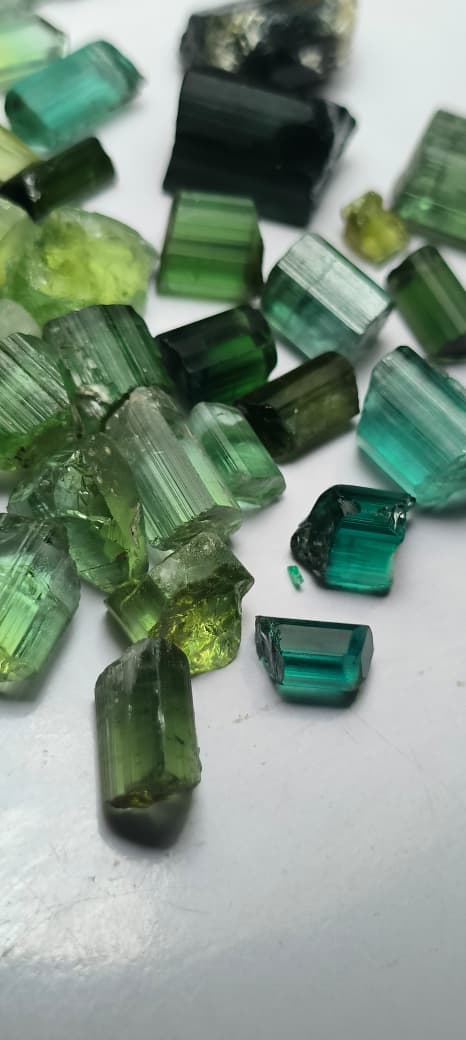
265 Carat Rough Green & Blue Tourmaline – Facet Rough Parcel Deal
265 Carat Rough Green & Blue Tourmaline – Facet Rough Parcel Deal
$1,000.00 USDSale price $1,000.00 USD Regular price -
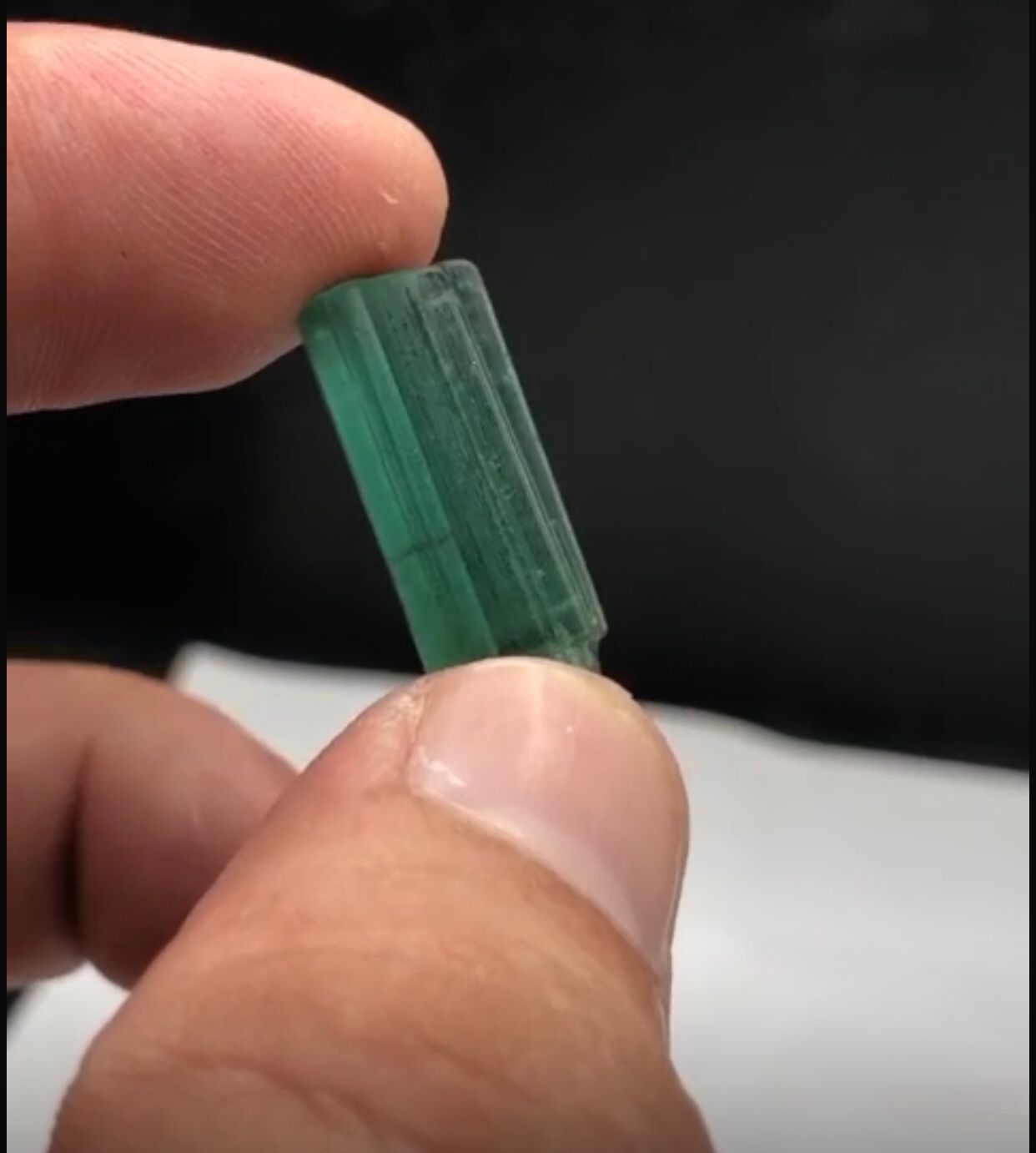
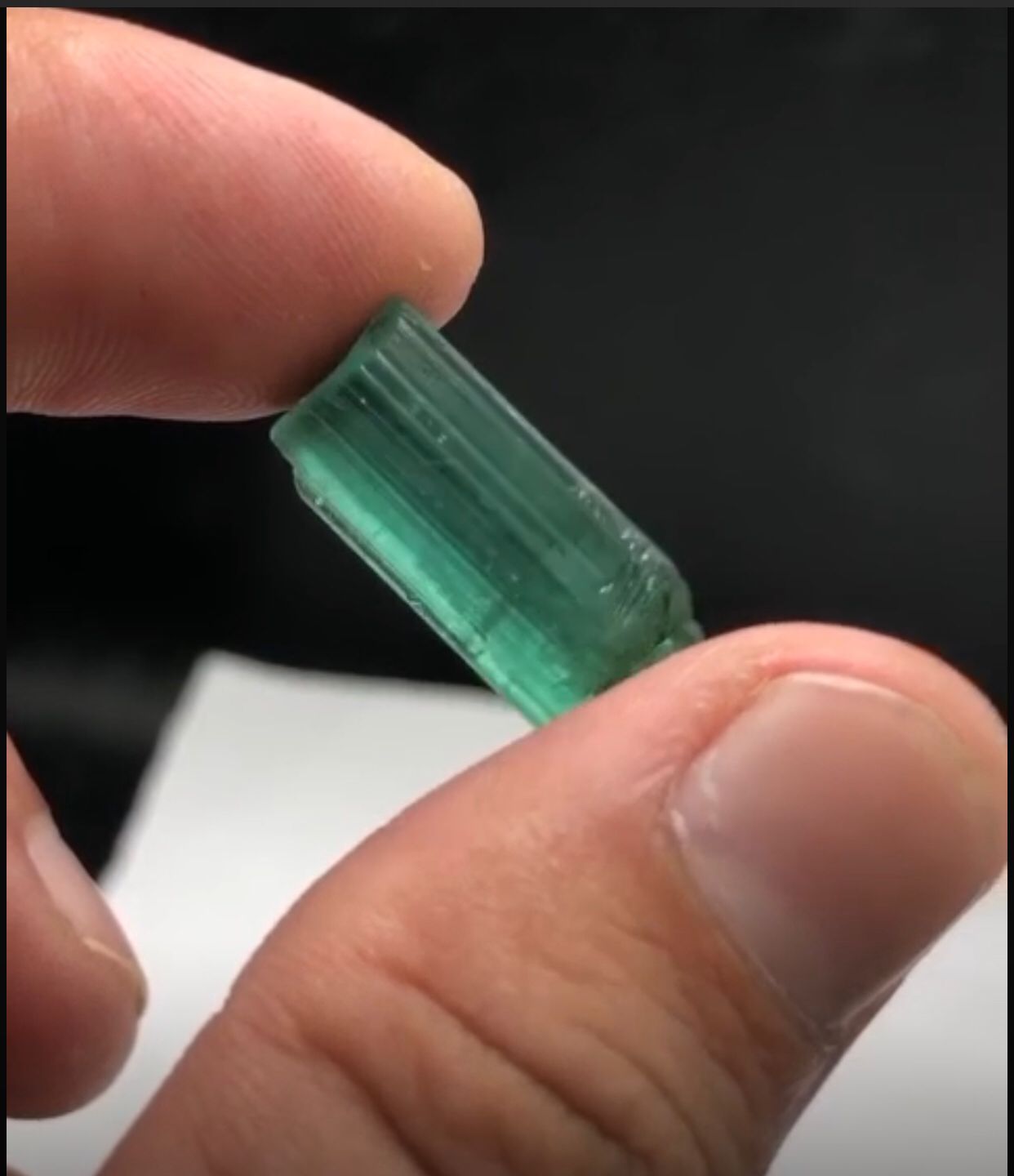
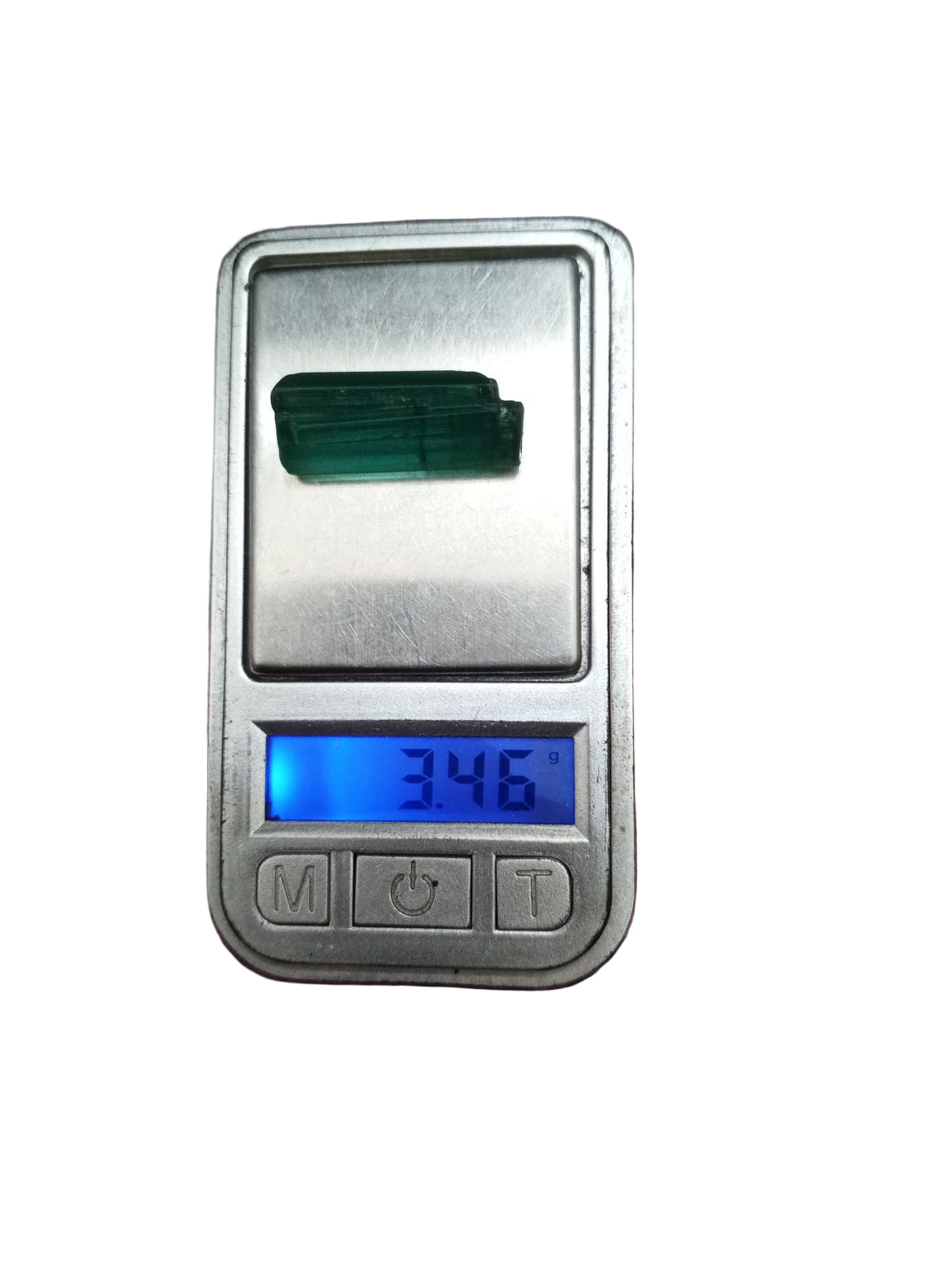
3.46 Gram Rough Green Tourmaline Stone for Cutting -
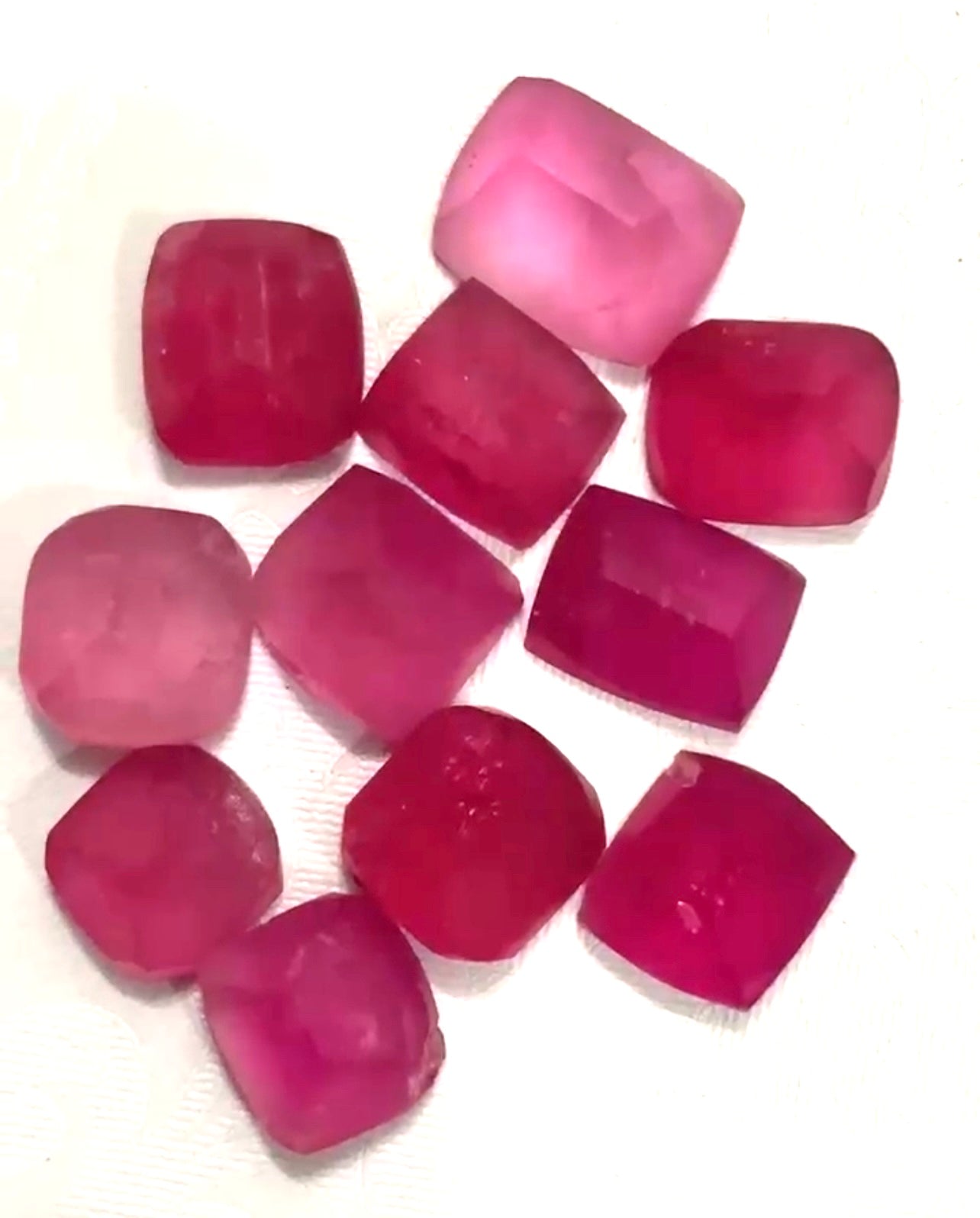
47 carats Raw Rubilite Tourmaline for Faceting -
70 grams Tourmaline Crystals -
600 Carat Mint Green Tourmaline Crystals | Whole Sale Deal 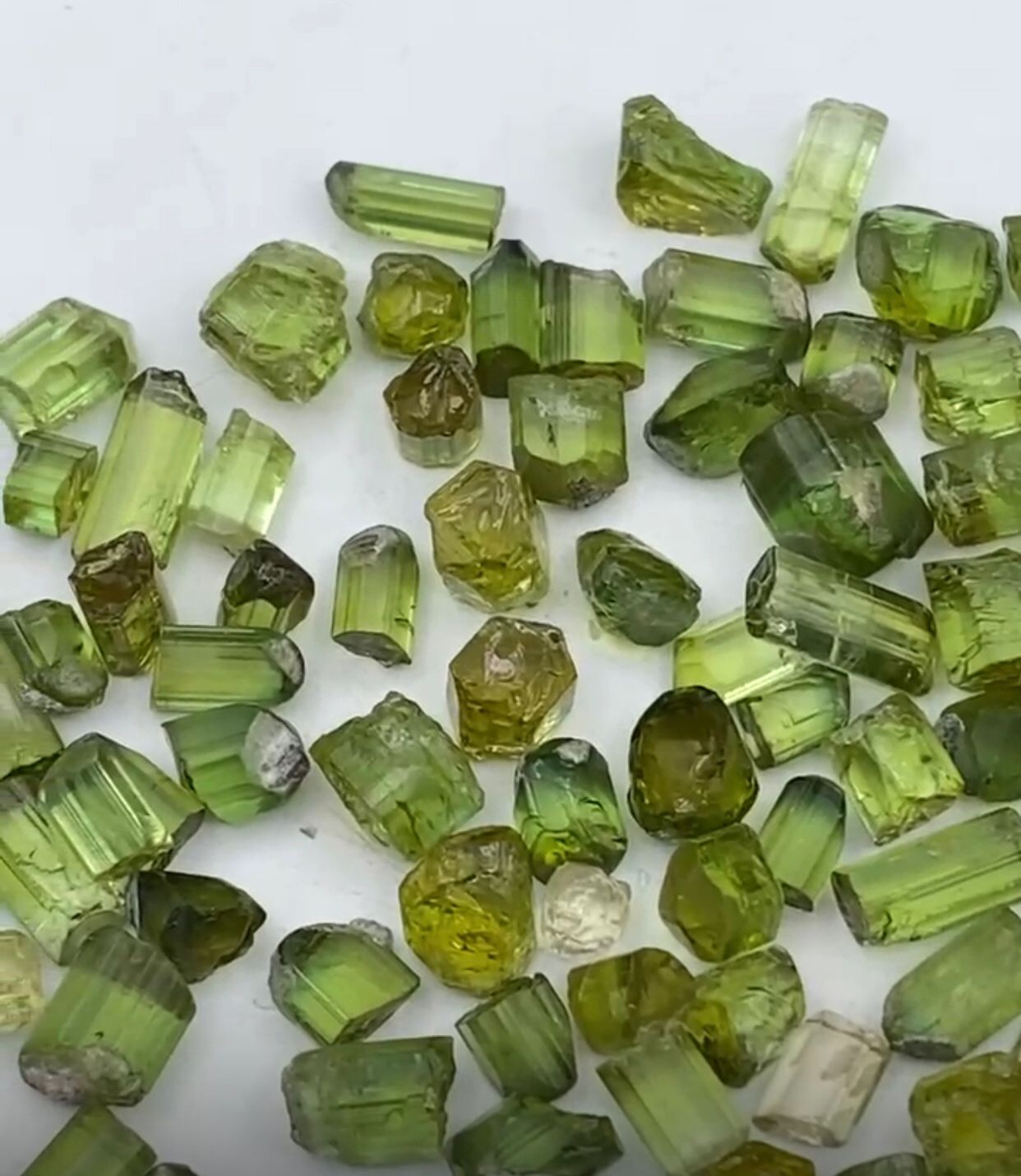
600 Carat Mint Green Tourmaline Crystals | Whole Sale Deal
600 Carat Mint Green Tourmaline Crystals | Whole Sale Deal
$4,000.00 USDSale price $4,000.00 USD Regular price -
110 Gram Tourmaline Crystals Deal -
60 Gram Green Tourmaline Rough Crystals Parcel -
45 Grams Tourmaline Crystals Deal -
90 carats Green Tourmaline Raw Crystals | Lagoon Tourmaline Crystals -
18 carat Green Tourmaline Loose Gem Deal Bulk -
170 carats Rough Green Tourmaline Facet Raw Deal -
250 carats Natural Tourmaline Facet Rough Parcel 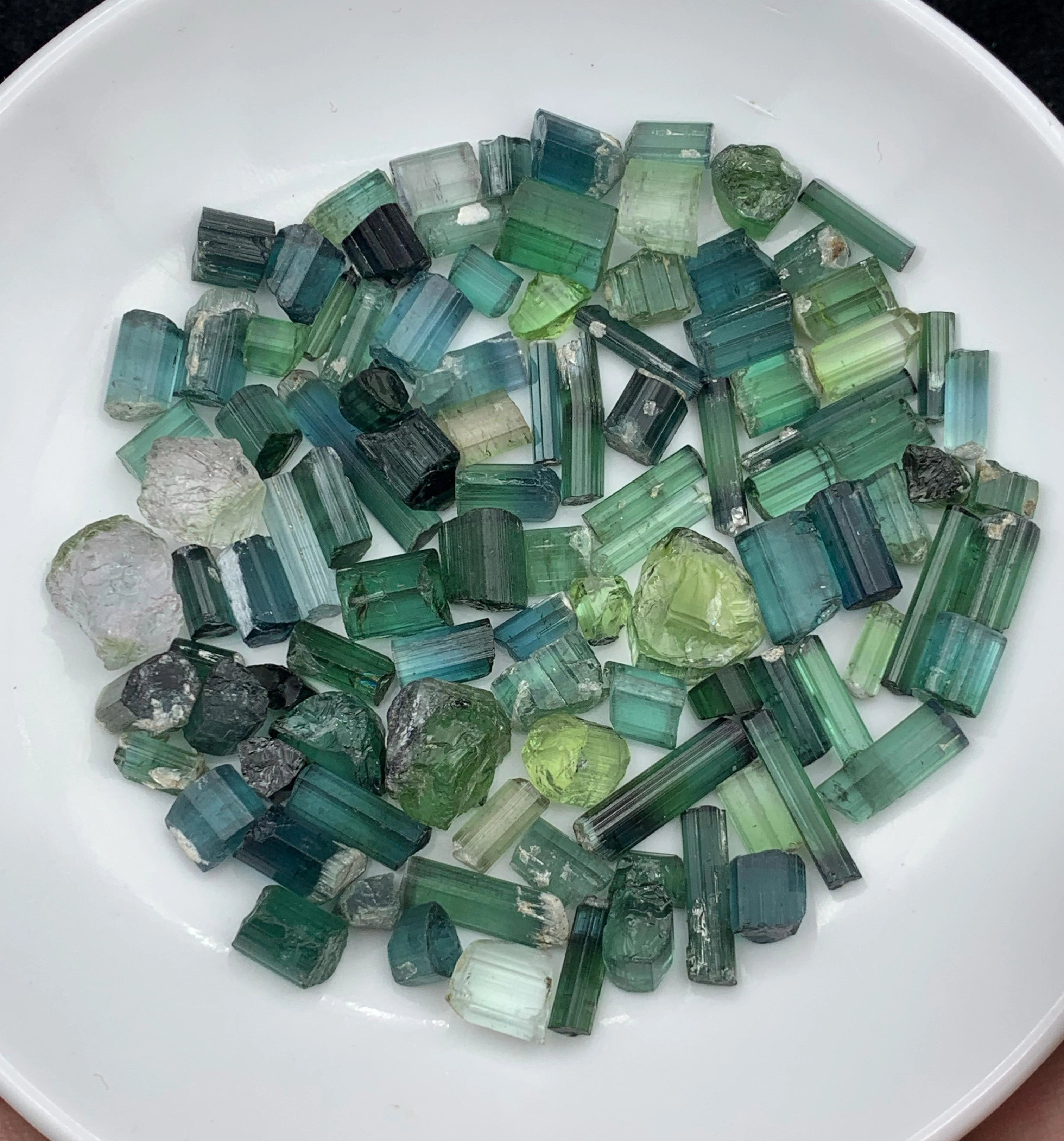
250 carats Natural Tourmaline Facet Rough Parcel
250 carats Natural Tourmaline Facet Rough Parcel
$1,000.00 USDSale price $1,000.00 USD Regular price -
200 Carats Raw Tourmaline Green Crystals -
15.6 grams Natural Black Tourmaline Crystal Cluster from Skardu, Pakistan -
19.80 carats Raw Tourmaline Crystals - Blue, Green, Pink Tourmaline 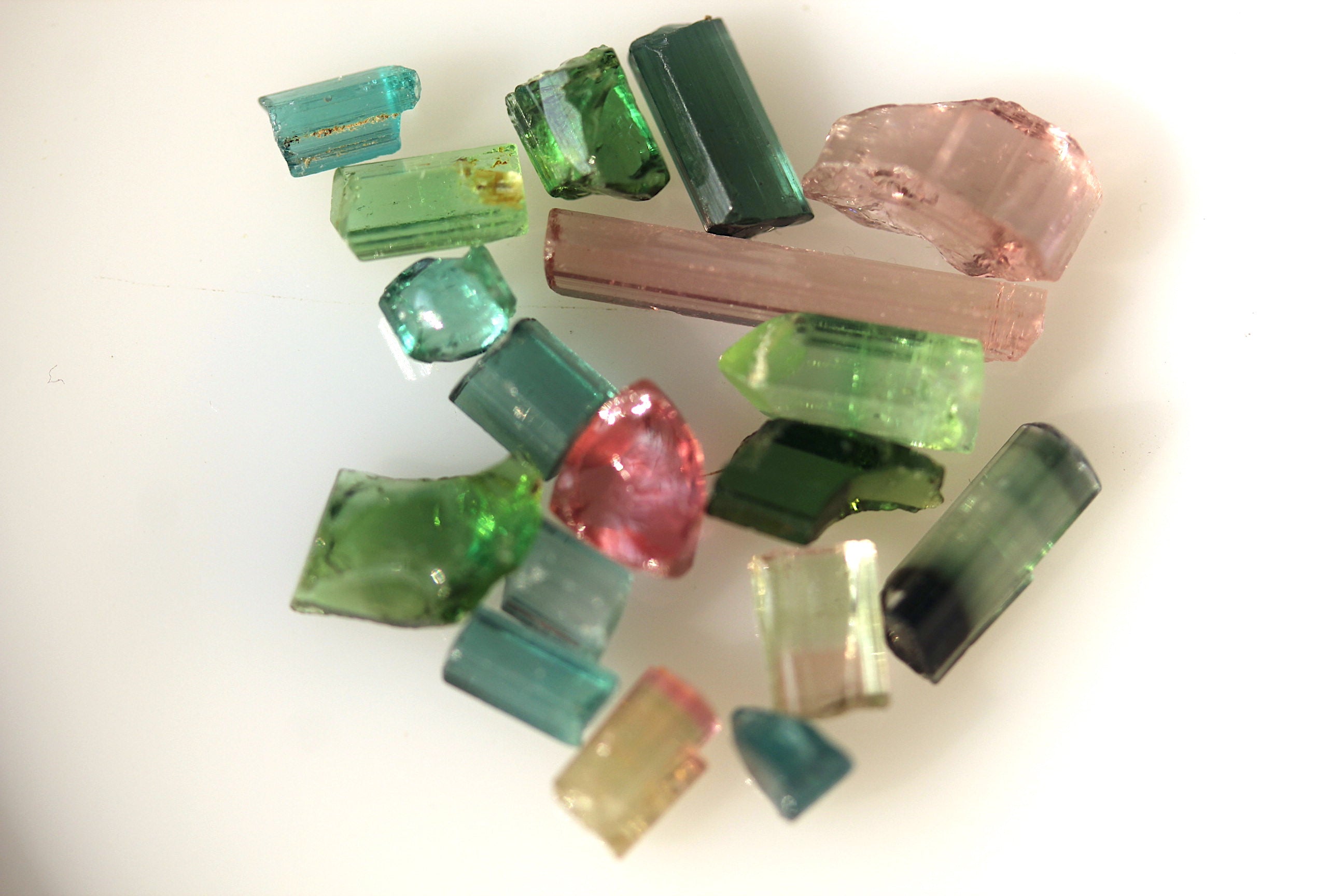
19.80 carats Raw Tourmaline Crystals - Blue, Green, Pink Tourmaline
19.80 carats Raw Tourmaline Crystals - Blue, Green, Pink Tourmaline
$150.00 USDSale price $150.00 USD Regular price -
200 carats Rare indicolite blue pink Raw tourmaline crystals -
215 carats Natural Green Tourmaline Crystals for Lapidary Rough Work 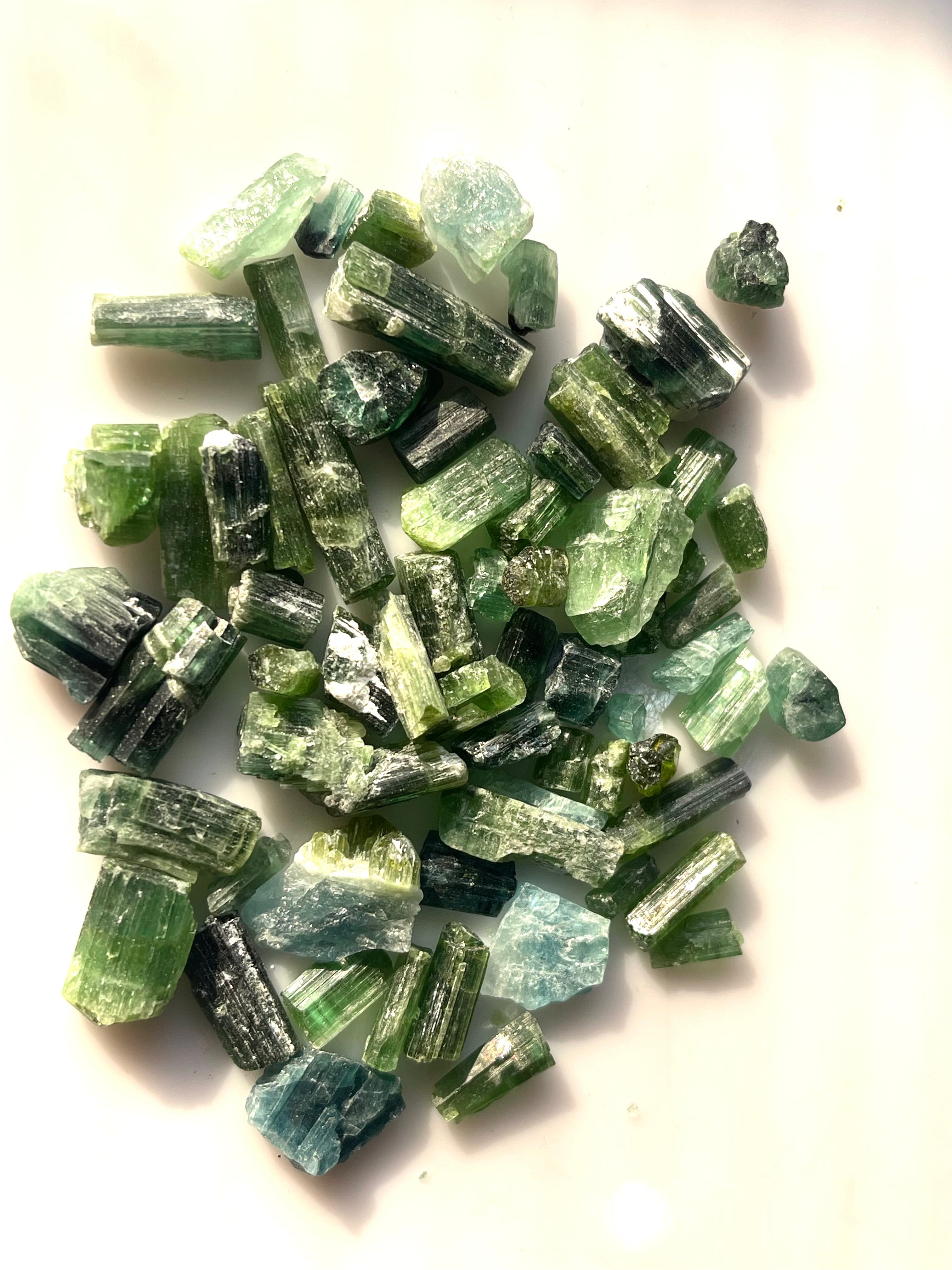
215 carats Natural Green Tourmaline Crystals for Lapidary Rough Work
215 carats Natural Green Tourmaline Crystals for Lapidary Rough Work
$121.00 USDSale price $121.00 USD Regular price -
75 carats Indicolite Blue tourmaline Lapidary Rough -
40 carats green blue tourmaline crystals 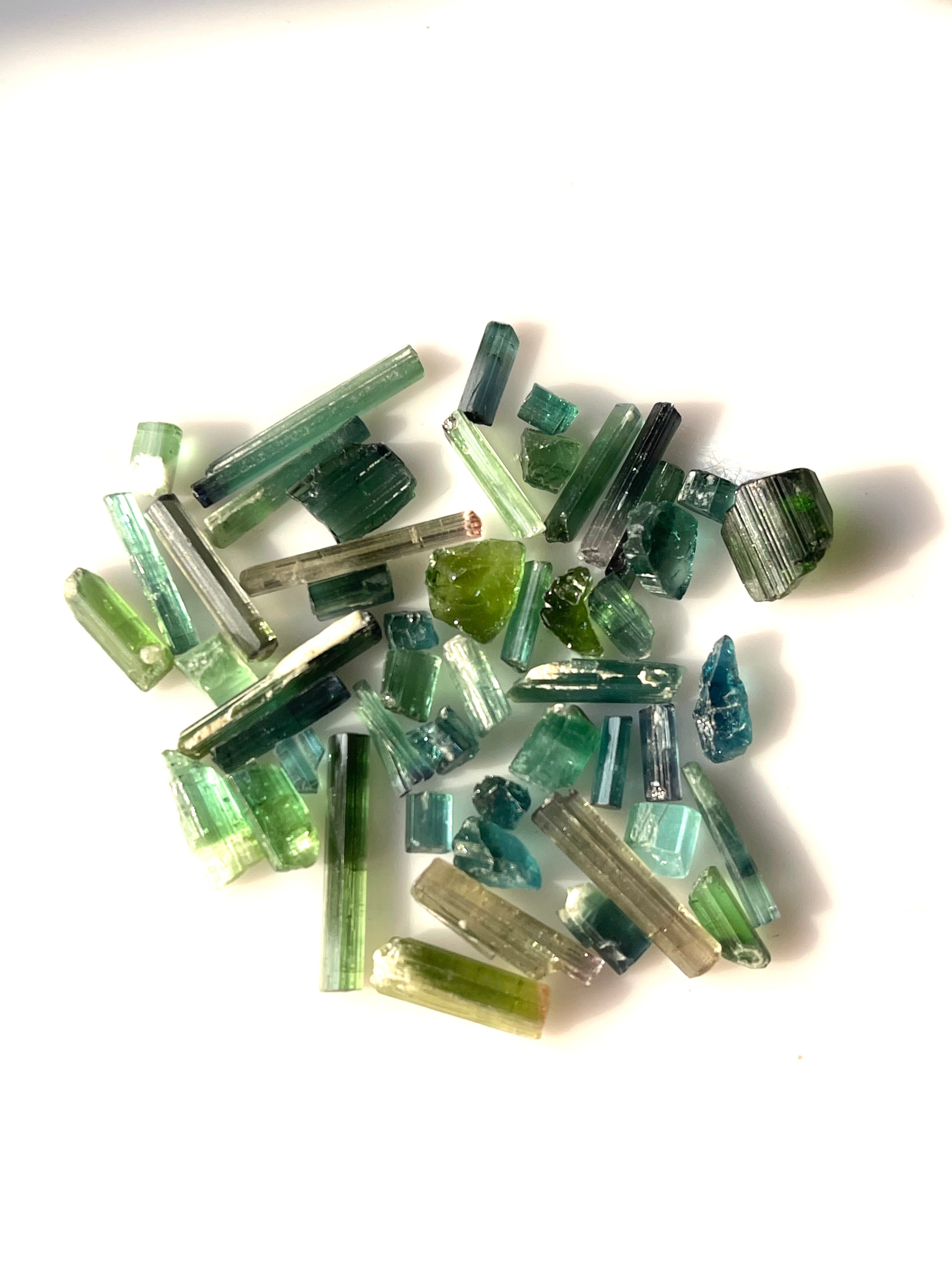
40 carats green blue tourmaline crystals
40 carats green blue tourmaline crystals
$80.00 USDSale price $80.00 USD Regular price -
170 carats Green Tourmaline Raw Crystals for Faceting 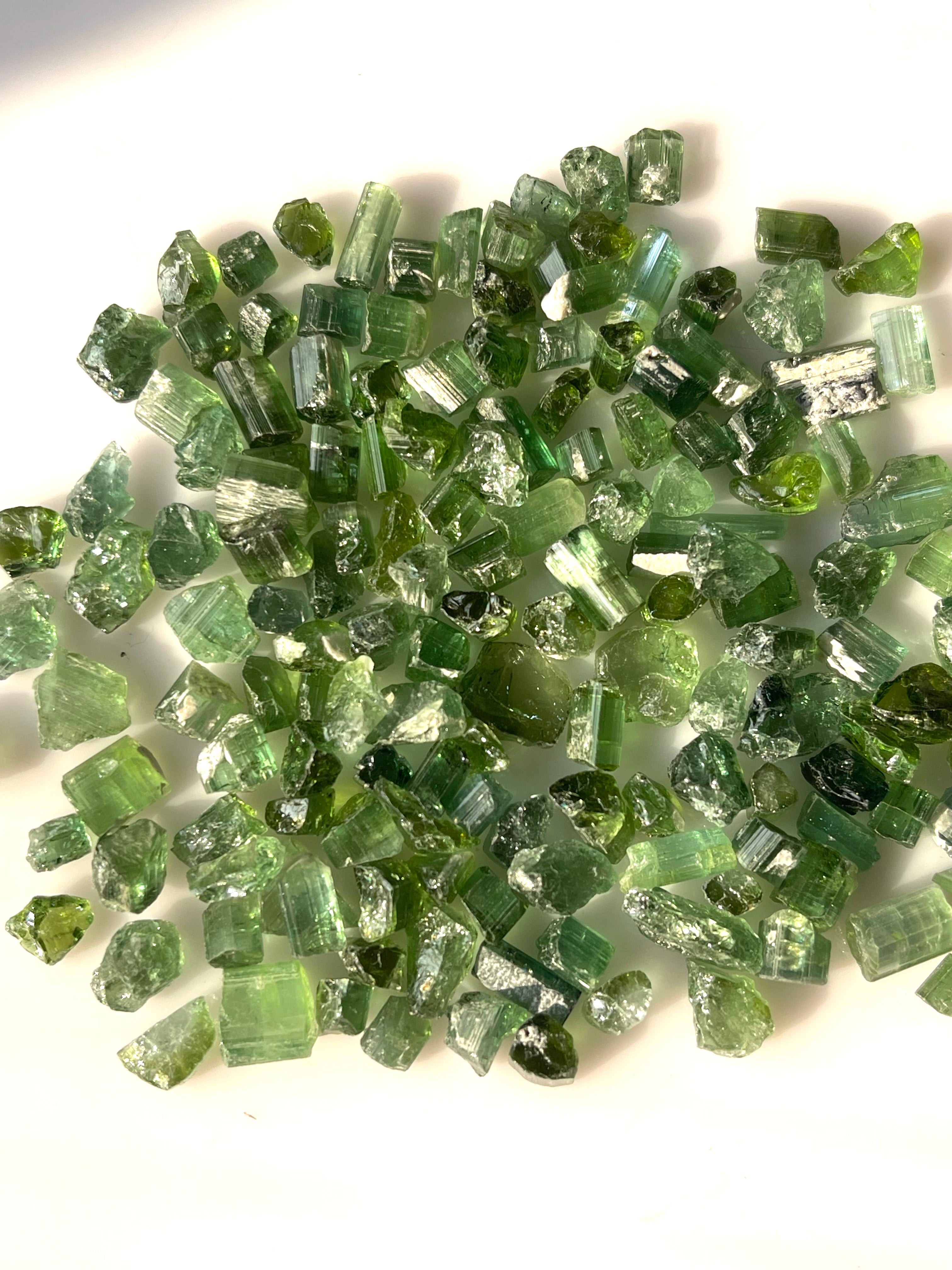
170 carats Green Tourmaline Raw Crystals for Faceting
170 carats Green Tourmaline Raw Crystals for Faceting
$220.00 USDSale price $220.00 USD Regular price -
80 carats Green Blue rough tourmaline crystals 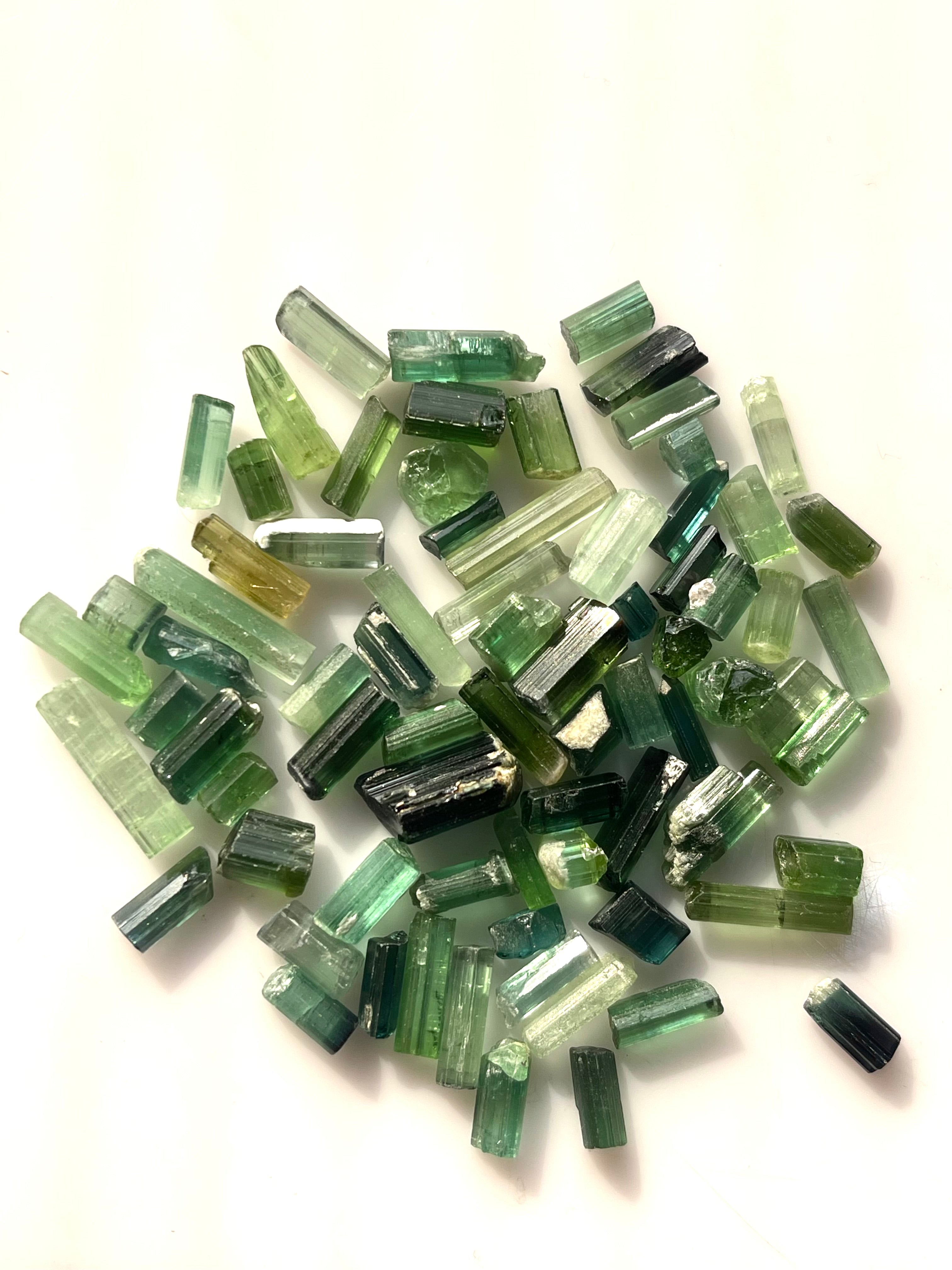
80 carats Green Blue rough tourmaline crystals
80 carats Green Blue rough tourmaline crystals
$100.00 USDSale price $100.00 USD Regular price -
170 carats Pink Green Tourmaline Raw crystals 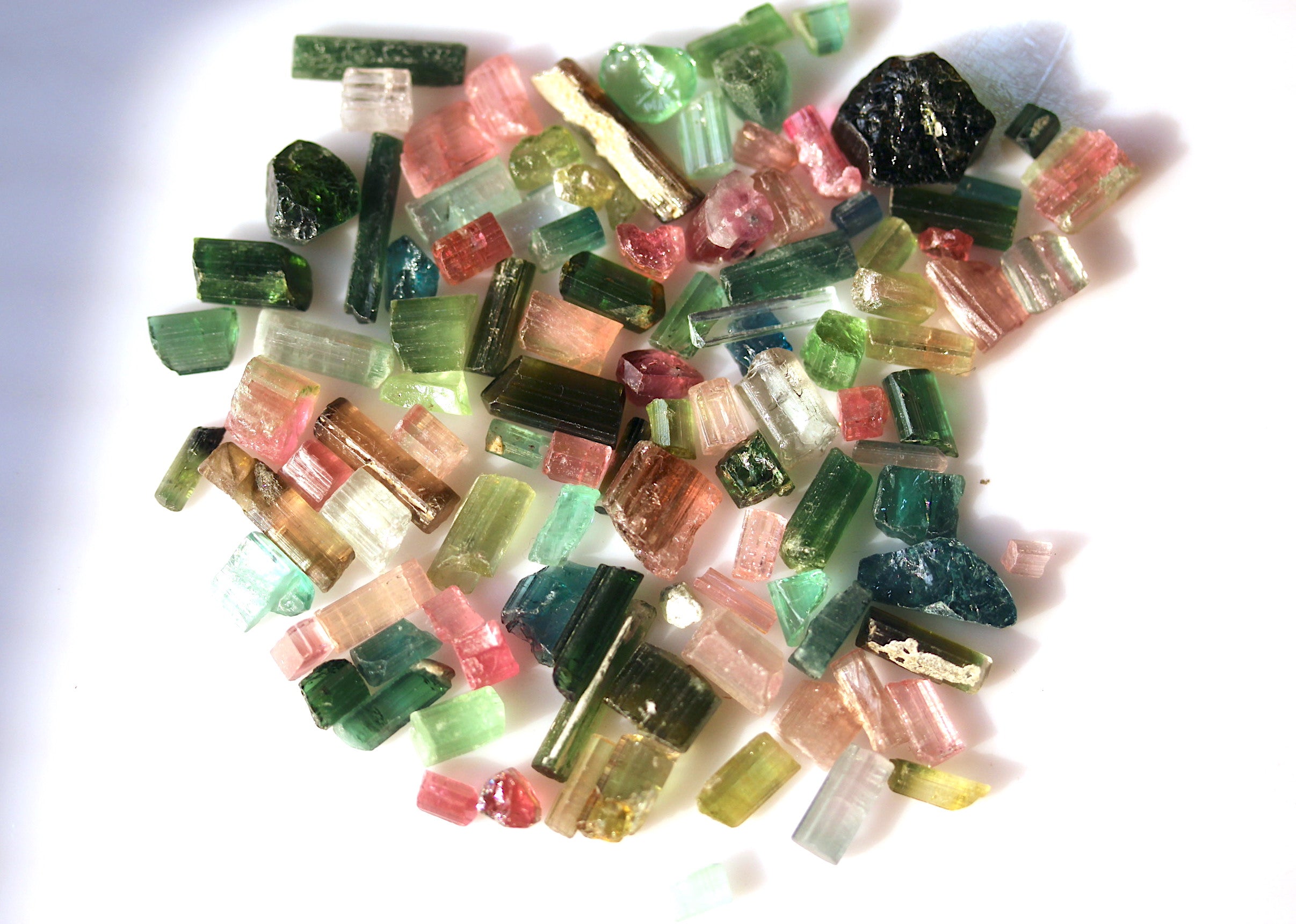
170 carats Pink Green Tourmaline Raw crystals
170 carats Pink Green Tourmaline Raw crystals
$200.00 USDSale price $200.00 USD Regular price -
25 carats Raw Tourmaline Crystals for Faceting -
110 carats Green Pink Tourmaline Raw Crystals -
140 carats Green Pink Tourmaline Rough Crystals -
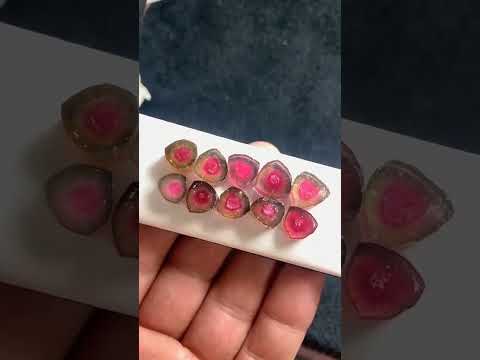
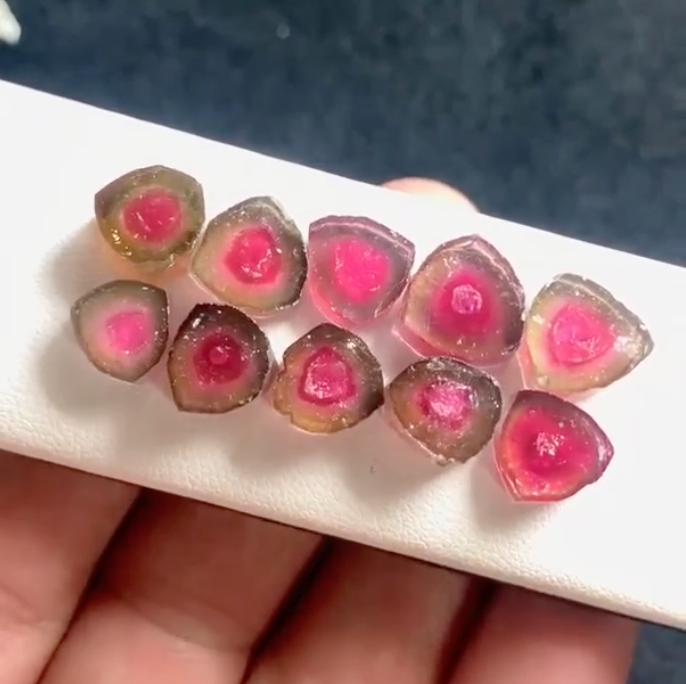
50 carats Watermelon Tourmaline Slices | Green Tourmaline | Pink Tourmaline 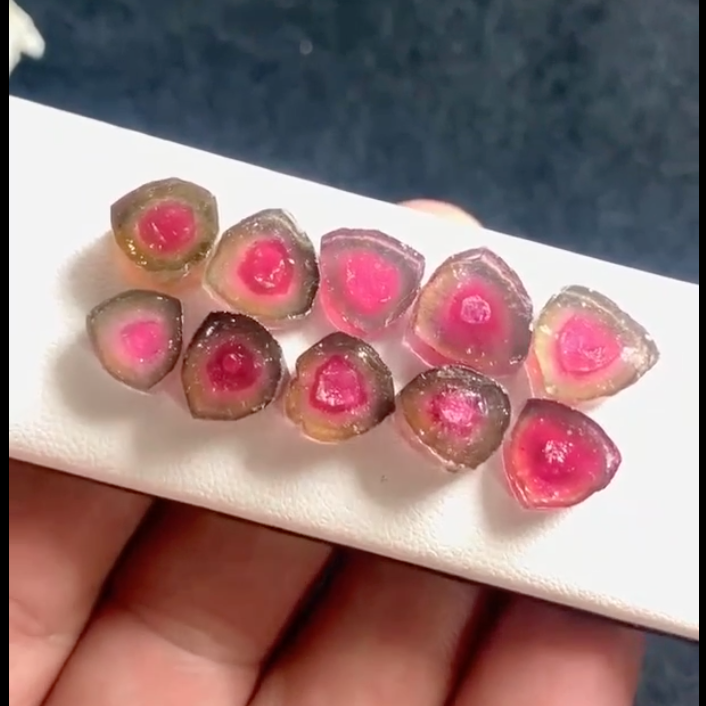
50 carats Watermelon Tourmaline Slices | Green Tourmaline | Pink Tourmaline
50 carats Watermelon Tourmaline Slices | Green Tourmaline | Pink Tourmaline
$950.00 USDSale price $950.00 USD Regular price -
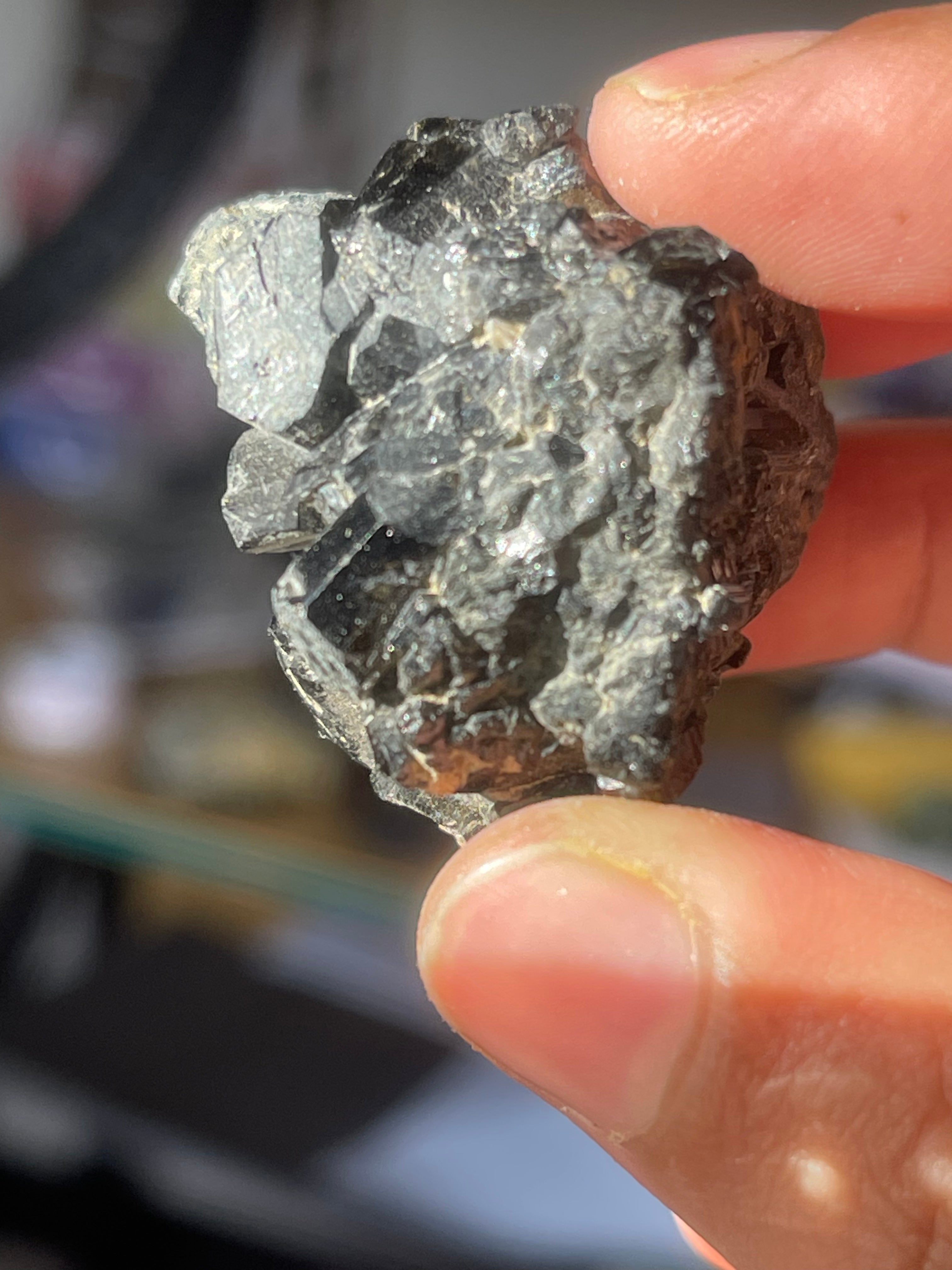
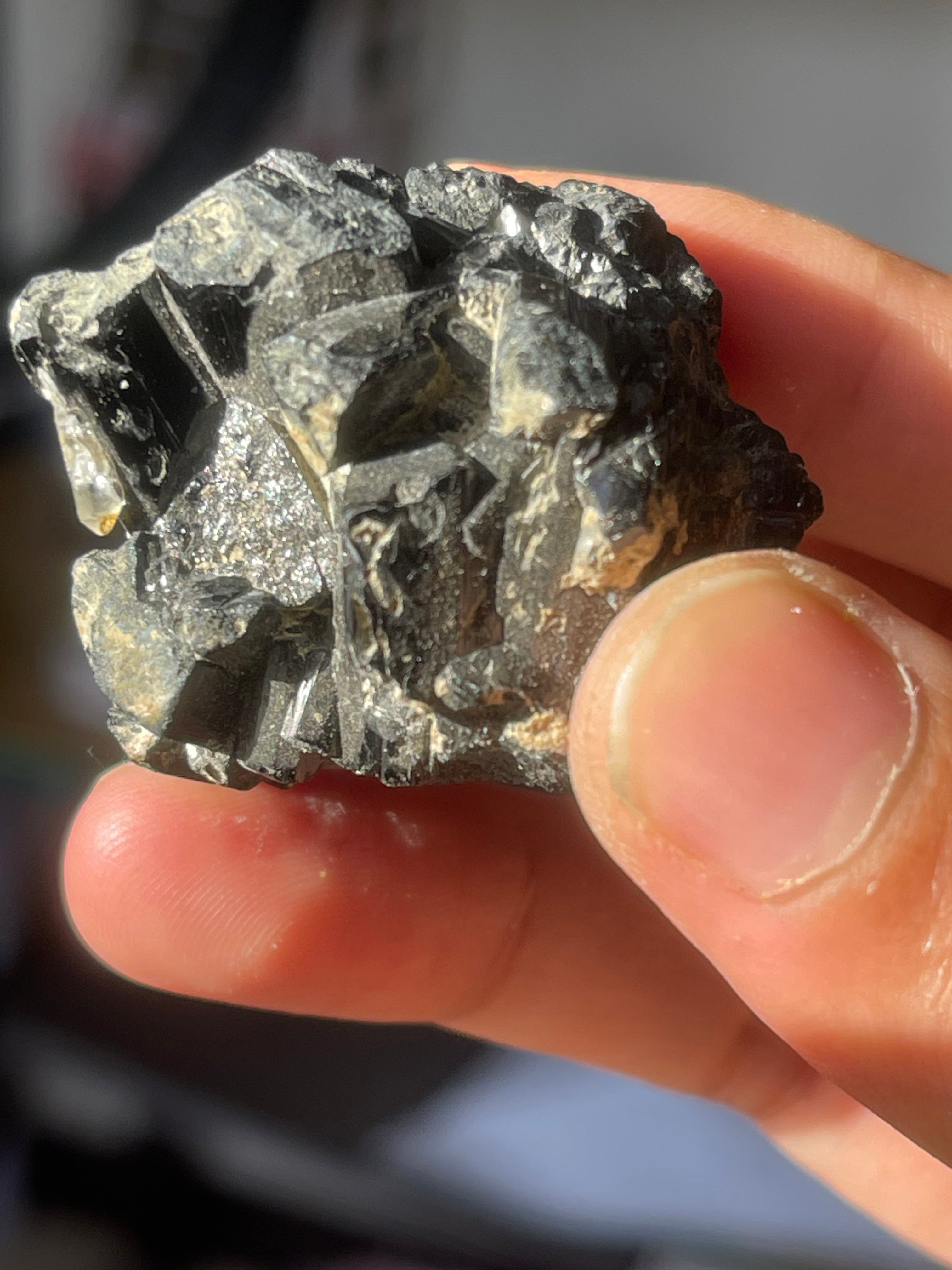
Black Tourmaline small specimen from Skardu Pakistan 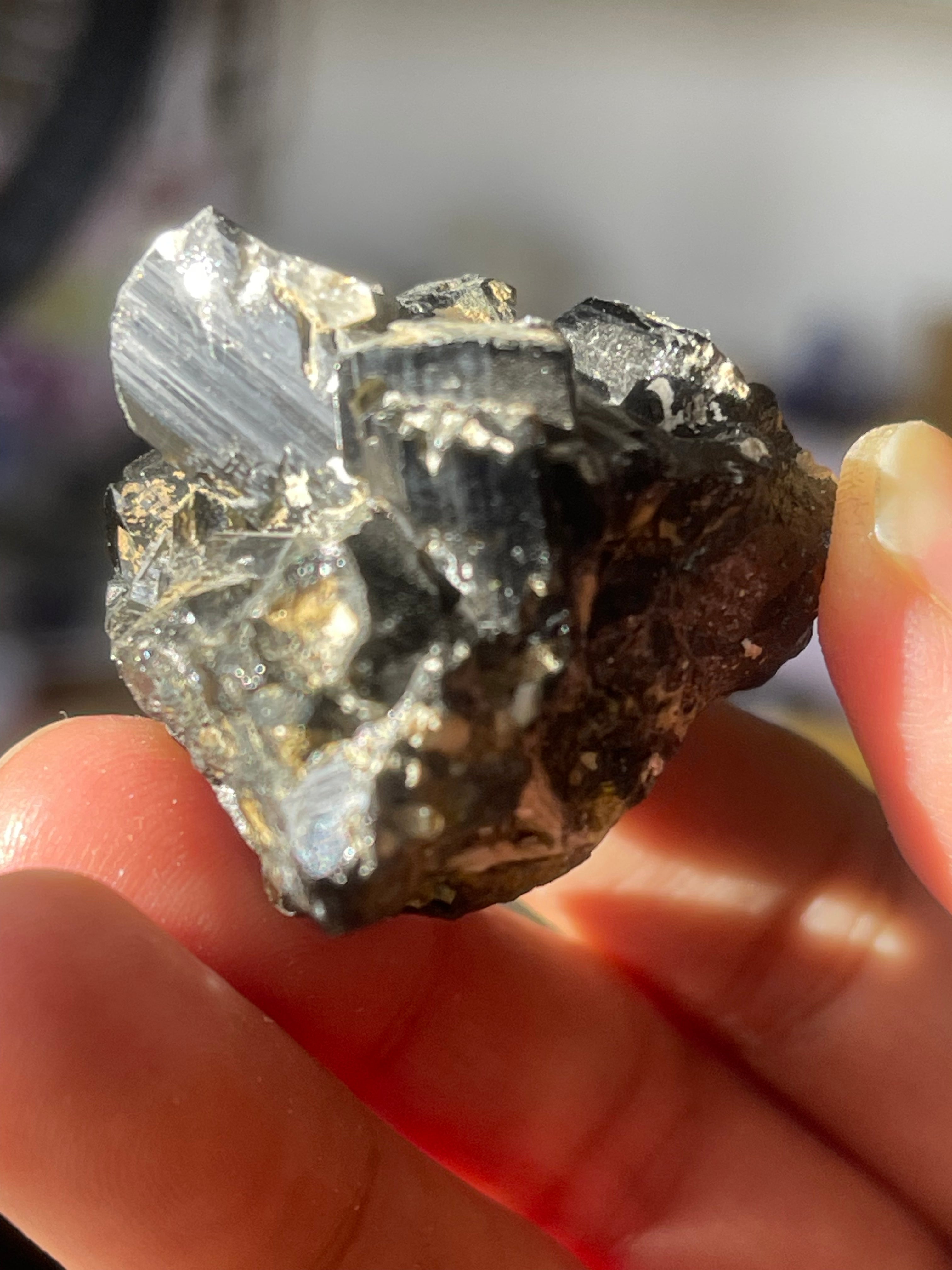
Black Tourmaline small specimen from Skardu Pakistan
Black Tourmaline small specimen from Skardu Pakistan
$30.00 USDSale price $30.00 USD Regular price -
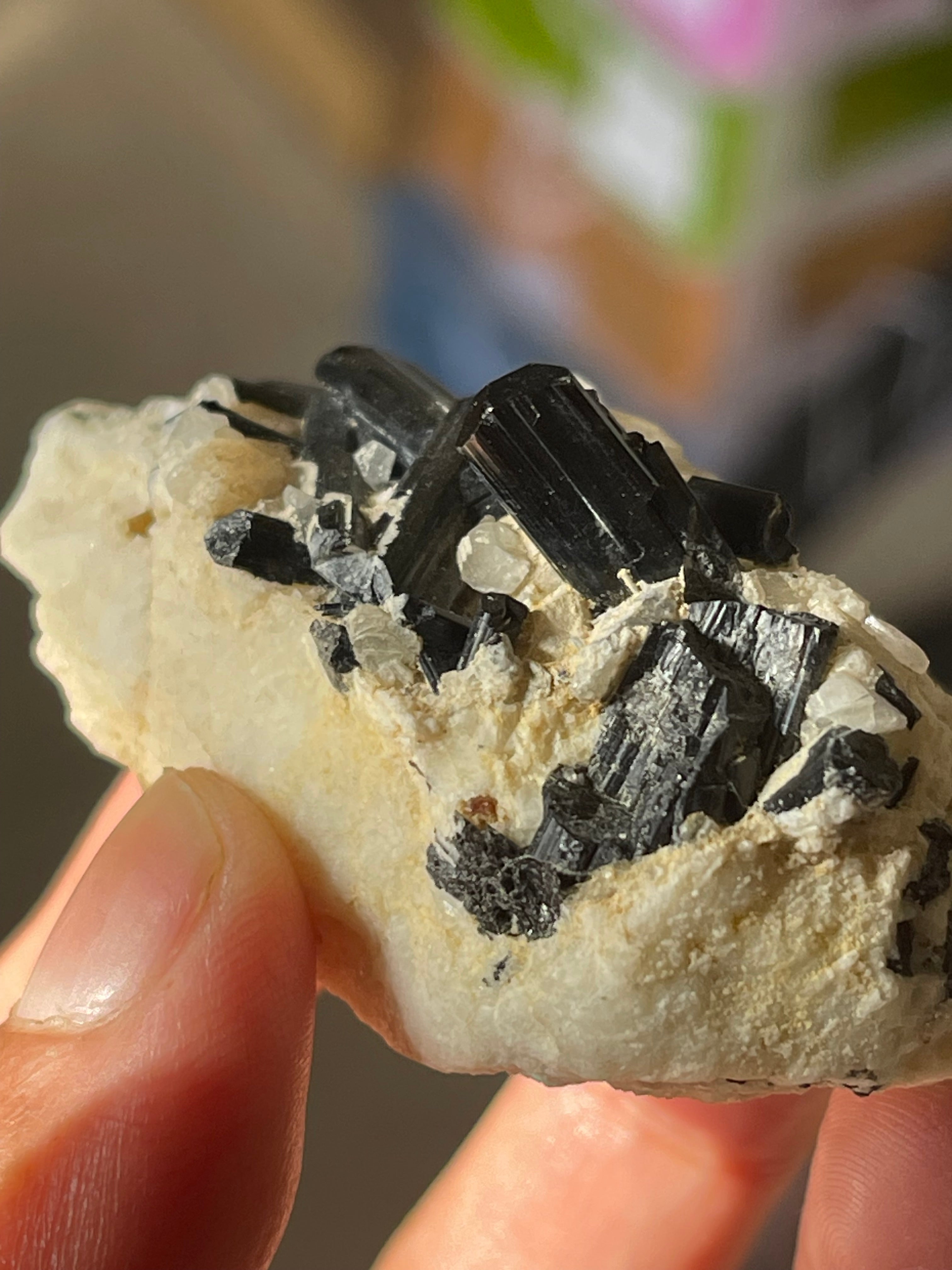
18.6 grams Black Tourmaline on Feldspar from Skardu Pakistan 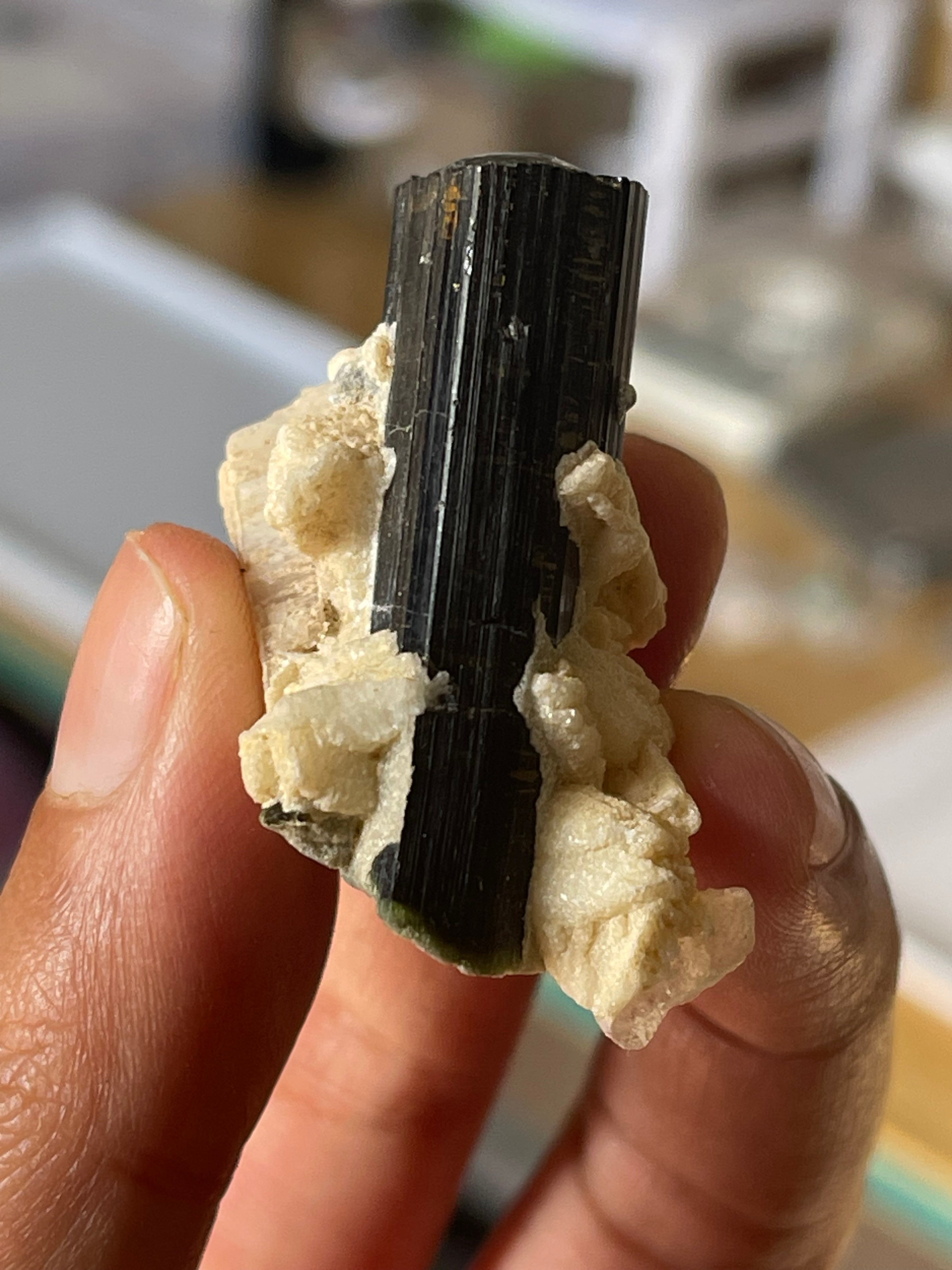
18.6 grams Black Tourmaline on Feldspar from Skardu Pakistan
18.6 grams Black Tourmaline on Feldspar from Skardu Pakistan
$30.00 USDSale price $30.00 USD Regular price -
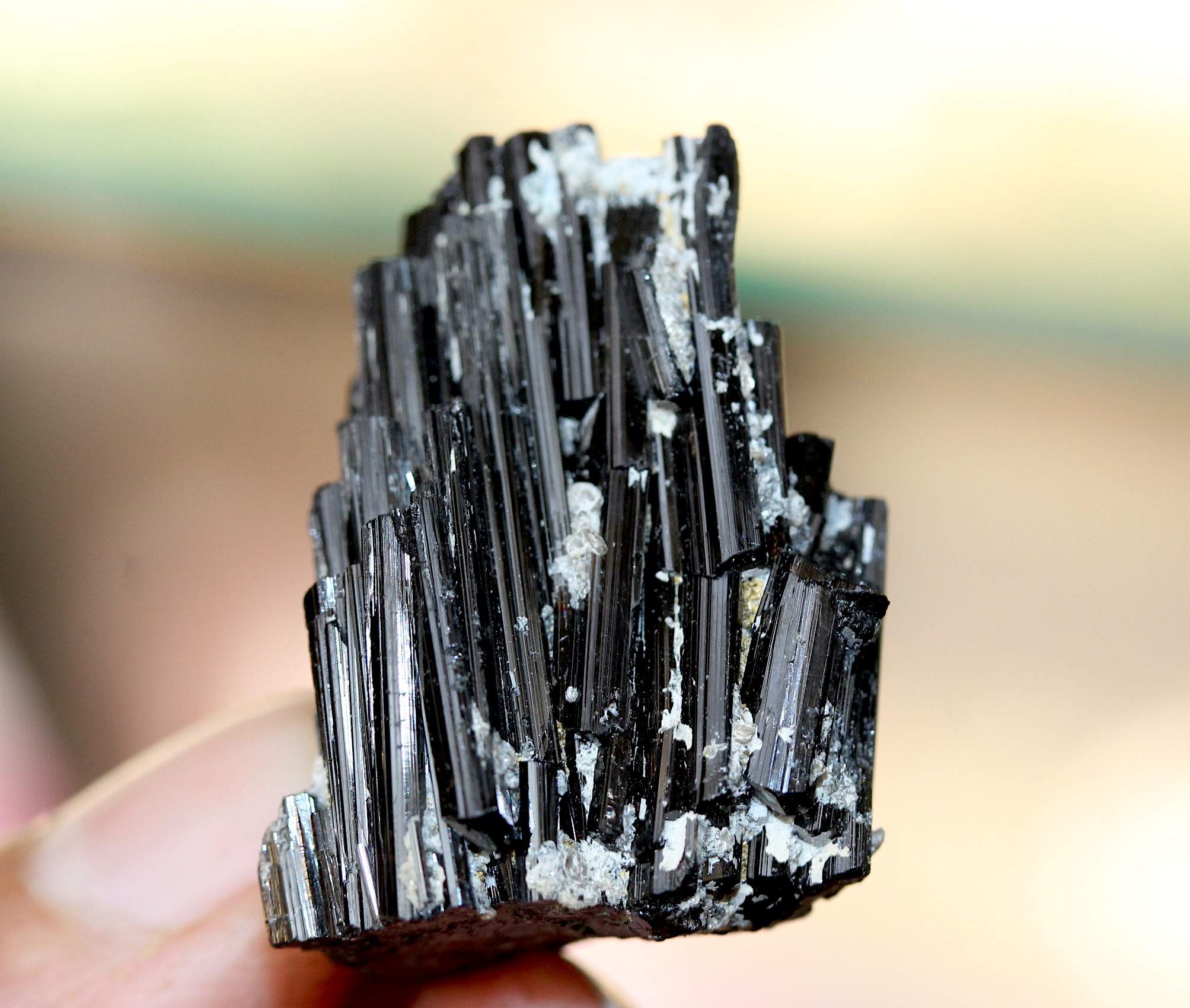
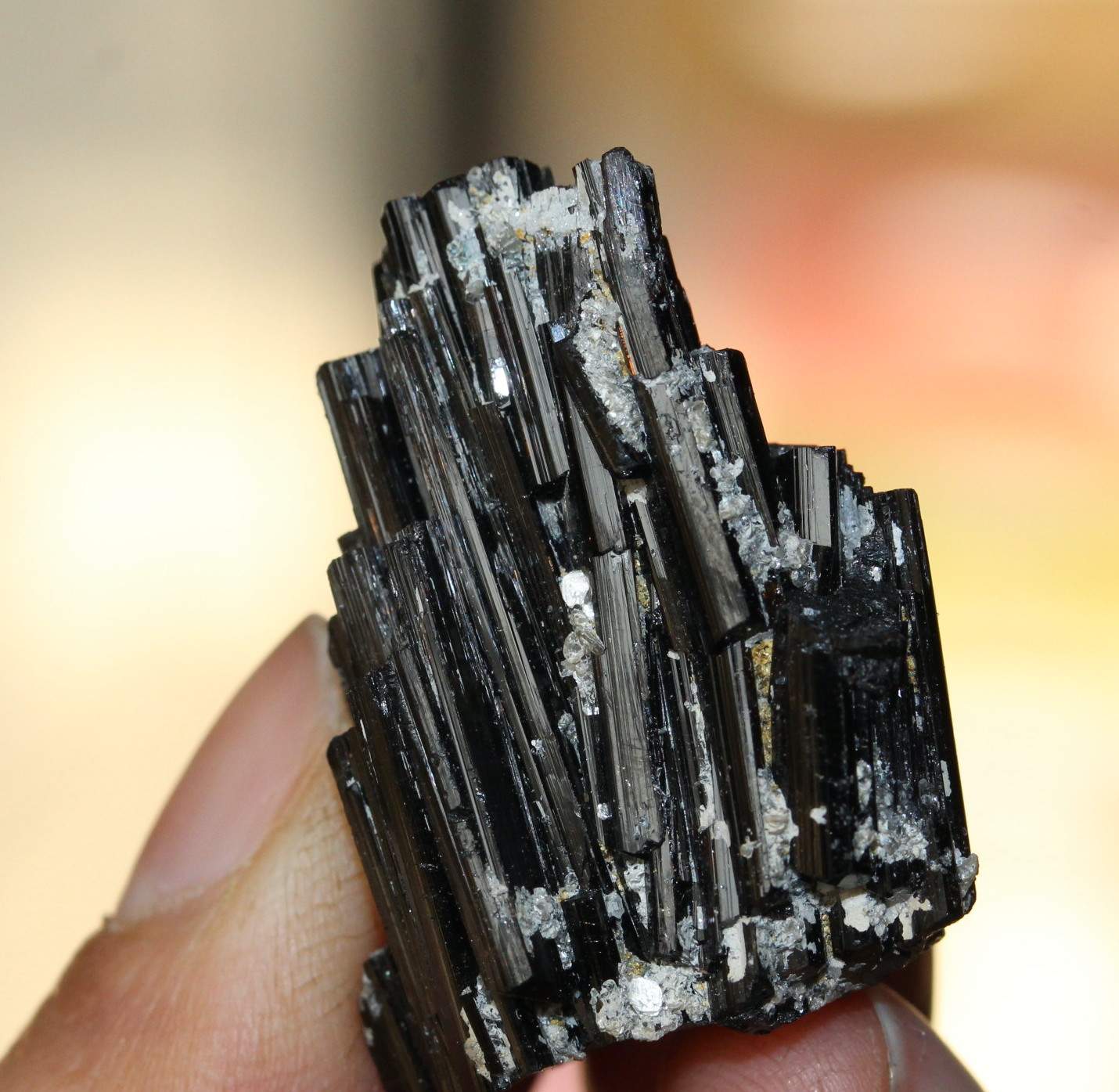
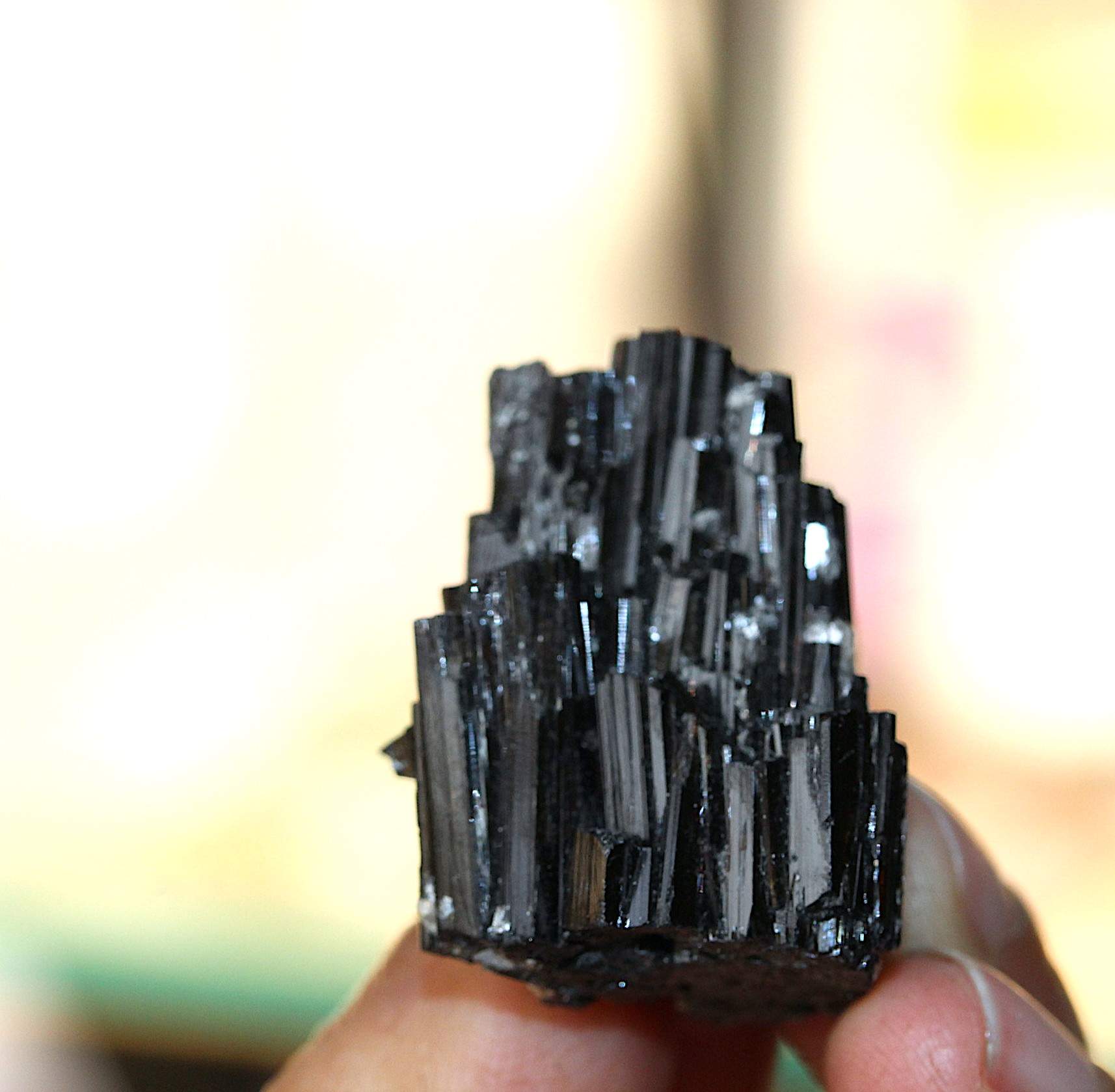
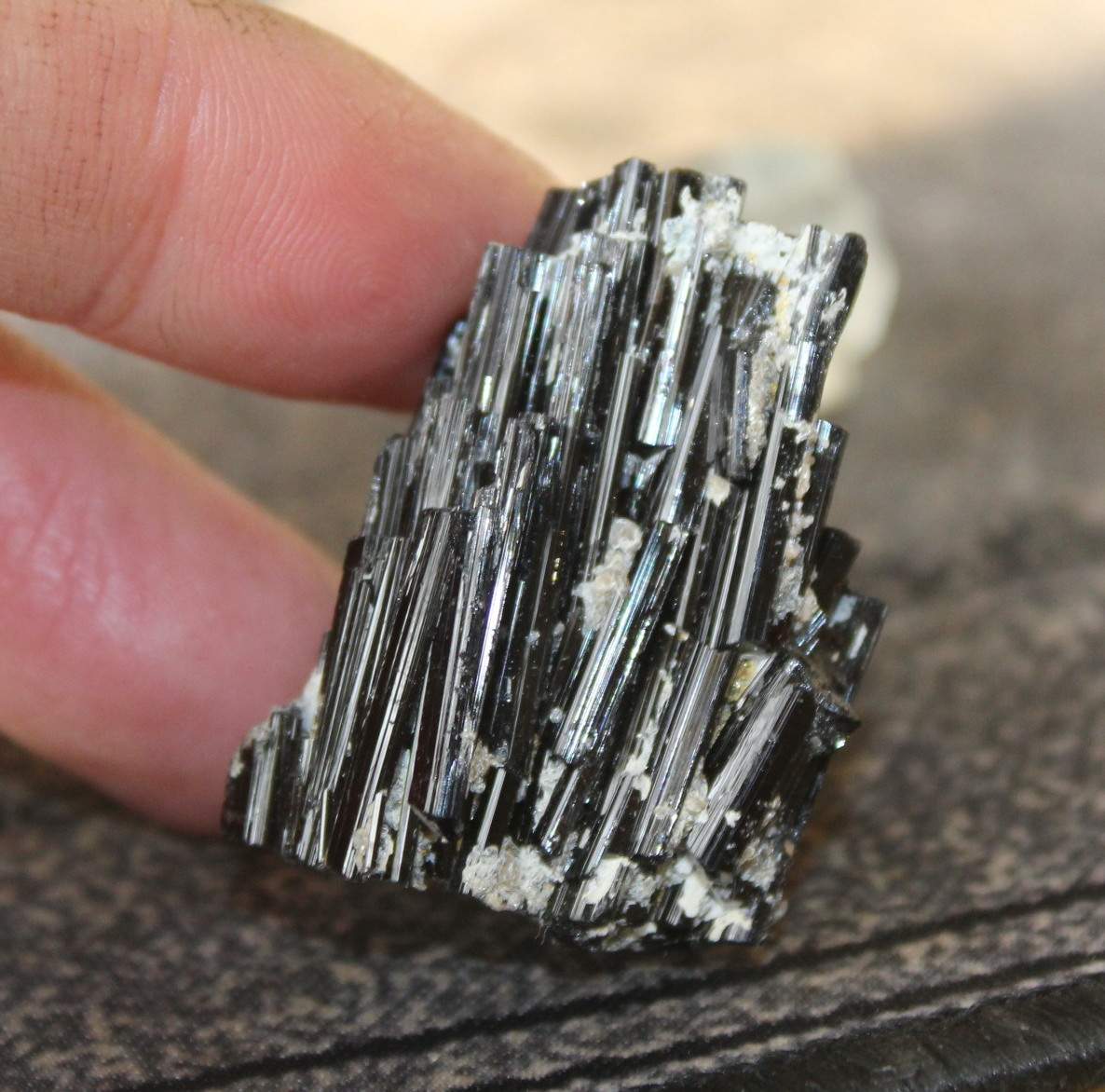
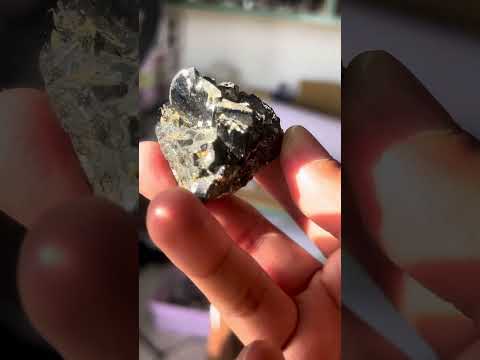
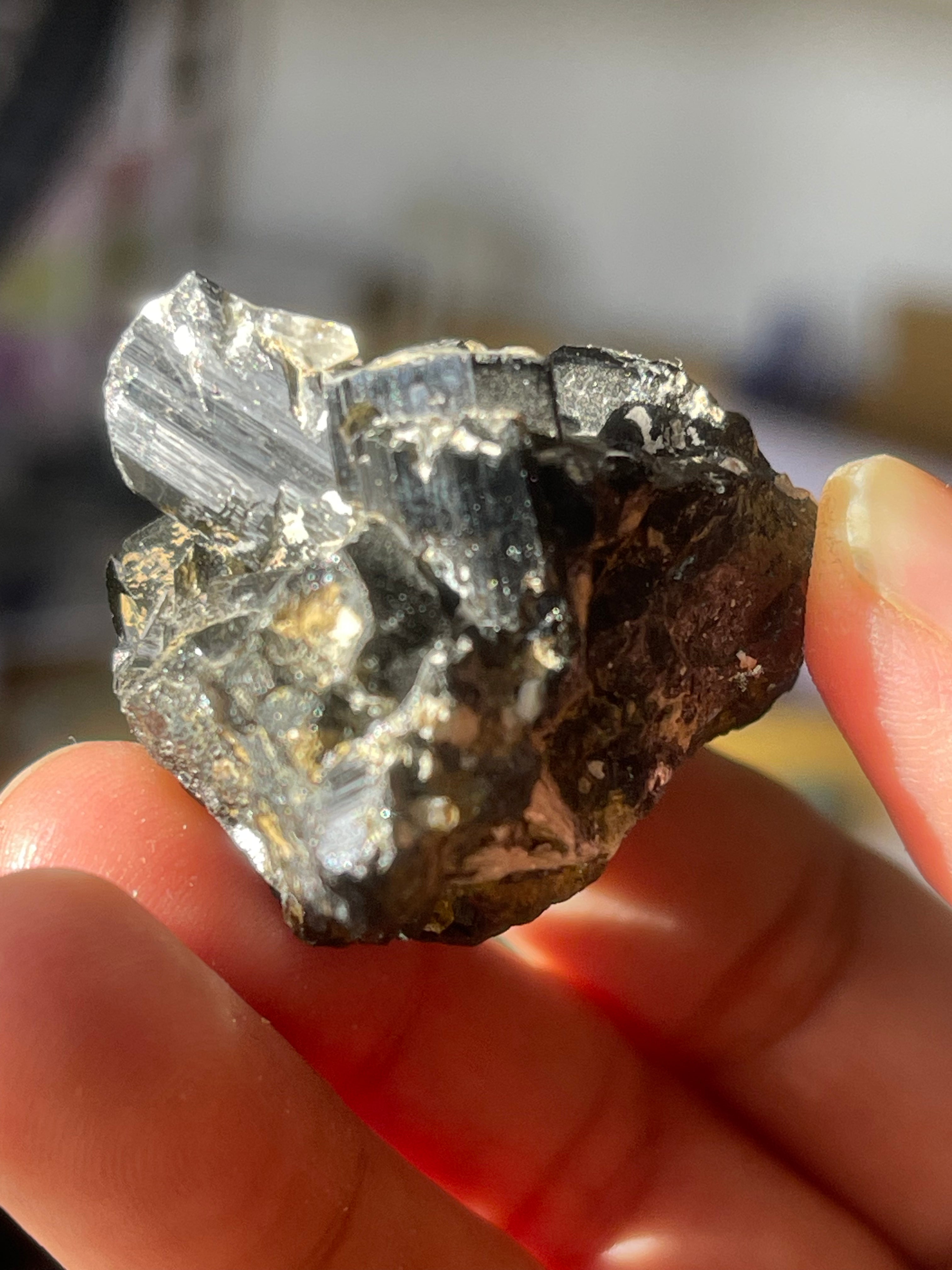
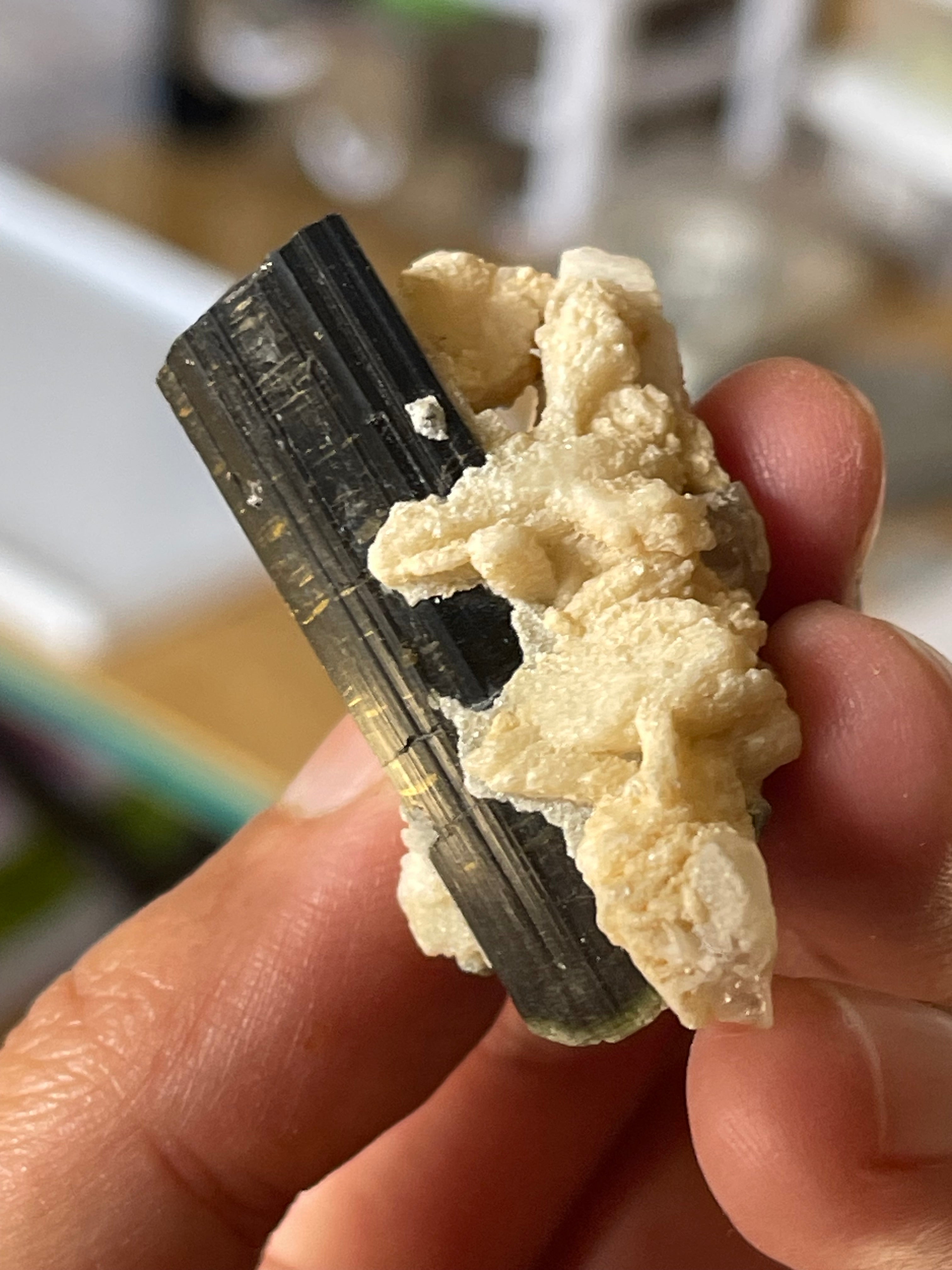
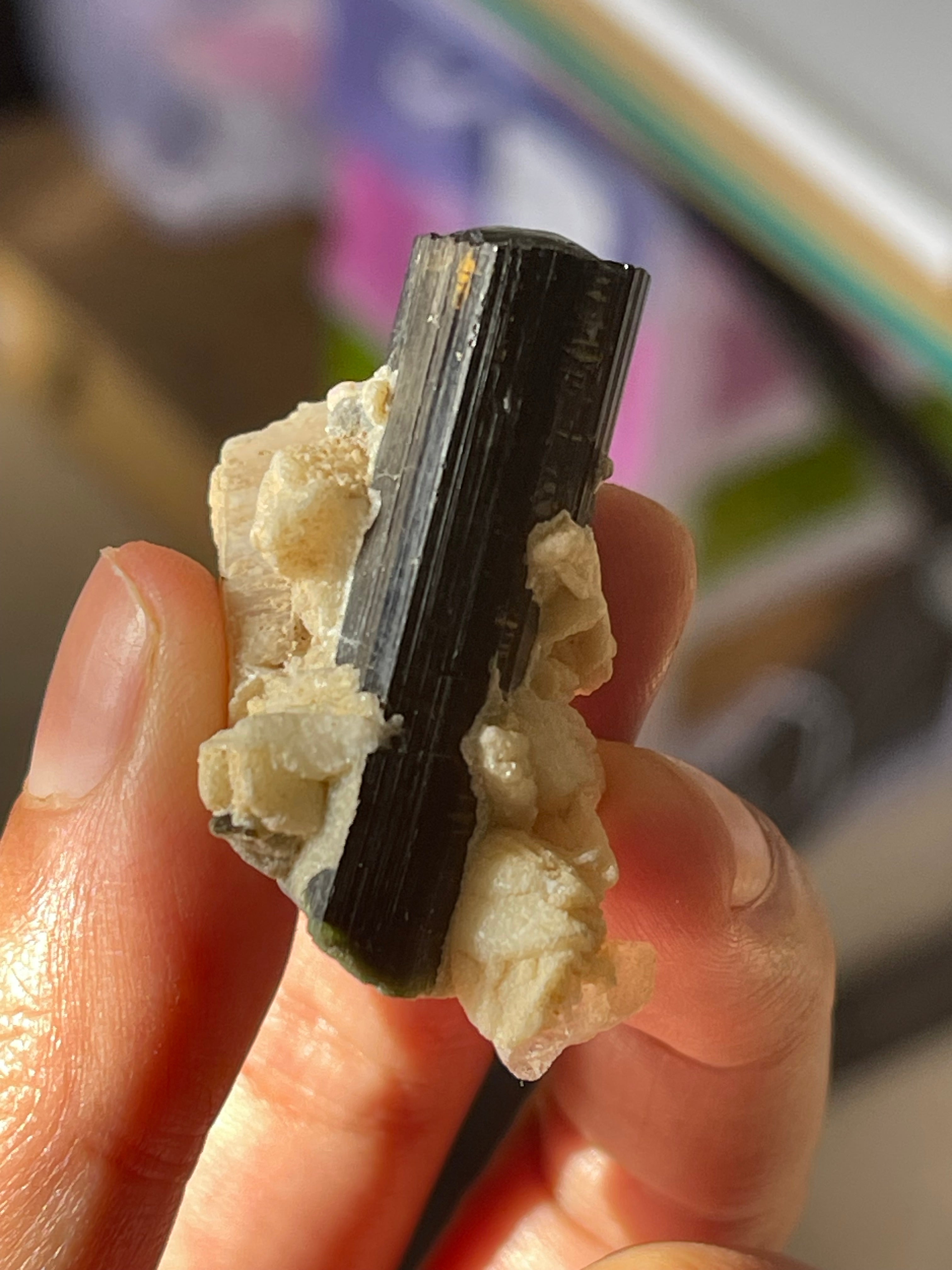
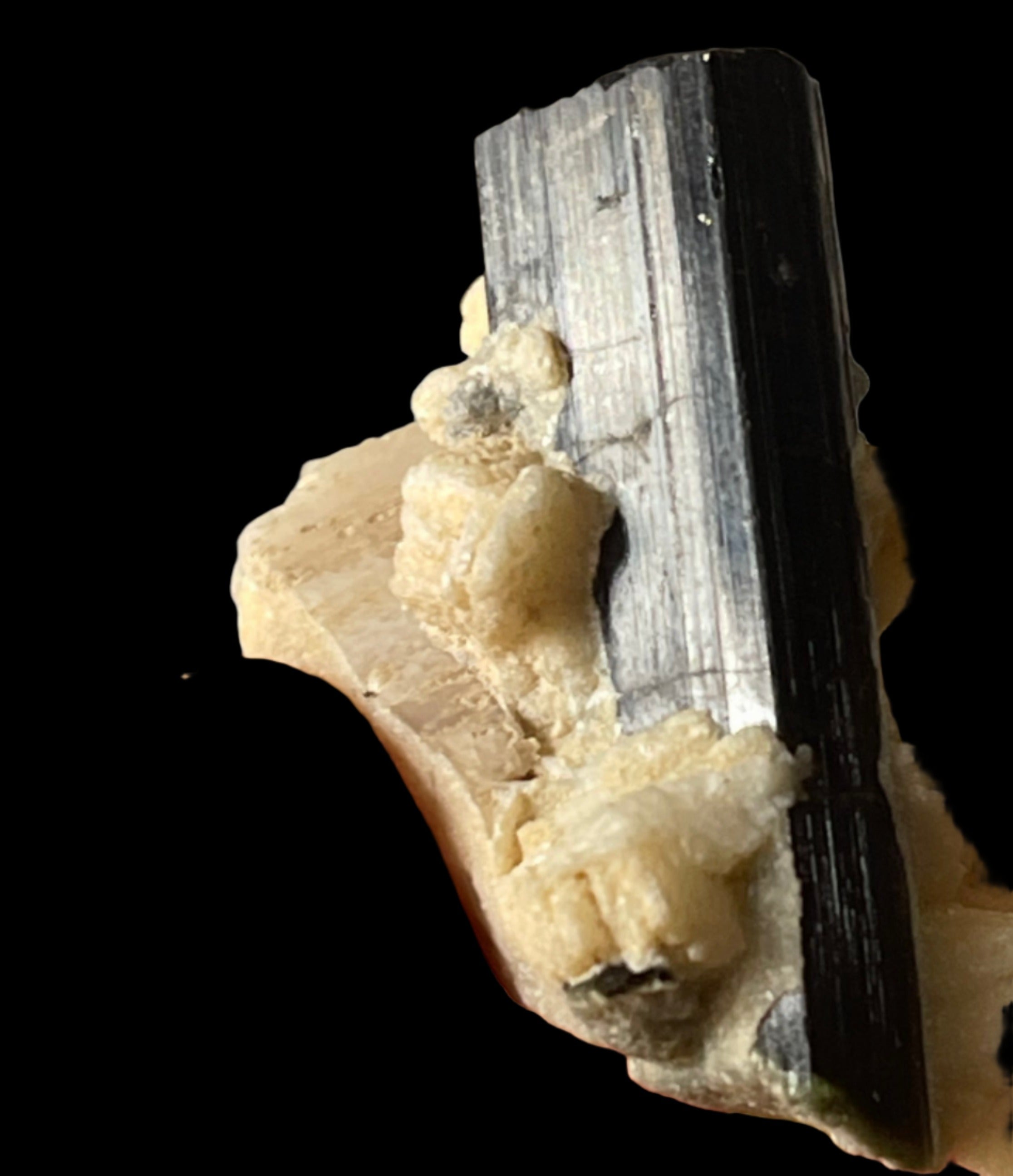
70.90 grams Black Tourmaline crystal on Feldespar 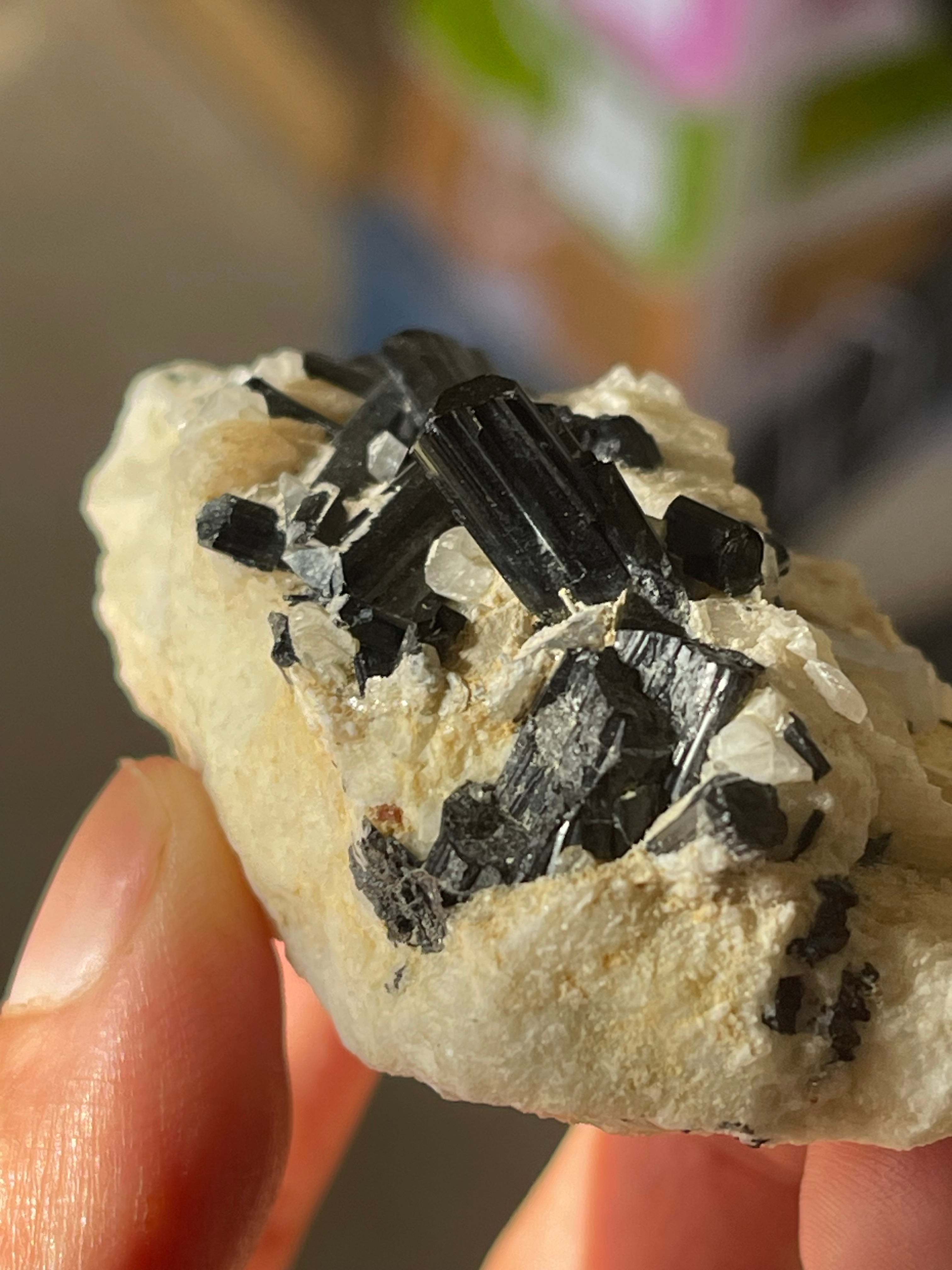
70.90 grams Black Tourmaline crystal on Feldespar
70.90 grams Black Tourmaline crystal on Feldespar
$80.00 USDSale price $80.00 USD Regular price


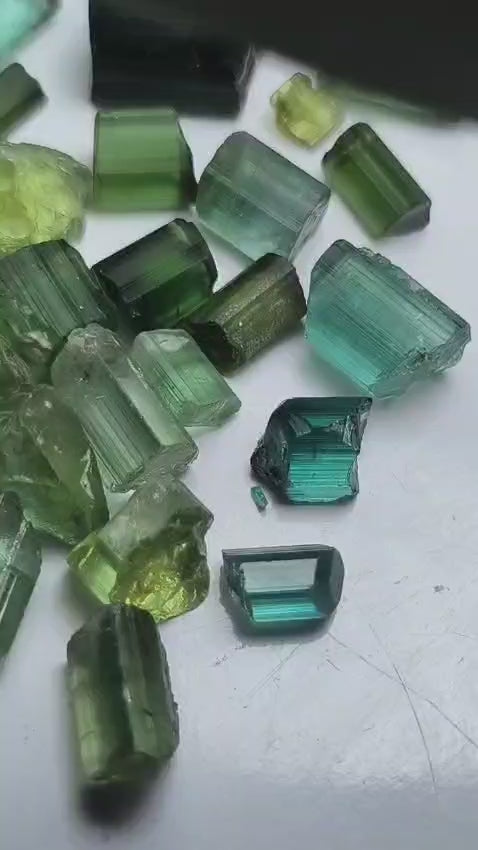
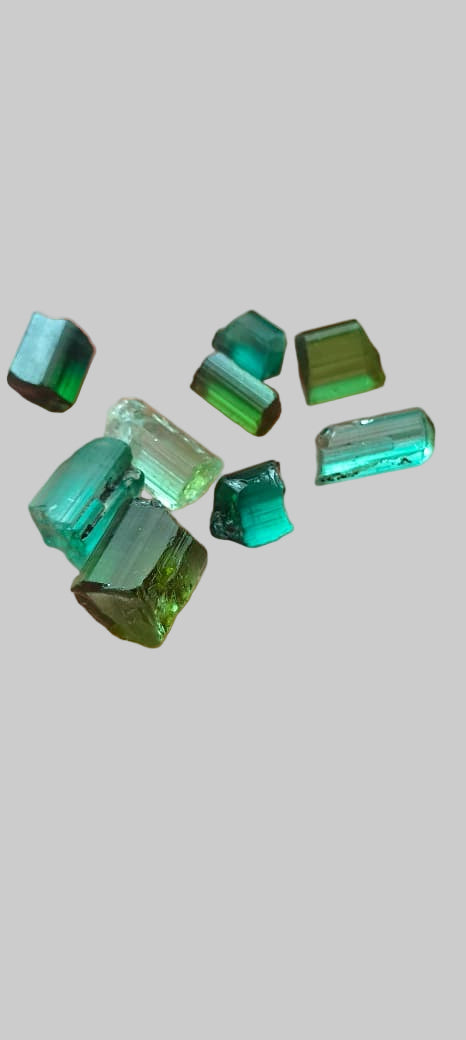
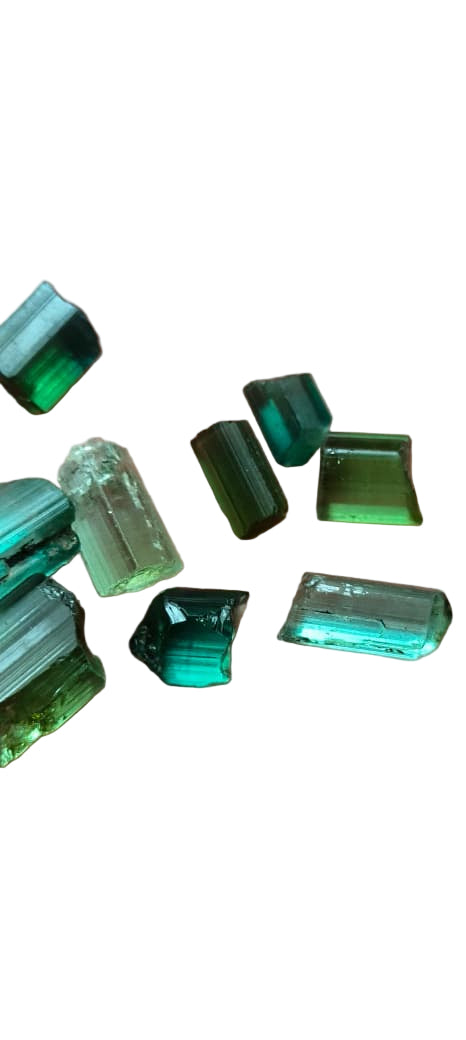
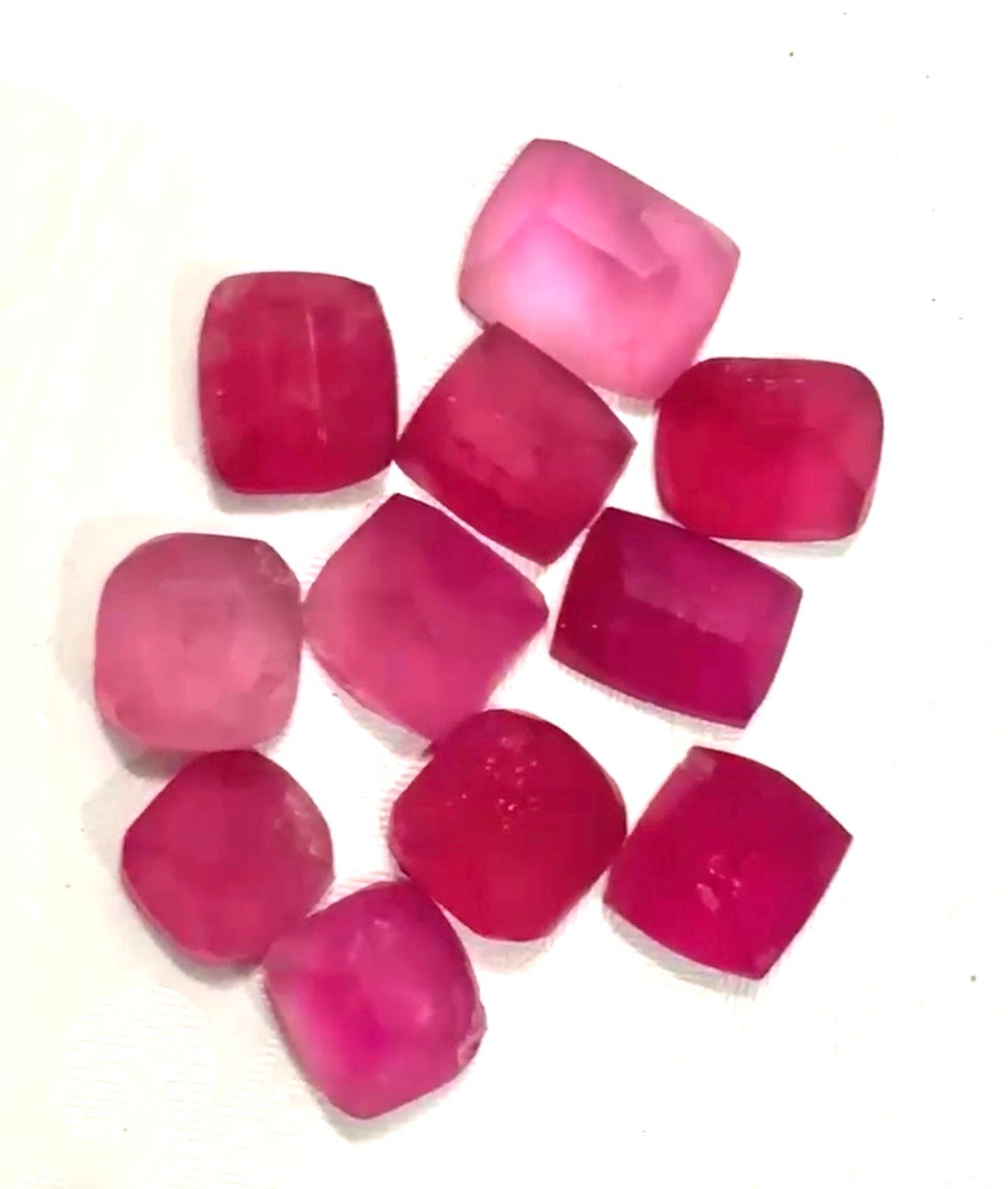
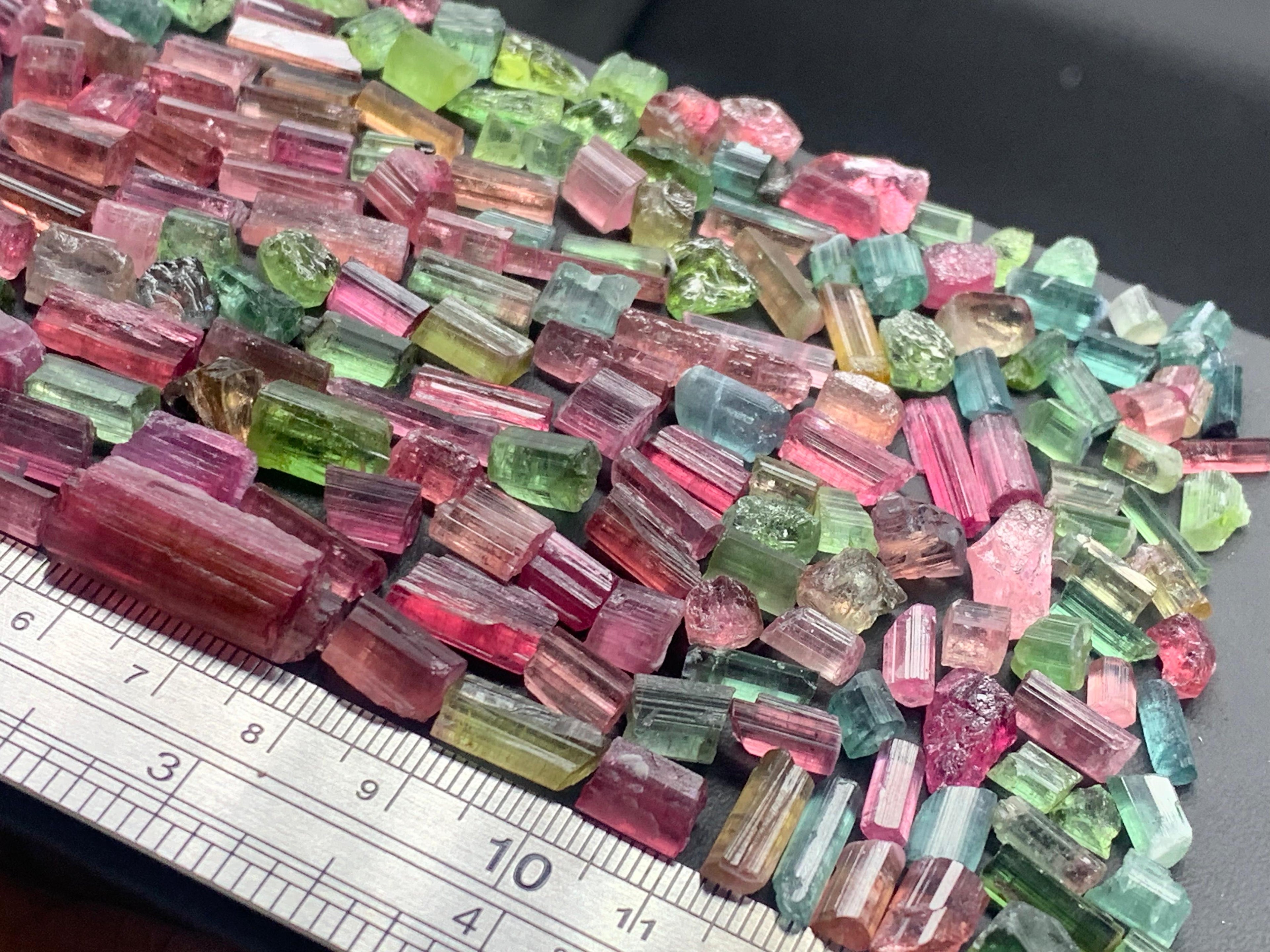
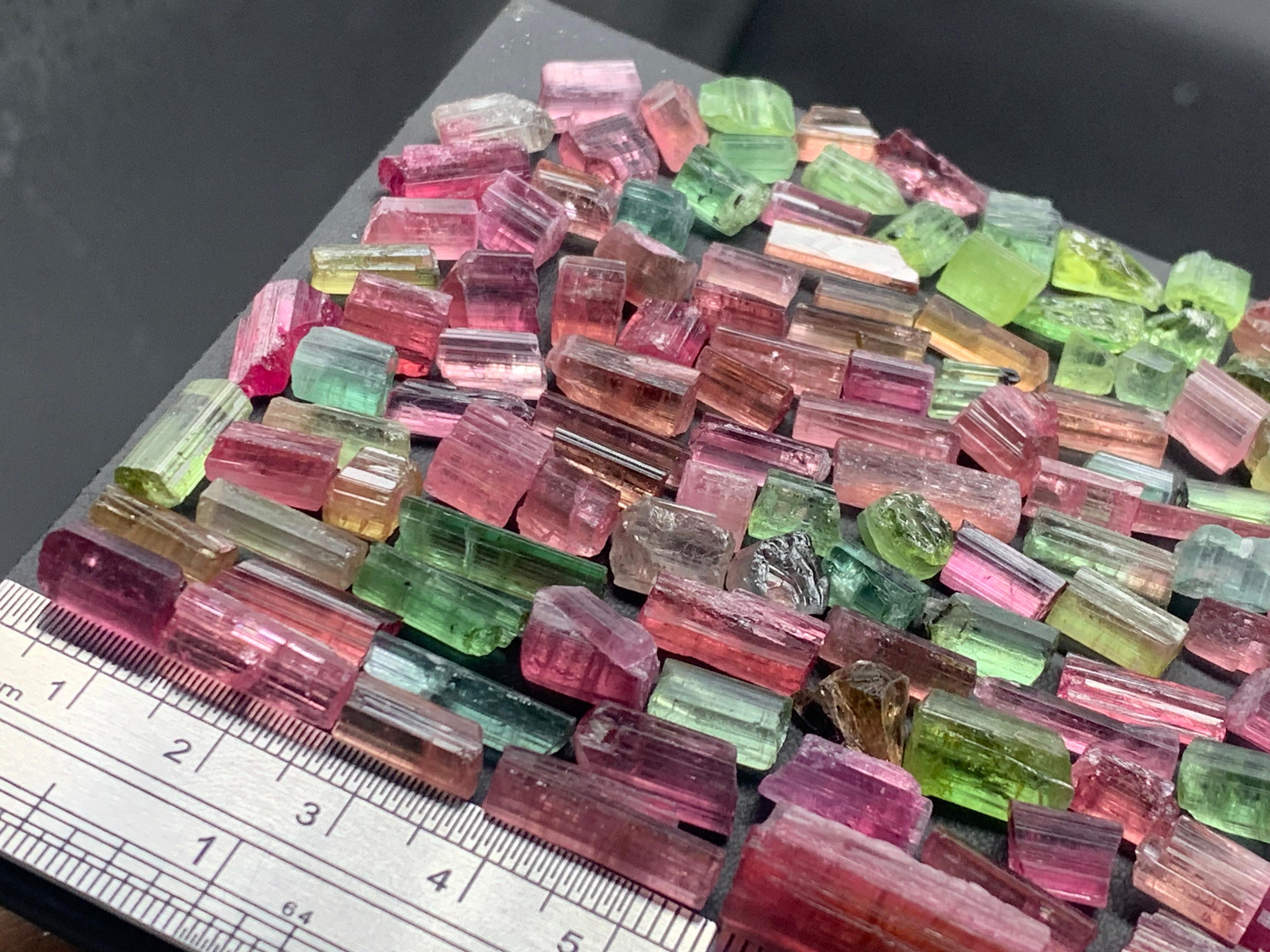
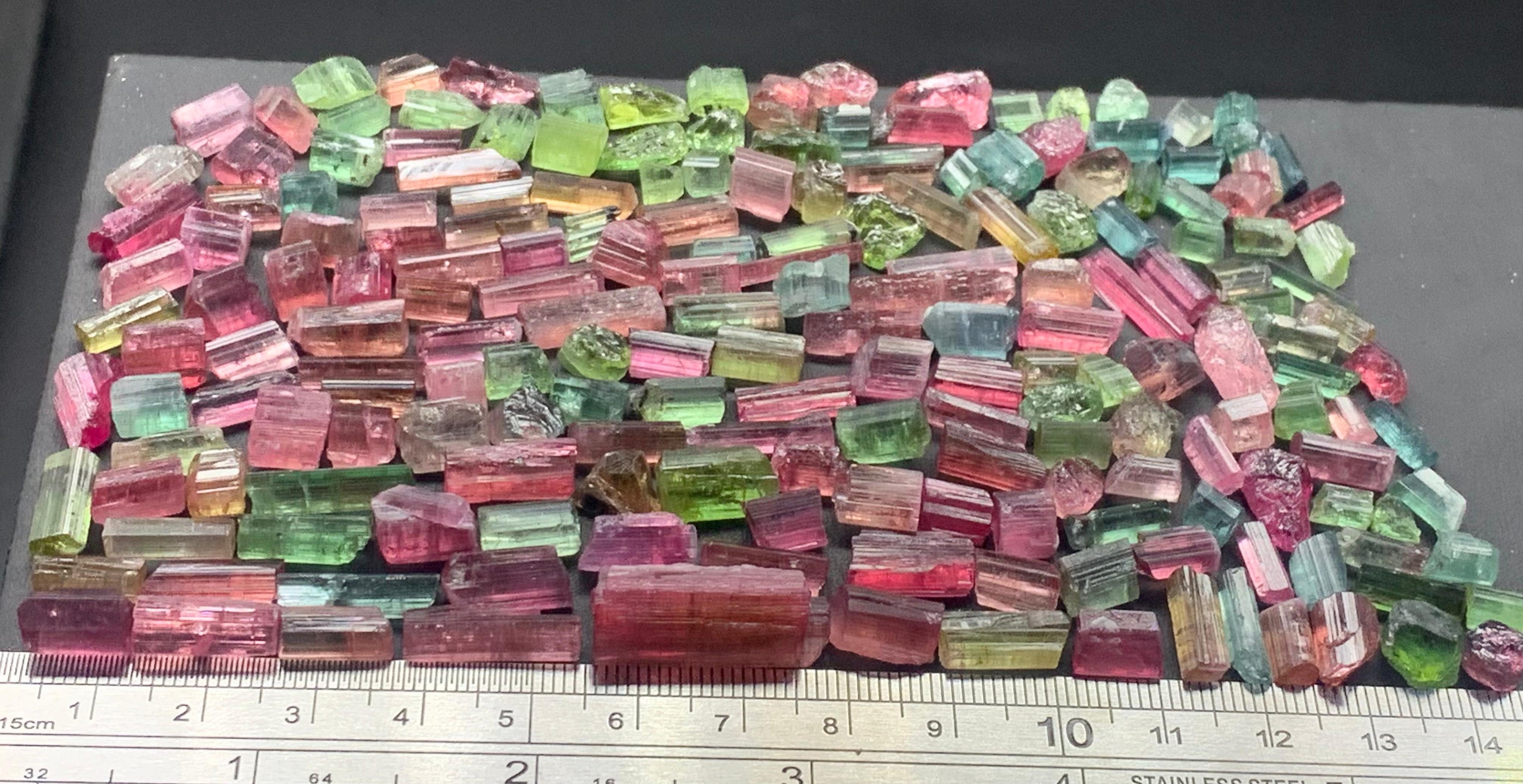
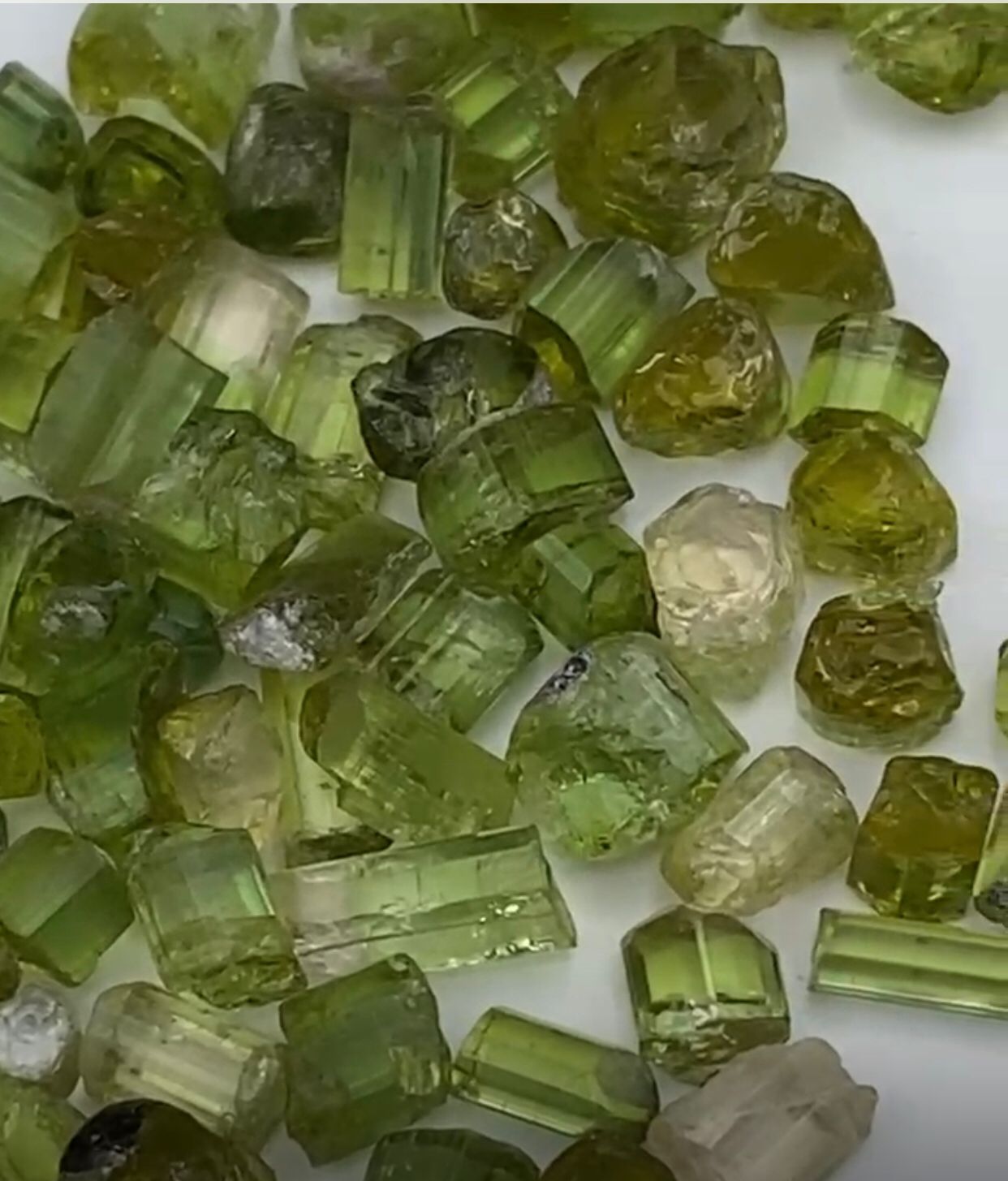
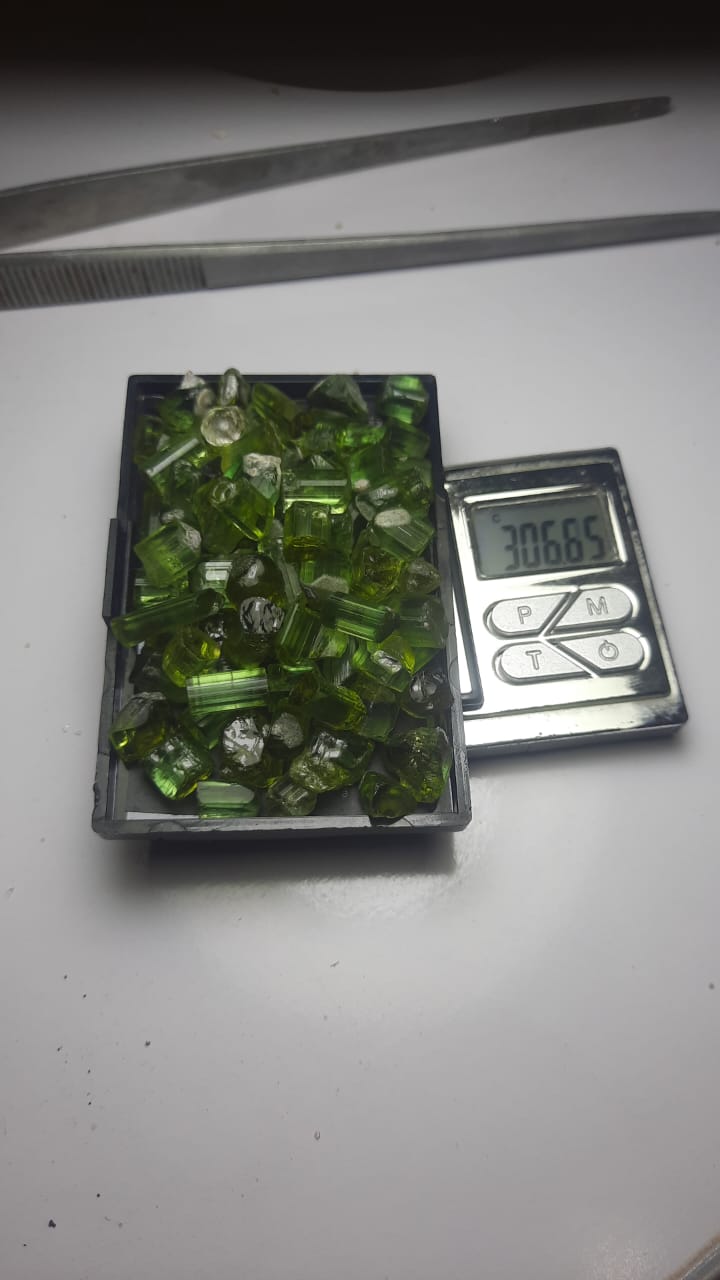
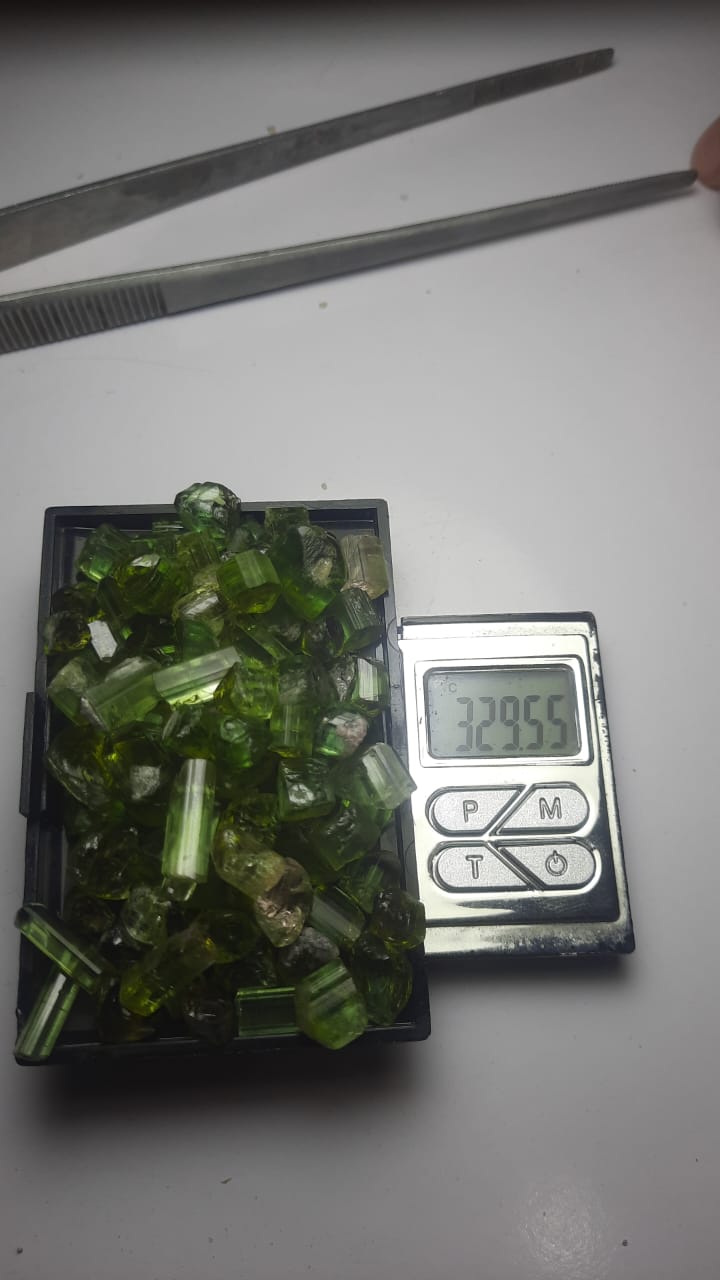
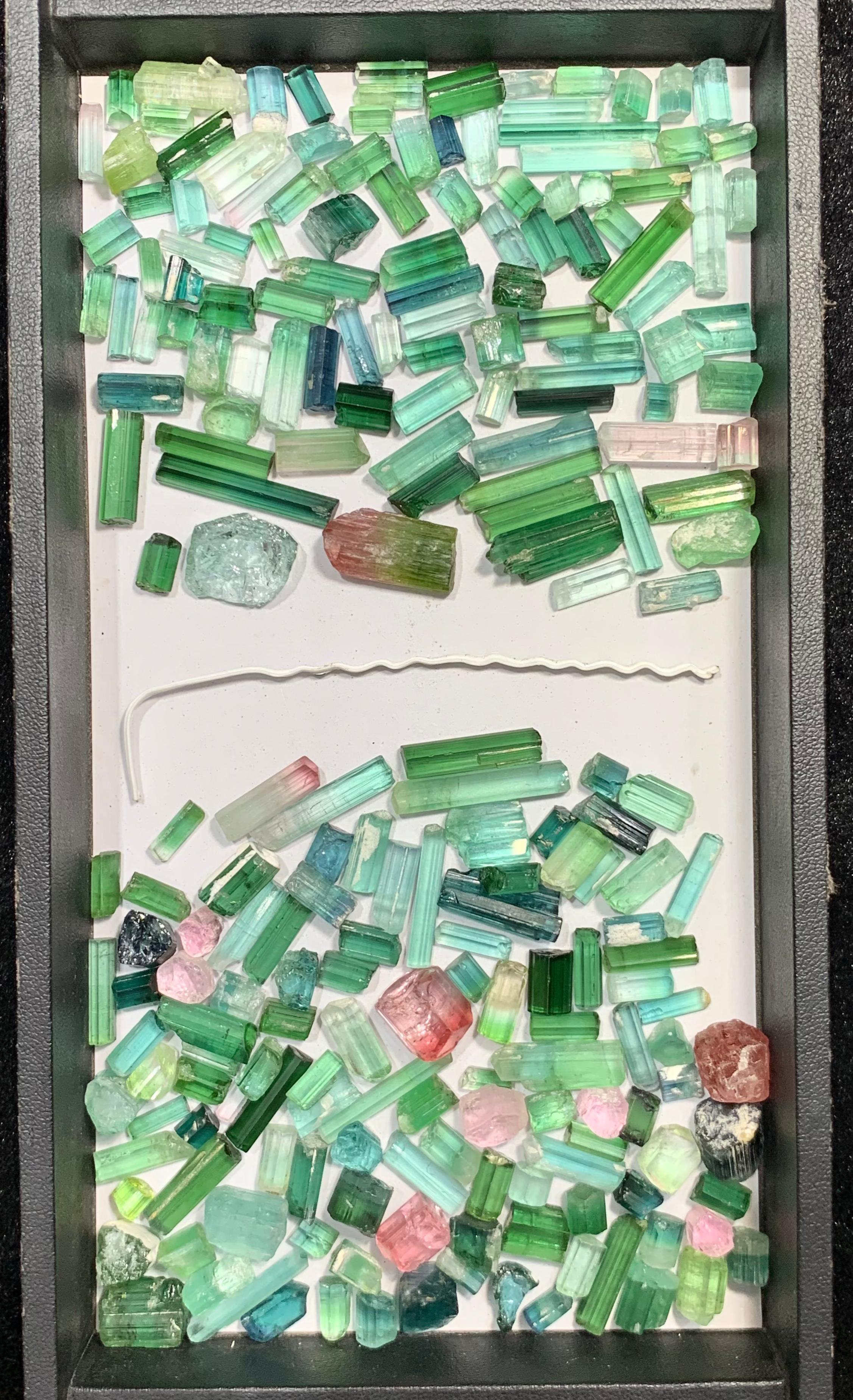
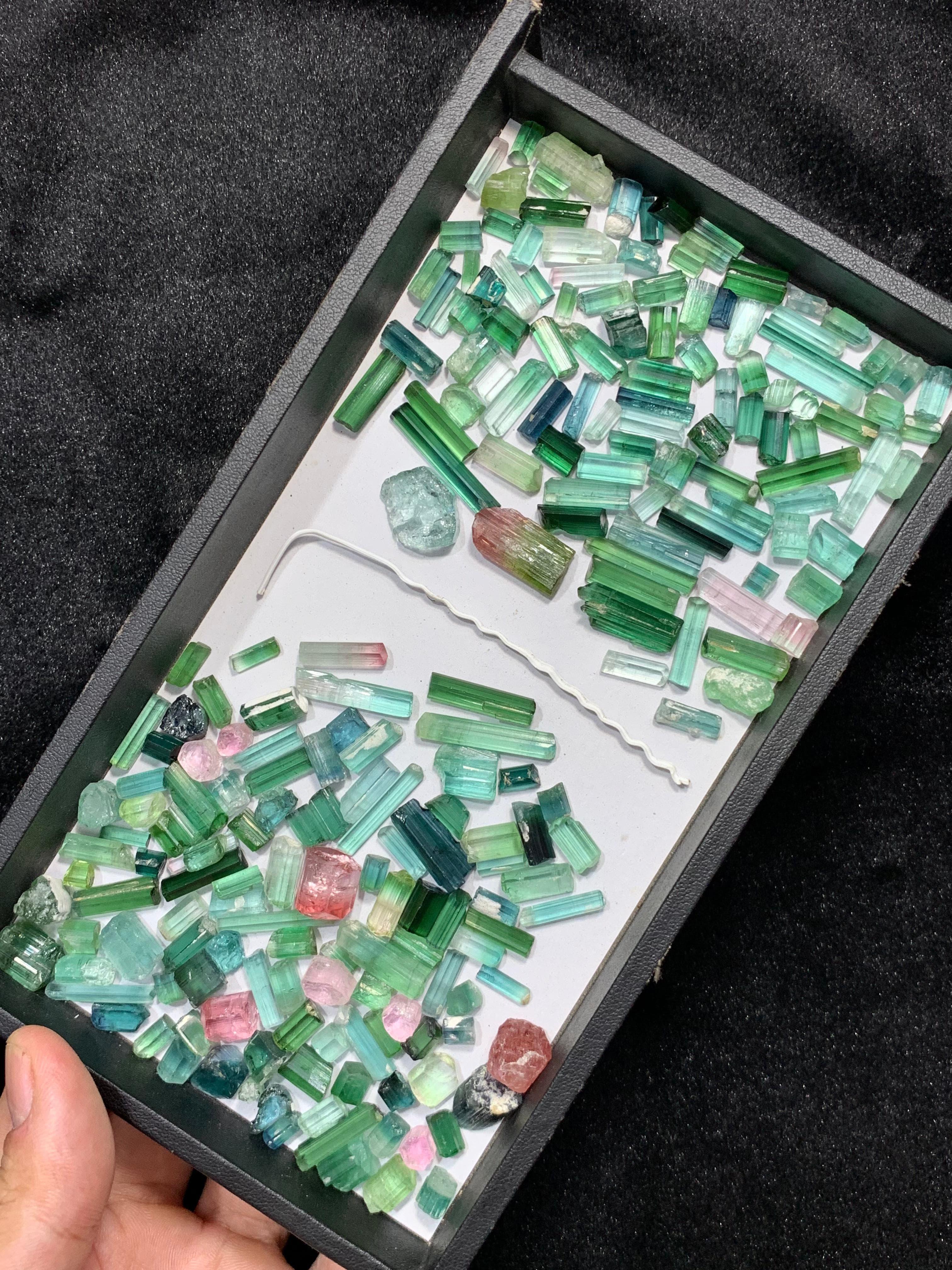
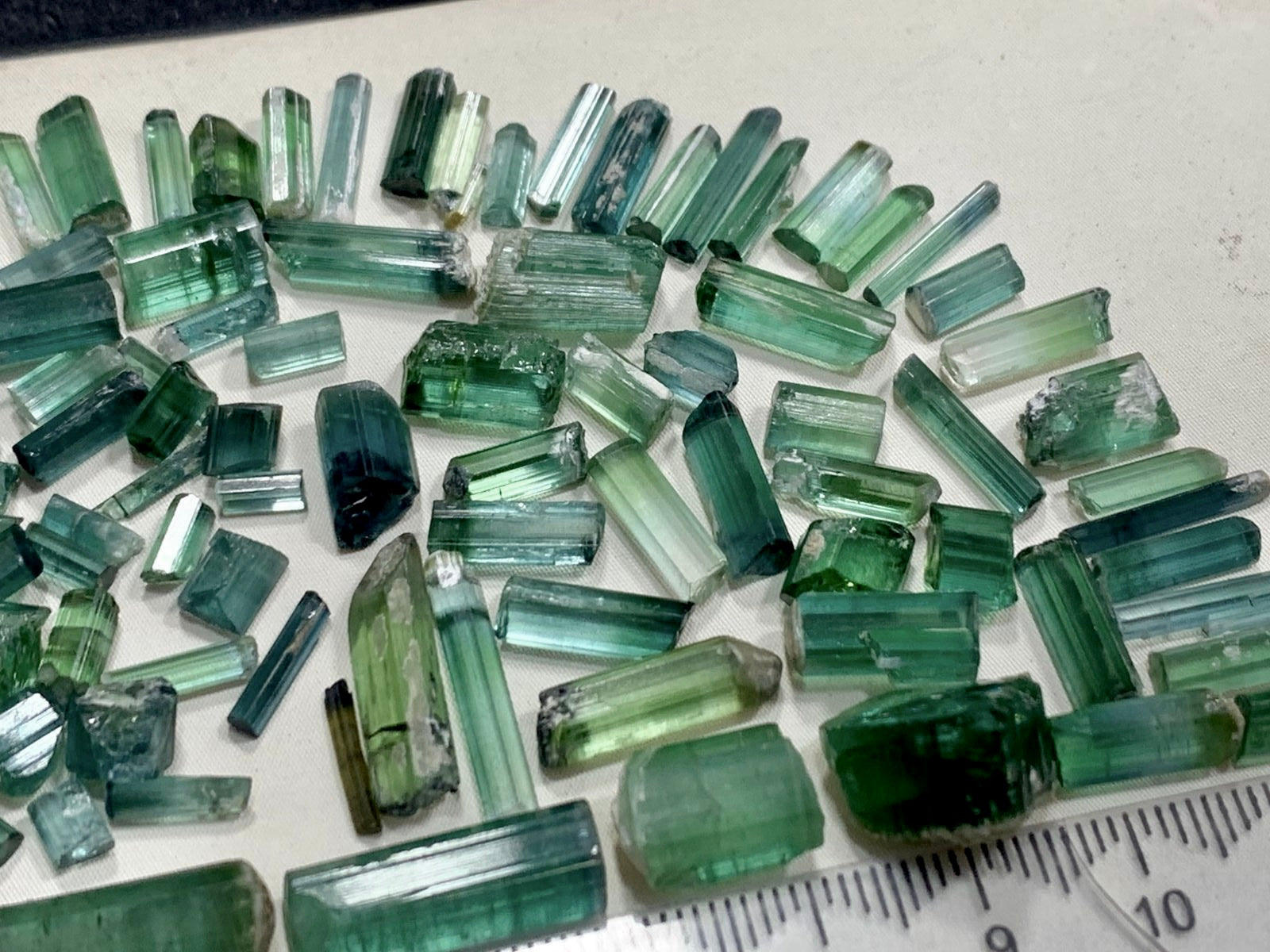
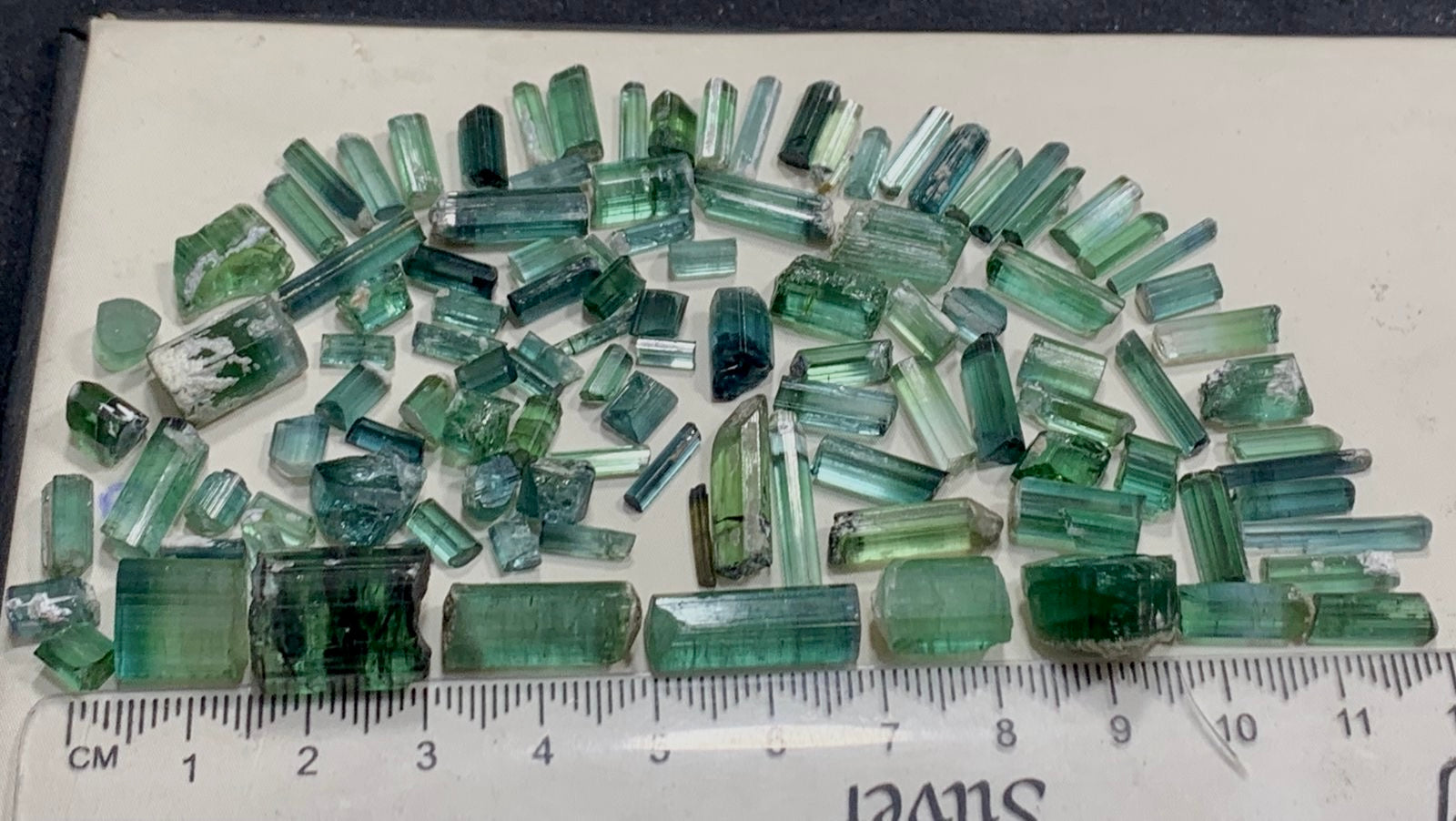
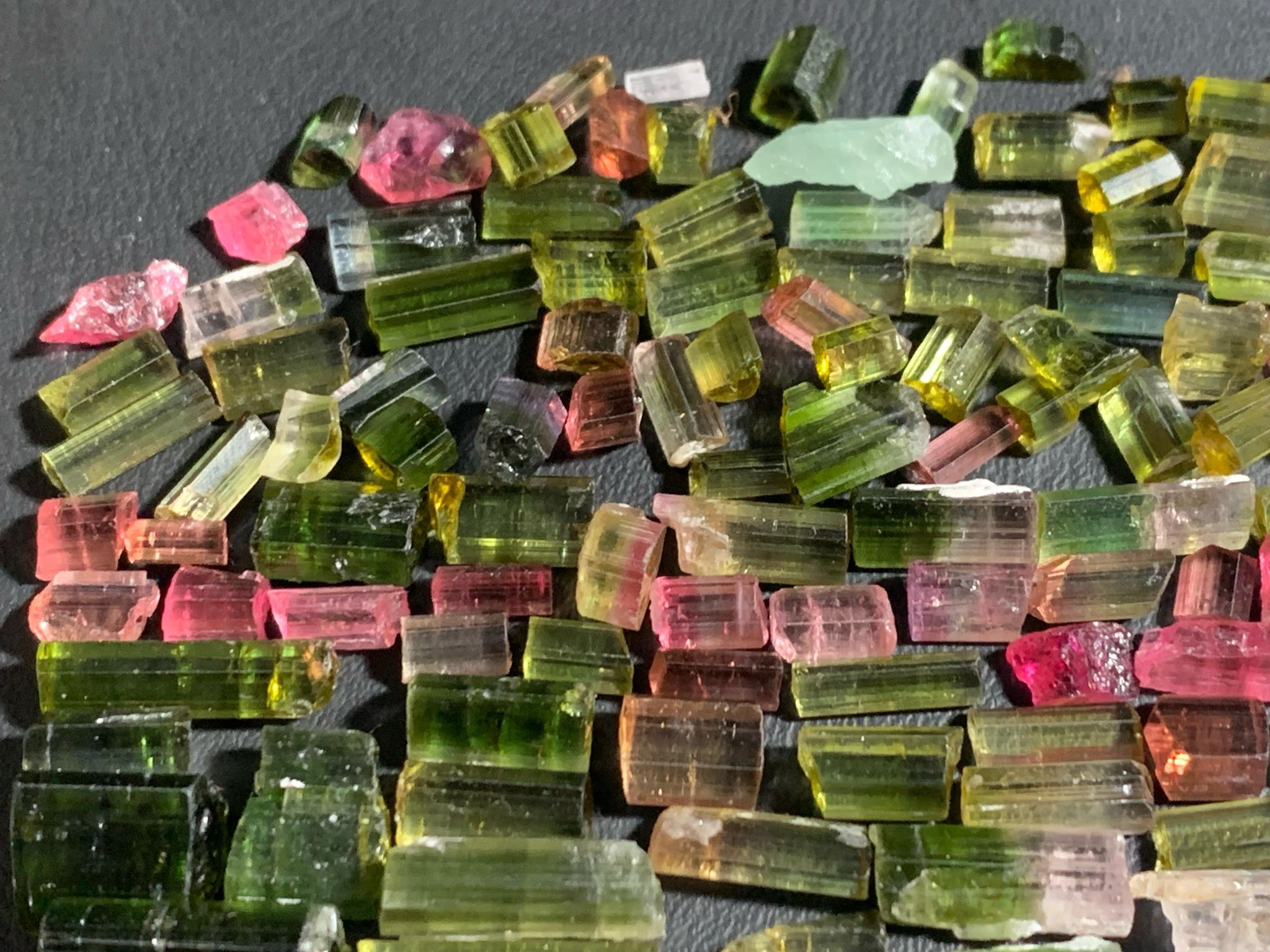
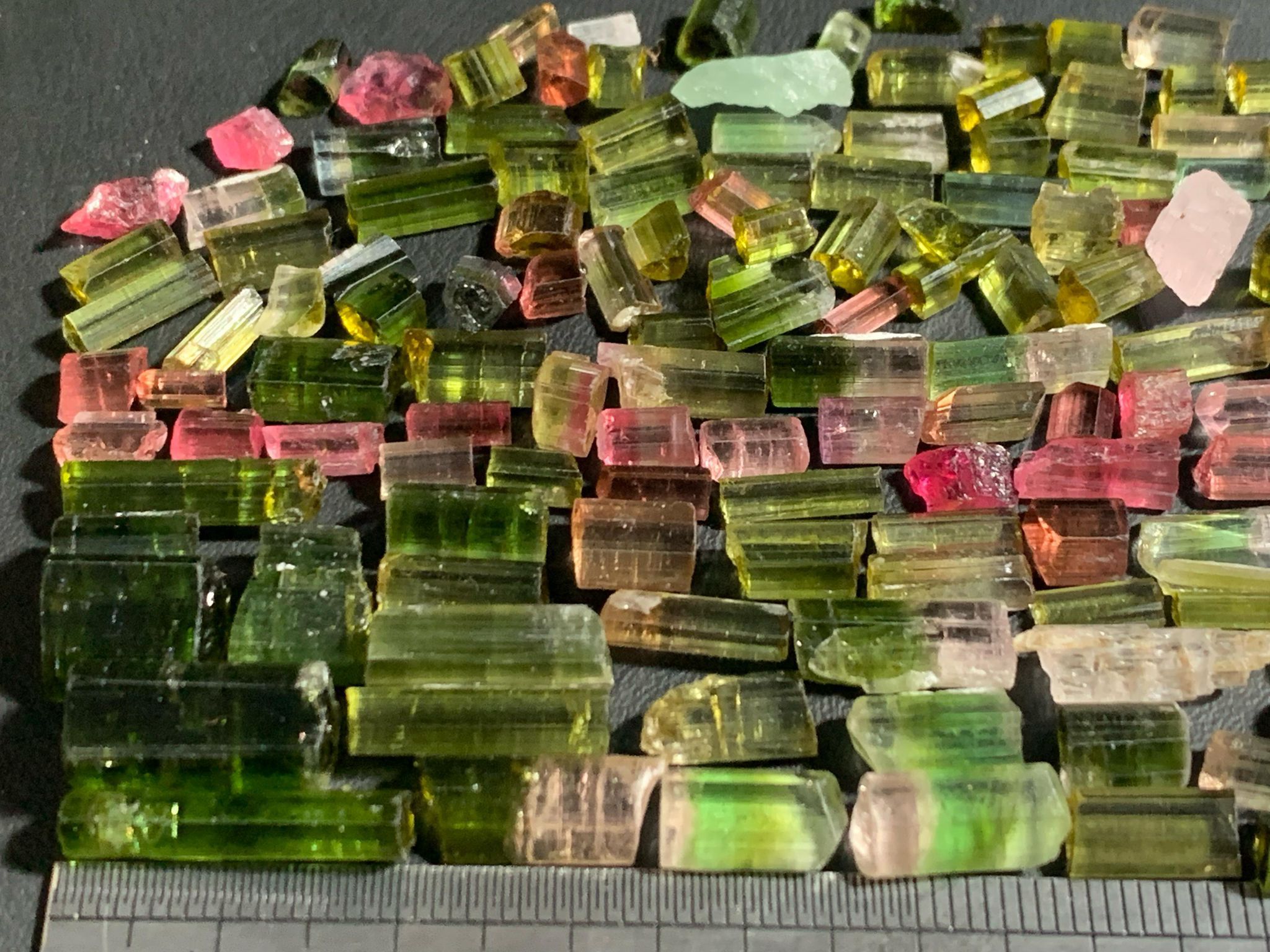
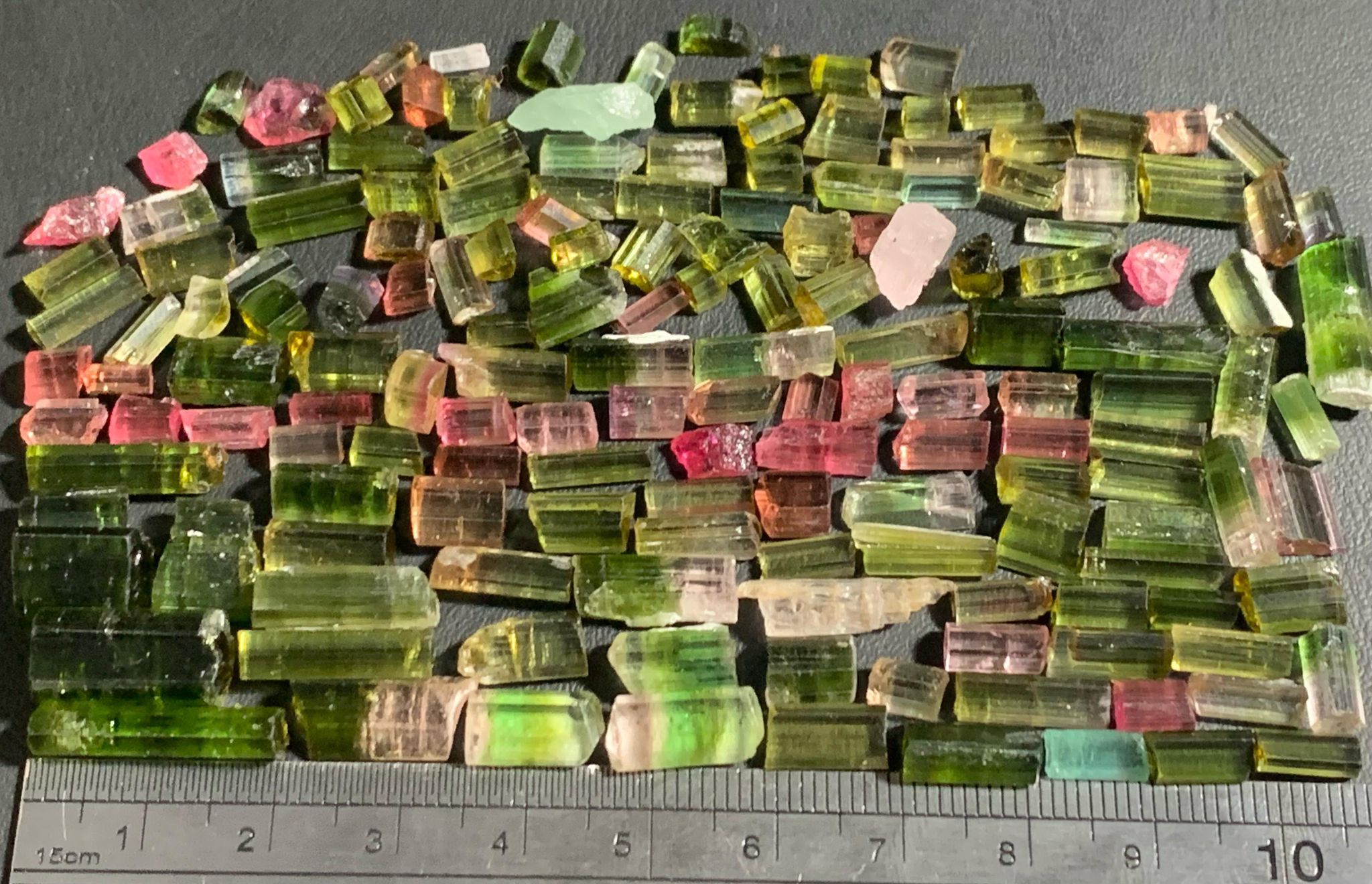
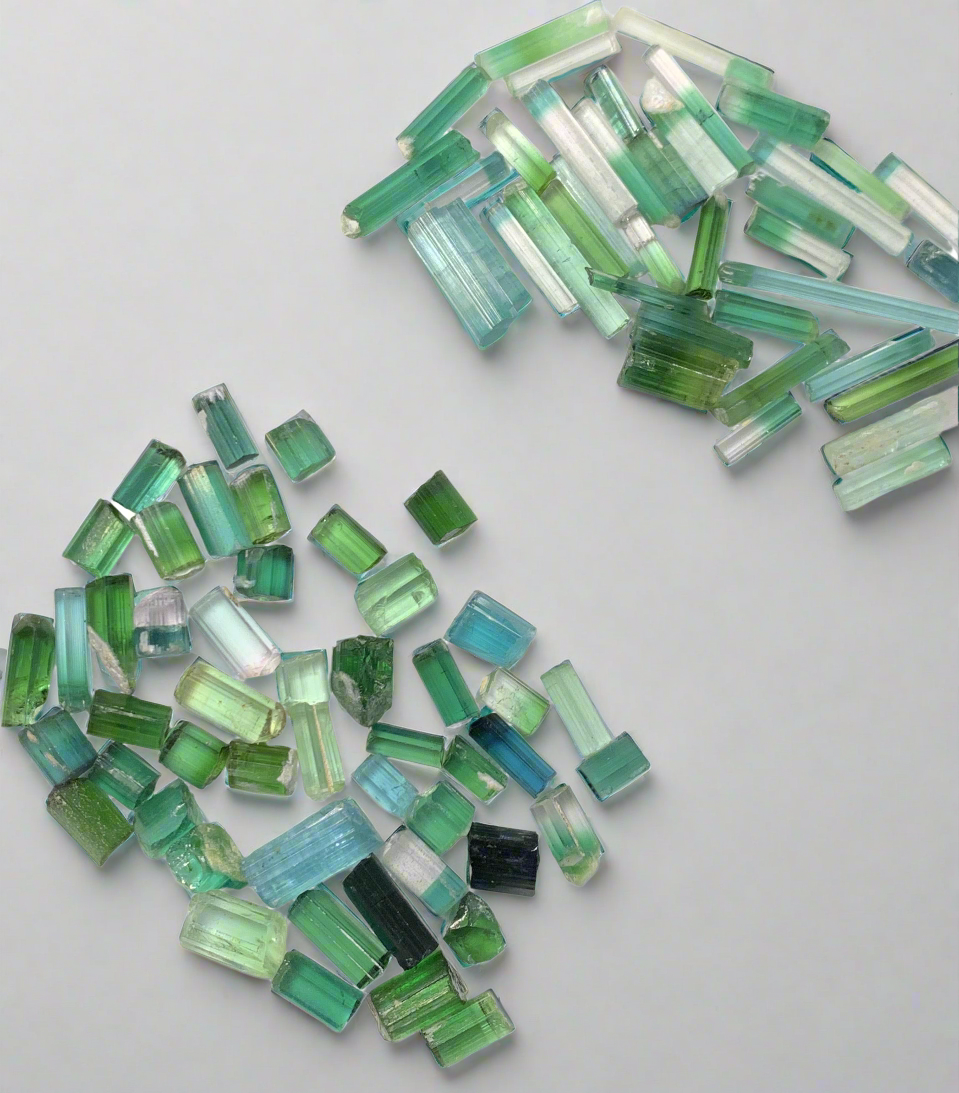
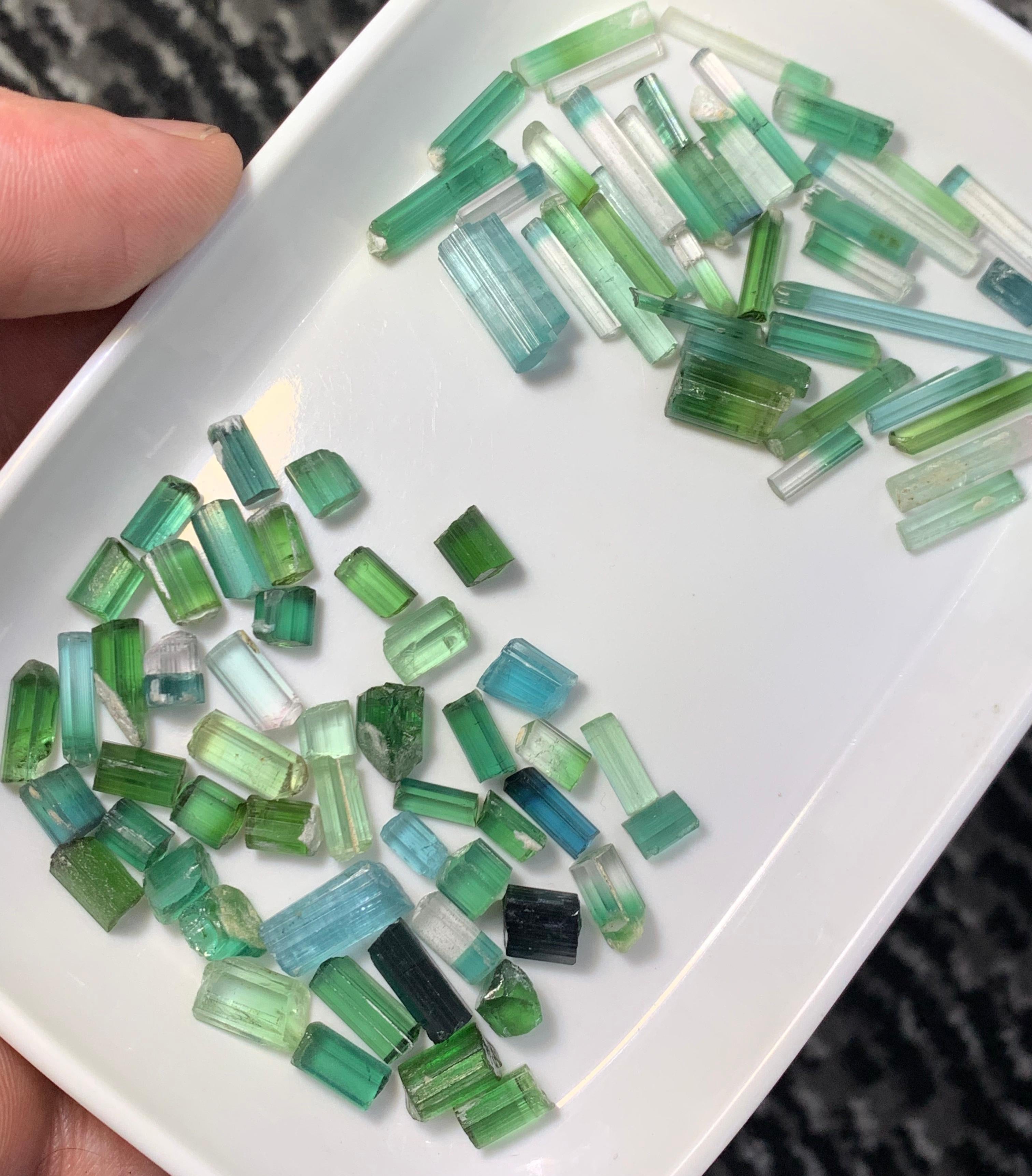
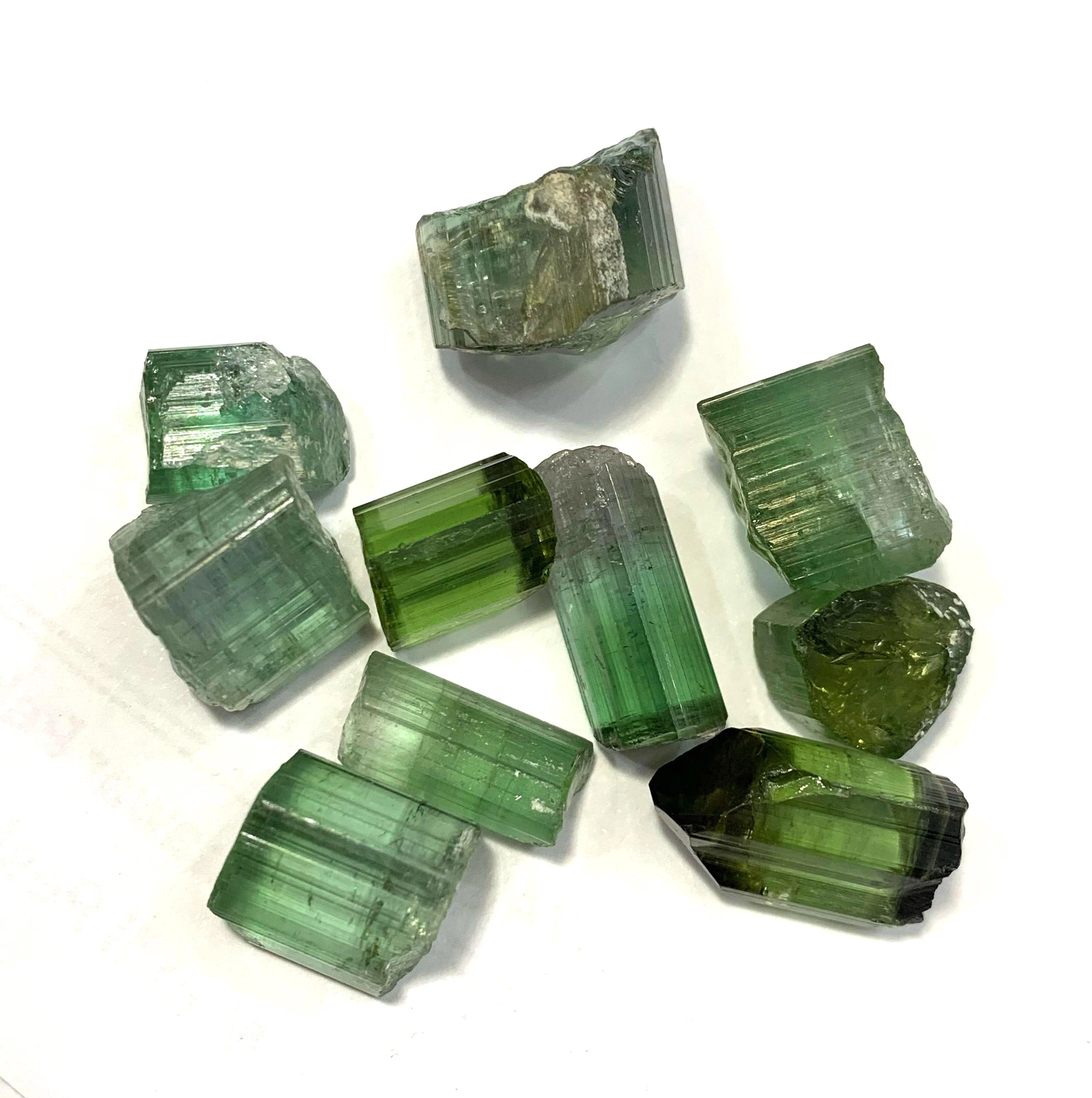
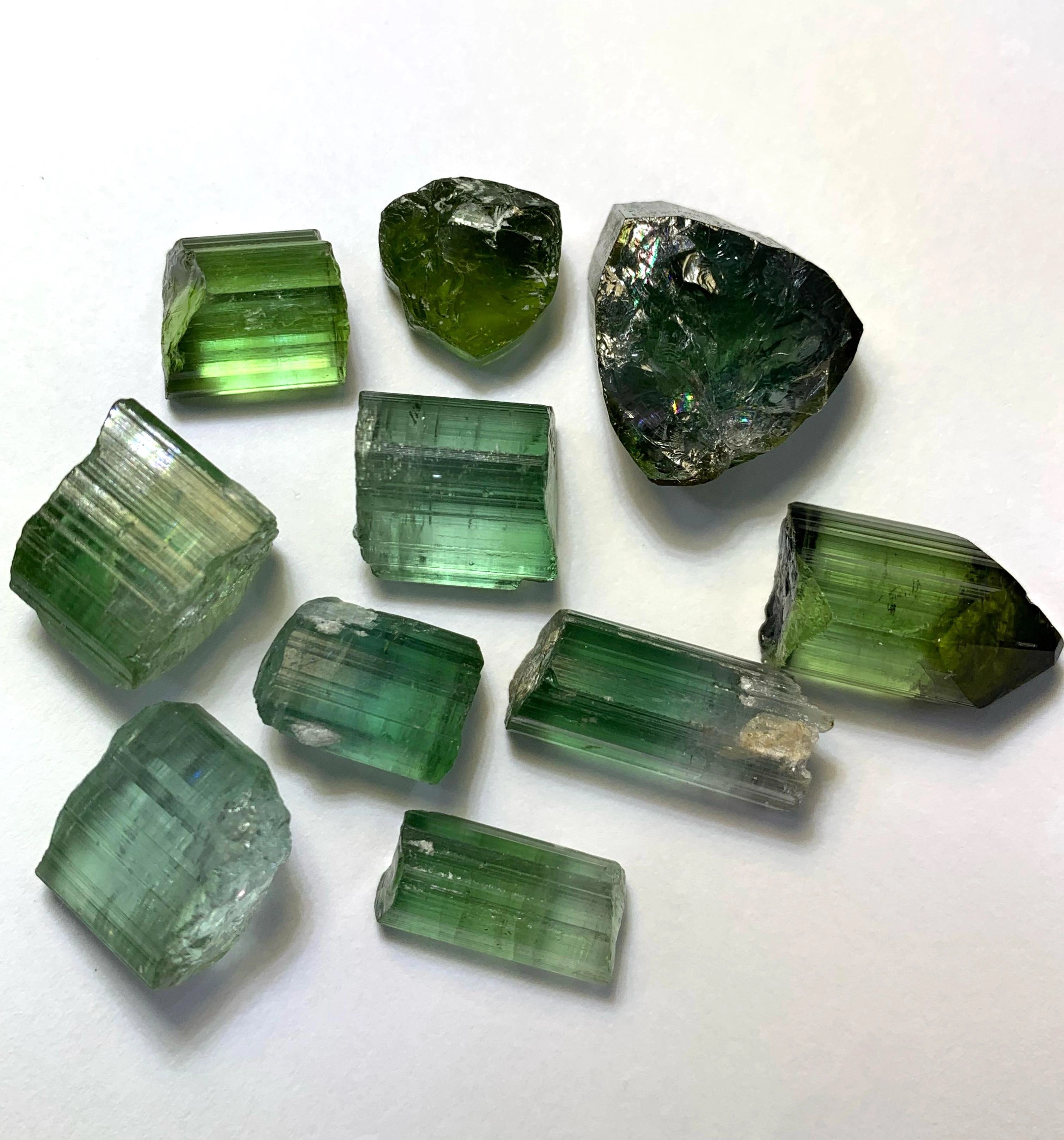
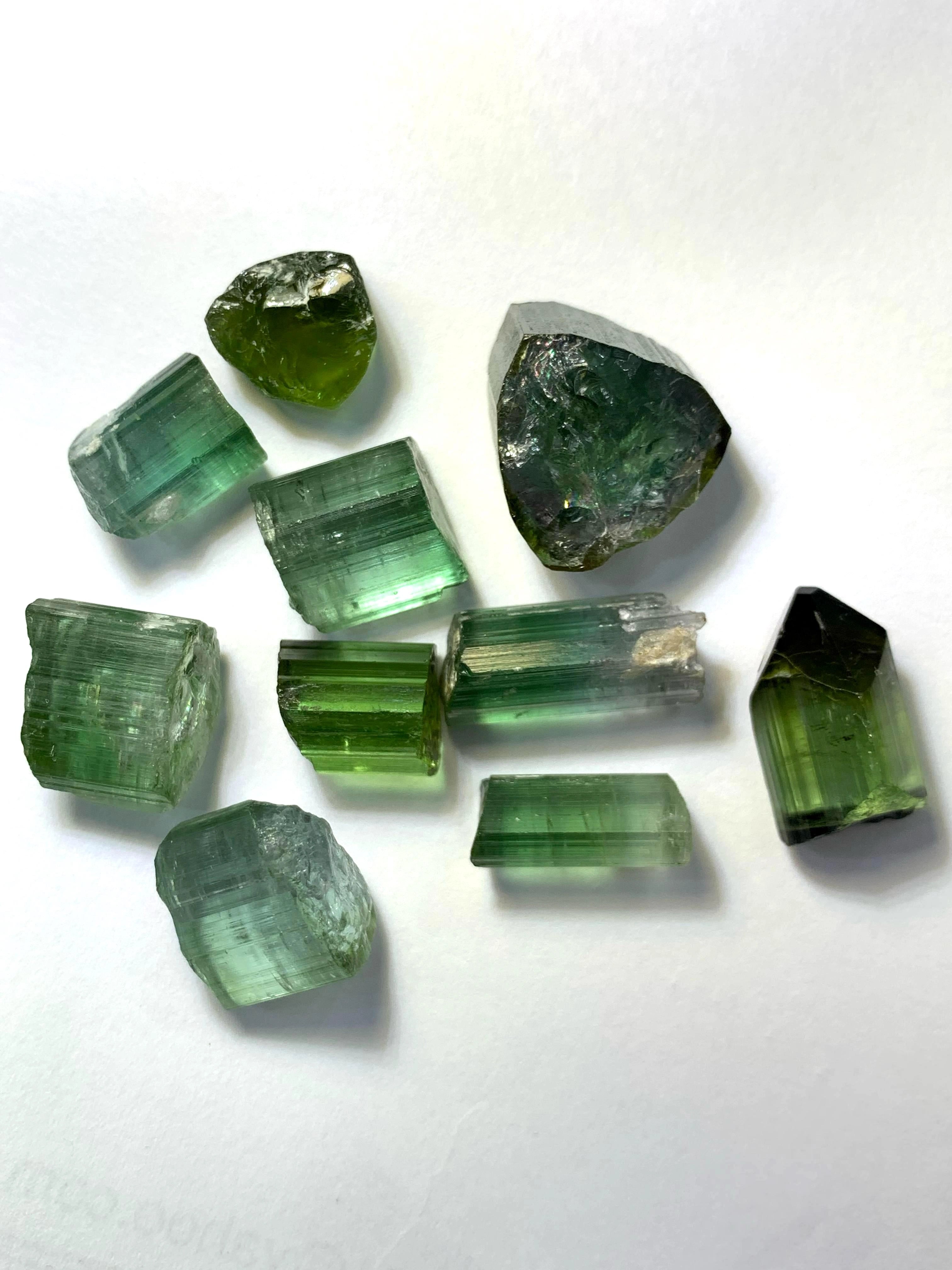
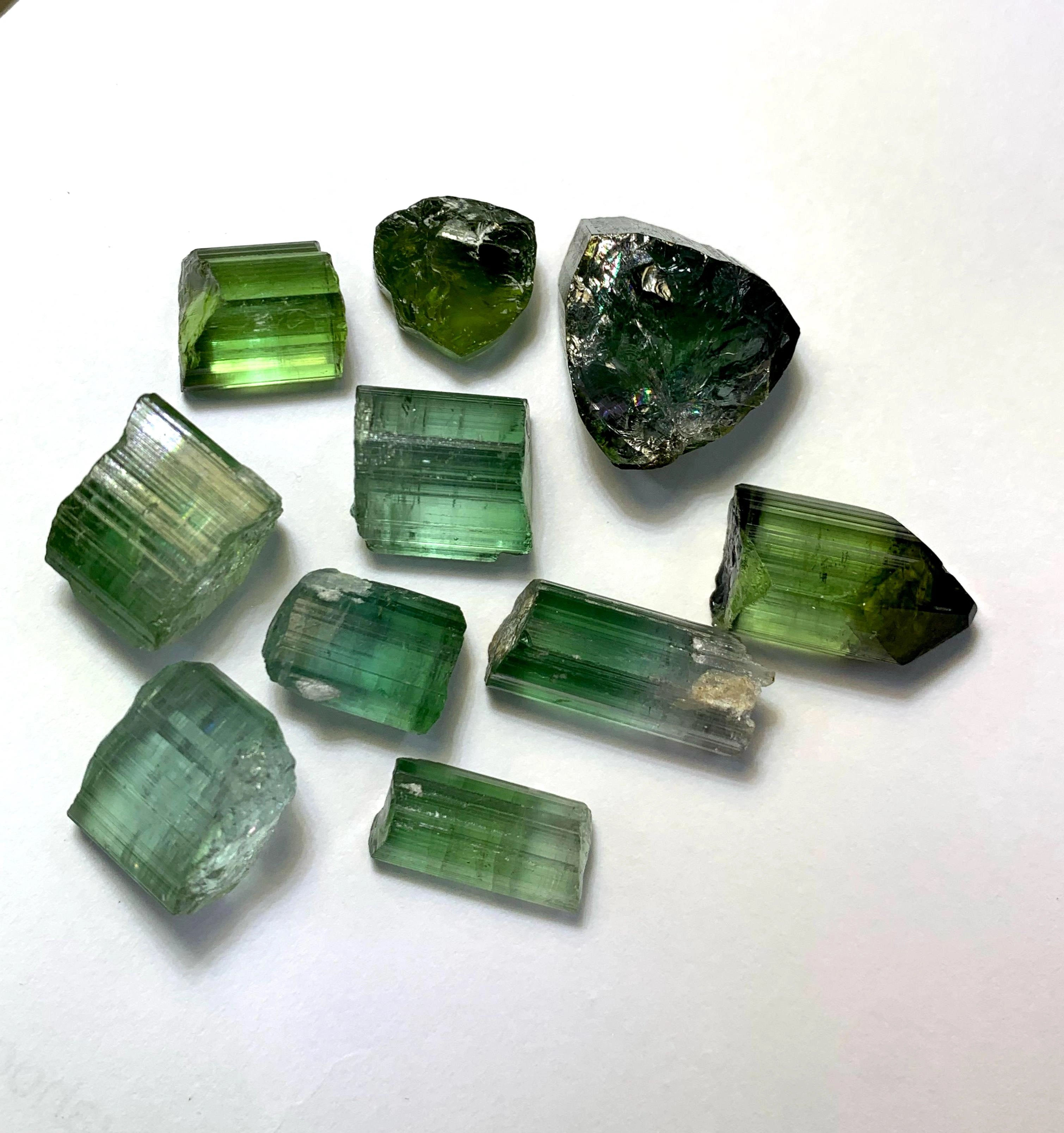
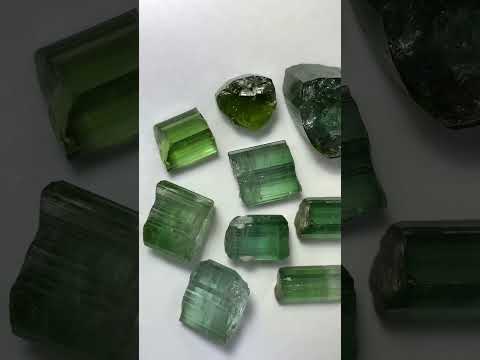
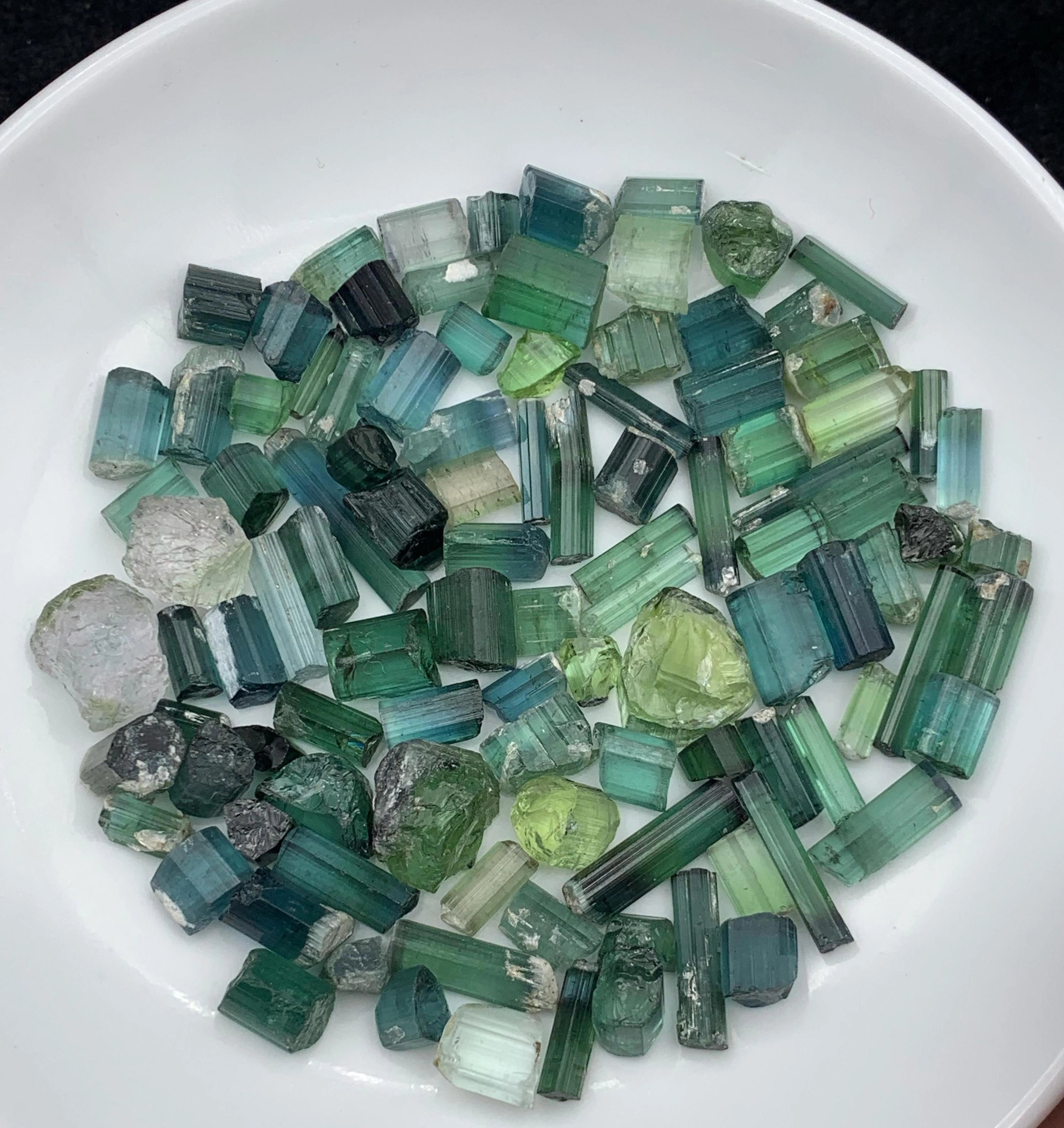
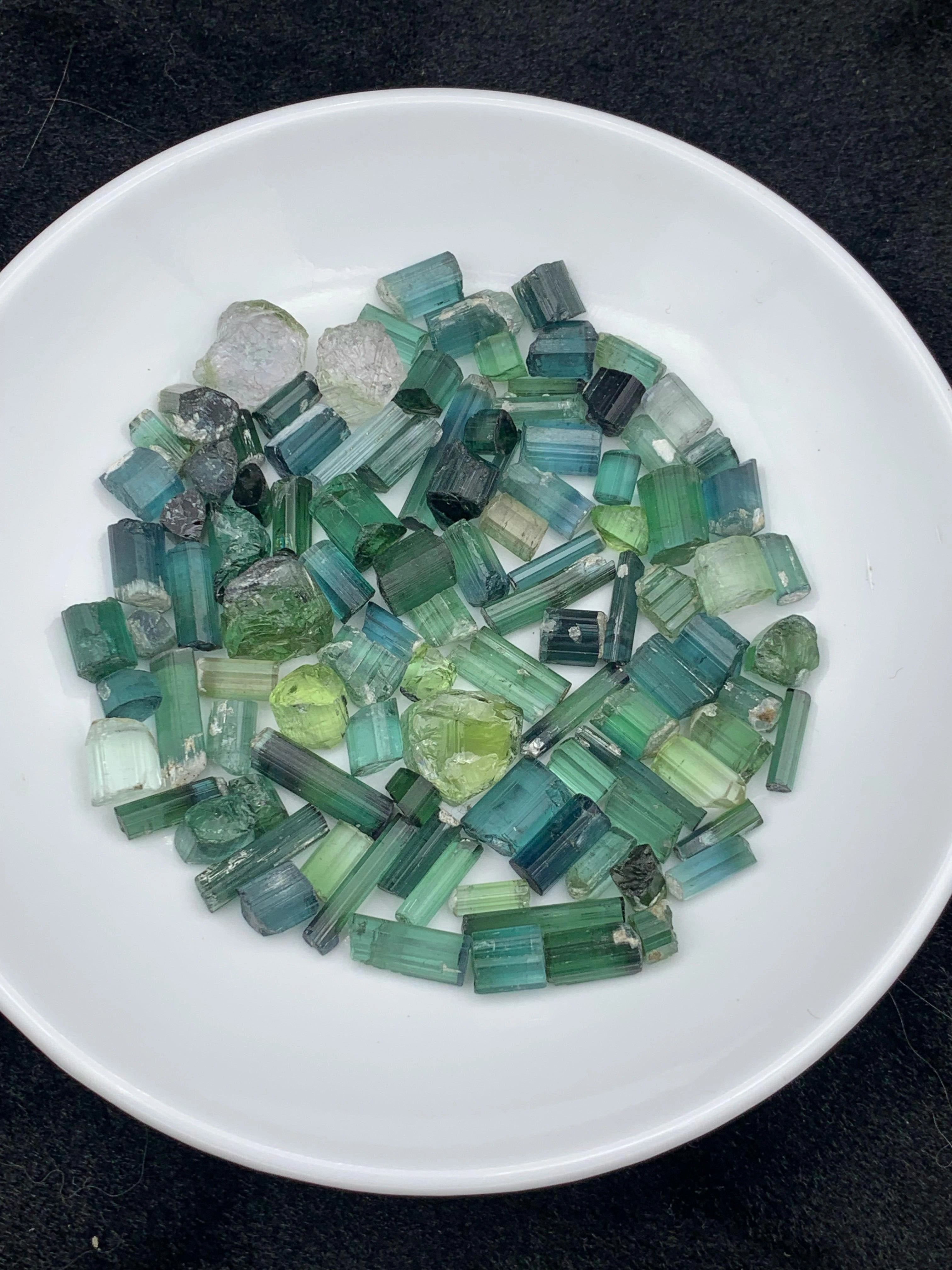
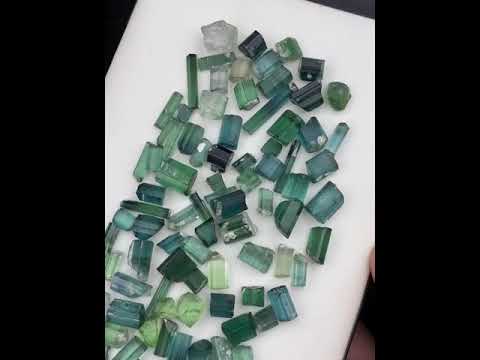
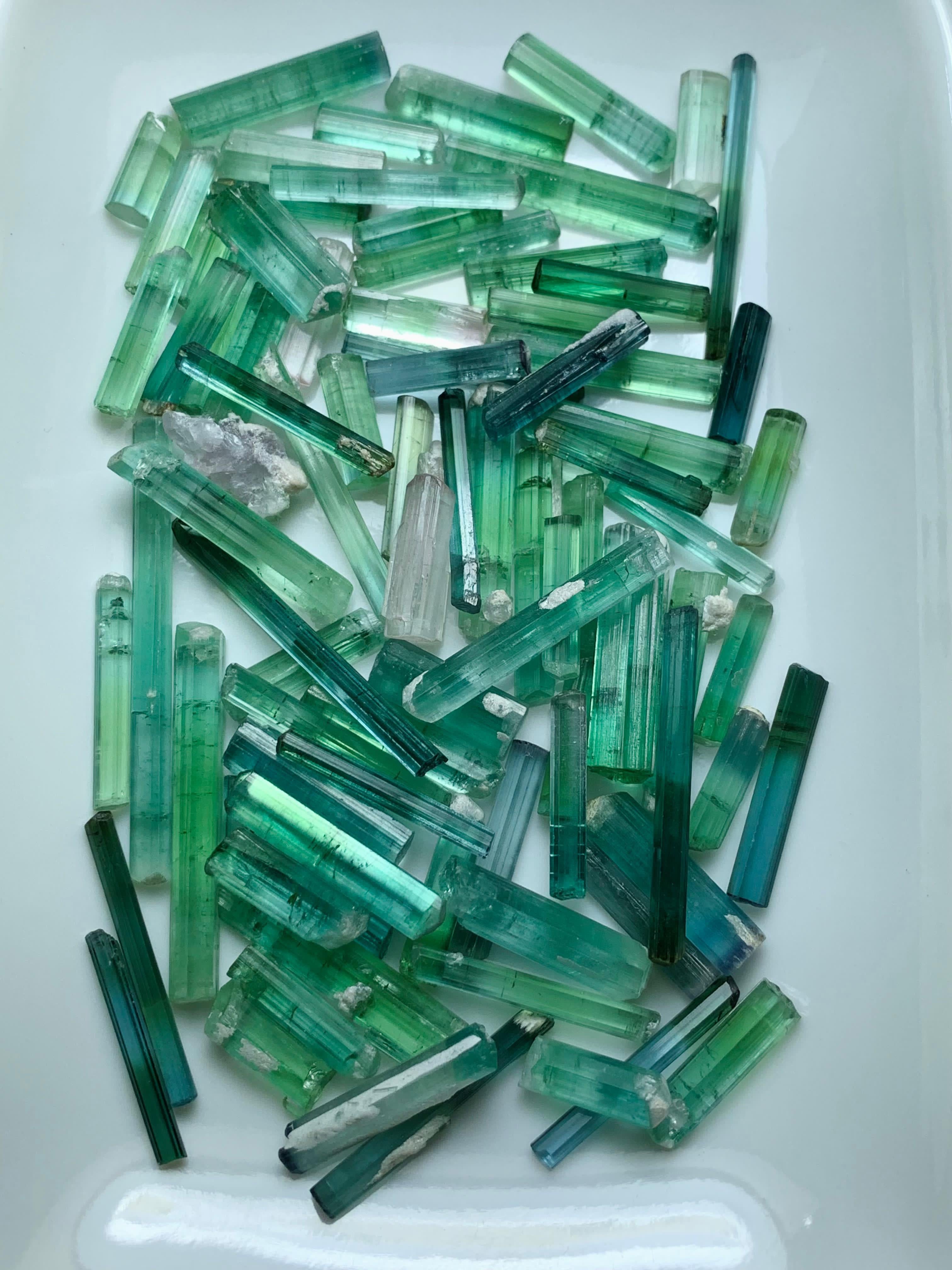
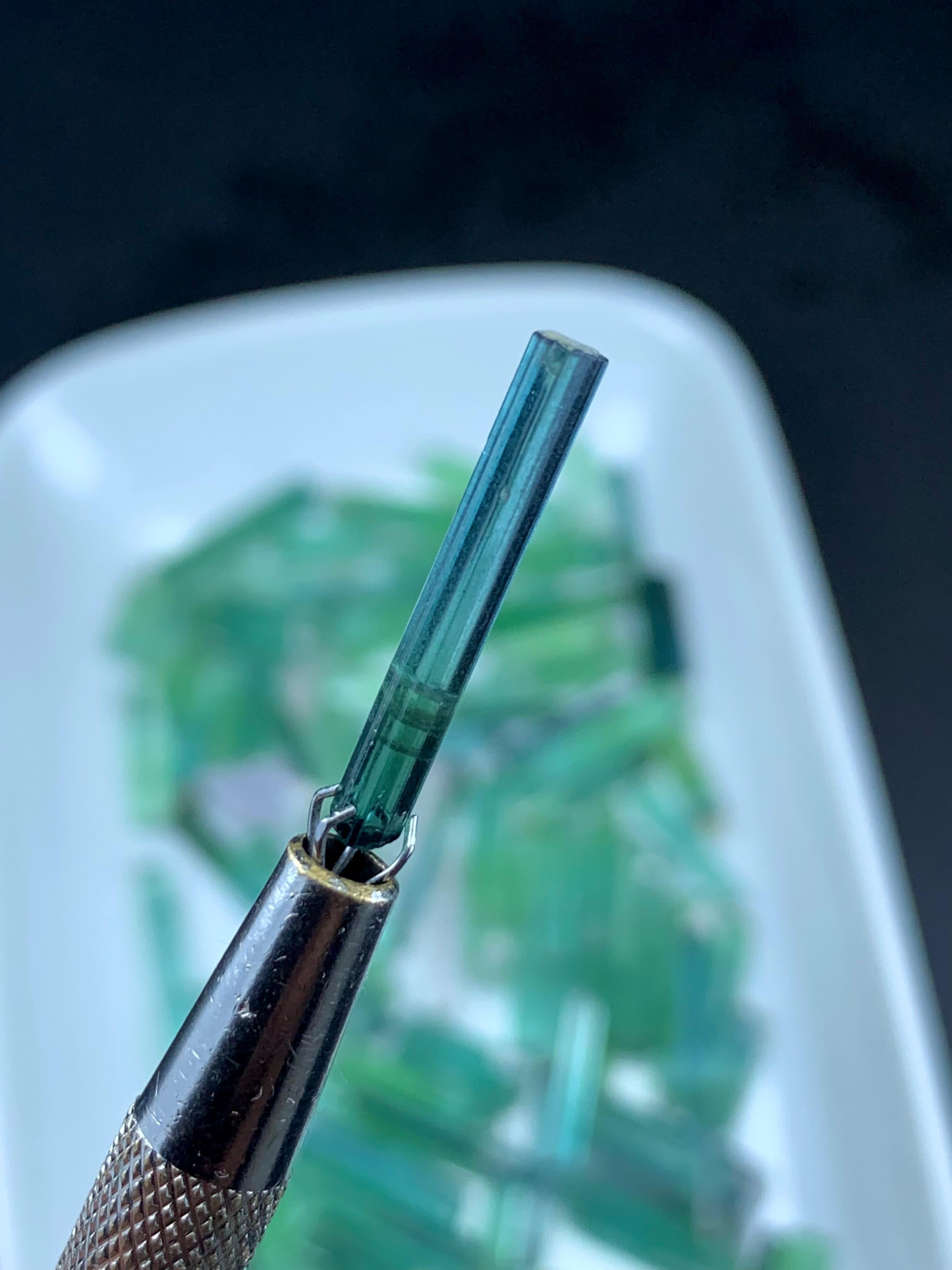
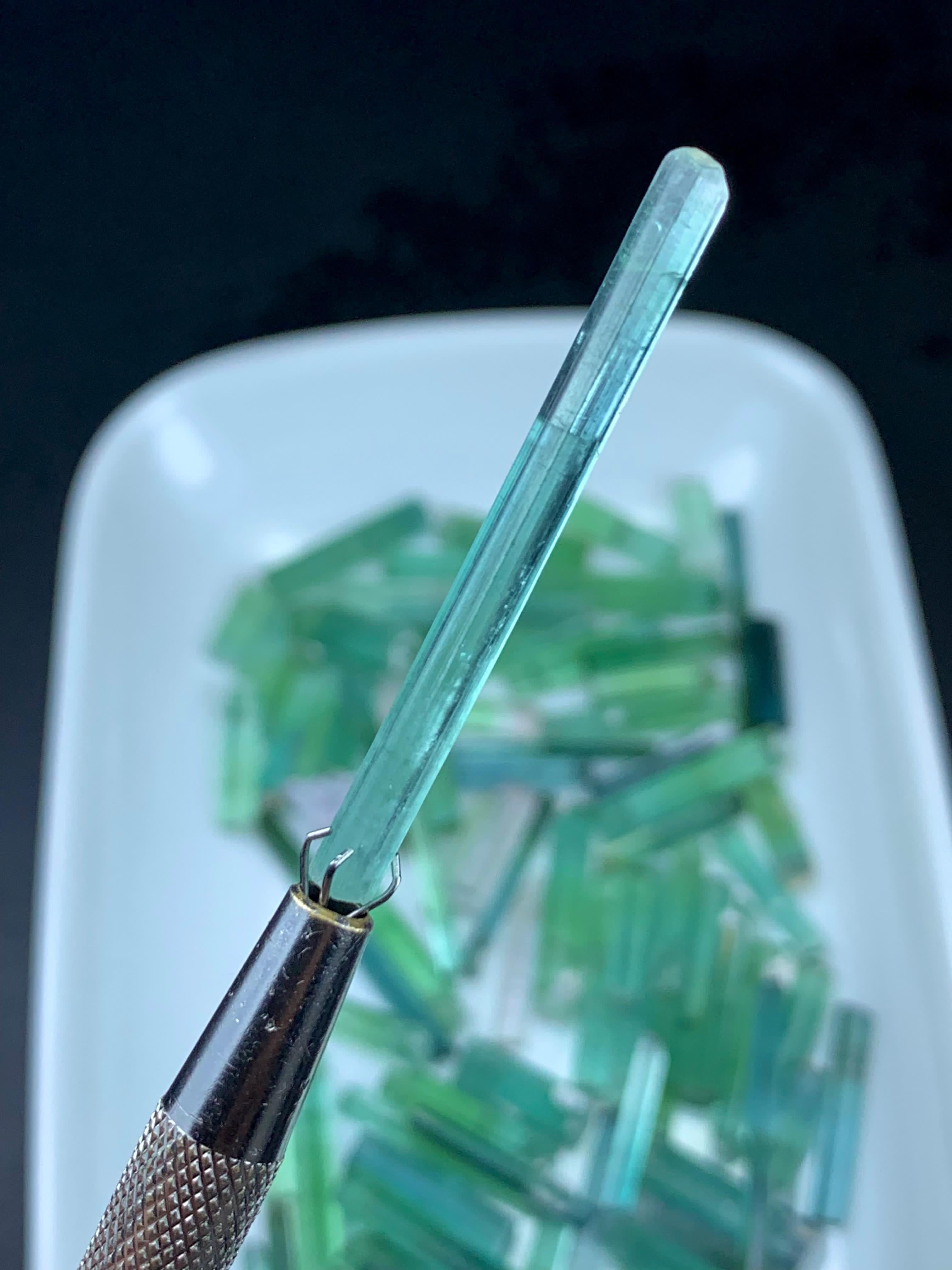
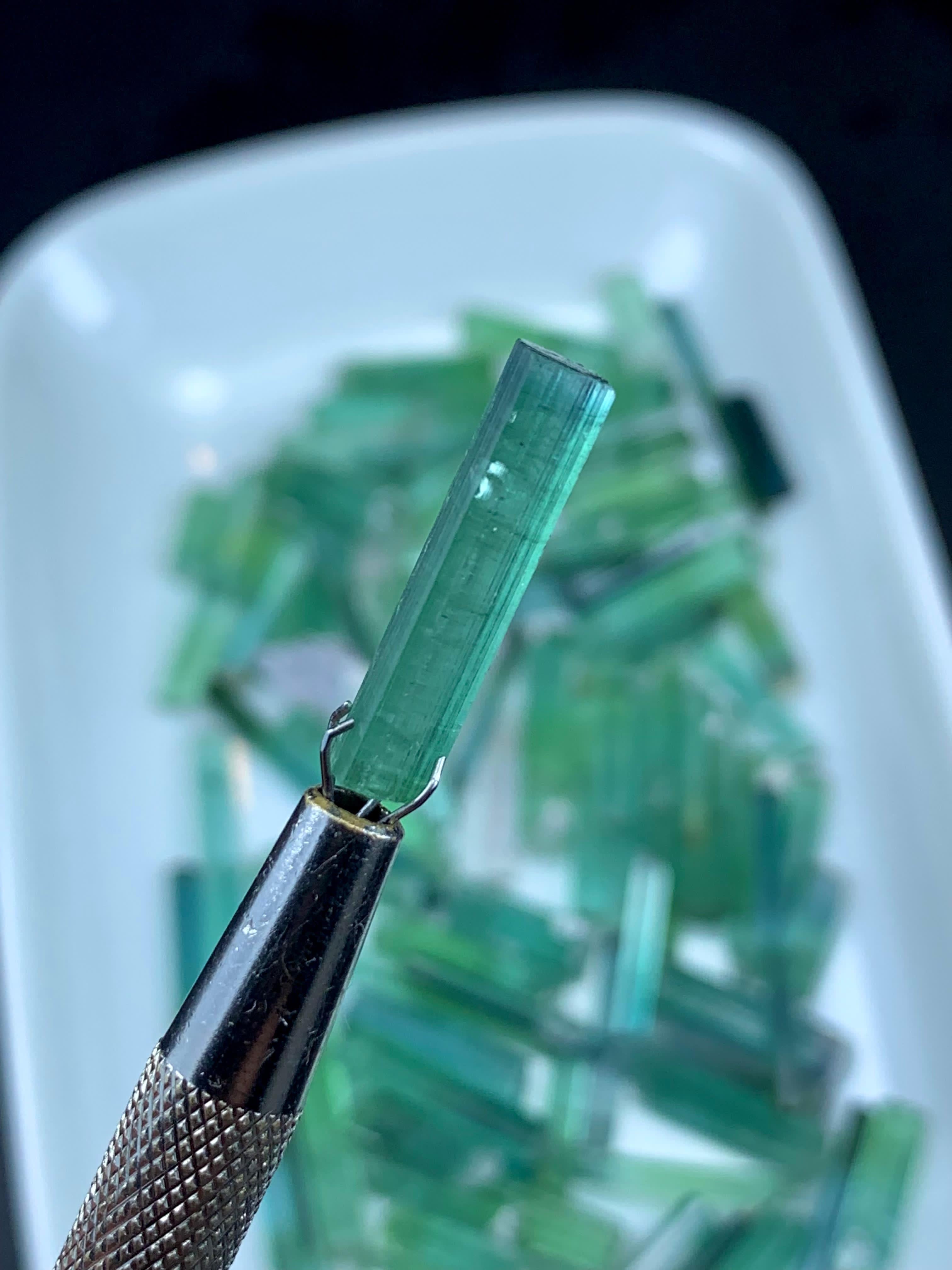
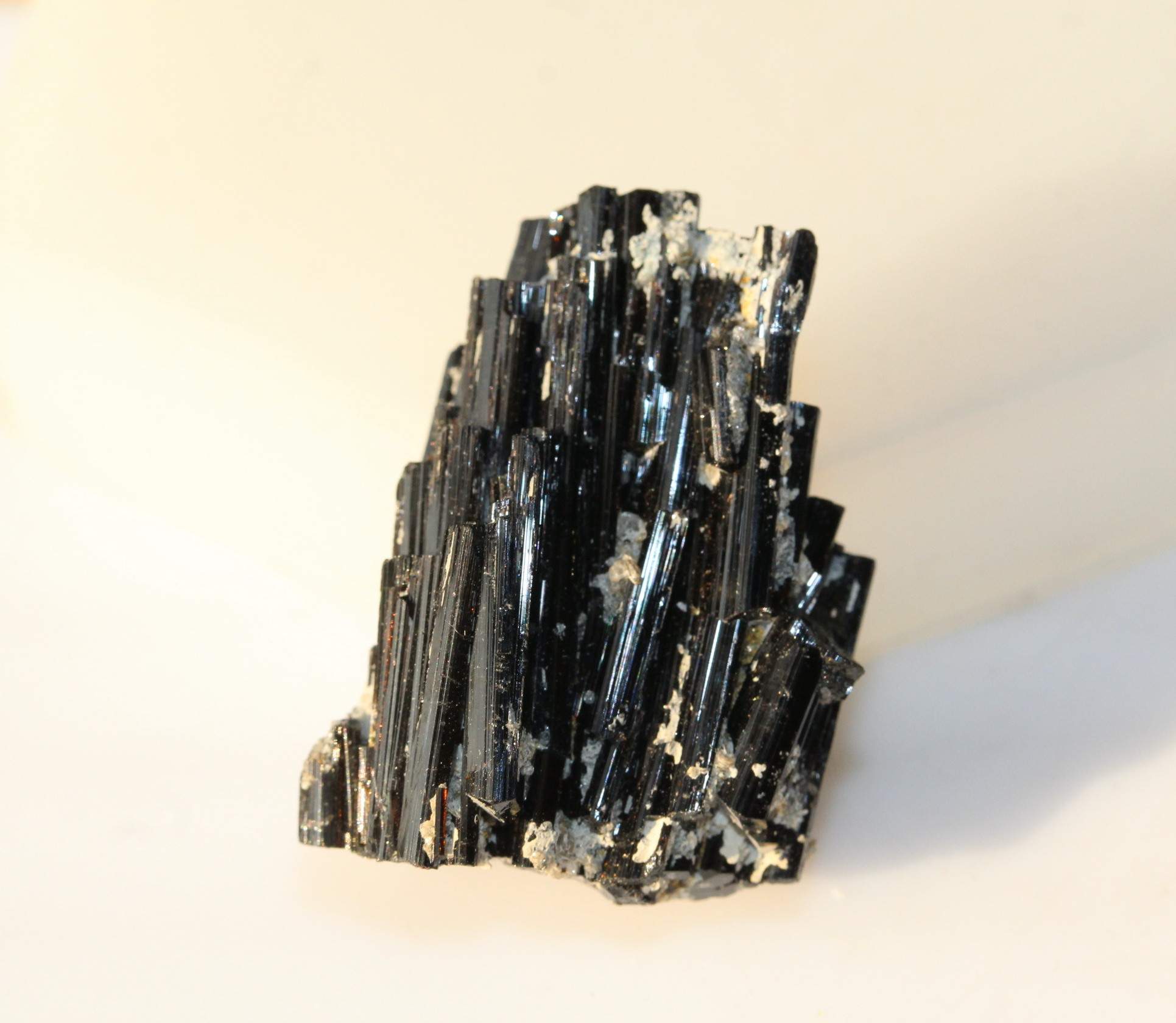
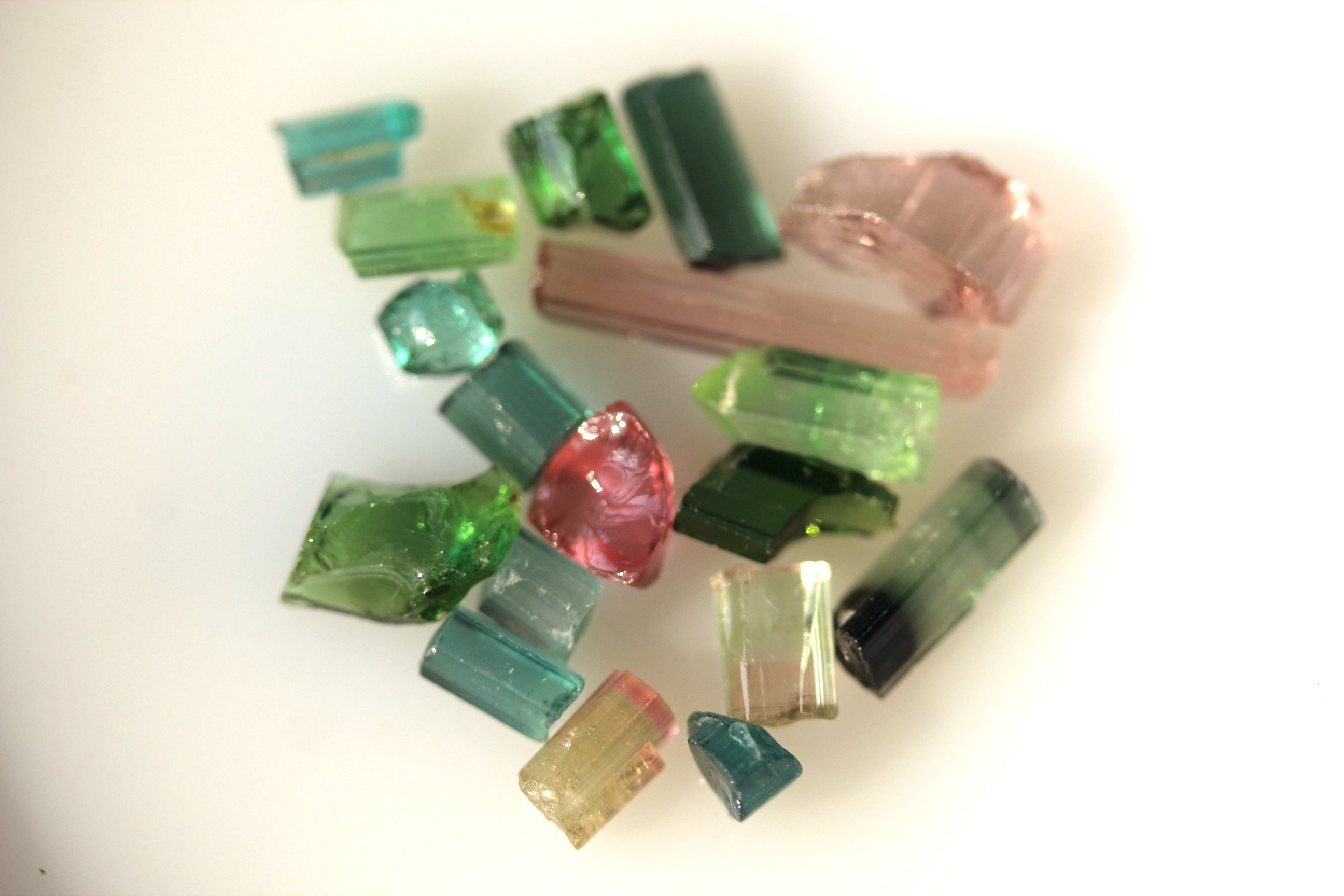
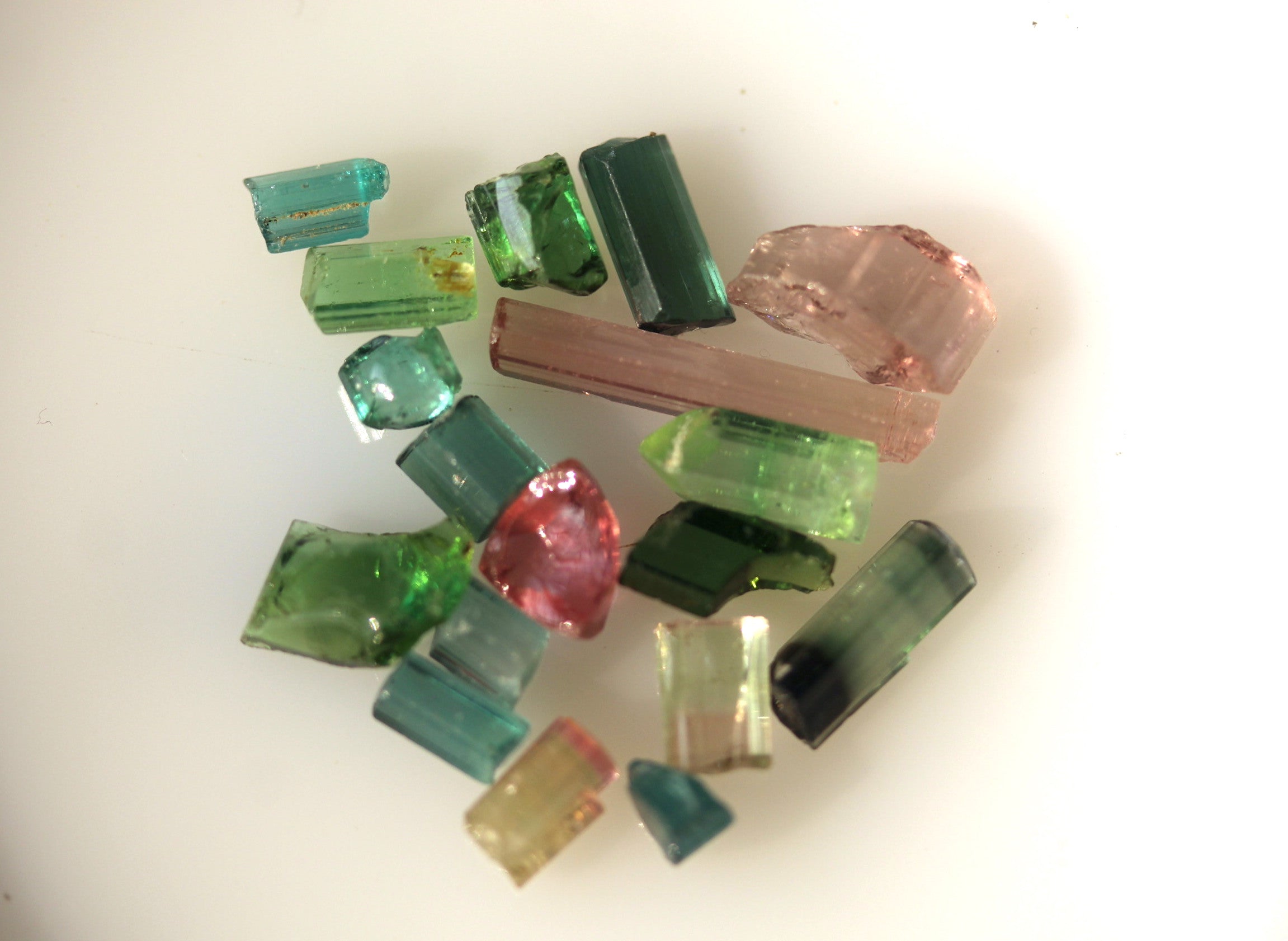
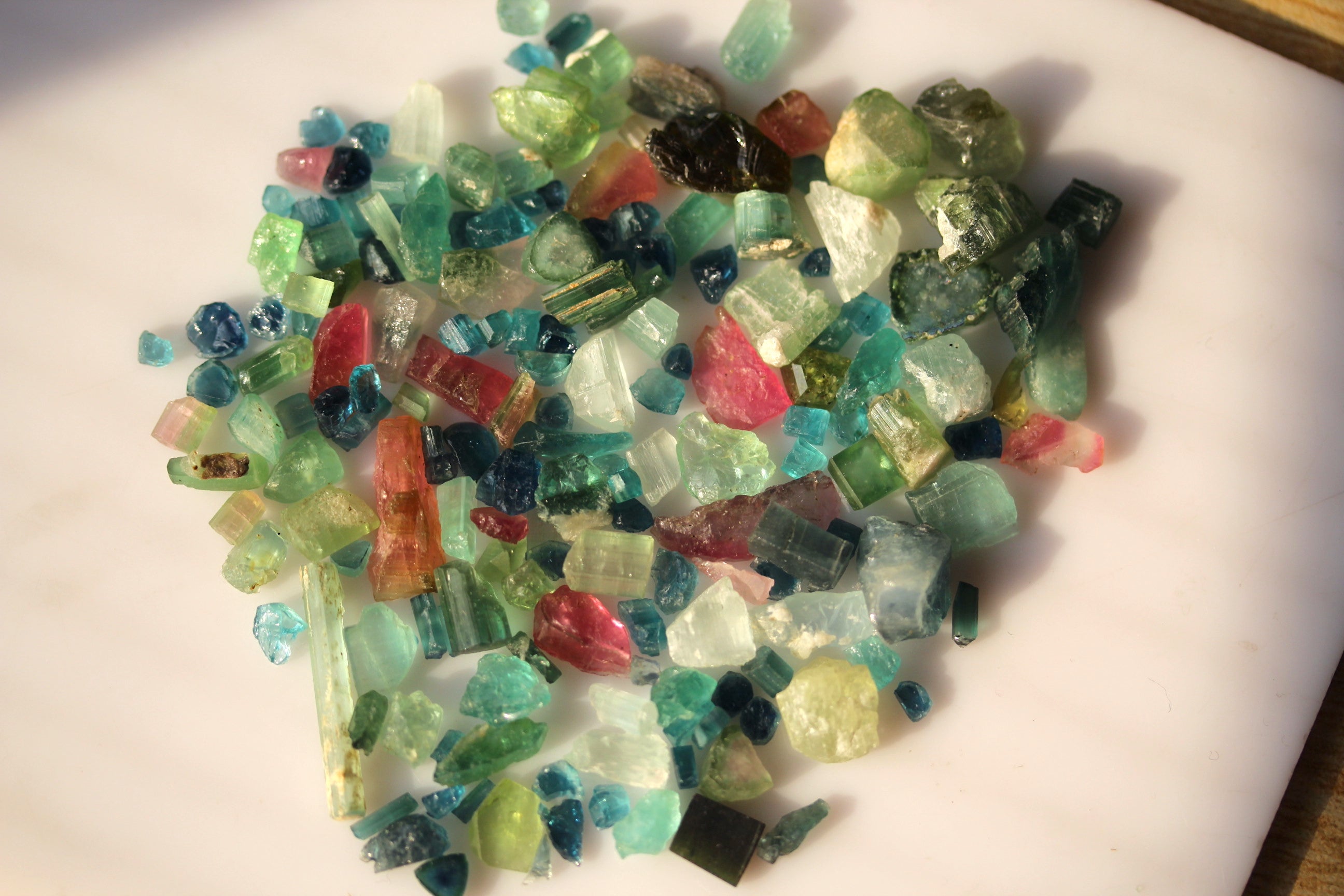
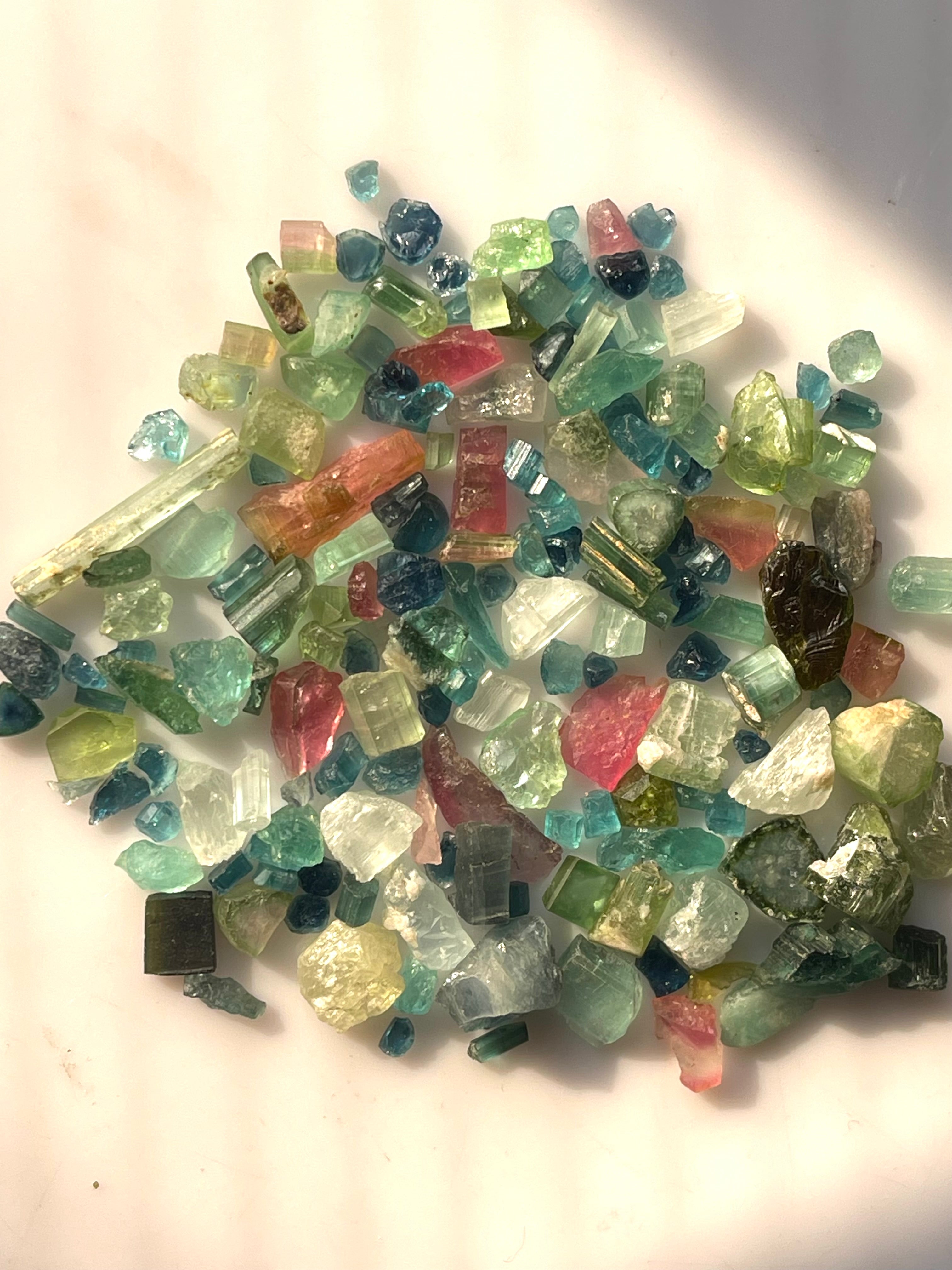
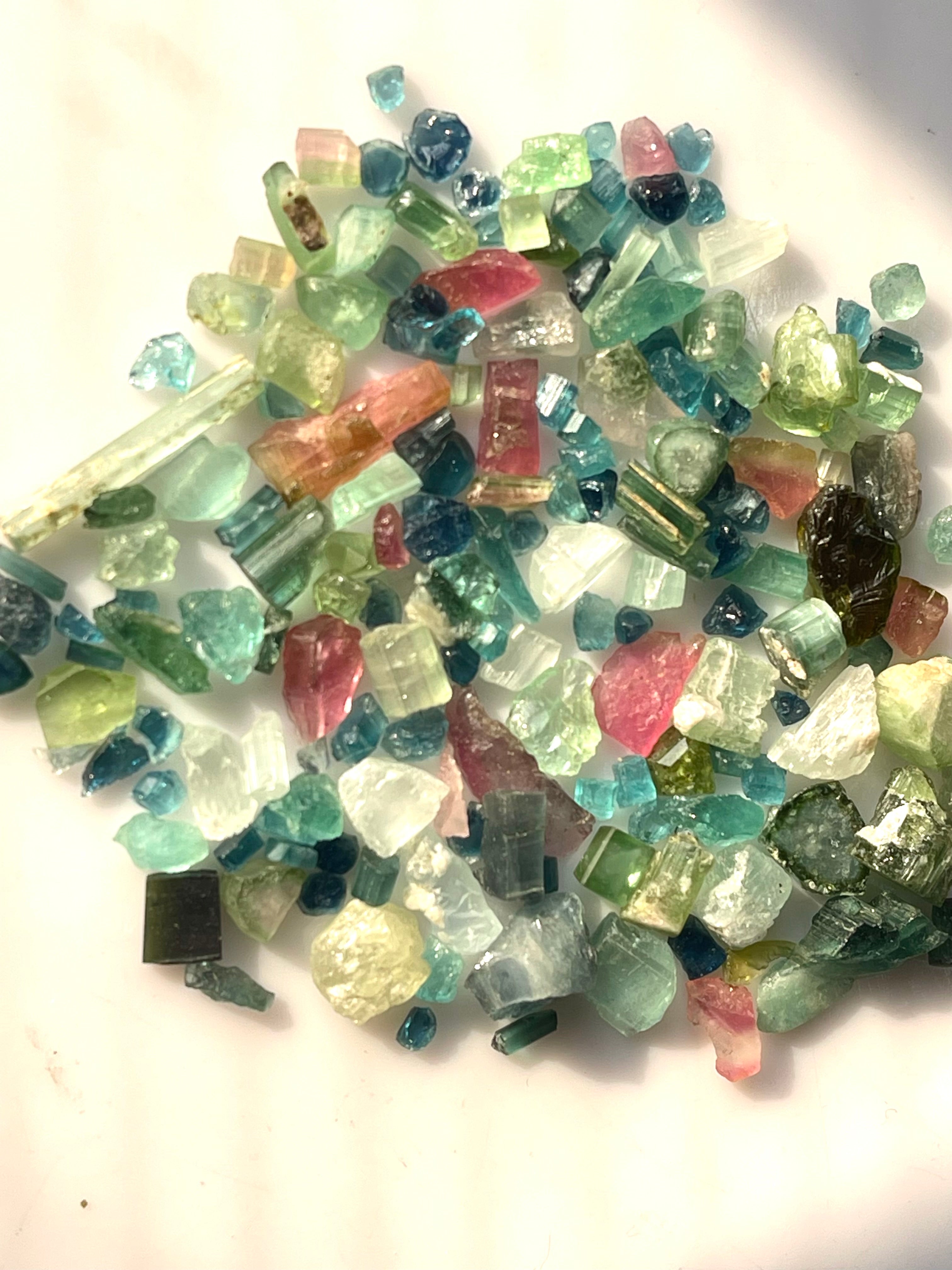
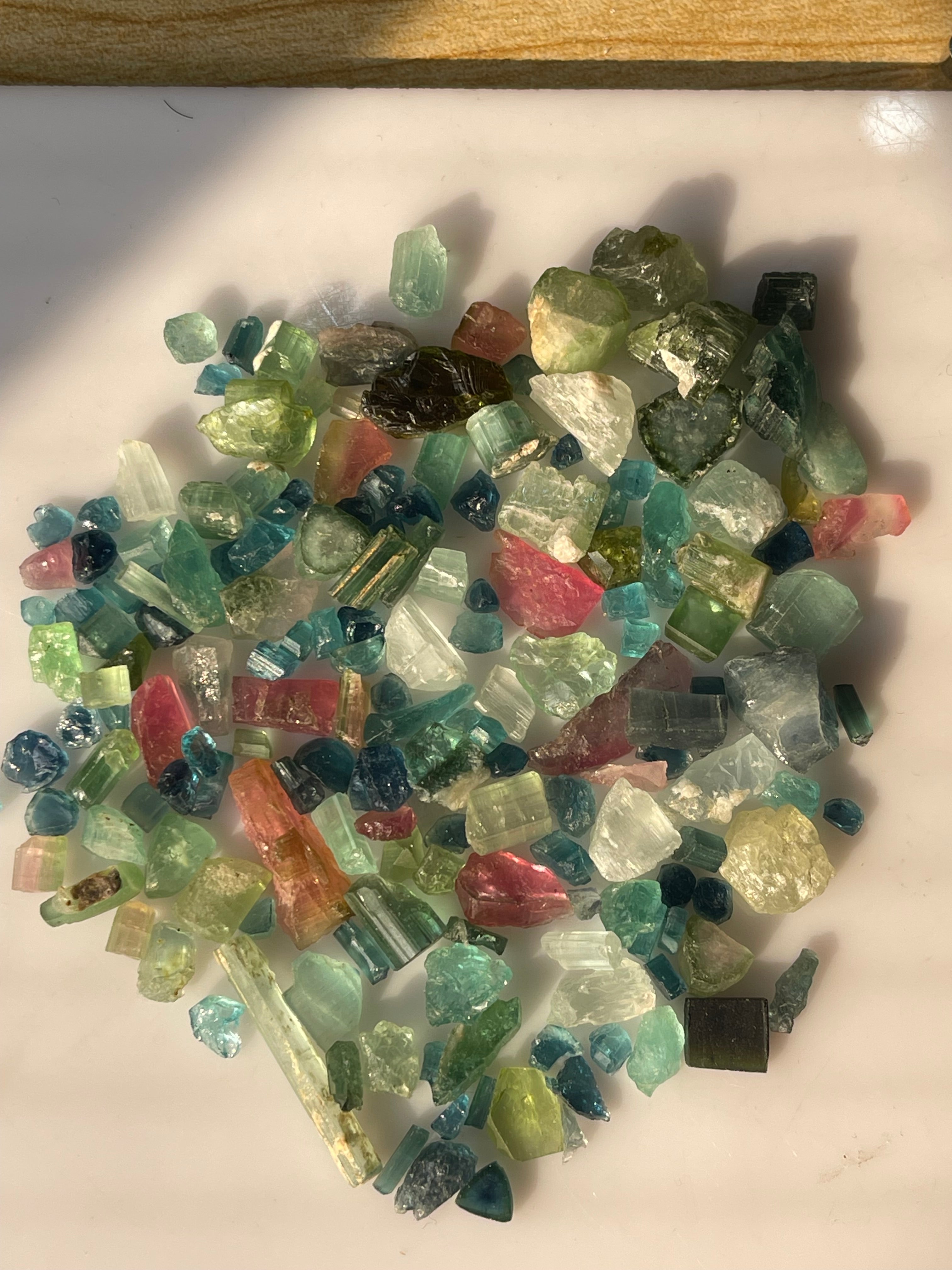
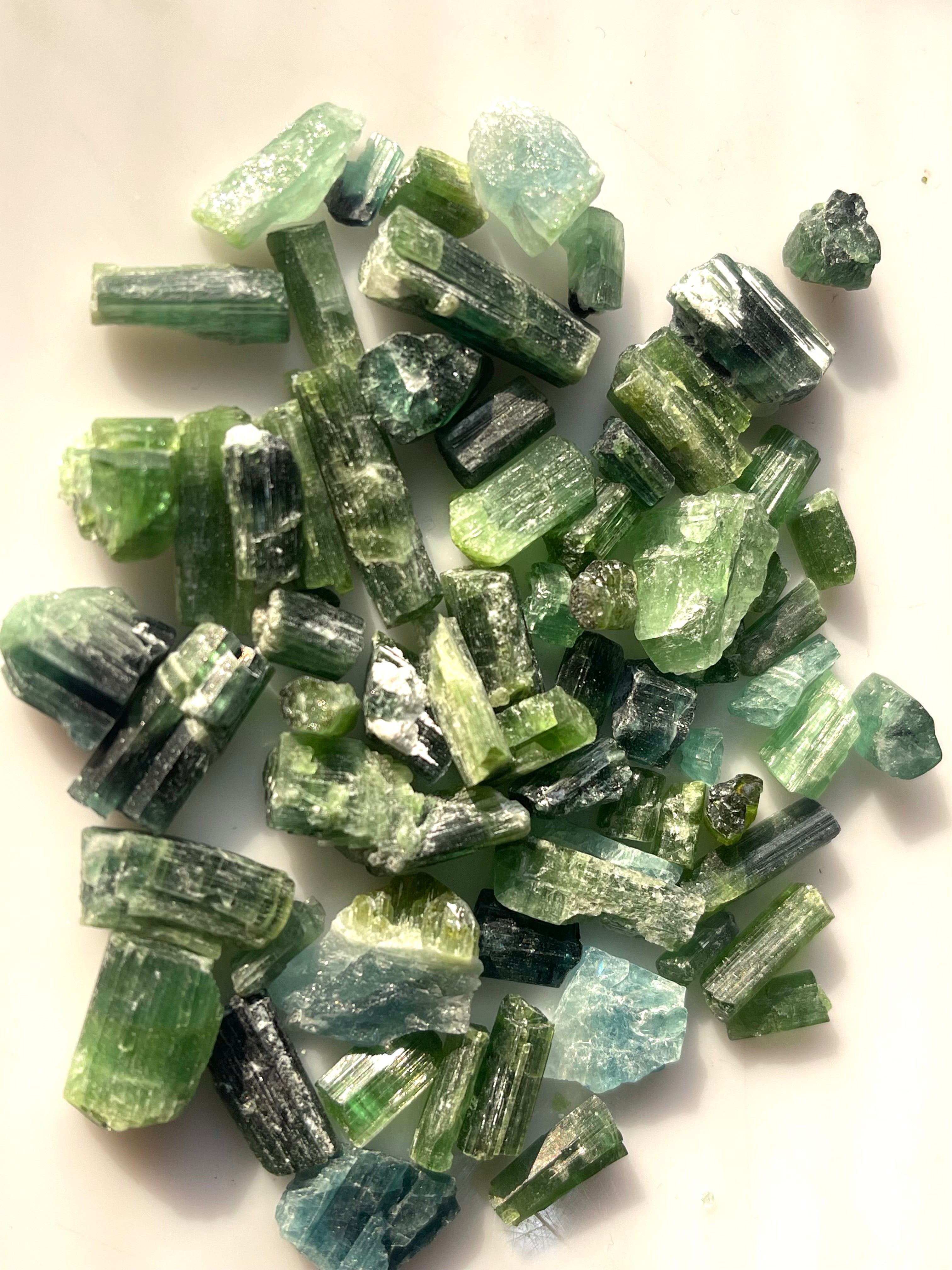
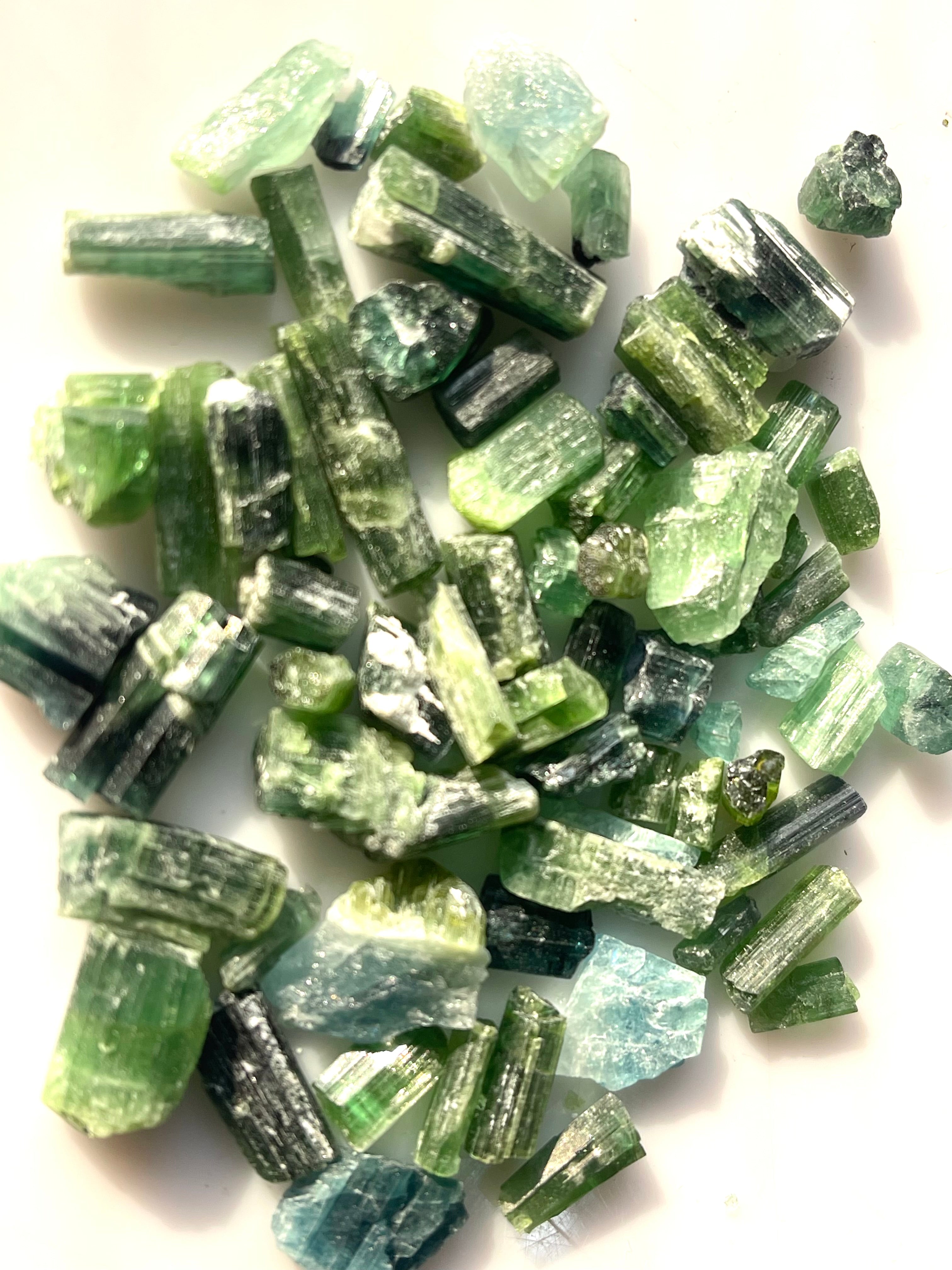
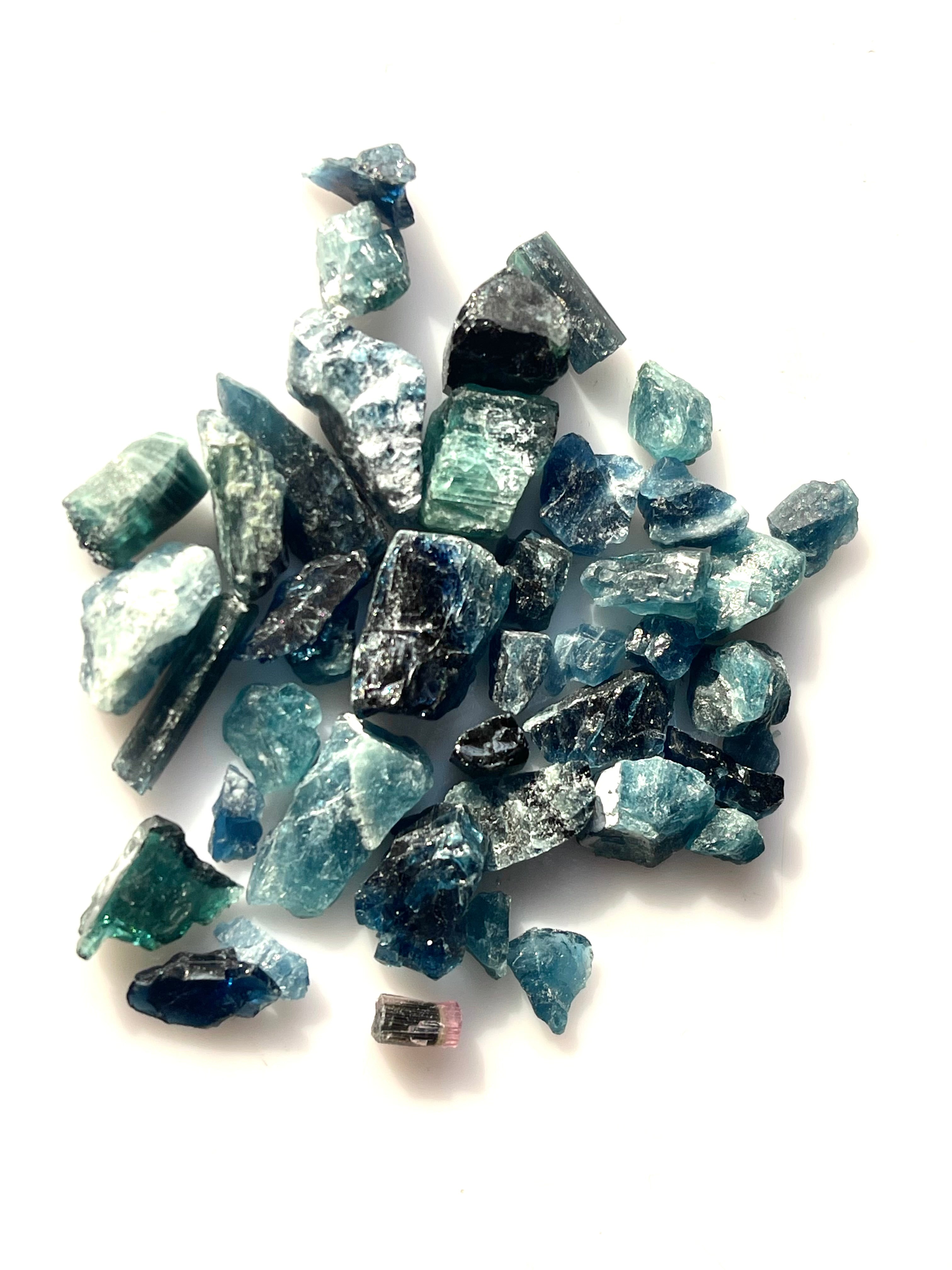


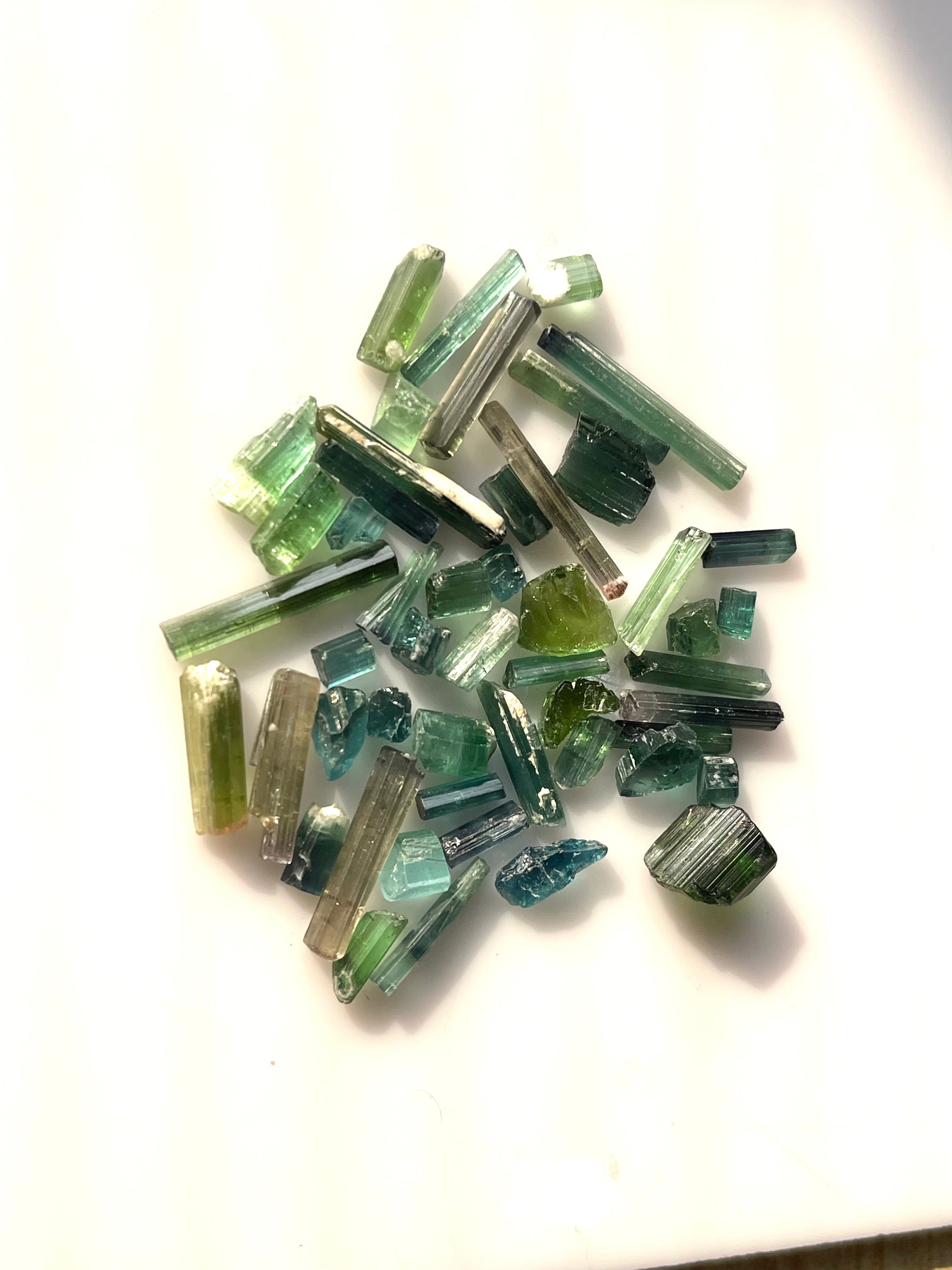
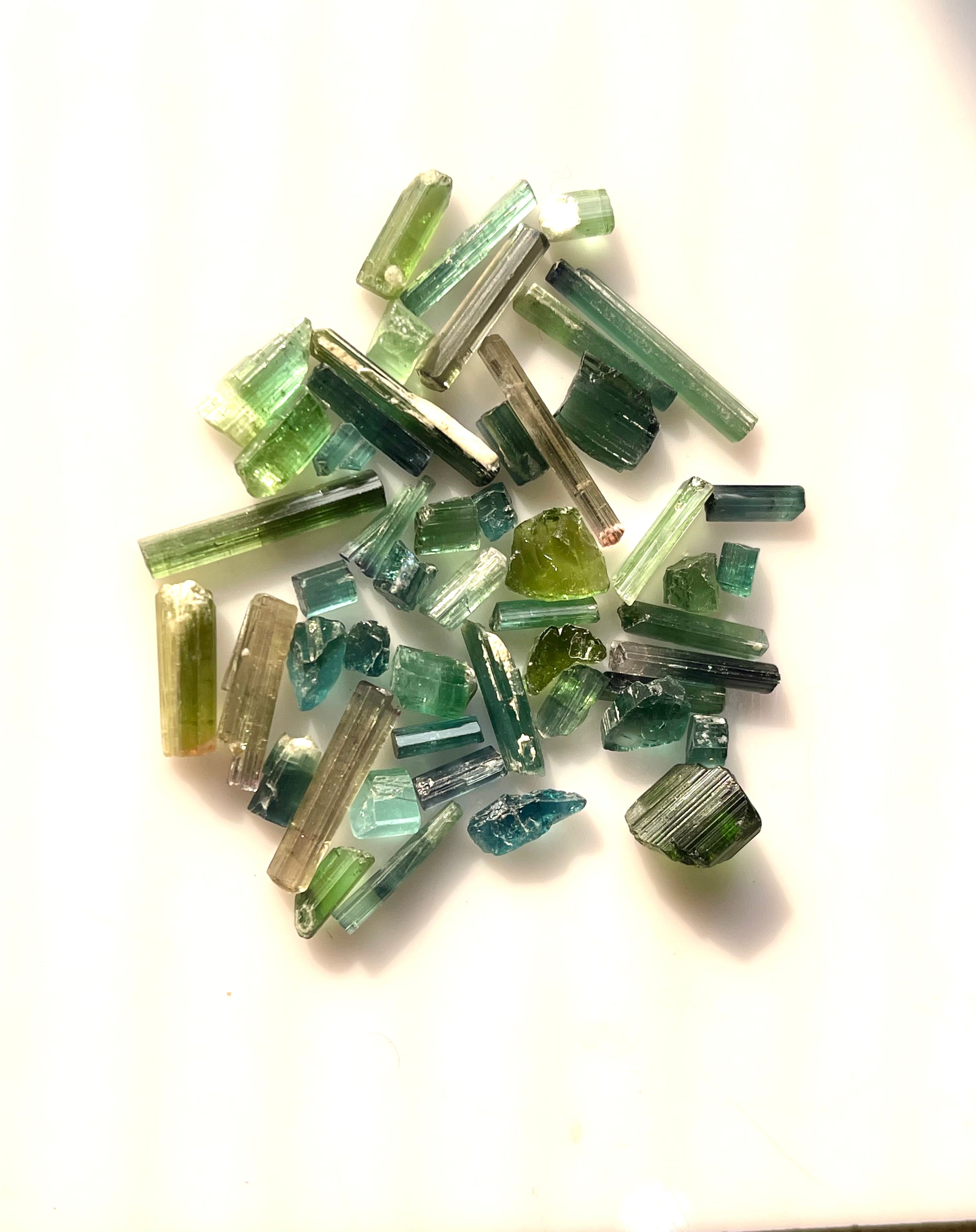
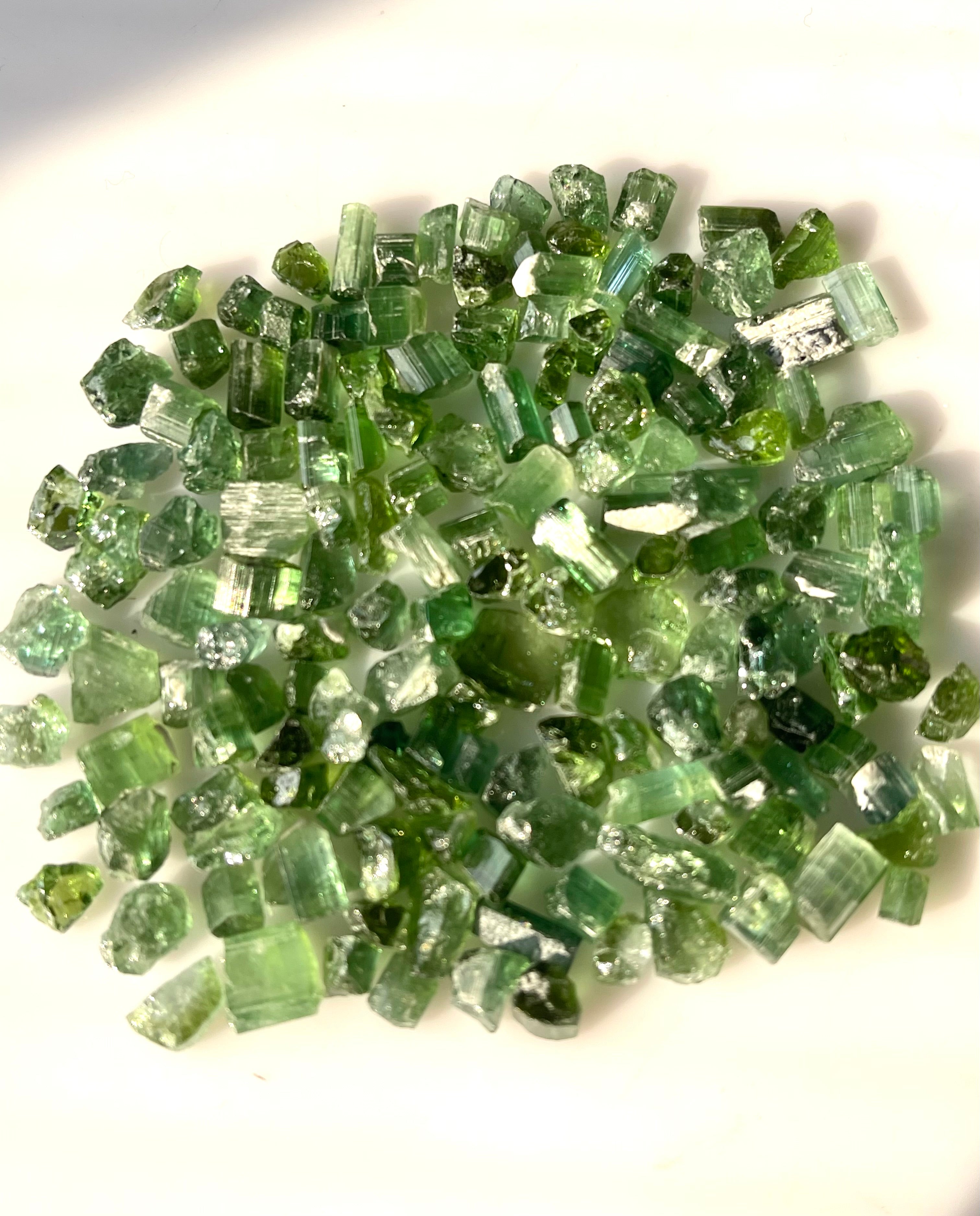
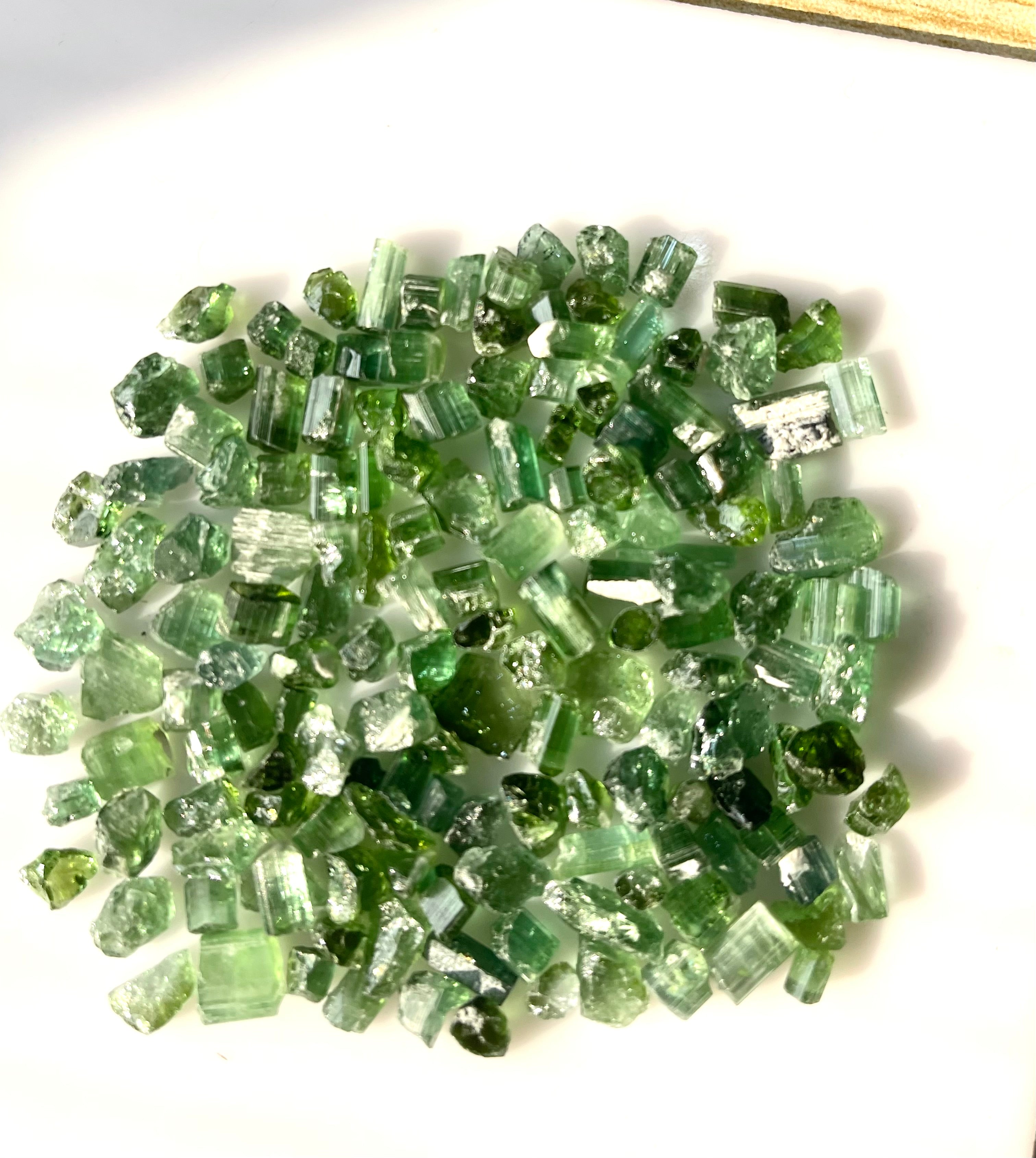
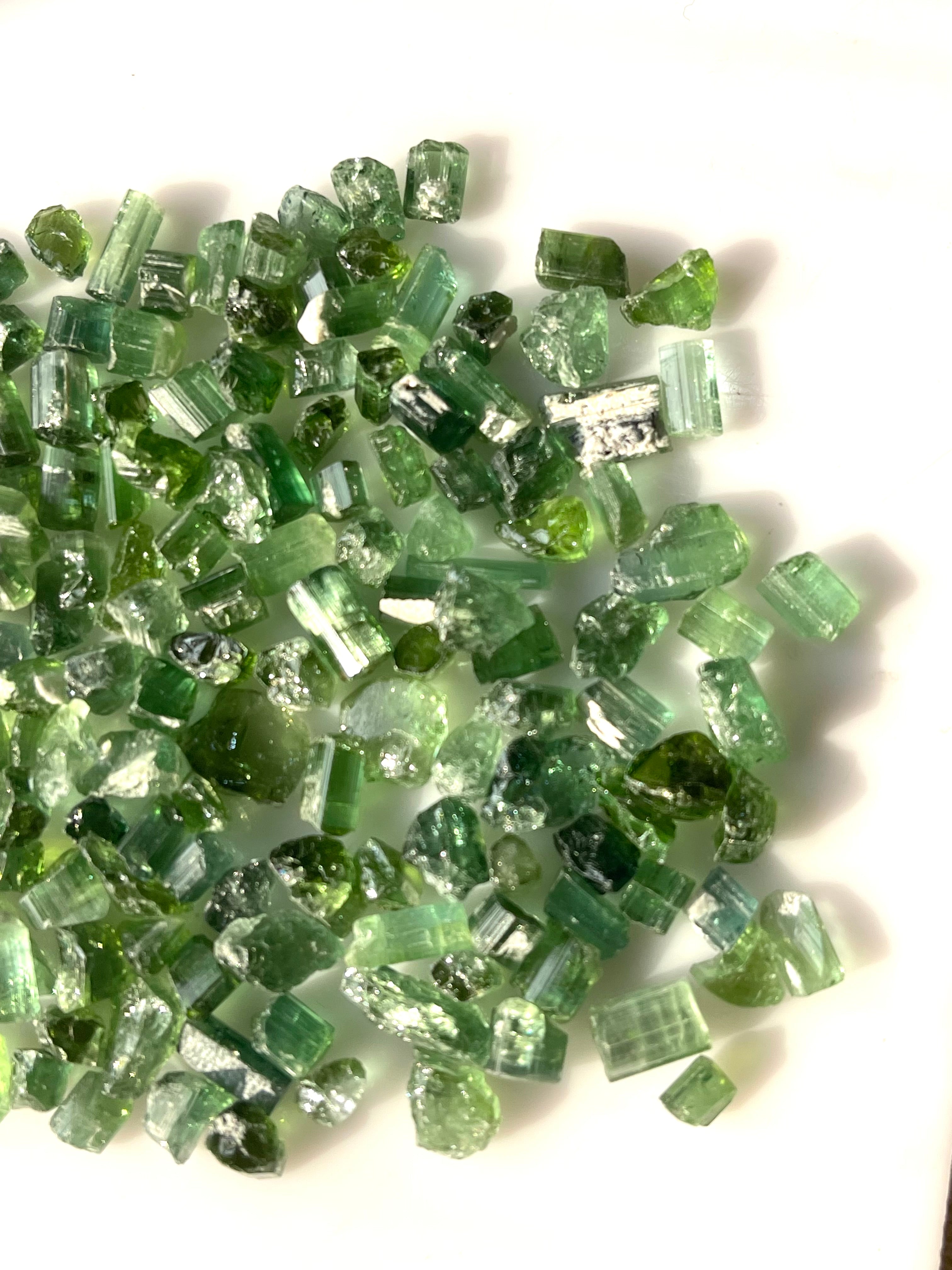


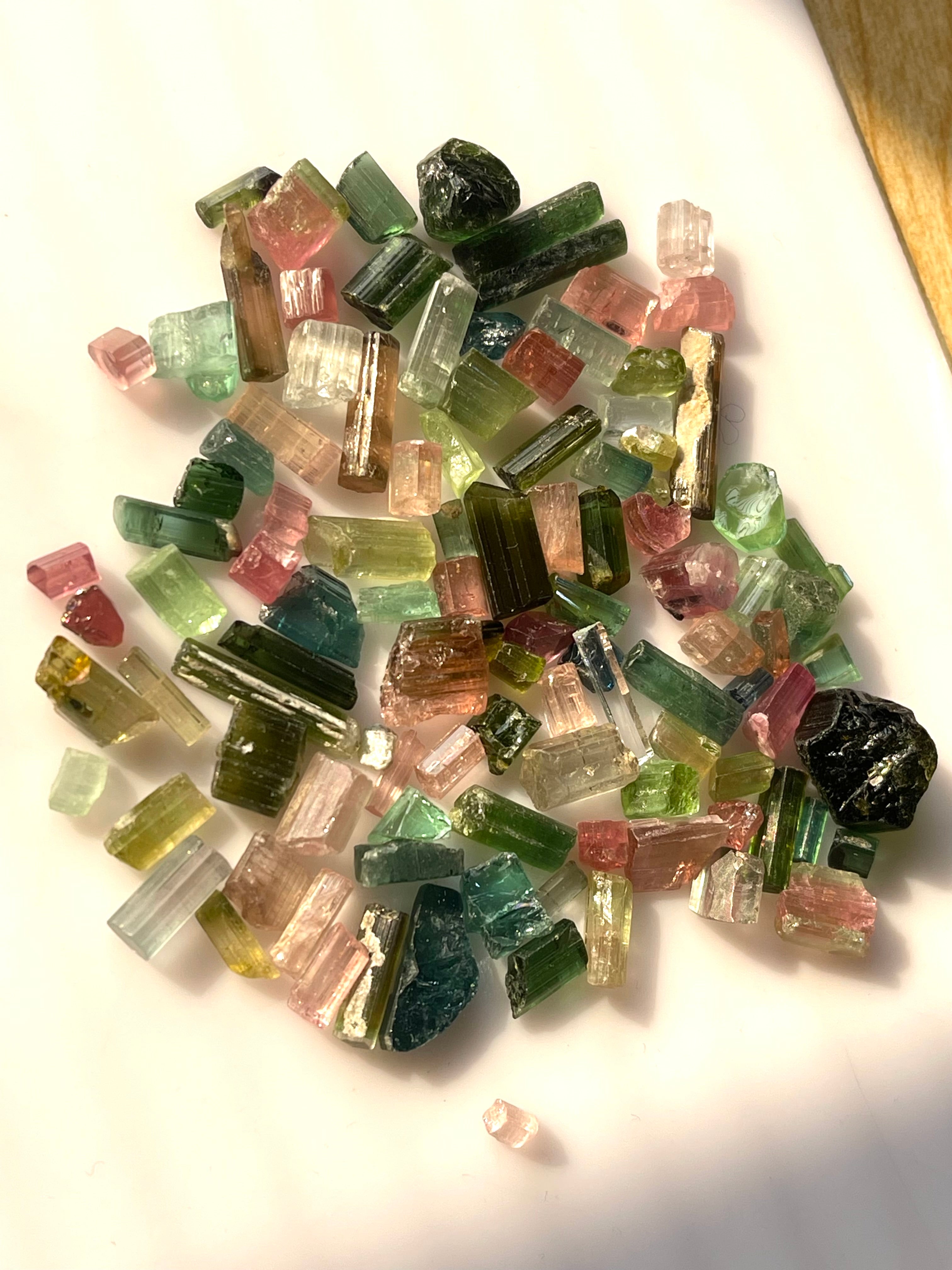
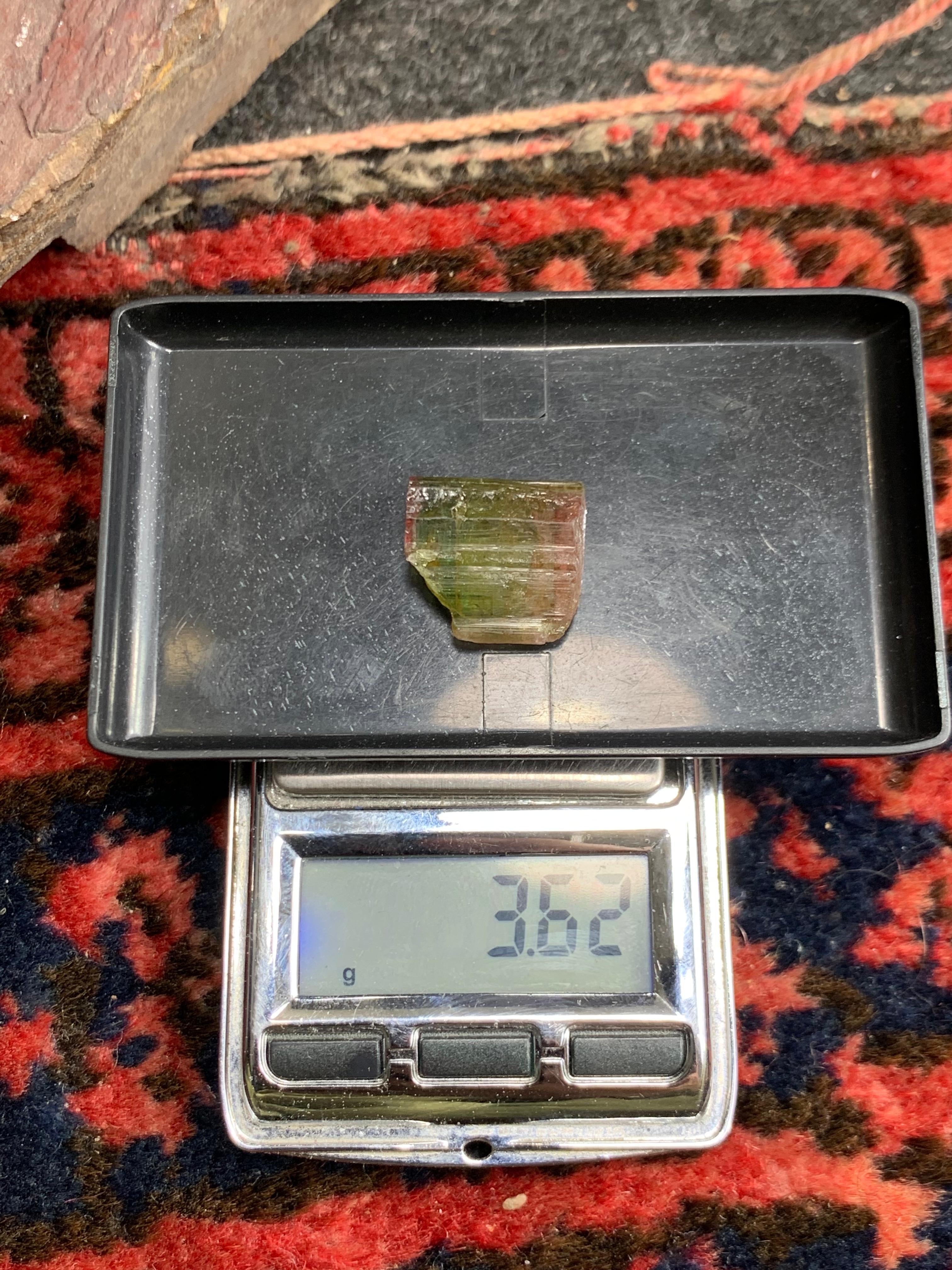
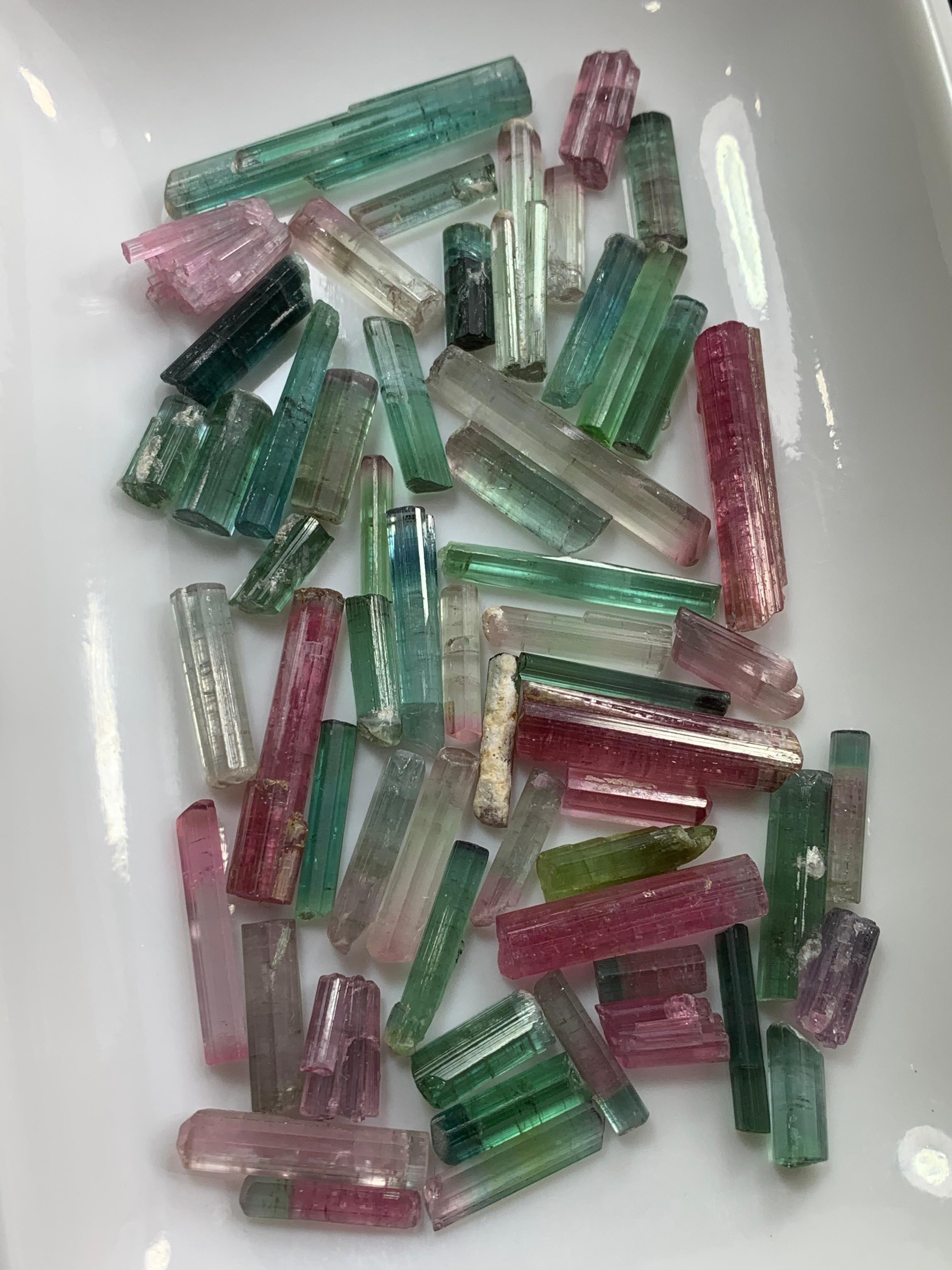
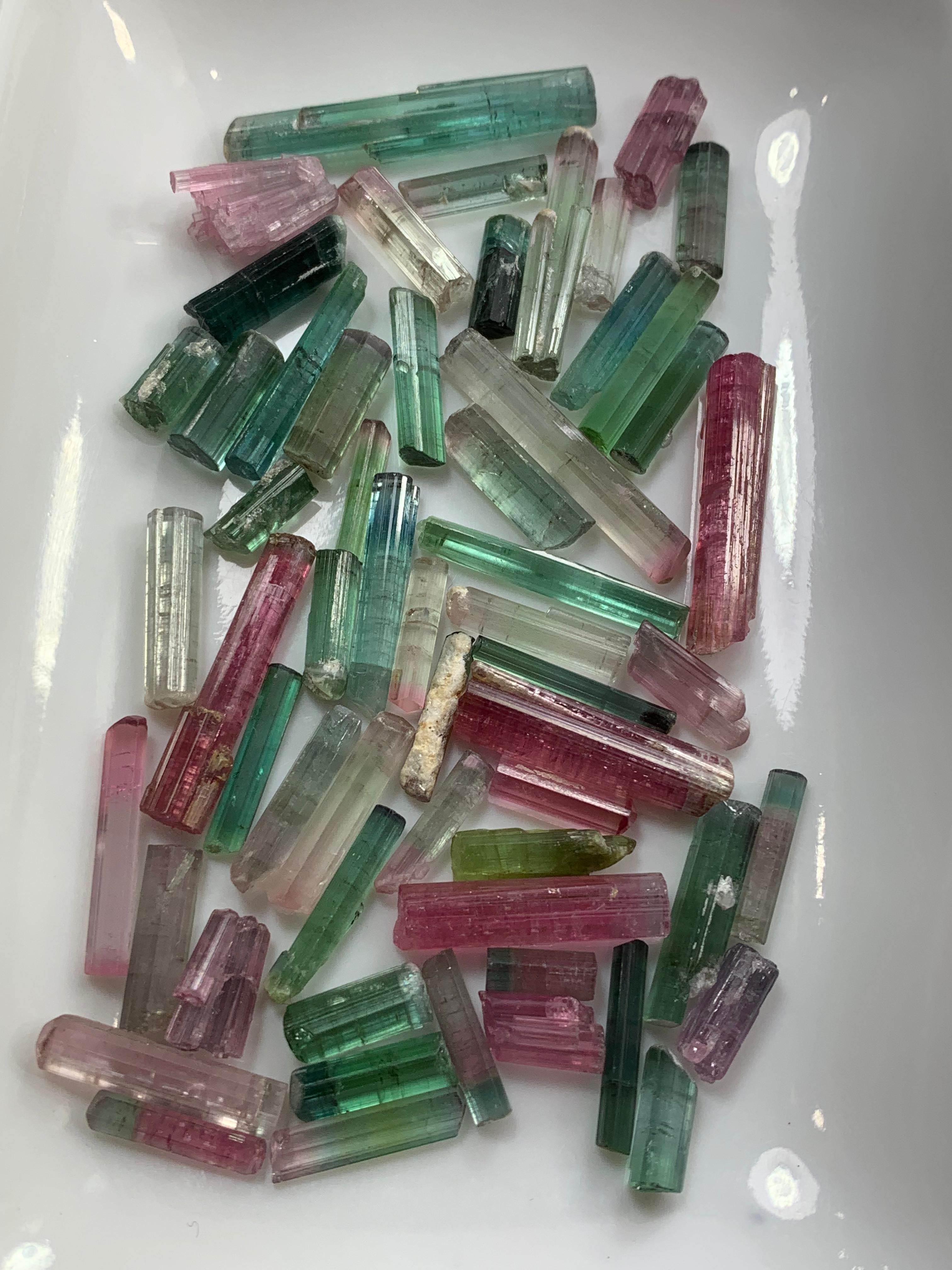
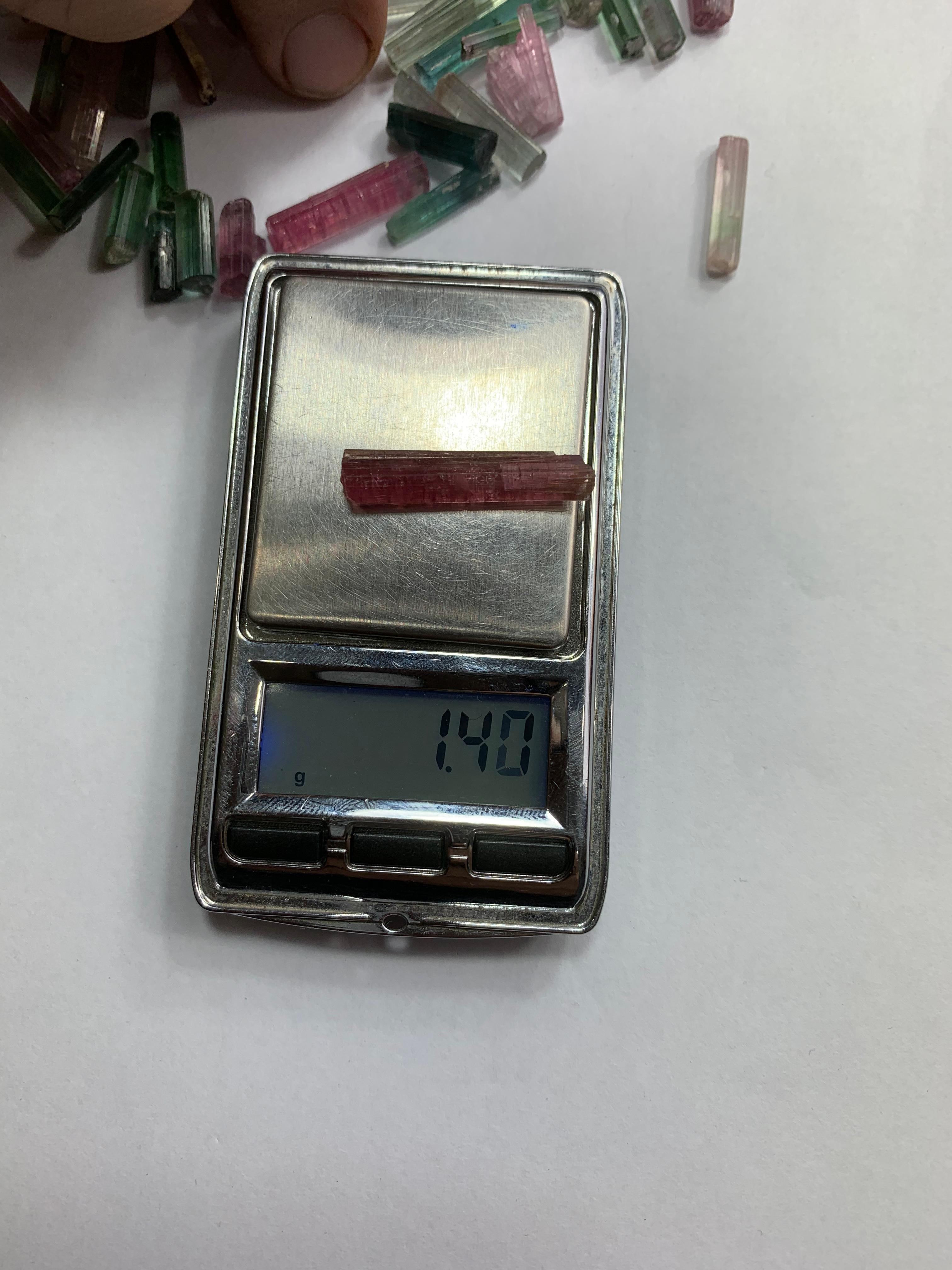
Natural Rough Tourmaline – Sourced Directly from Mining Regions
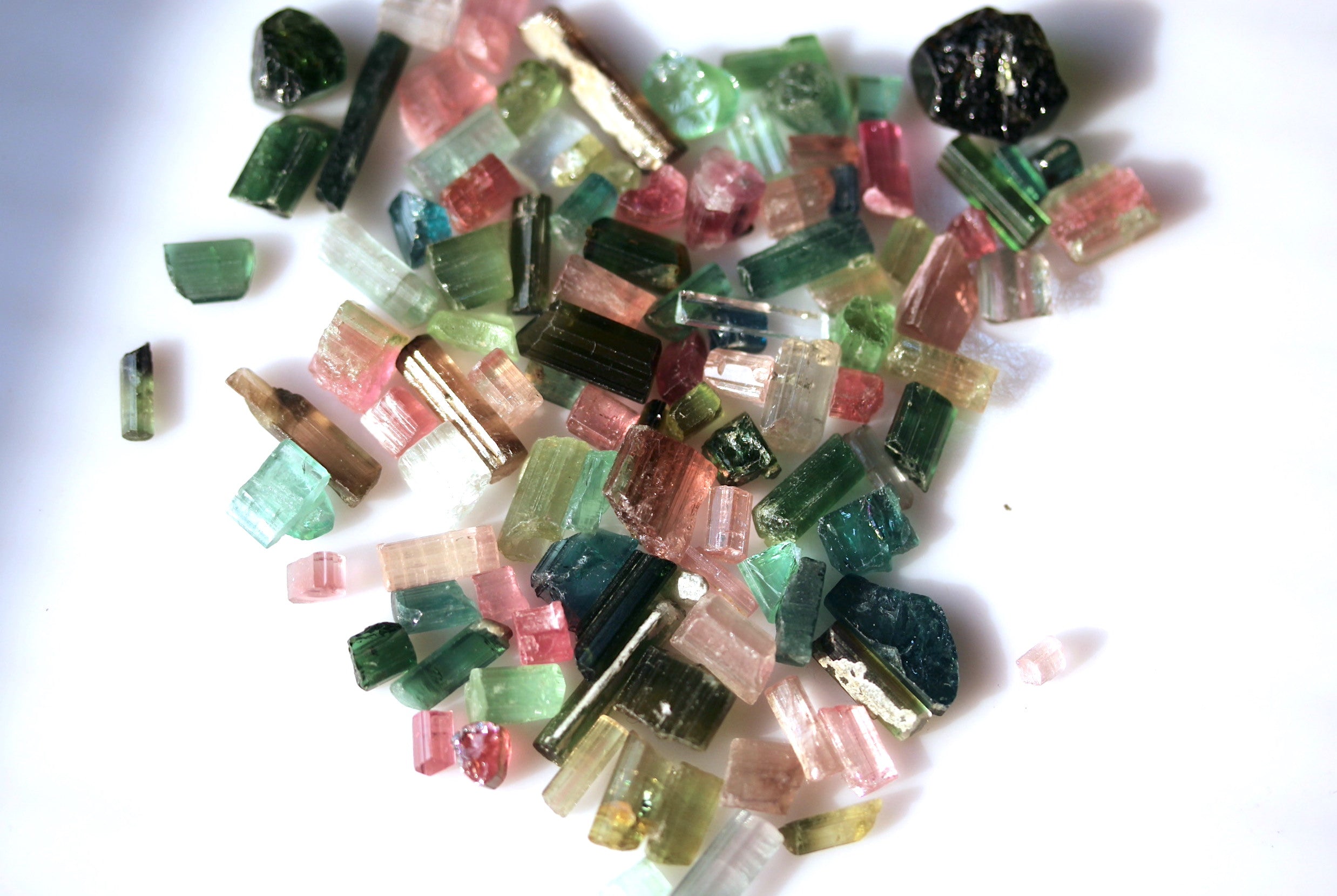
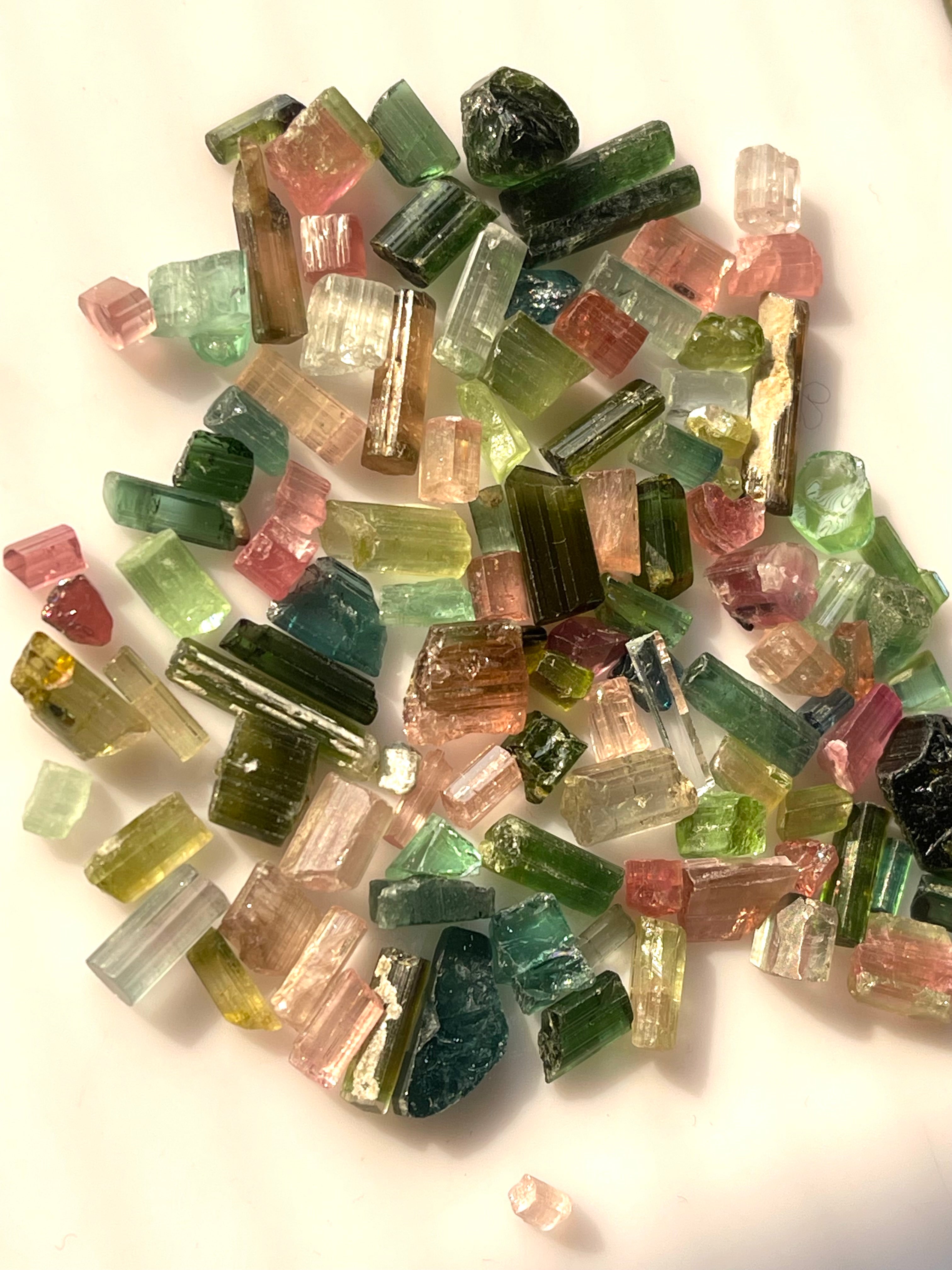
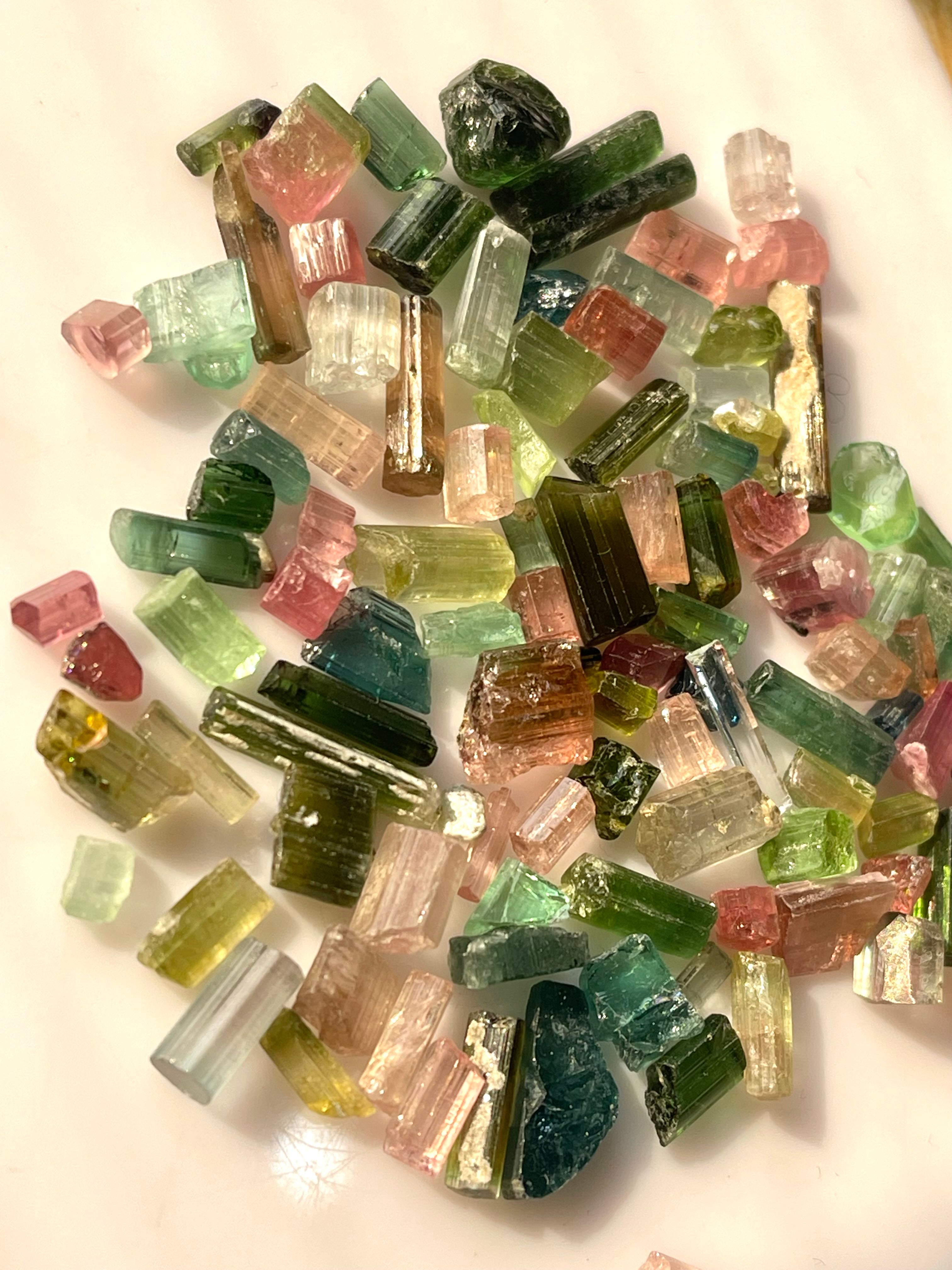
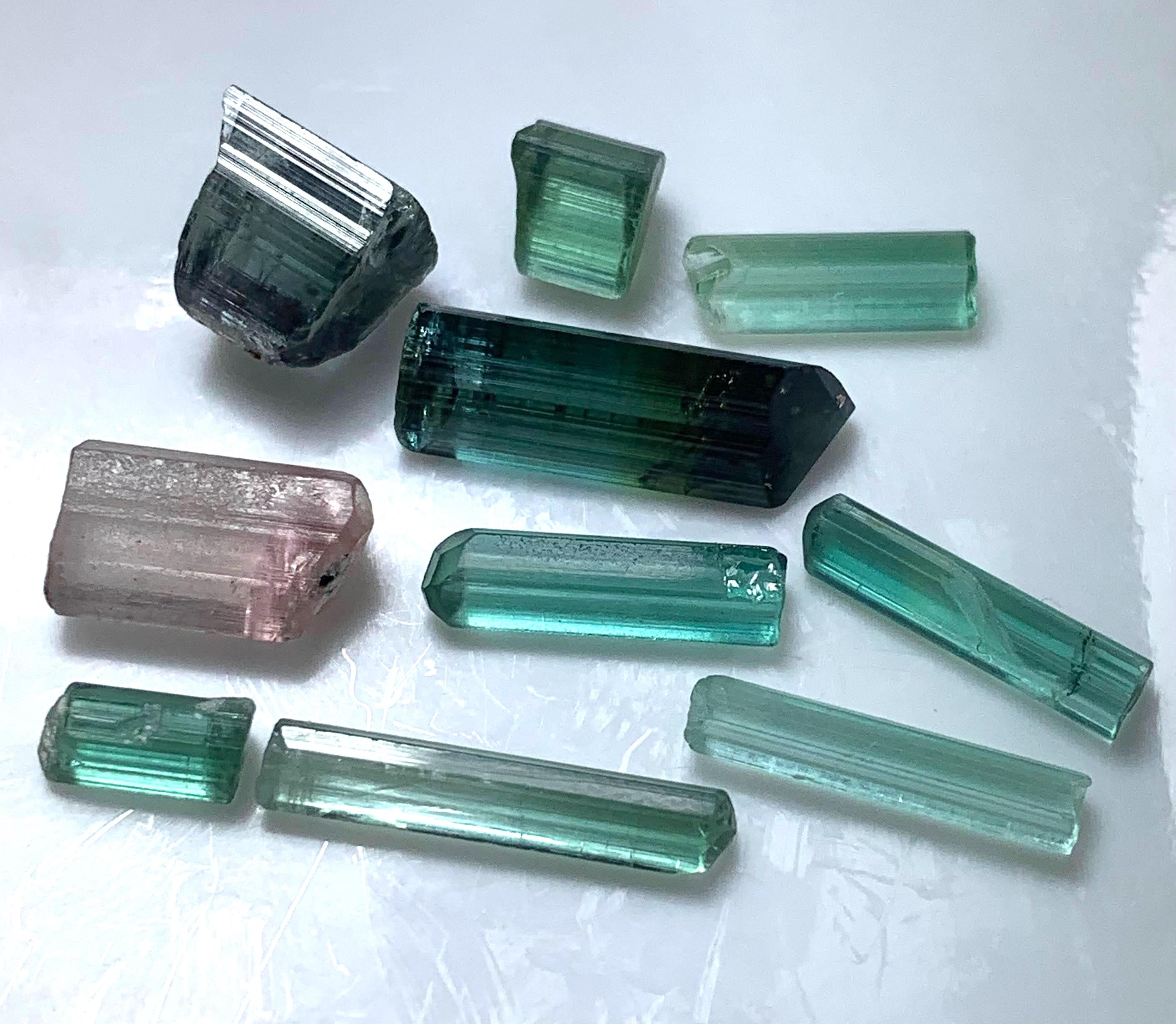
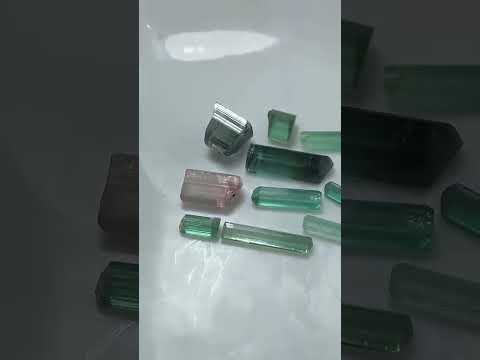
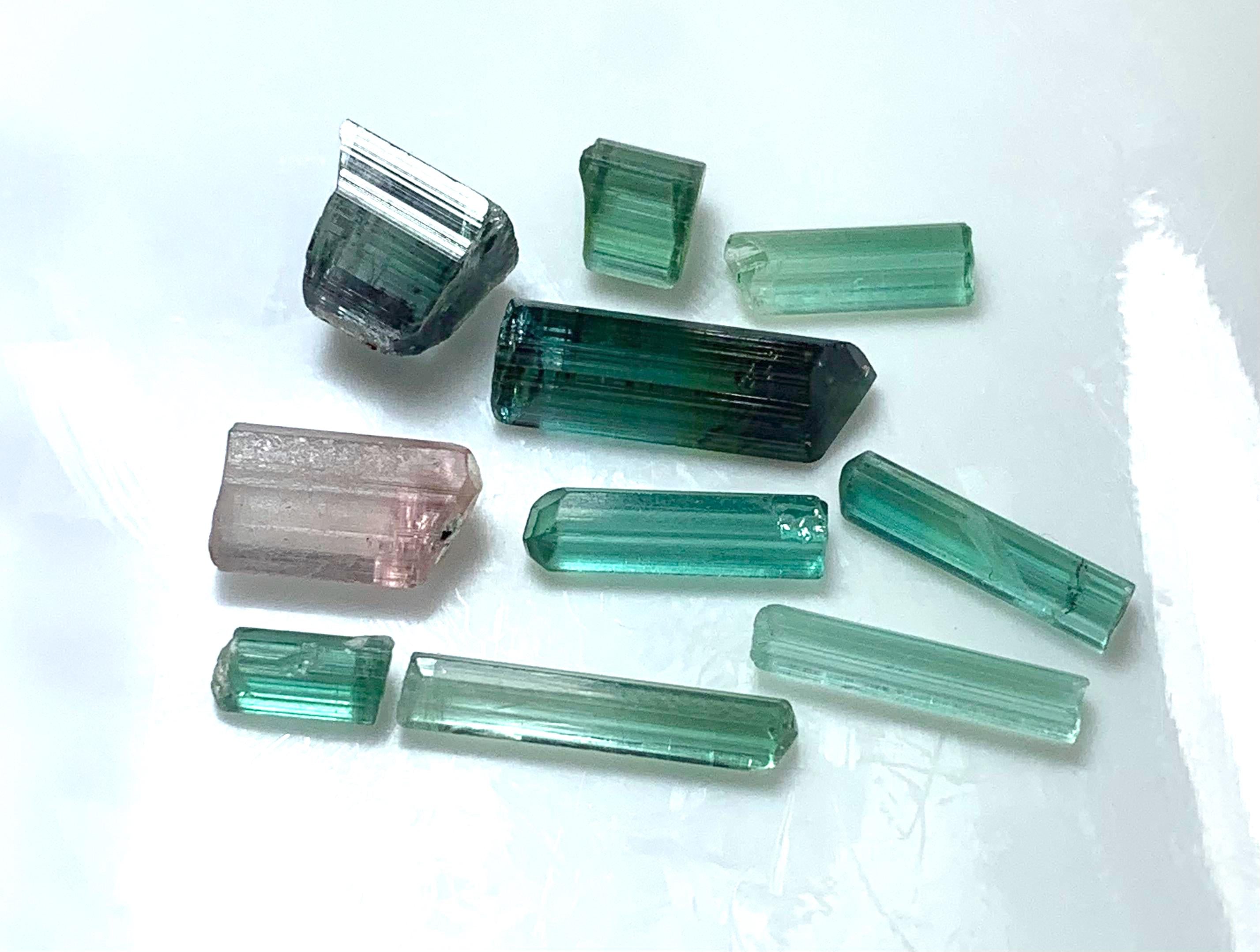
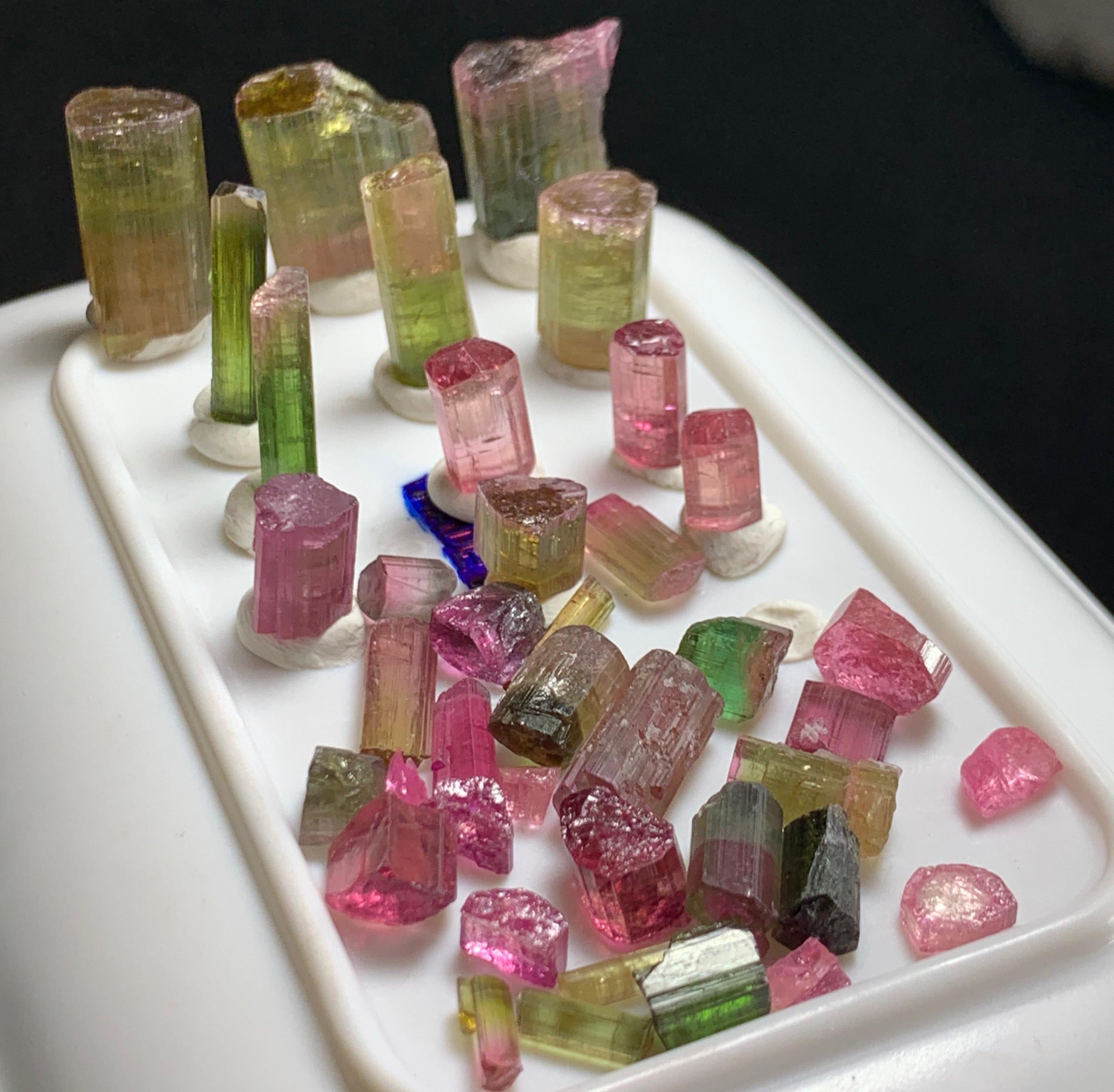
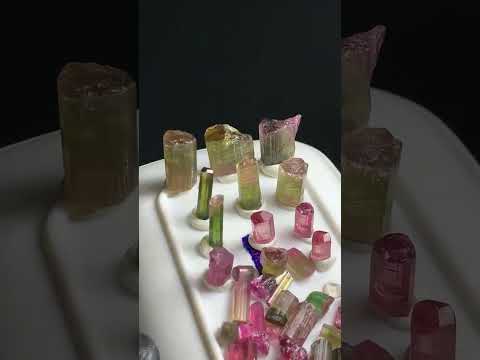
This collection brings together natural rough tourmaline crystals sourced from Afghanistan and Pakistan — two of the most productive tourmaline-bearing regions in the world. Whether you are a gem cutter looking for quality faceting material, a mineral collector building a display cabinet, or a lapidary artist sourcing raw stone for studio work, this collection is built around your specific needs. Every piece listed here is a natural, untreated tourmaline specimen or parcel, offered at transparent pricing with no hidden markups.
What This Collection Covers
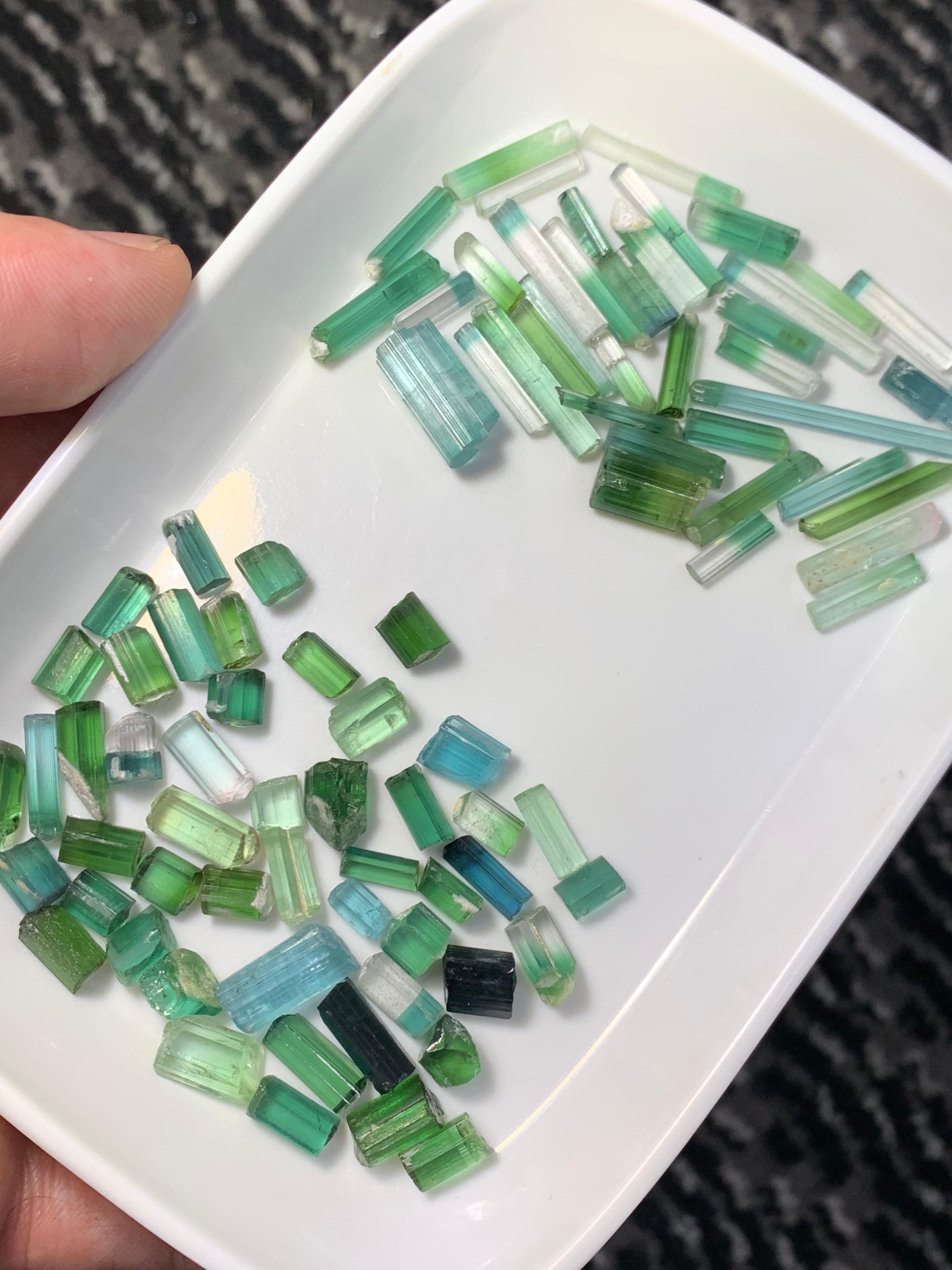
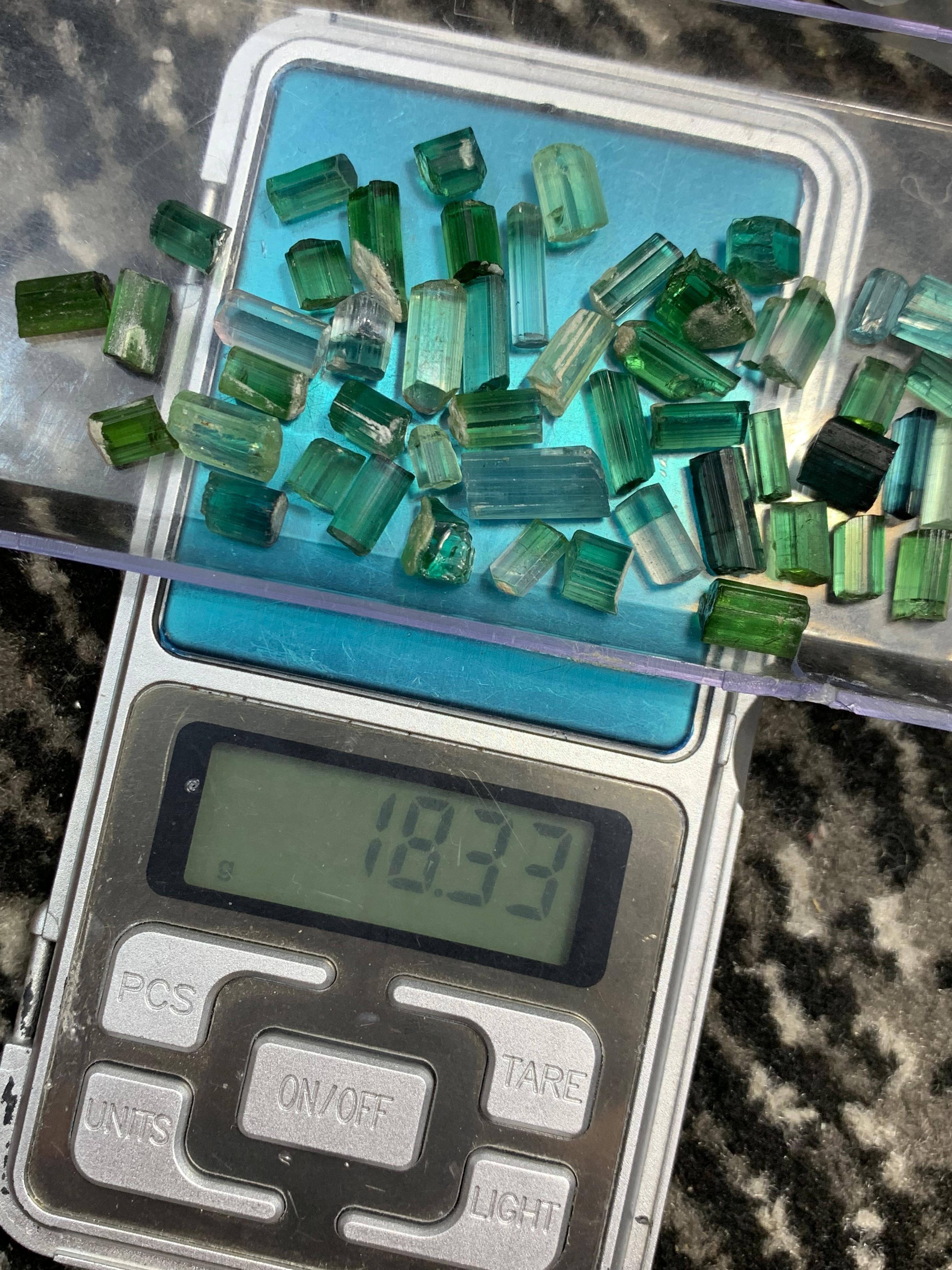
The rough tourmaline available here spans several distinct product categories, each suited to a different use case. Faceting rough parcels range from small single-stone lots to bulk carat deals exceeding 600 carats, with clarity grades from transparent to eye-clean. Mineral specimens include matrix pieces — tourmaline crystals naturally attached to feldspar or quartz host rock — ideal for display and collection. Lapidary rough is available in larger gram weights for cutting, shaping, and cabochon work. Raw crystal lots offer mixed-color assortments for buyers who want variety in a single purchase.
Color Range Across the Collection
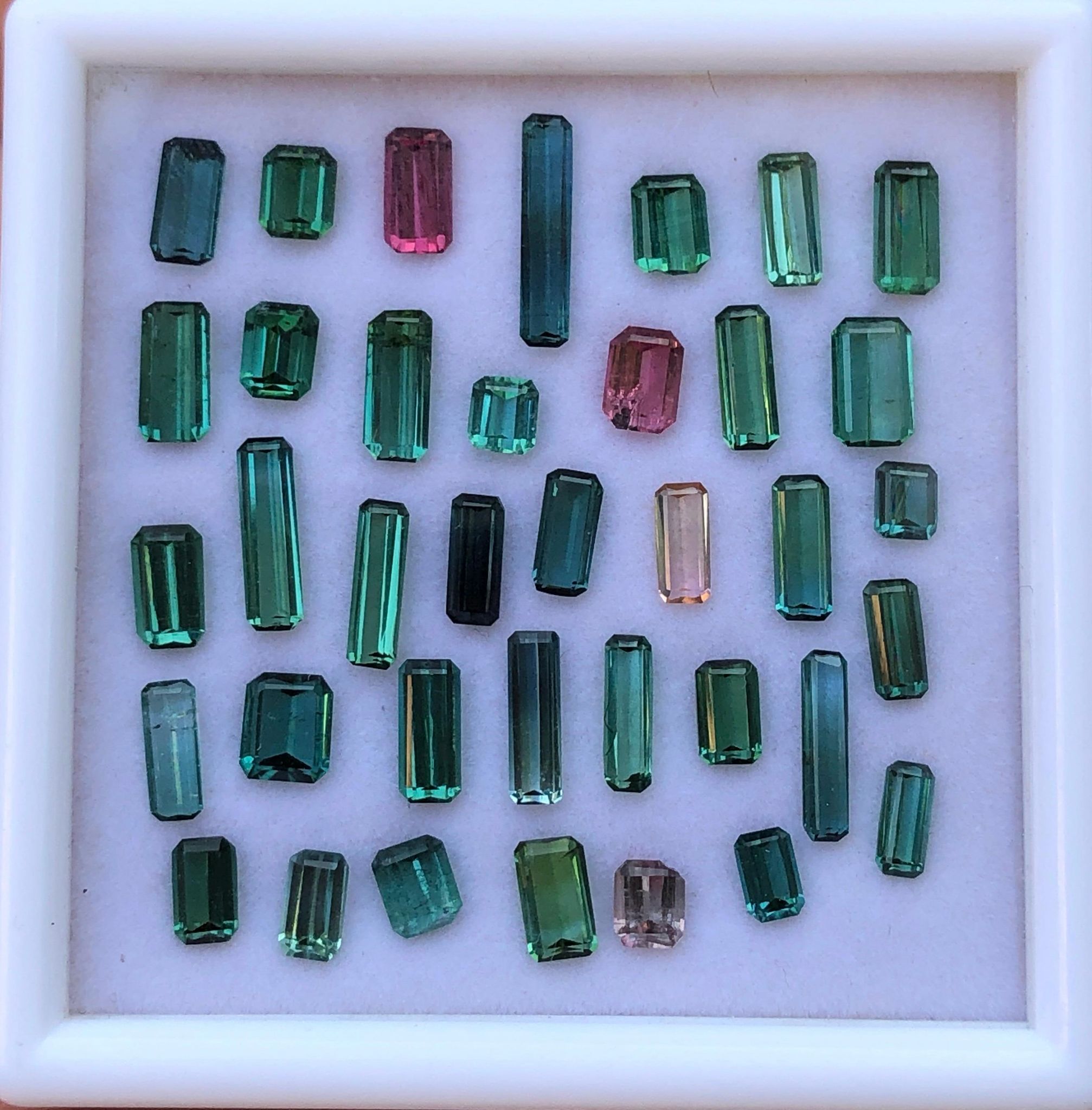
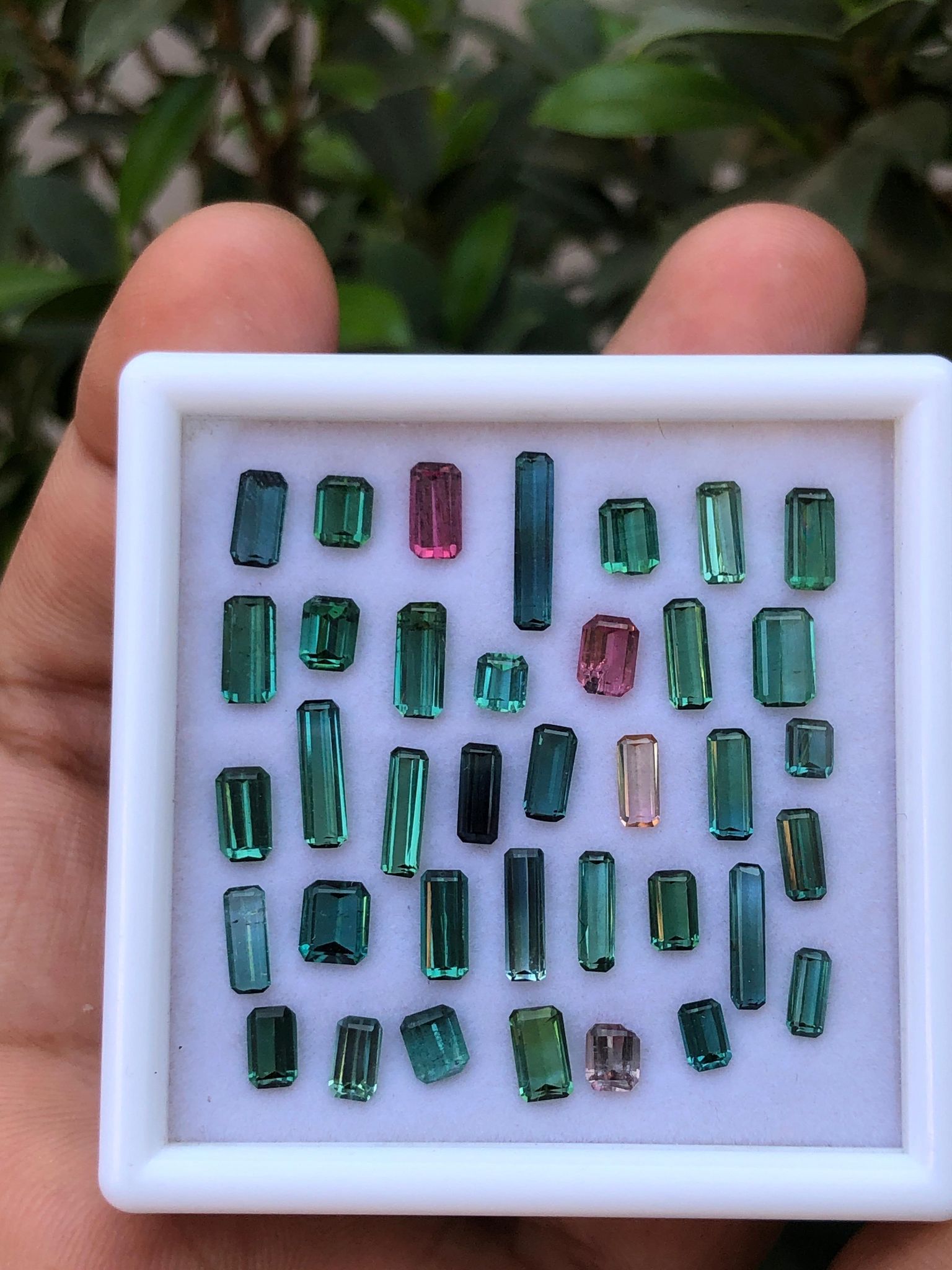
Tourmaline is one of the few gemstones that occurs naturally in nearly every color. This collection reflects that range: green tourmaline in mint, lagoon, and forest tones; indicolite blue and blue-green material; rubellite and pink tourmaline for warm-toned cuts; bi-color and multi-color crystals showing two or more hues in a single piece; and black tourmaline (schorl) for collectors and metaphysical buyers. Color zoning — where multiple colors appear within one crystal — is present across several listings.
Who Buys from This Collection
Gem cutters and lapidary artists purchase faceting rough and lapidary parcels to produce finished stones. Mineral collectors acquire matrix specimens and thumbnail pieces for display. Wholesale and trade buyers source bulk carat parcels to supply cutting houses or retail gem inventories. Jewelry designers working with raw stone settings or wire-wrapping techniques use smaller rough pieces directly in finished pieces. Researchers and educators use tourmaline specimens to study crystal systems, pleochroism, and color zoning. This collection serves all of these buyers with listings sized and priced accordingly.
Pricing Structure and Deal Types
Listings in this collection are priced per gram, per carat, or as fixed parcel deals depending on the product type. Wholesale parcel deals — available in weights from 45 grams to over 600 carats — offer the lowest per-carat cost and are structured for buyers purchasing in volume. Single specimen and thumbnail listings are priced individually based on weight, color quality, and matrix presentation. There are no minimum order requirements on most listings. Parcel deals are clearly labeled and represent the best value per unit weight in this collection.
Selecting the Right Product for Your Purpose
Start by identifying your intended use. If you plan to facet the material, look for listings marked as faceting rough with transparency grades of VS, SI, or eye-clean. If you are building a mineral display, prioritize matrix specimens with intact crystal terminations and visible host rock. For lapidary work such as cabochon cutting or tumbling, gram-weight parcels with mixed clarity are the most cost-effective option. If you are buying for resale or wholesale, the bulk carat parcel deals provide the best margin. Weight, clarity, and origin are listed on each product page to support your decision.
What Sets This Collection Apart
All tourmaline in this collection is natural and untreated unless explicitly stated otherwise. Origin is documented — the majority of material is sourced from Afghanistan, with select pieces from Skardu, Pakistan. Listings include actual gram or carat weights, not estimated ranges. Matrix specimens are photographed to show crystal habit, termination quality, and host rock. Parcel deals are assembled from material of consistent color and clarity rather than mixed-grade lots. New arrivals are added regularly, and the collection is updated as fresh material becomes available from source.
Who Can Purchase from This Collection
This collection is open to individual buyers, gem cutters, lapidary studios, mineral dealers, jewelry designers, and wholesale trade buyers. There is no trade account requirement. Buyers outside the United States can purchase through the standard checkout with international shipping options available at checkout. Bulk buyers and repeat trade customers are encouraged to contact us directly for volume pricing on larger parcel quantities.
Why Source Your Tourmaline Here
Folkmarketgems operates with direct-from-source procurement, which removes intermediary markups and keeps pricing competitive for both retail and trade buyers. Each listing is based on actual stock — what you see is what ships. Product descriptions include factual weight, origin, clarity, and treatment data rather than marketing language. The catalog is updated with new material as it arrives from mining regions, giving buyers access to fresh stock rather than aged inventory.
Secure Checkout and Worldwide Delivery
All orders are processed through Shopify's secure checkout with encrypted payment handling. We ship worldwide, with packaging designed specifically for fragile mineral specimens and rough gemstone material to prevent transit damage. Tracking is provided on all shipments.
Frequently Asked Questions
What is the difference between faceting rough and lapidary rough tourmaline?
Faceting rough is transparent or near-transparent material selected for cutting into faceted gemstones. Lapidary rough includes opaque or lower-clarity material used for cabochons, tumbling, or shaping work where transparency is not required.
Are the tourmaline parcels in this collection sorted by color or mixed?
Both options are available. Some parcel deals are single-color lots such as green or indicolite blue. Others are multi-color assortments containing blue, green, and pink material in one purchase. Each listing specifies the color composition.
Do the mineral specimen listings include the matrix rock, or is it just the crystal?
Matrix specimens are listed with the host rock intact — typically feldspar or quartz. The product title and description confirm whether the piece is a matrix specimen or a detached crystal, so you can select based on your display preference.
What carat sizes are available in the faceting rough parcels?
Individual piece sizes within parcels generally range from under 1 carat to approximately 25 mm per piece, depending on the listing. Carat size ranges are noted in the product details where applicable, allowing cutters to plan yield before purchasing.
Is the tourmaline from Afghanistan heat-treated or enhanced in any way?
The majority of tourmaline listed here is untreated. Treatment status is documented on each product page. Where no treatment is listed, the material is natural as-mined. Any exceptions are explicitly stated in the product description.