
Filters
27 items
Sort Best selling
-
0.70 carats Octagonal Pigeon Blood Natural Kashmir Ruby Stone | Red Ruby Loose Stone -
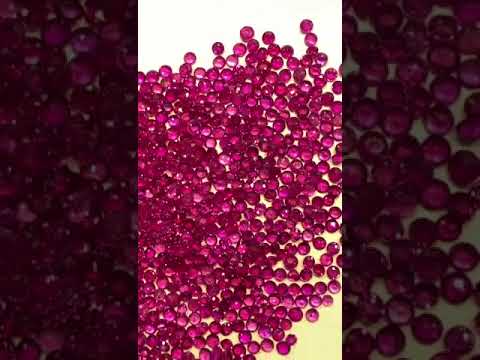
2.5 to 3.9 mm Round Pink Ruby Loose Stone Deals 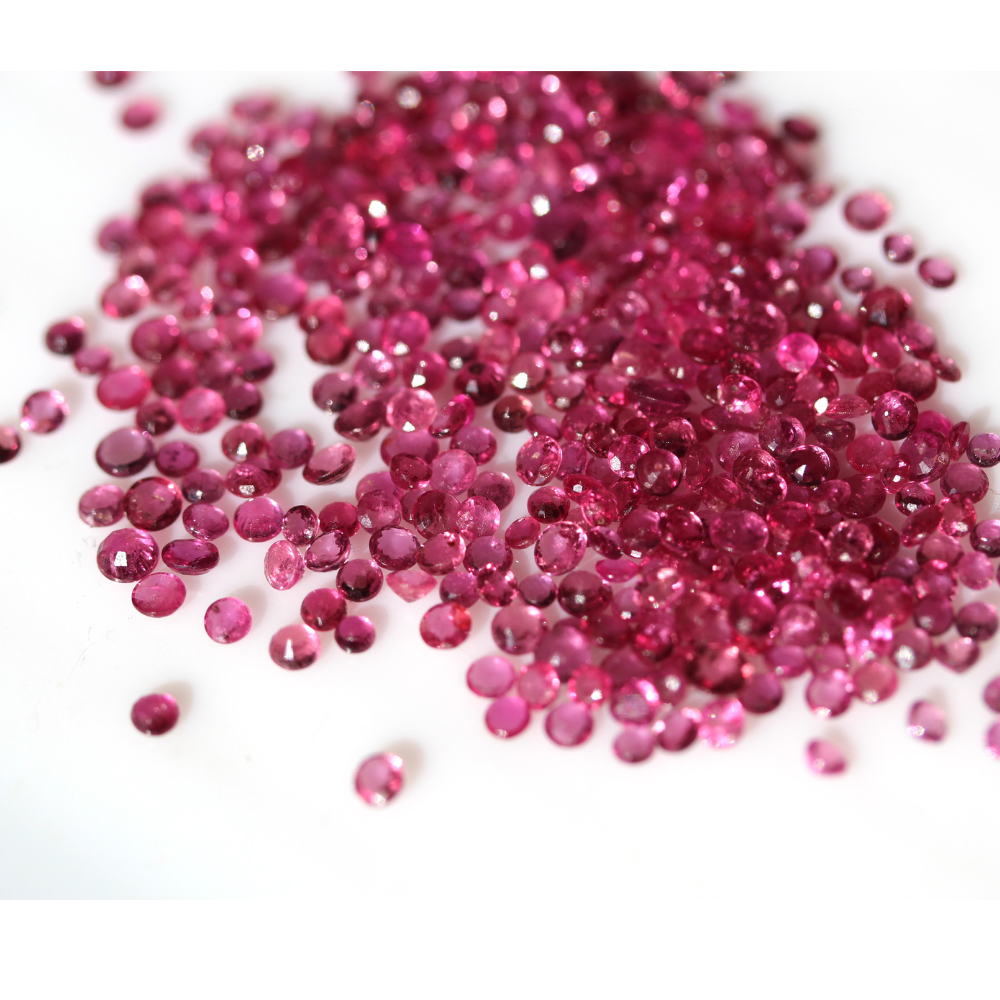 Sale
Sale2.5 to 3.9 mm Round Pink Ruby Loose Stone Deals
2.5 to 3.9 mm Round Pink Ruby Loose Stone Deals
$250.00 USDSale price $250.00 USD Regular price $300.00 USD -
8 carats natural Kashmir Rubies pigeon blood 
8 carats natural Kashmir Rubies pigeon blood
8 carats natural Kashmir Rubies pigeon blood
$1,200.00 USDSale price $1,200.00 USD Regular price -
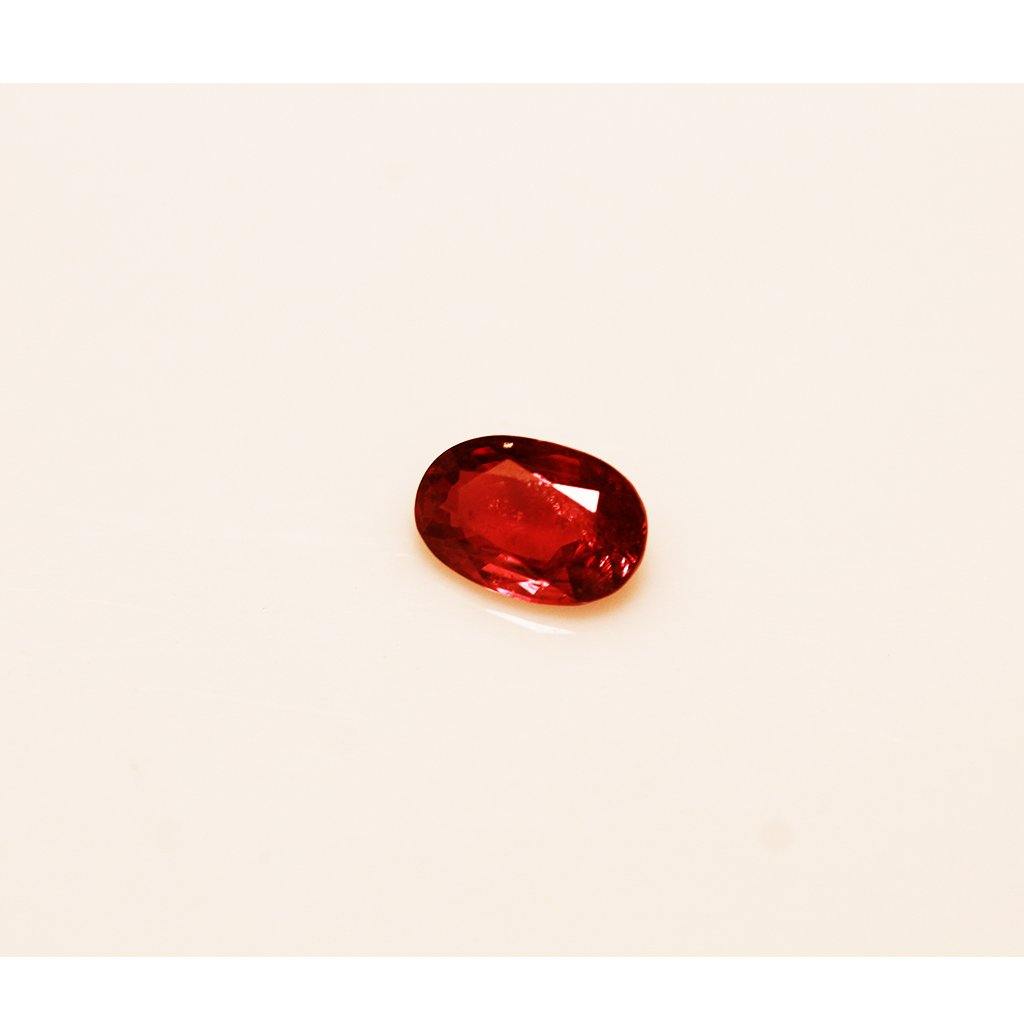
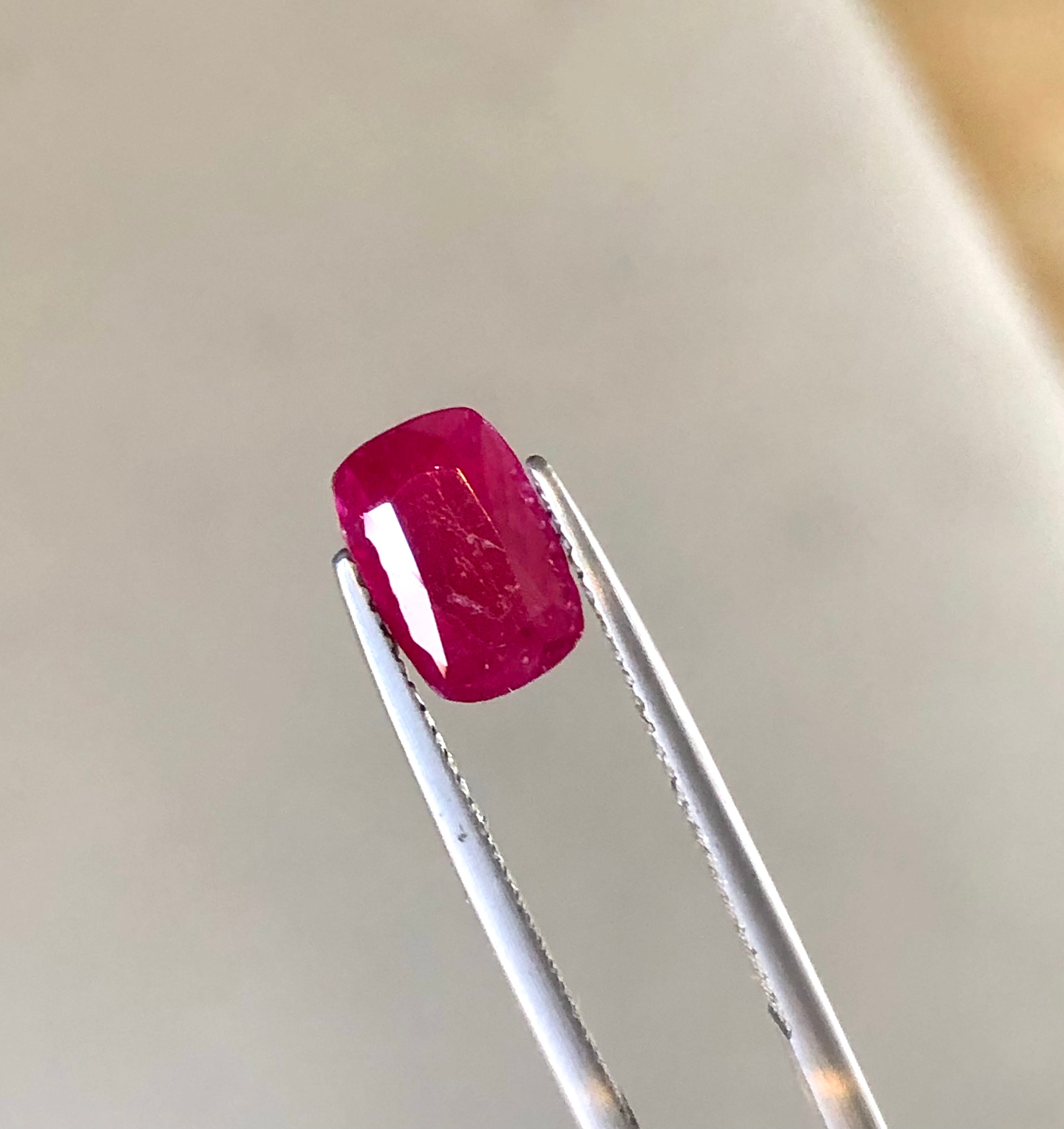
0.80ct Oval Natural Ruby Loose Gemstone for Sale -
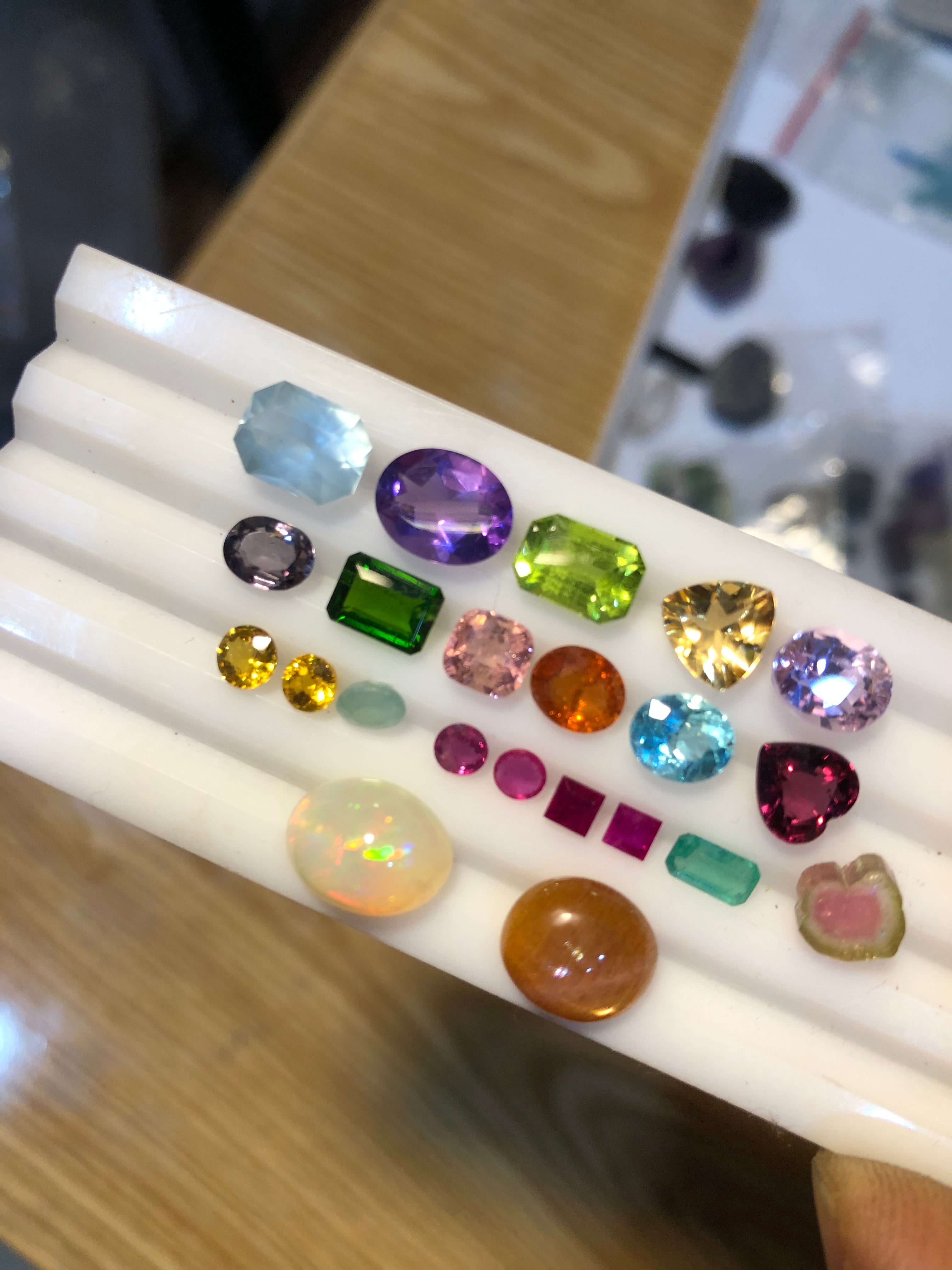
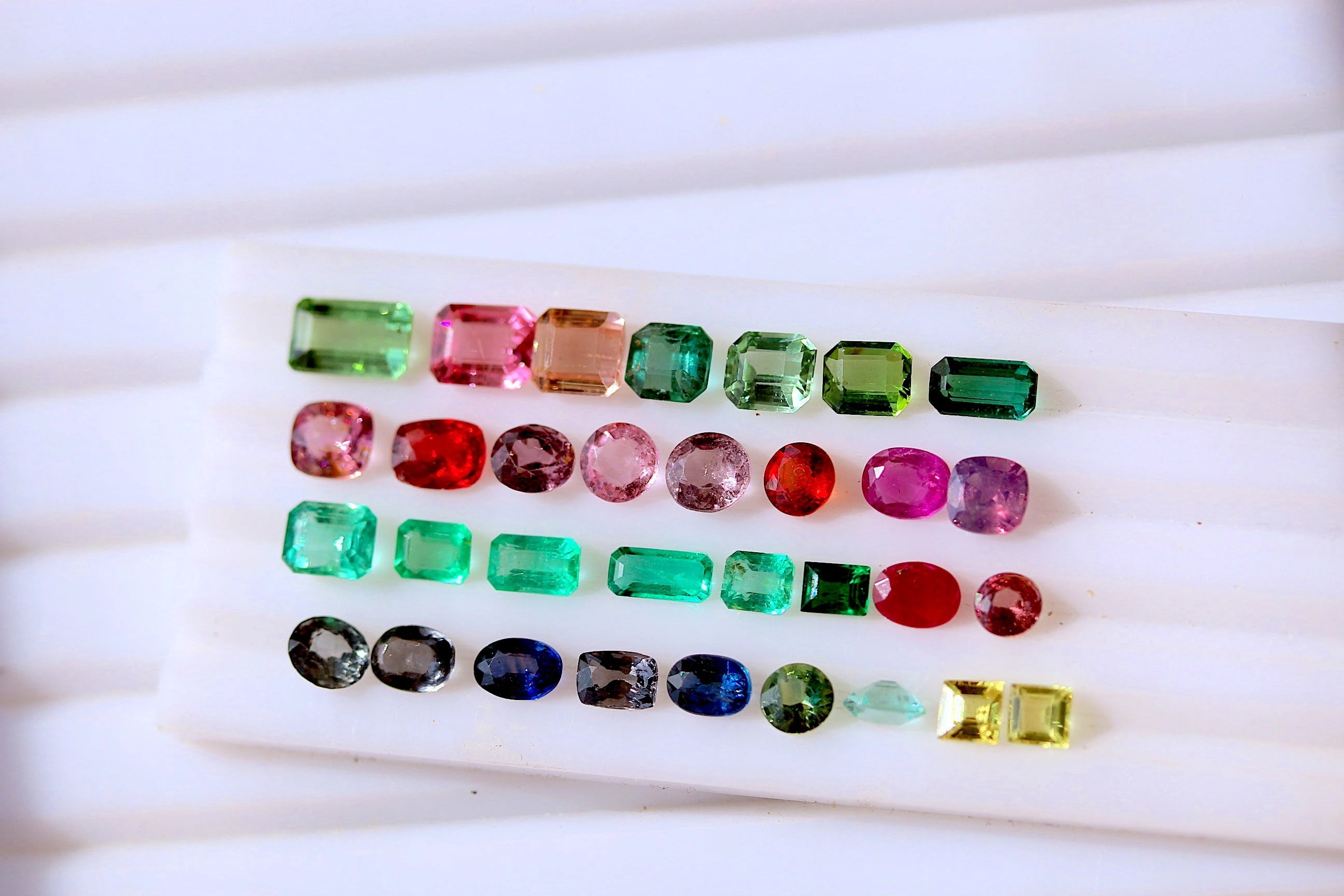
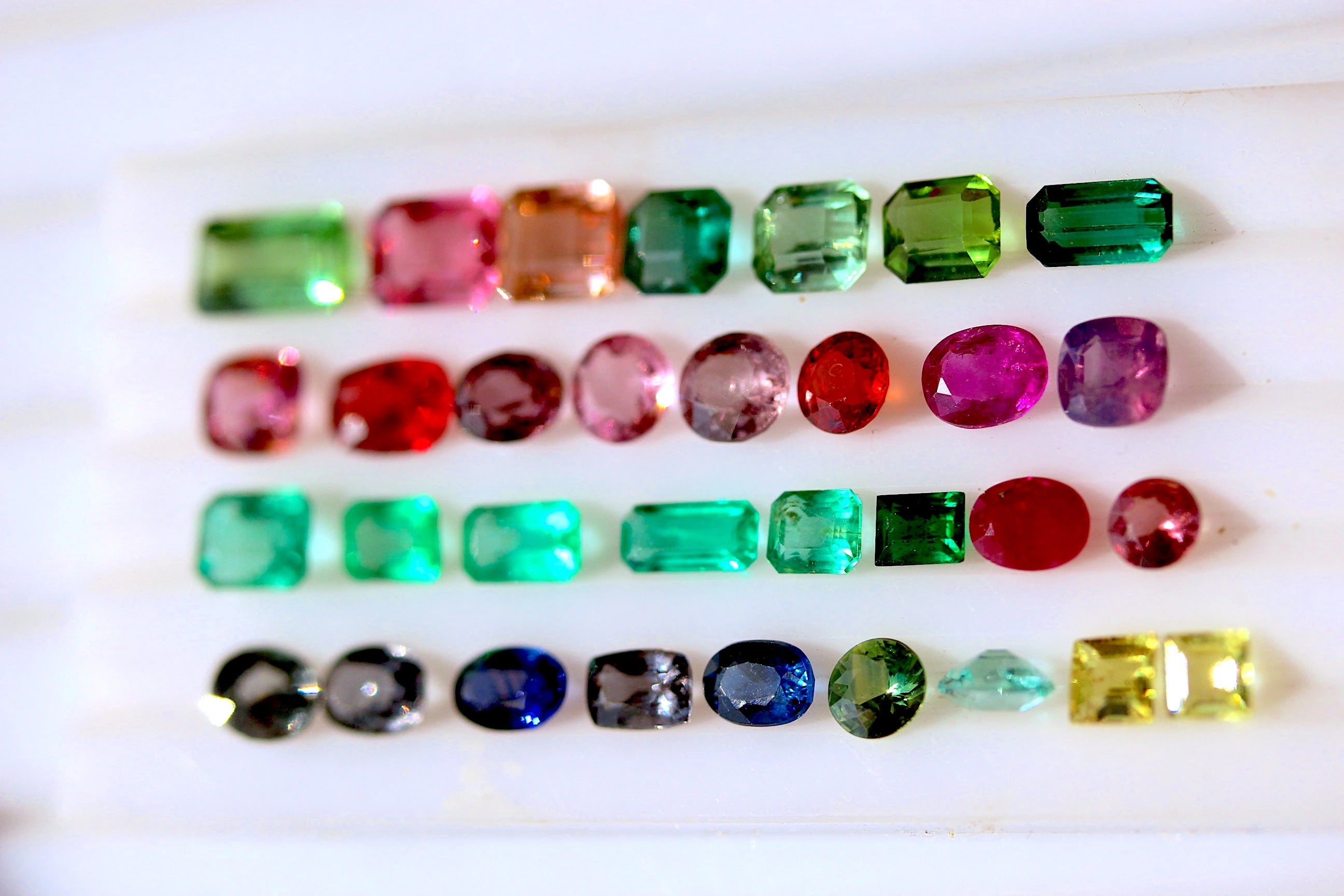
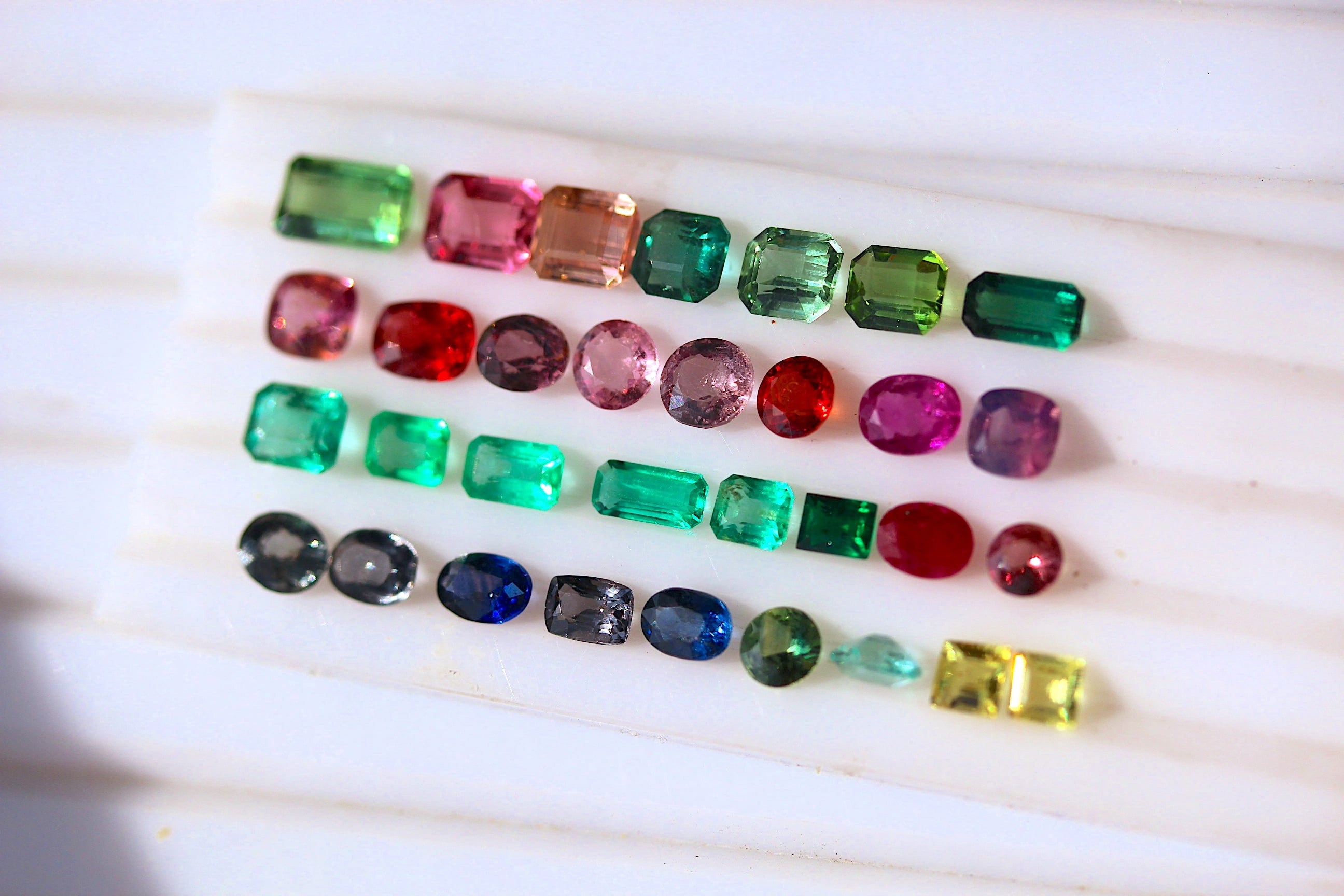
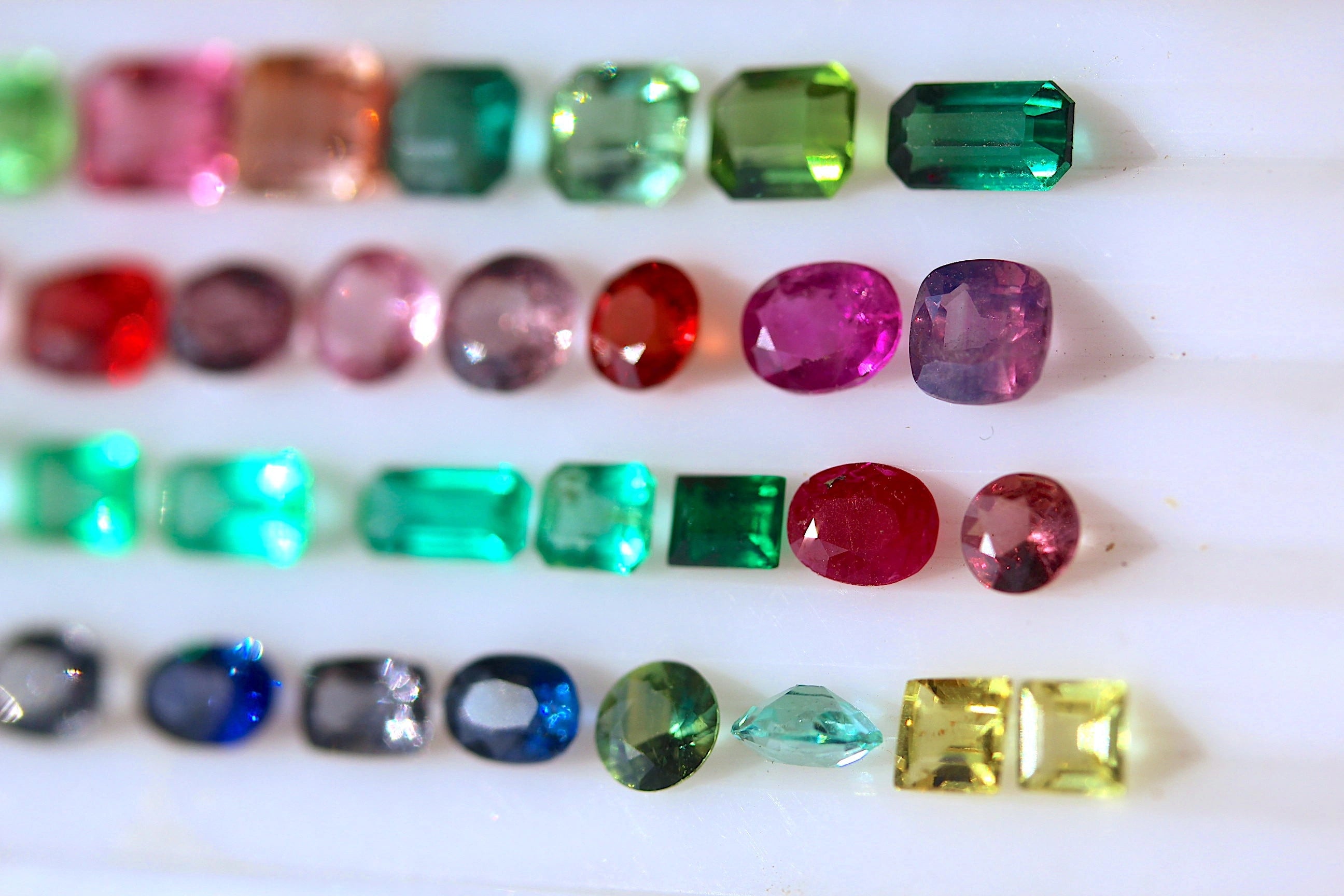
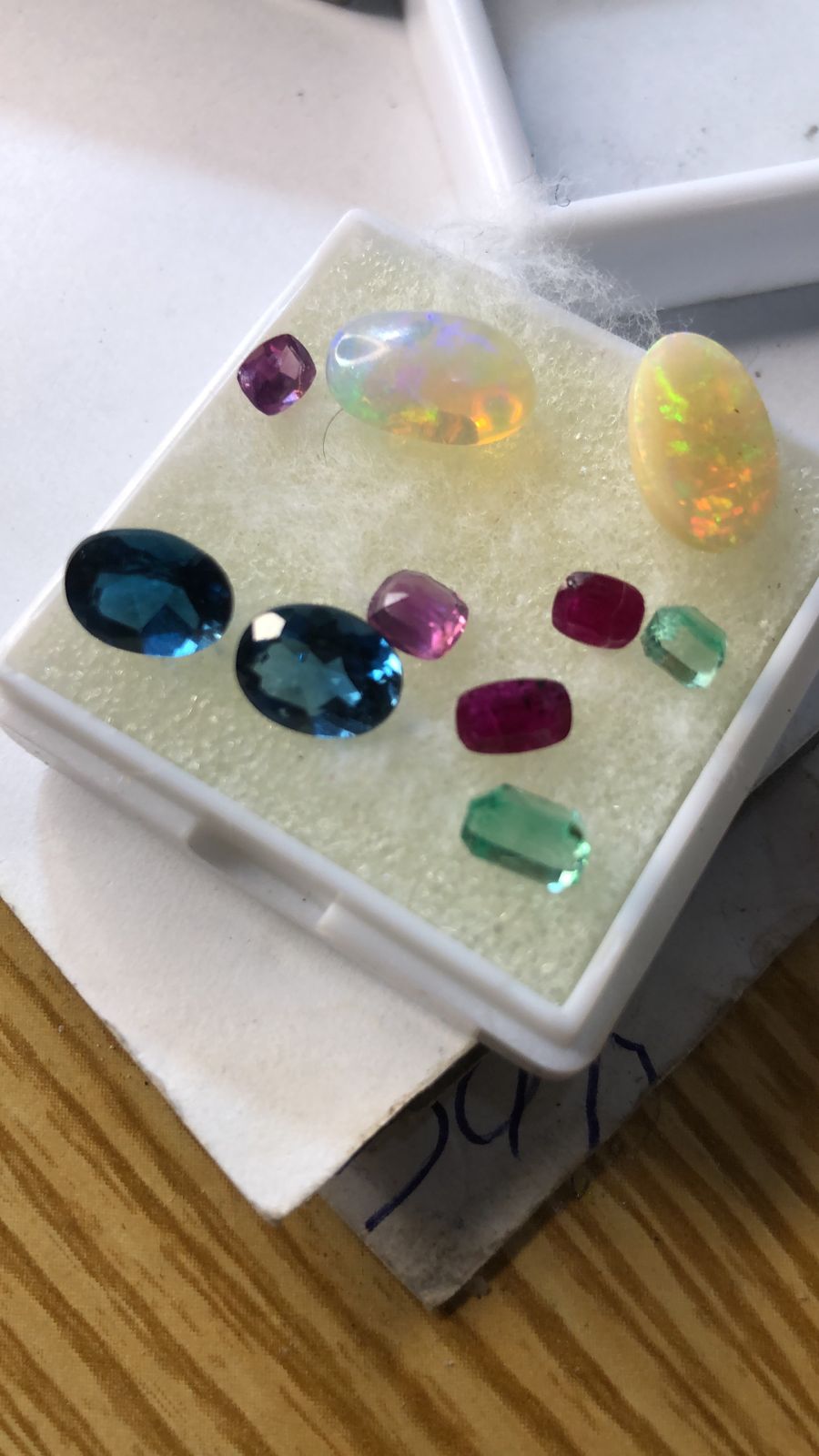
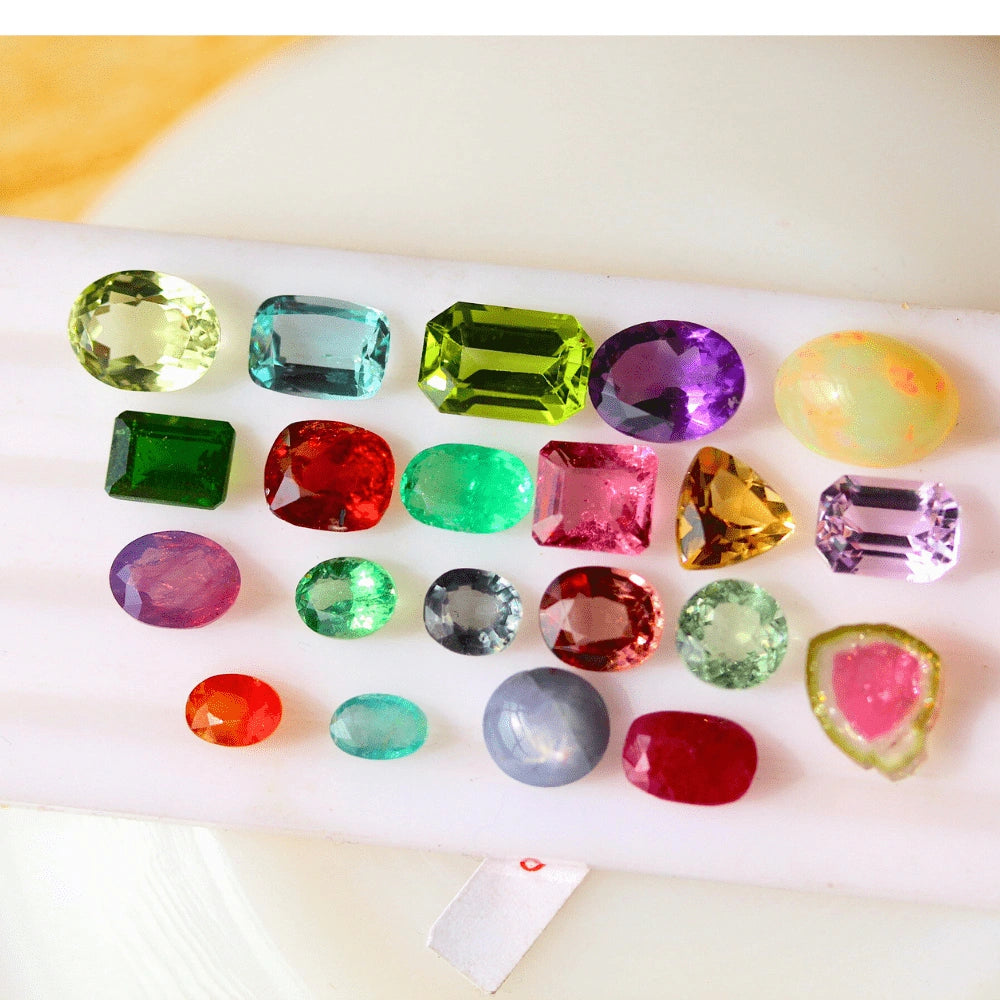
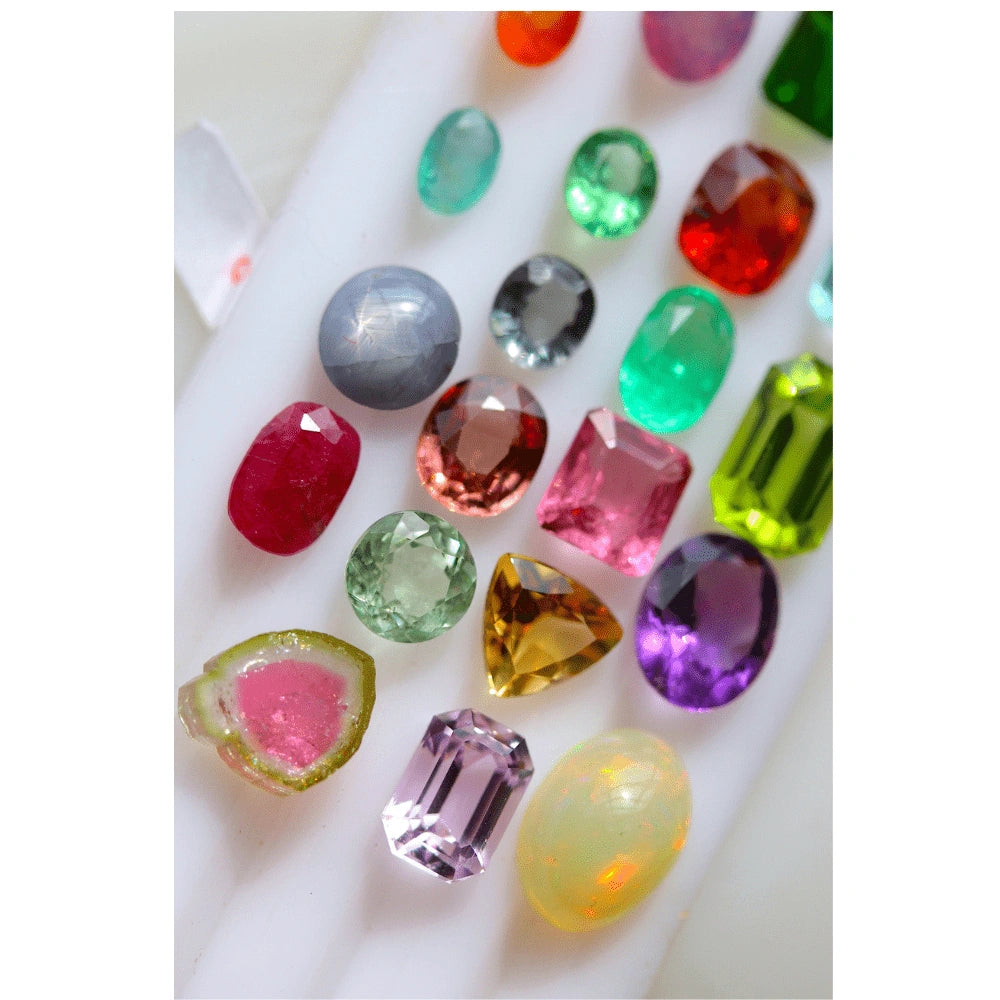
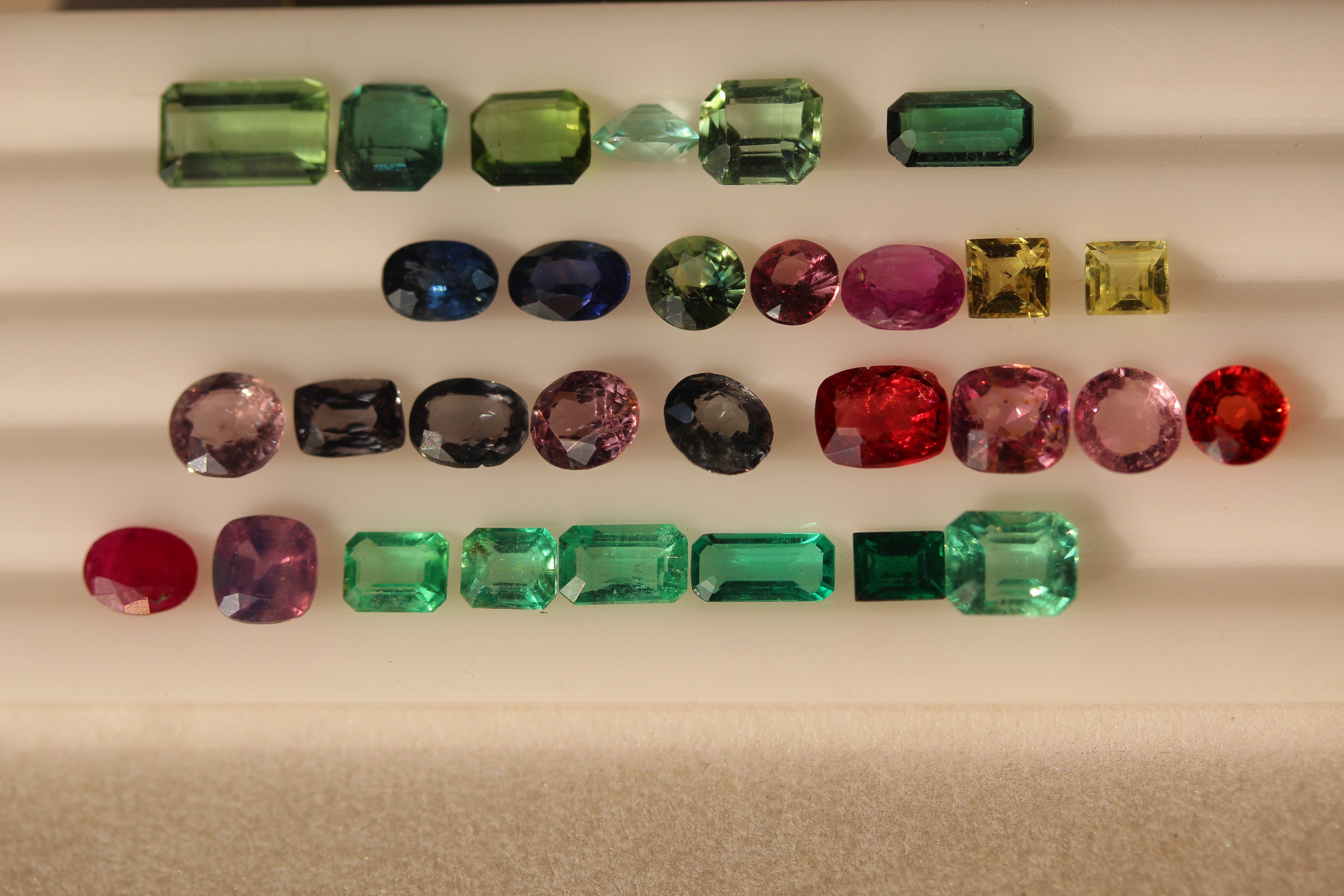
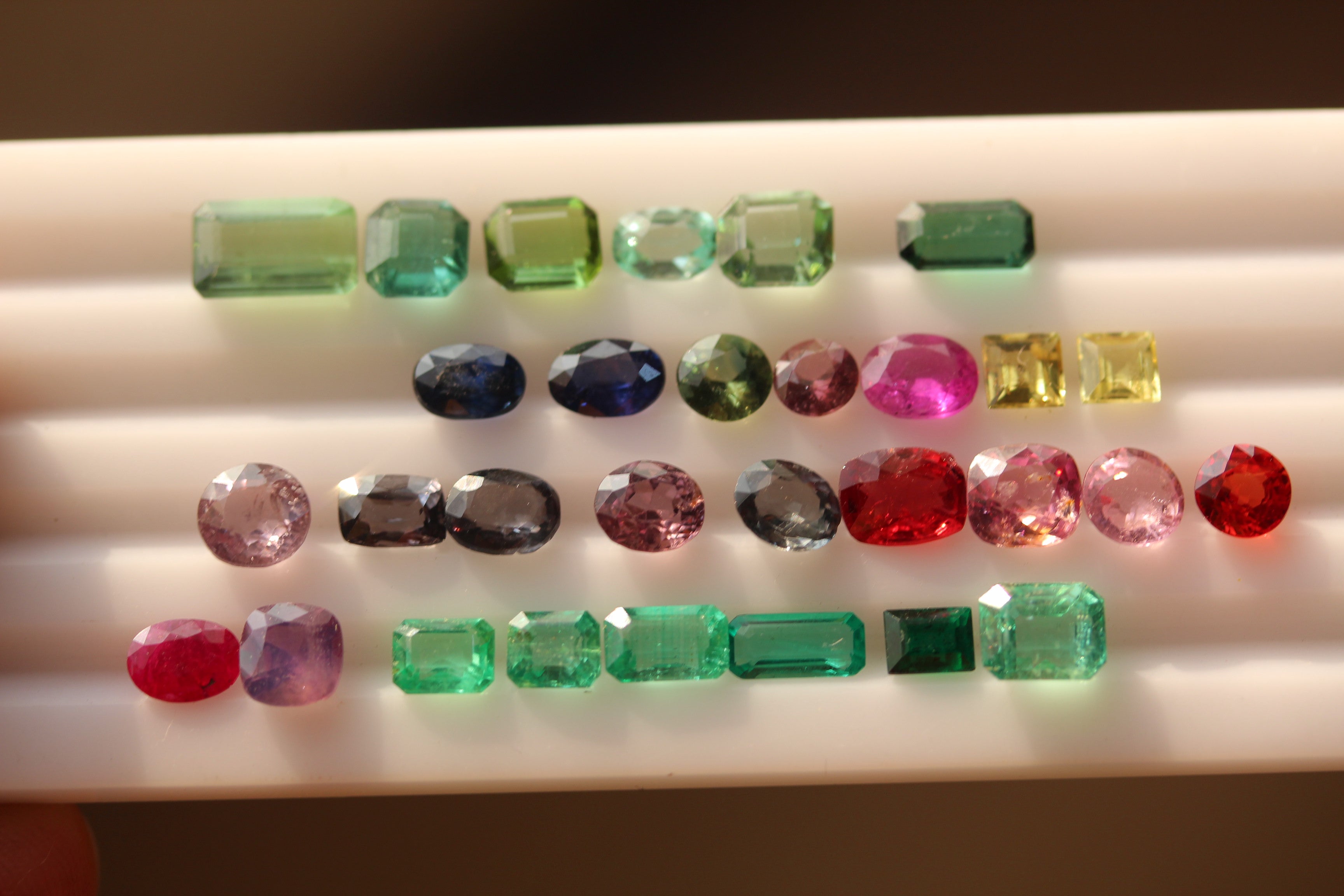
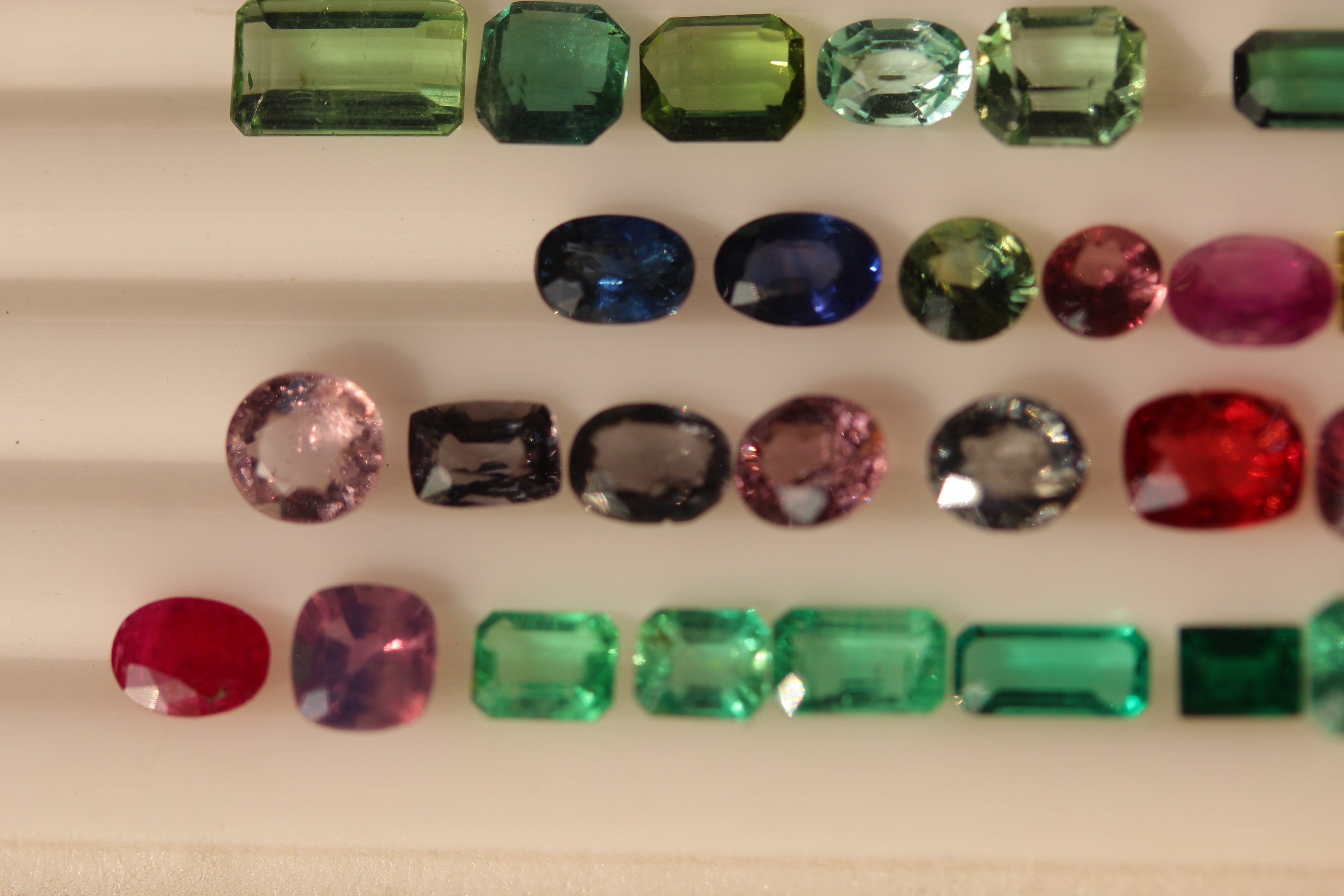
21 pieces of Loose Gemstones multi stones -
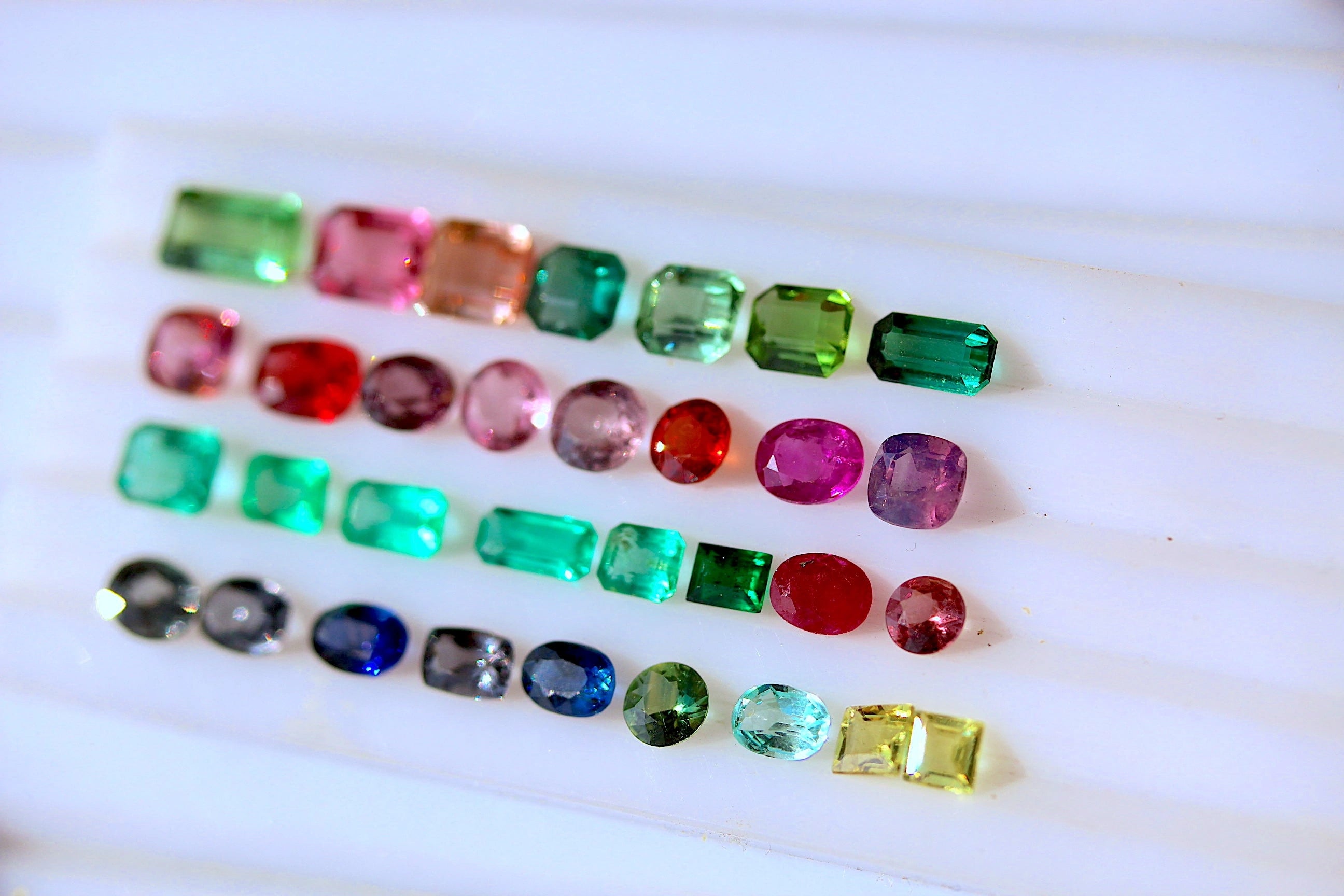
20 carats Loose Gems Deal - Emeralds, Tourmaline, Ruby, Sapphire, Spinels -
12.9 Carat mixed Gemstones Green Emerald, Ruby Sapphire 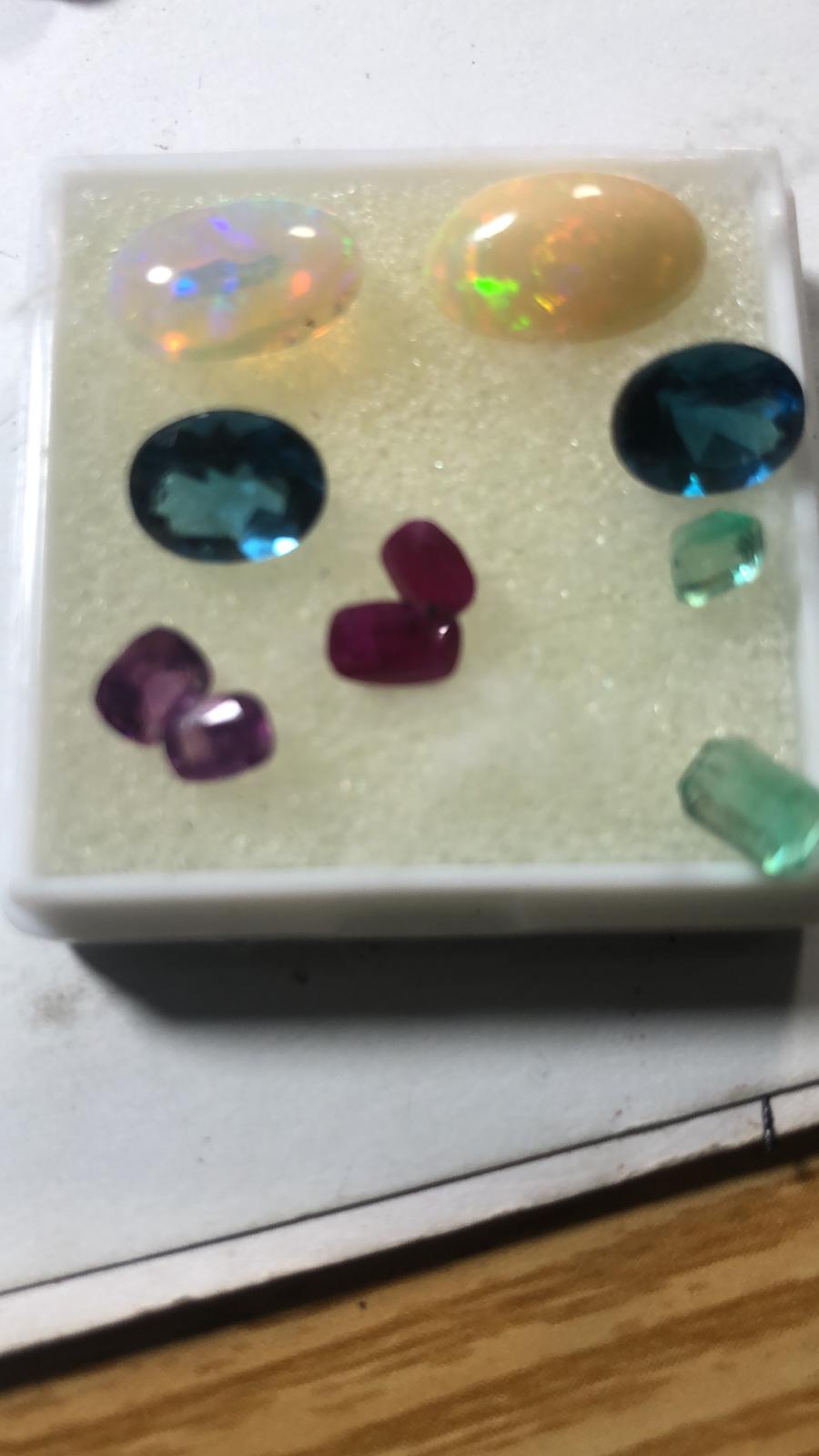
12.9 Carat mixed Gemstones Green Emerald, Ruby Sapphire
12.9 Carat mixed Gemstones Green Emerald, Ruby Sapphire
$500.00 USDSale price $500.00 USD Regular price -
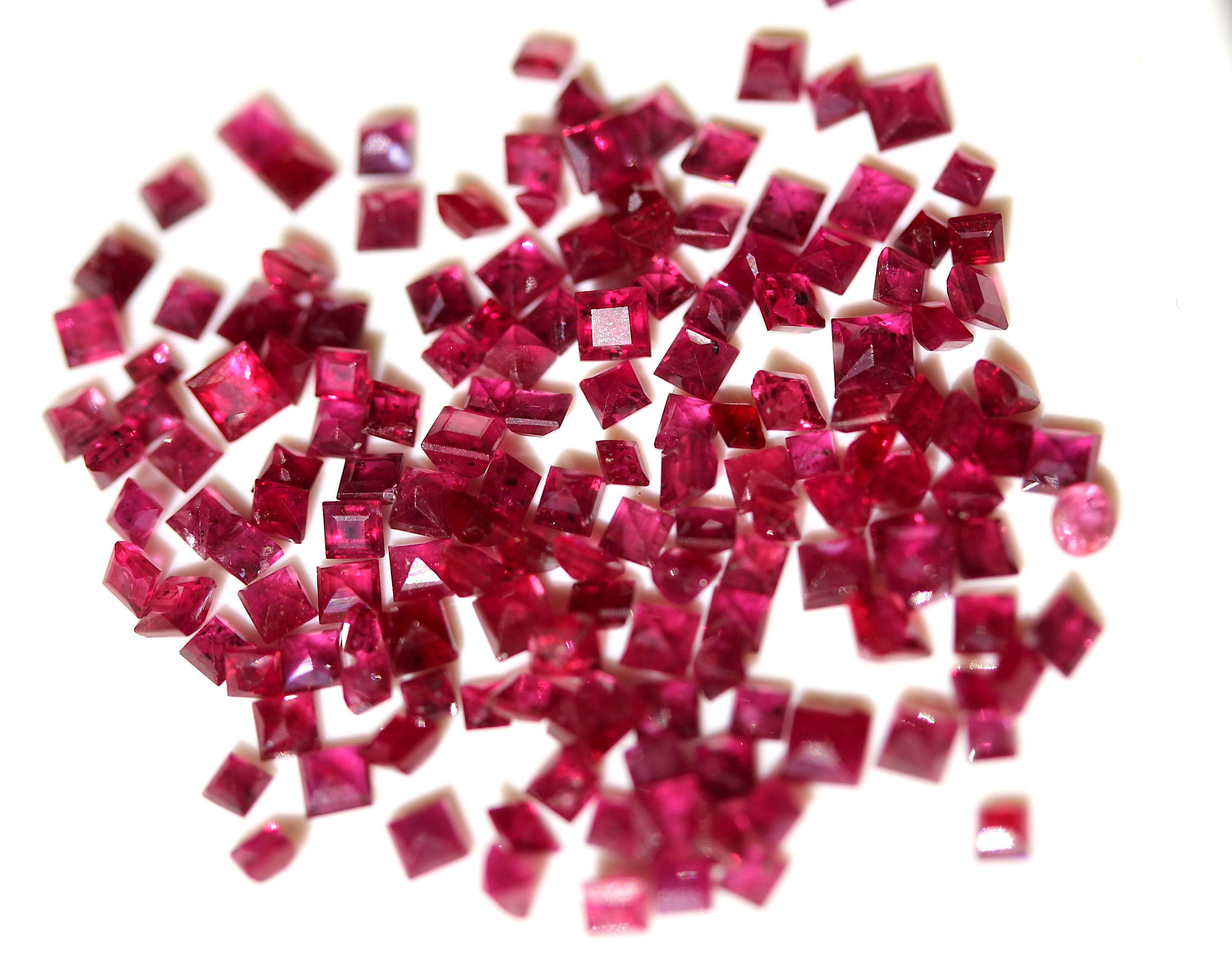
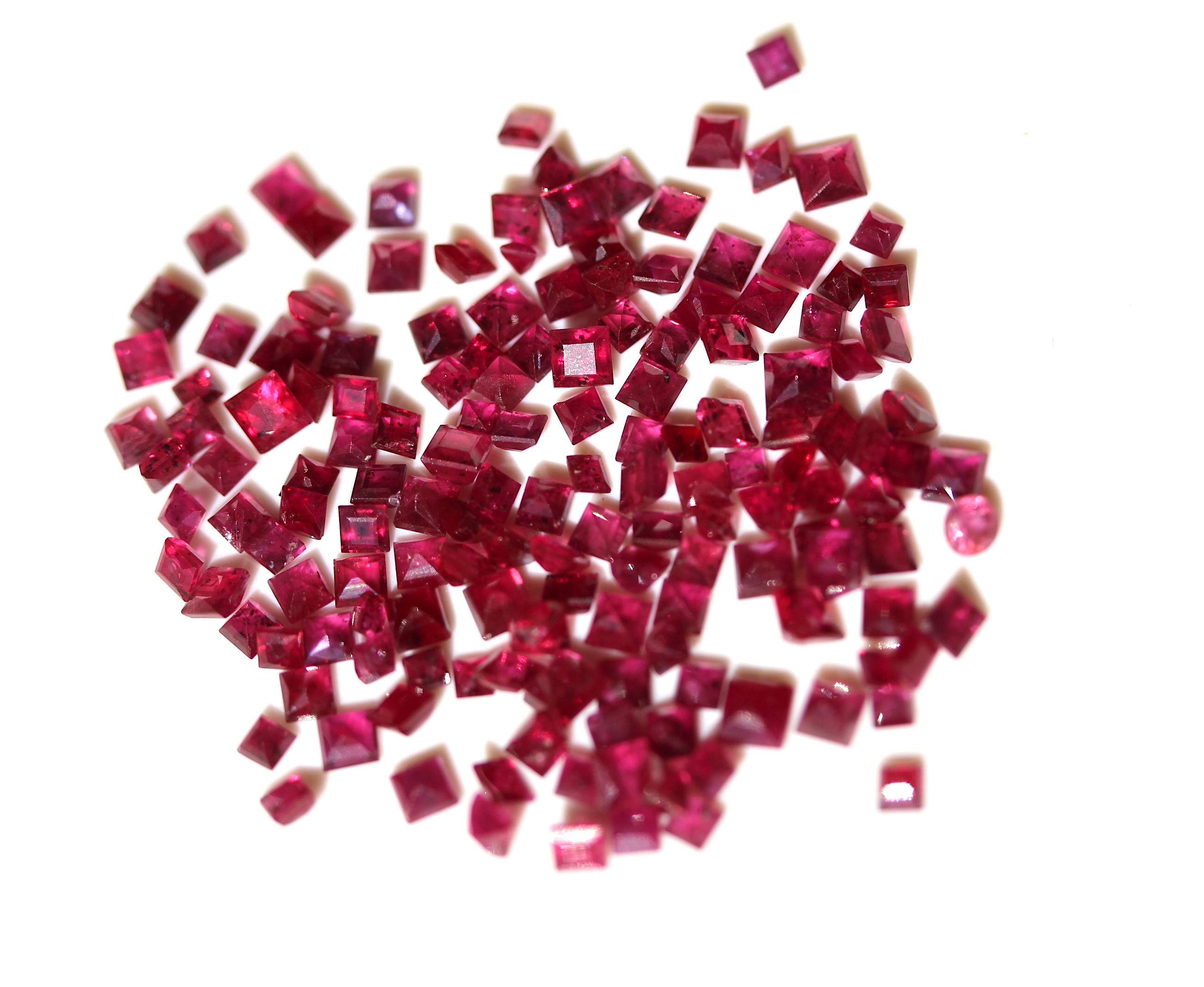
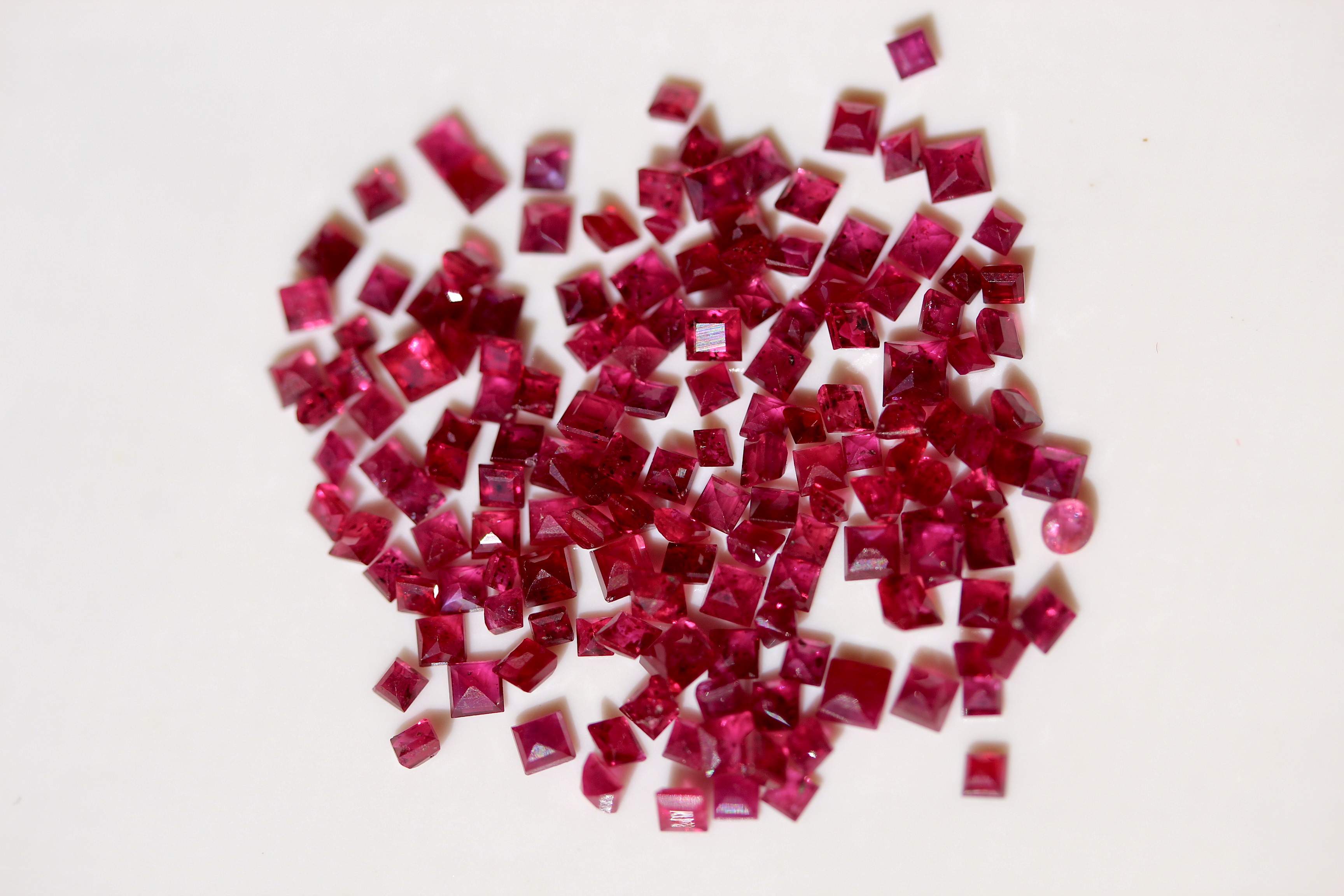
8.35 carats Natural Faceted Ruby Stones Princes Cut 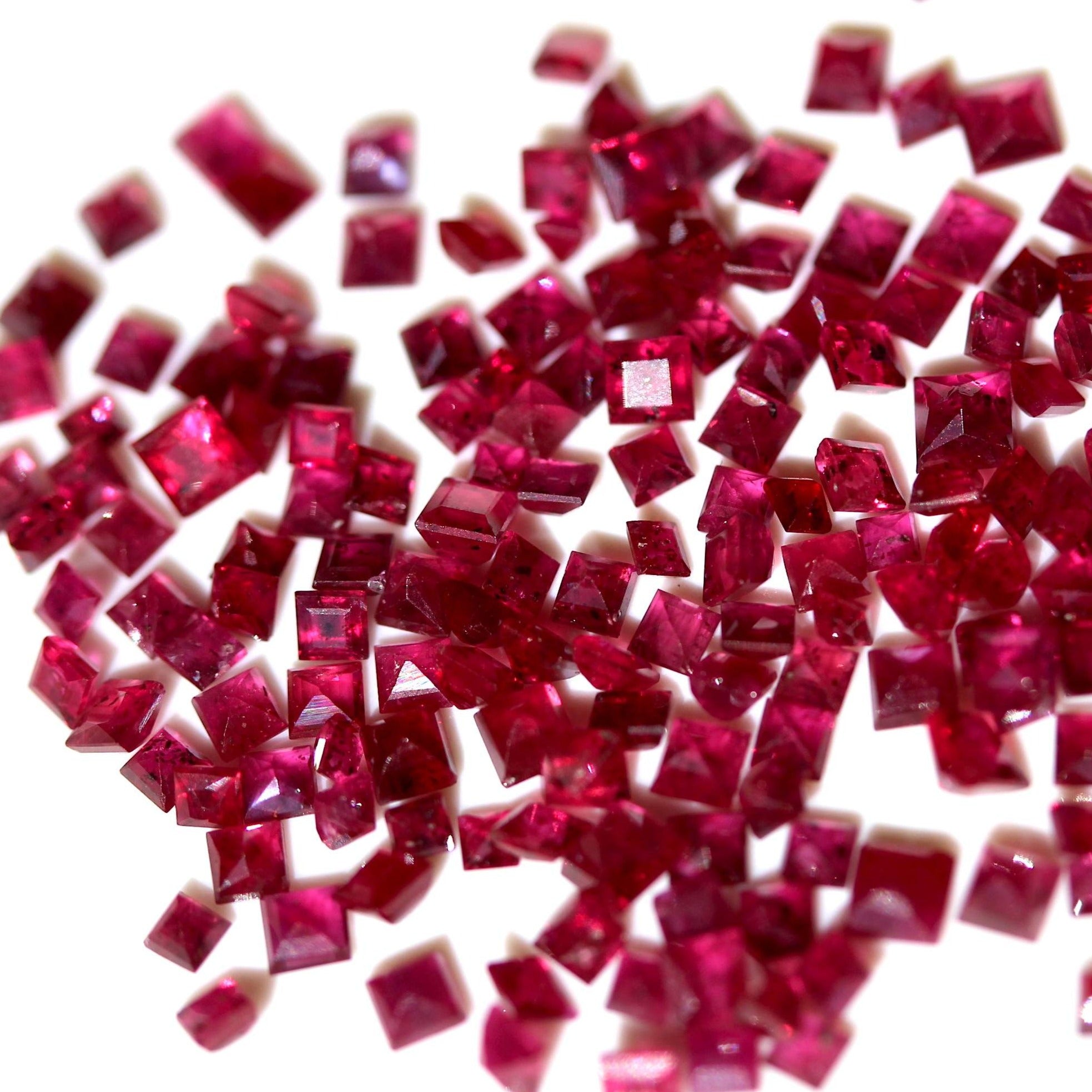
8.35 carats Natural Faceted Ruby Stones Princes Cut
8.35 carats Natural Faceted Ruby Stones Princes Cut
$550.00 USDSale price $550.00 USD Regular price -
1.65 Carat Loose Ruby Stone 
1.65 Carat Loose Ruby Stone
1.65 Carat Loose Ruby Stone
$600.00 USDSale price $600.00 USD Regular price -
1.10 Carat Red Ruby Loose Stone -
1.4 Carat Oval Shape Loose Pink Ruby Stone  Sale
Sale1.4 Carat Oval Shape Loose Pink Ruby Stone
1.4 Carat Oval Shape Loose Pink Ruby Stone
$350.00 USDSale price $350.00 USD Regular price $410.00 USD -
Pair of Natural Afghan Rubies Gemstones -
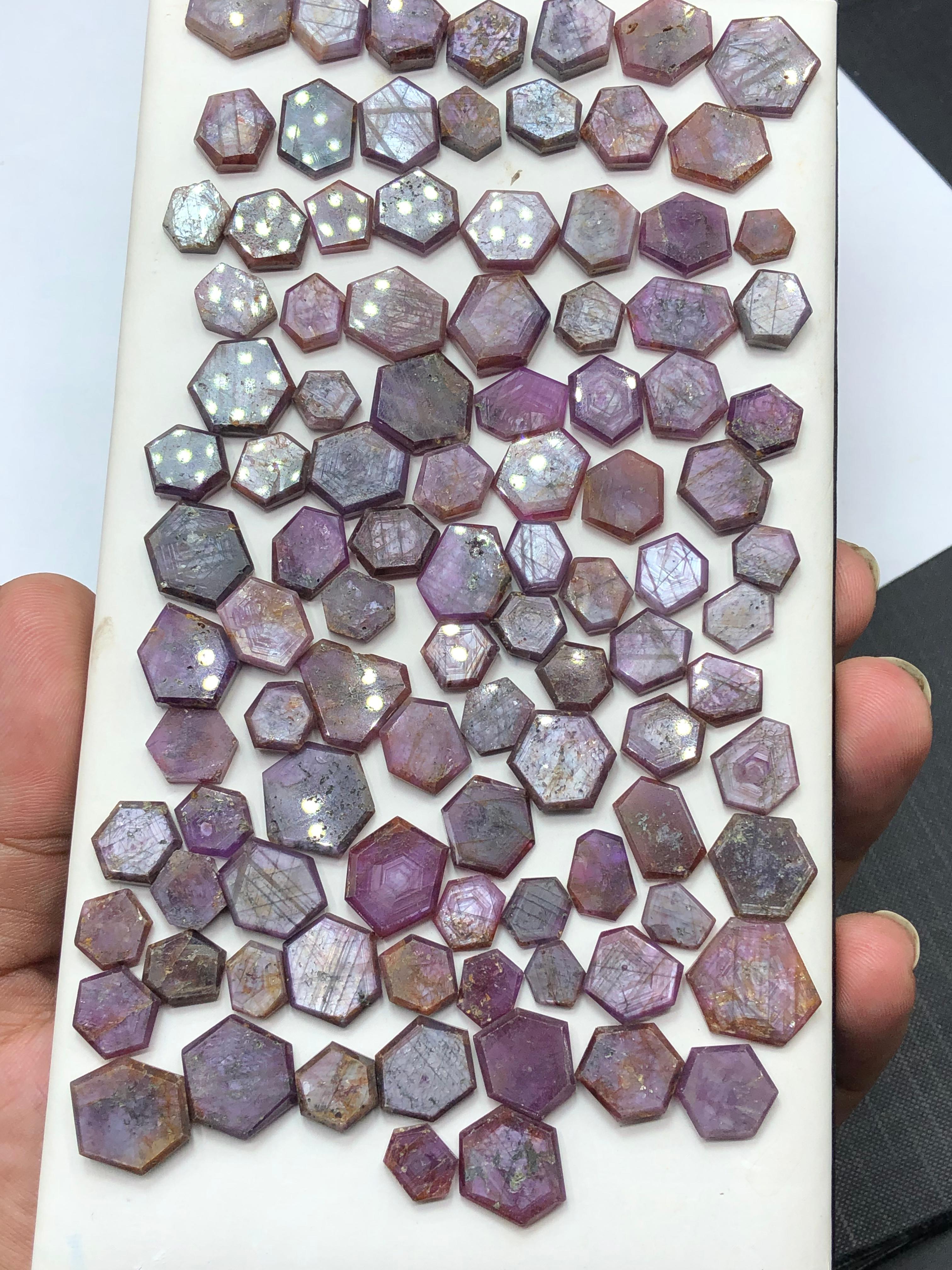
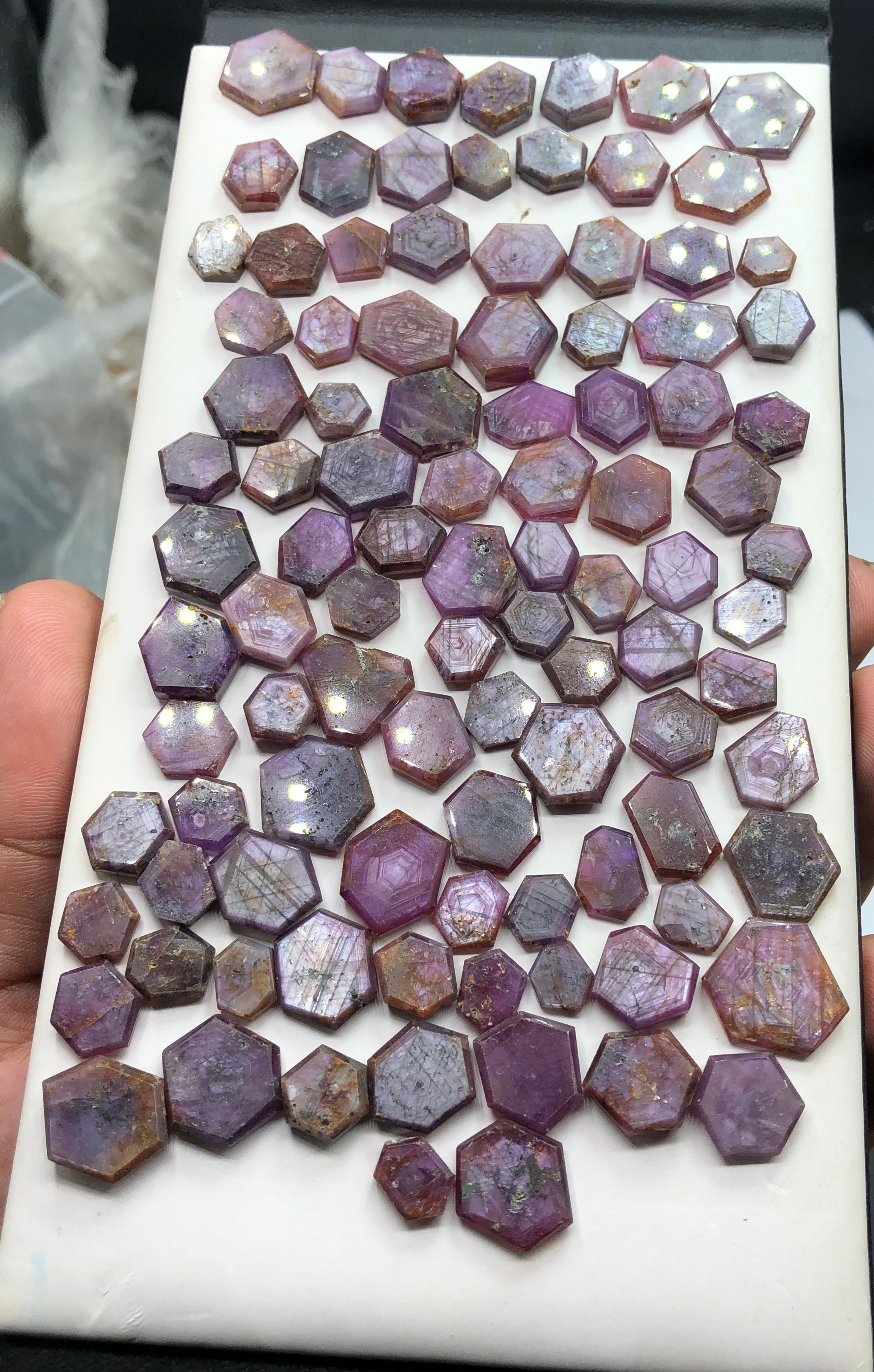
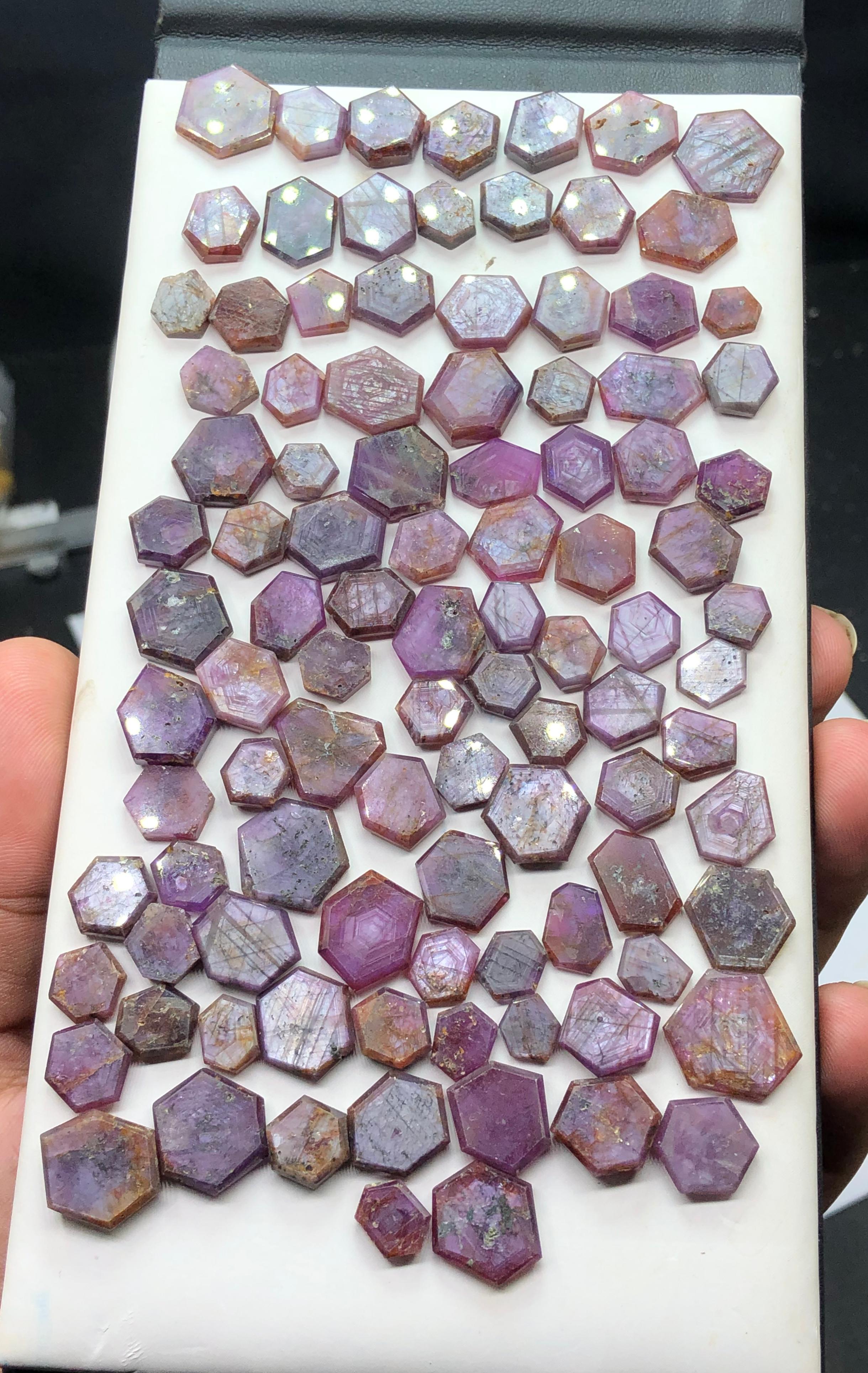
100 Gram 100 Pieces Ruby Slice Deal -
21 Pieces Multi Loose Cut Gemstones: Emerald, Ruby, Sapphire, Garnet, Aqua, Tourmaline 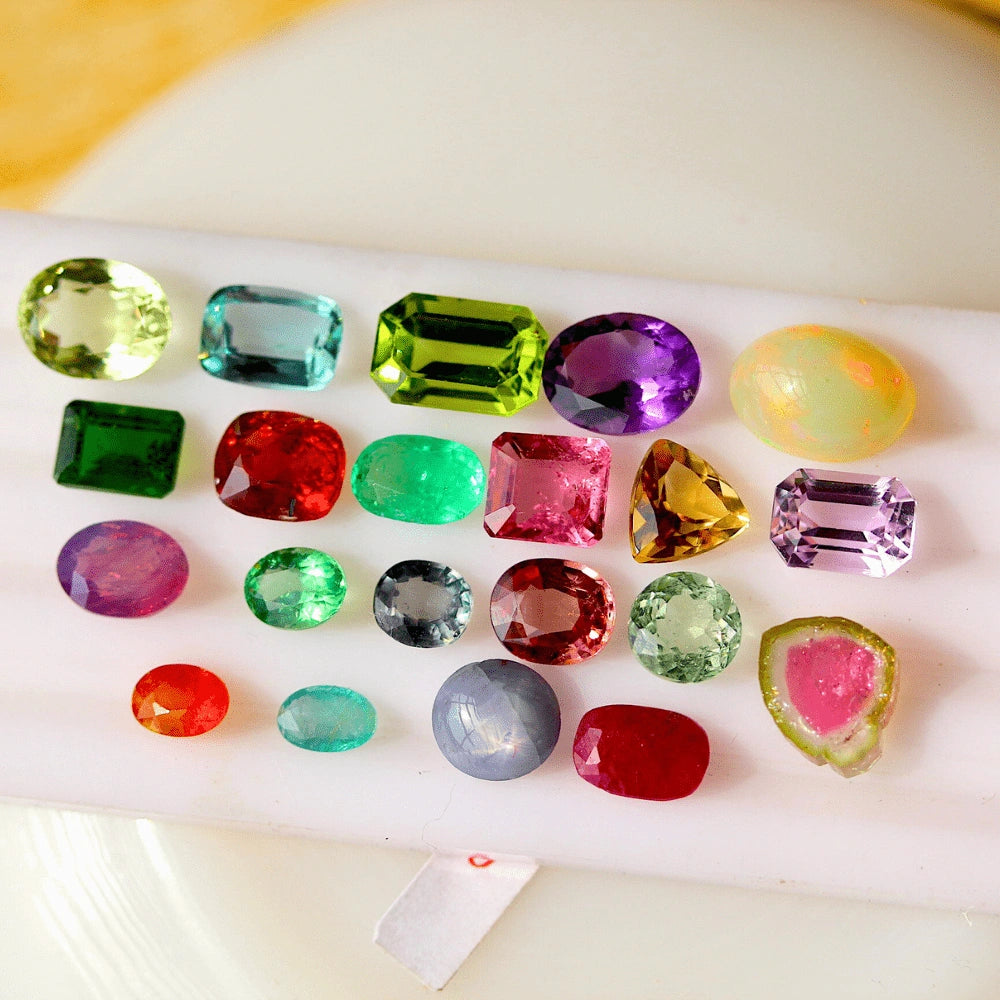 Sale
Sale21 Pieces Multi Loose Cut Gemstones: Emerald, Ruby, Sapphire, Garnet, Aqua, Tourmaline
21 Pieces Multi Loose Cut Gemstones: Emerald, Ruby, Sapphire, Garnet, Aqua, Tourmaline
$850.00 USDSale price $850.00 USD Regular price $1,200.00 USD -
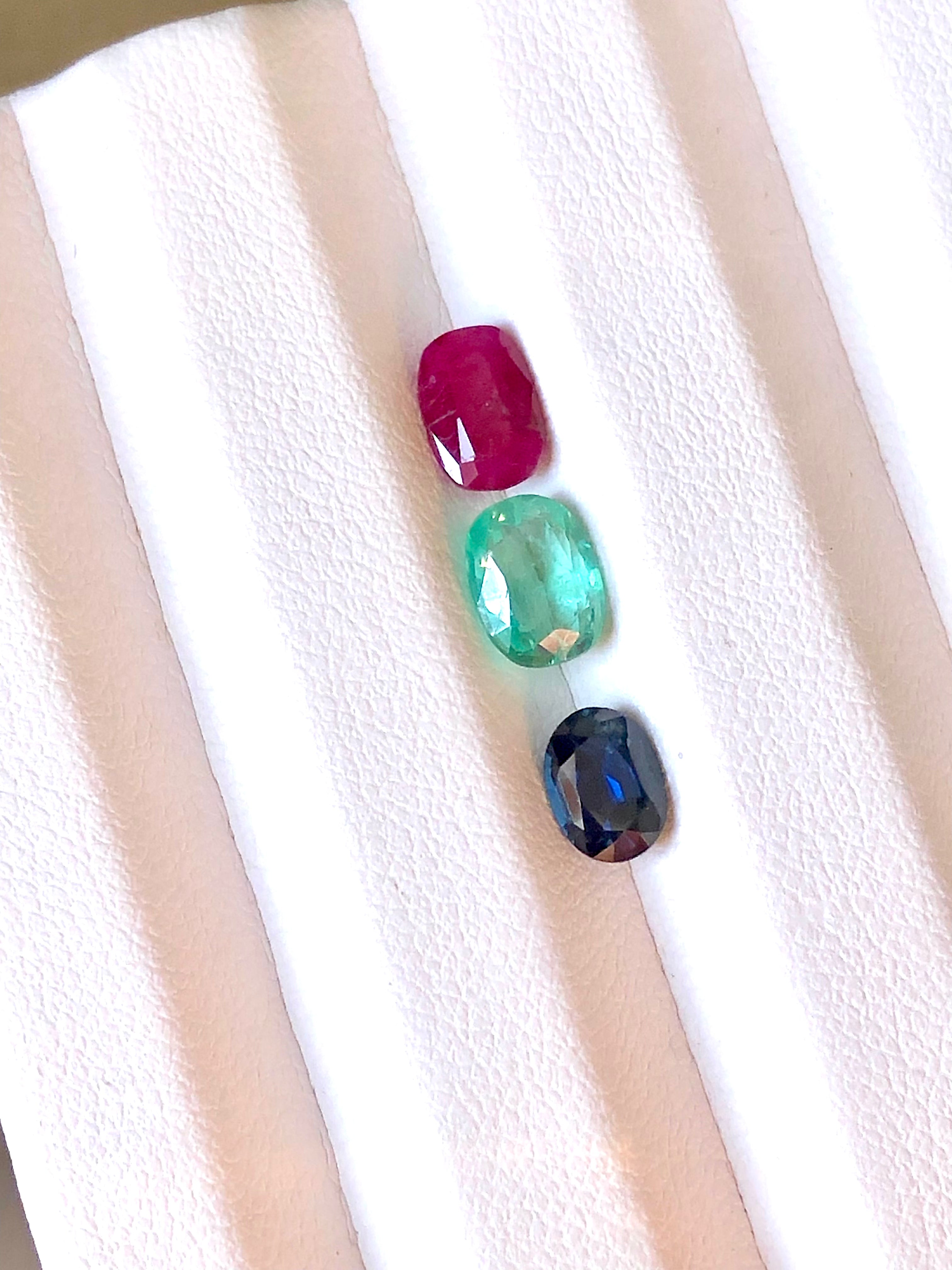
3 Pieces Oval Cut Gemstone Set: Emerald, Ruby & Sapphire 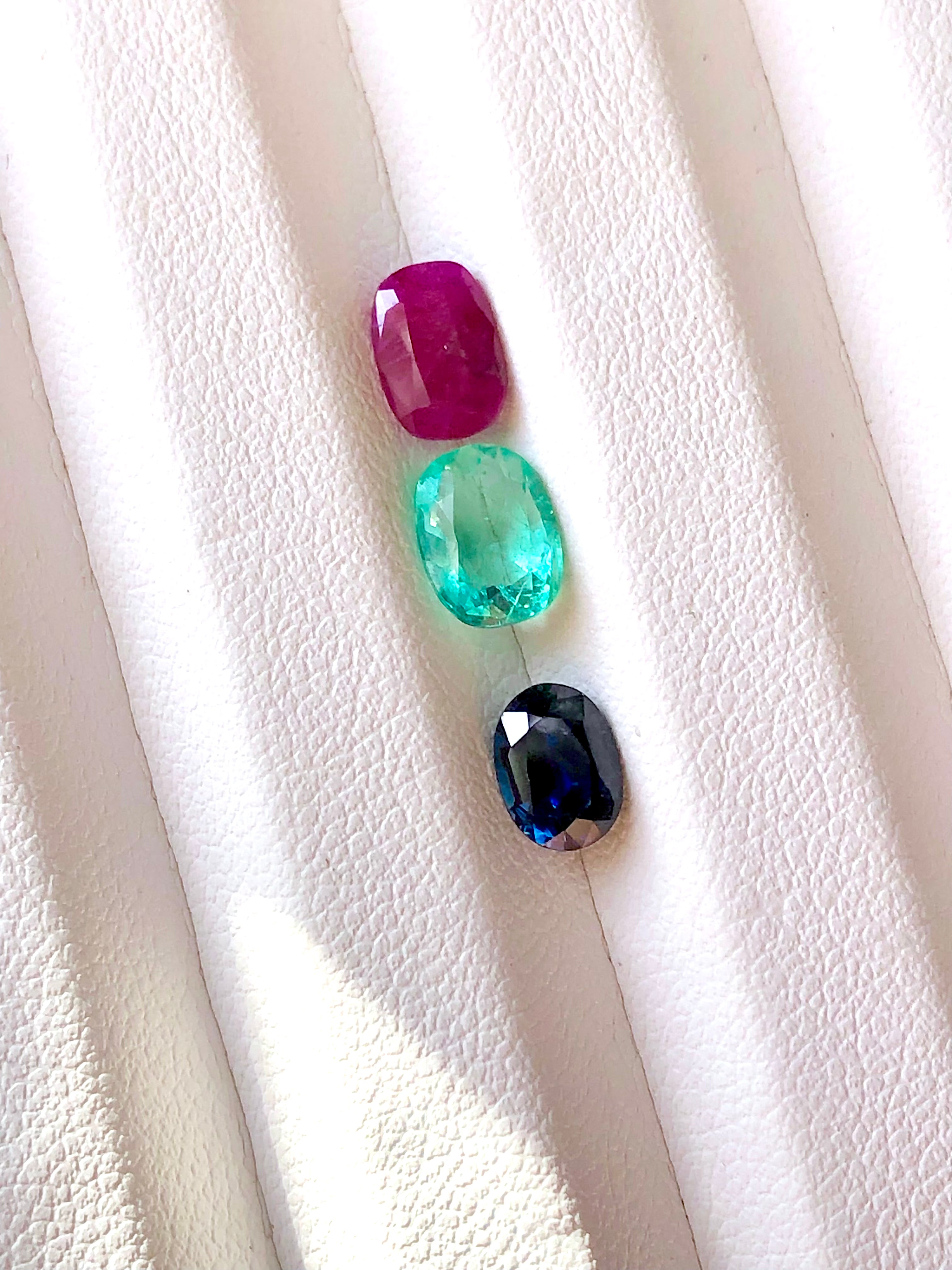 Sale
Sale3 Pieces Oval Cut Gemstone Set: Emerald, Ruby & Sapphire
3 Pieces Oval Cut Gemstone Set: Emerald, Ruby & Sapphire
$650.00 USDSale price $650.00 USD Regular price $790.00 USD -
1.8 carats Natural Emerald Cut Red Ruby from Kashmir 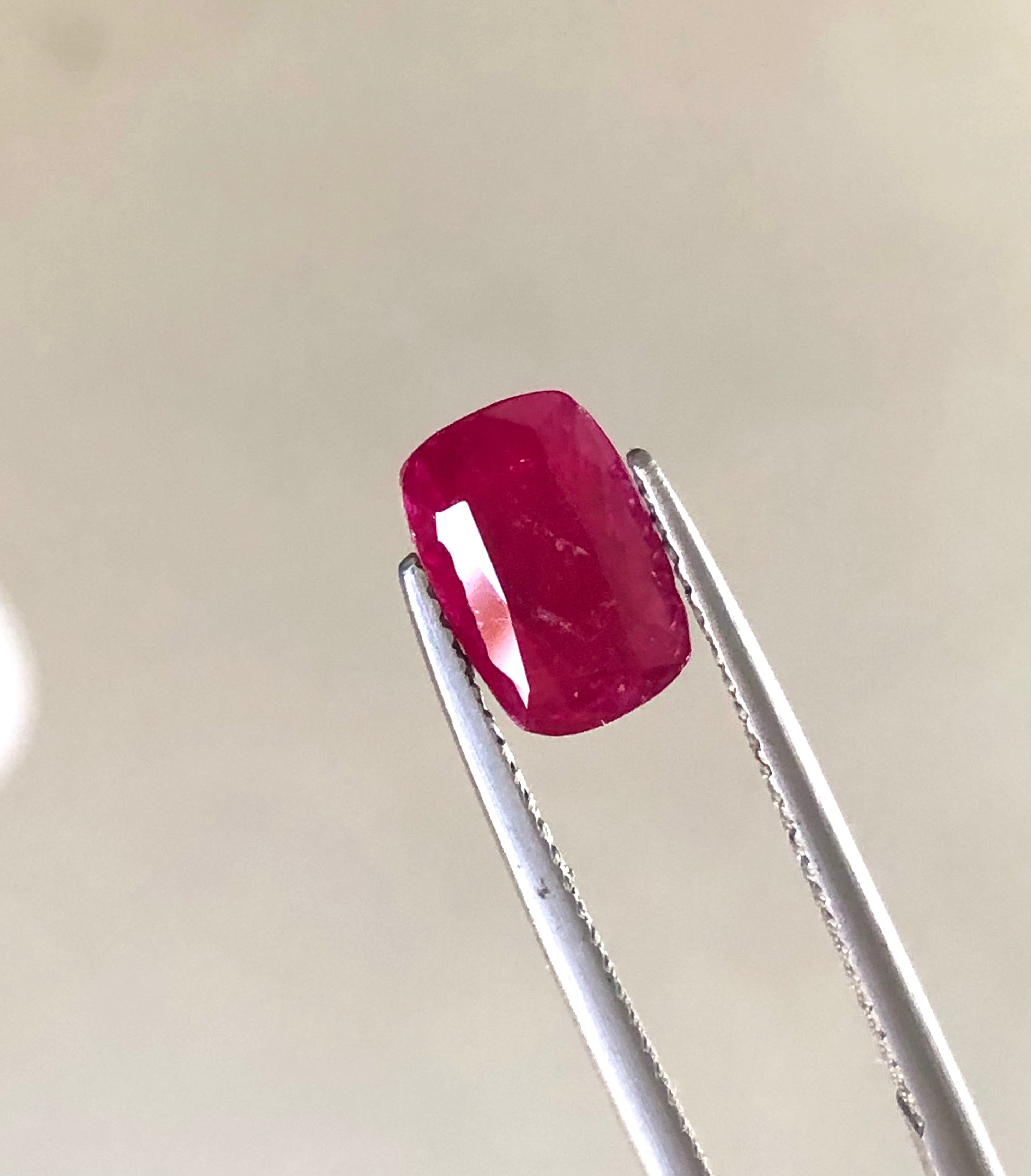 Sale
Sale1.8 carats Natural Emerald Cut Red Ruby from Kashmir
1.8 carats Natural Emerald Cut Red Ruby from Kashmir
$650.00 USDSale price $650.00 USD Regular price $790.00 USD -
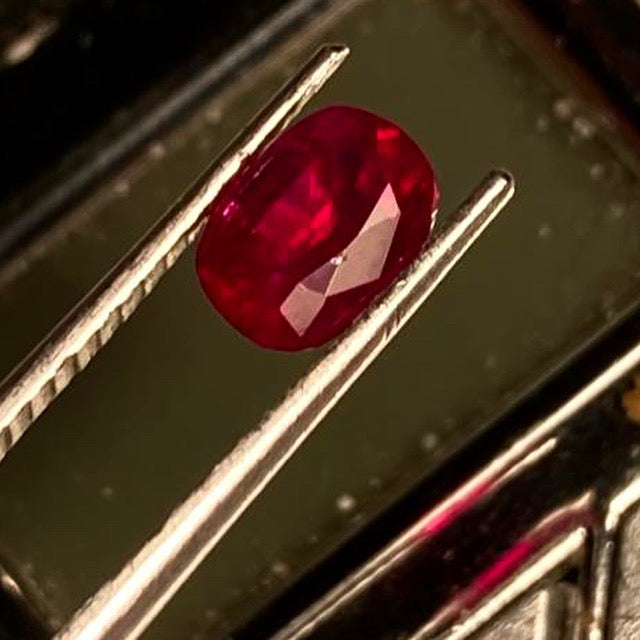
2.45 carats Cushion Natural Ruby Loose Stone from Afghanistan 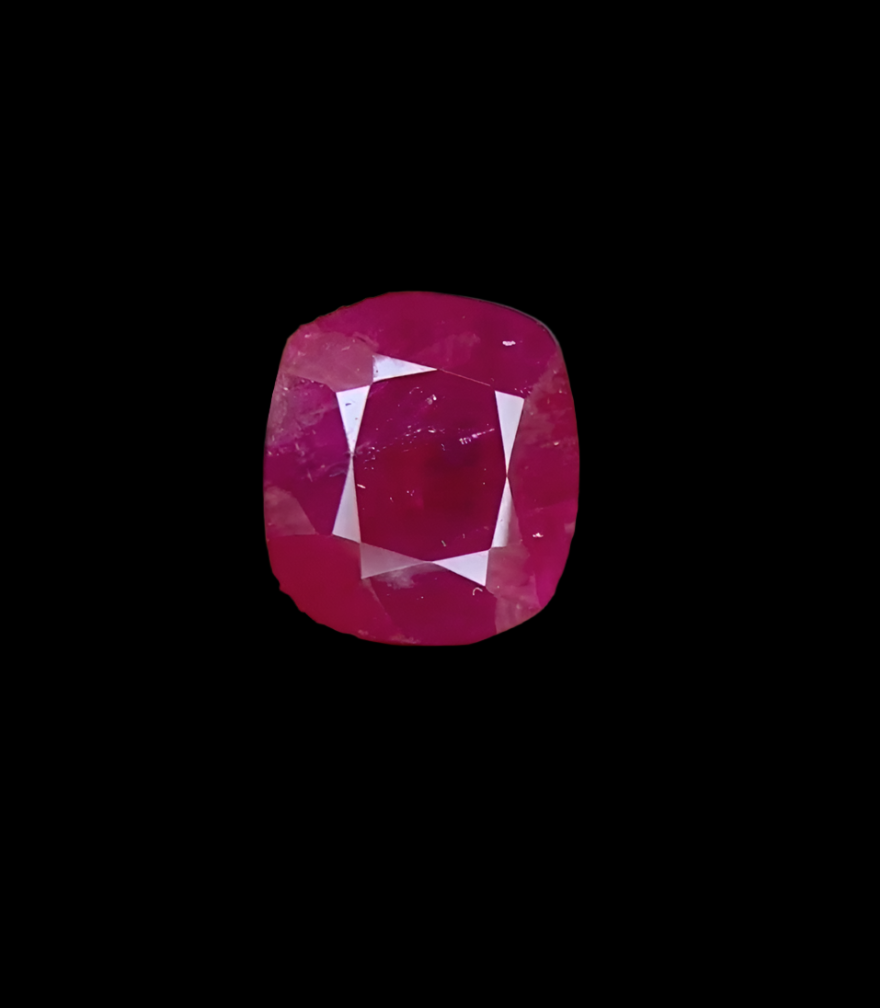
2.45 carats Cushion Natural Ruby Loose Stone from Afghanistan
2.45 carats Cushion Natural Ruby Loose Stone from Afghanistan
$350.00 USDSale price $350.00 USD Regular price -
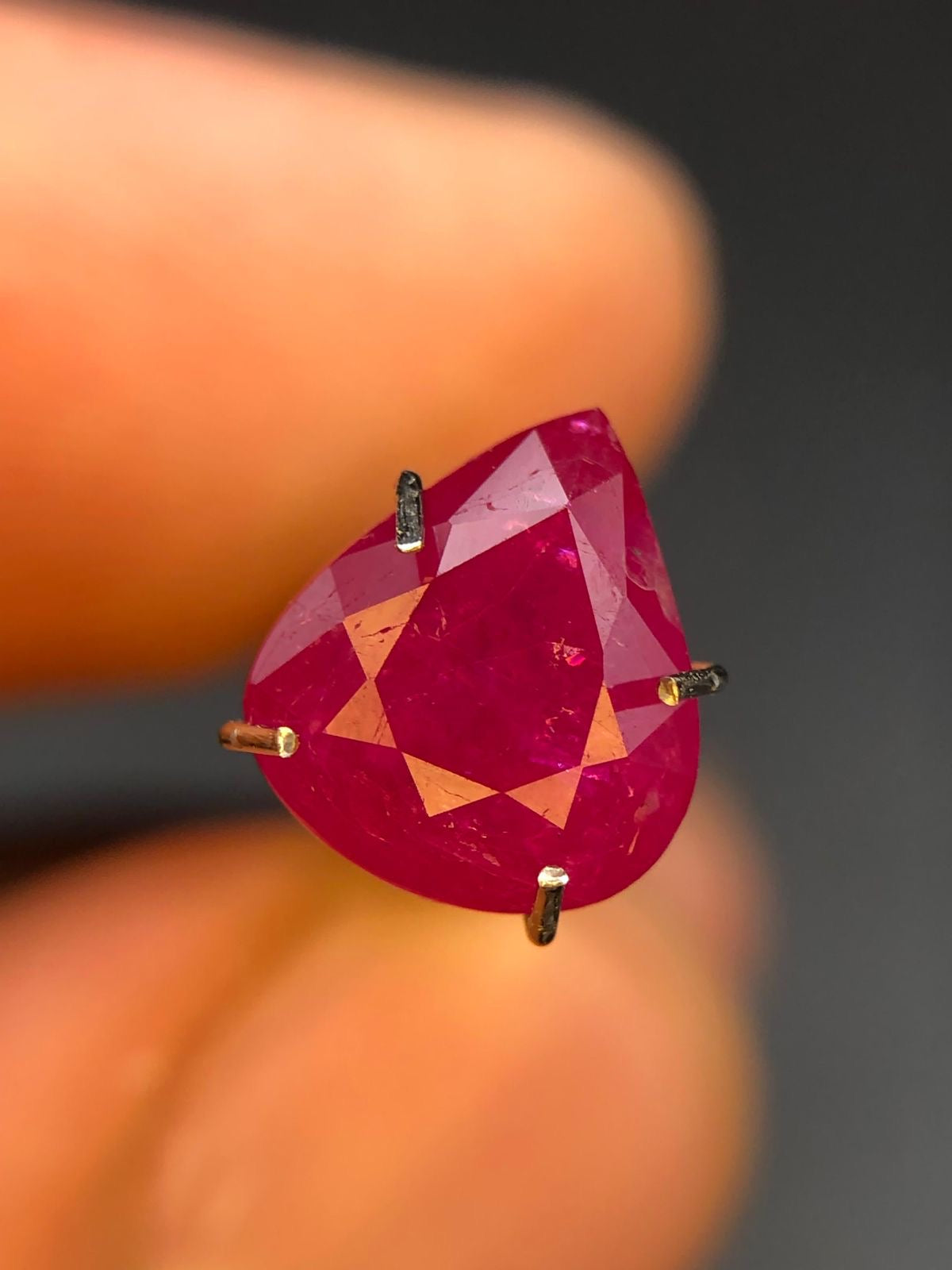
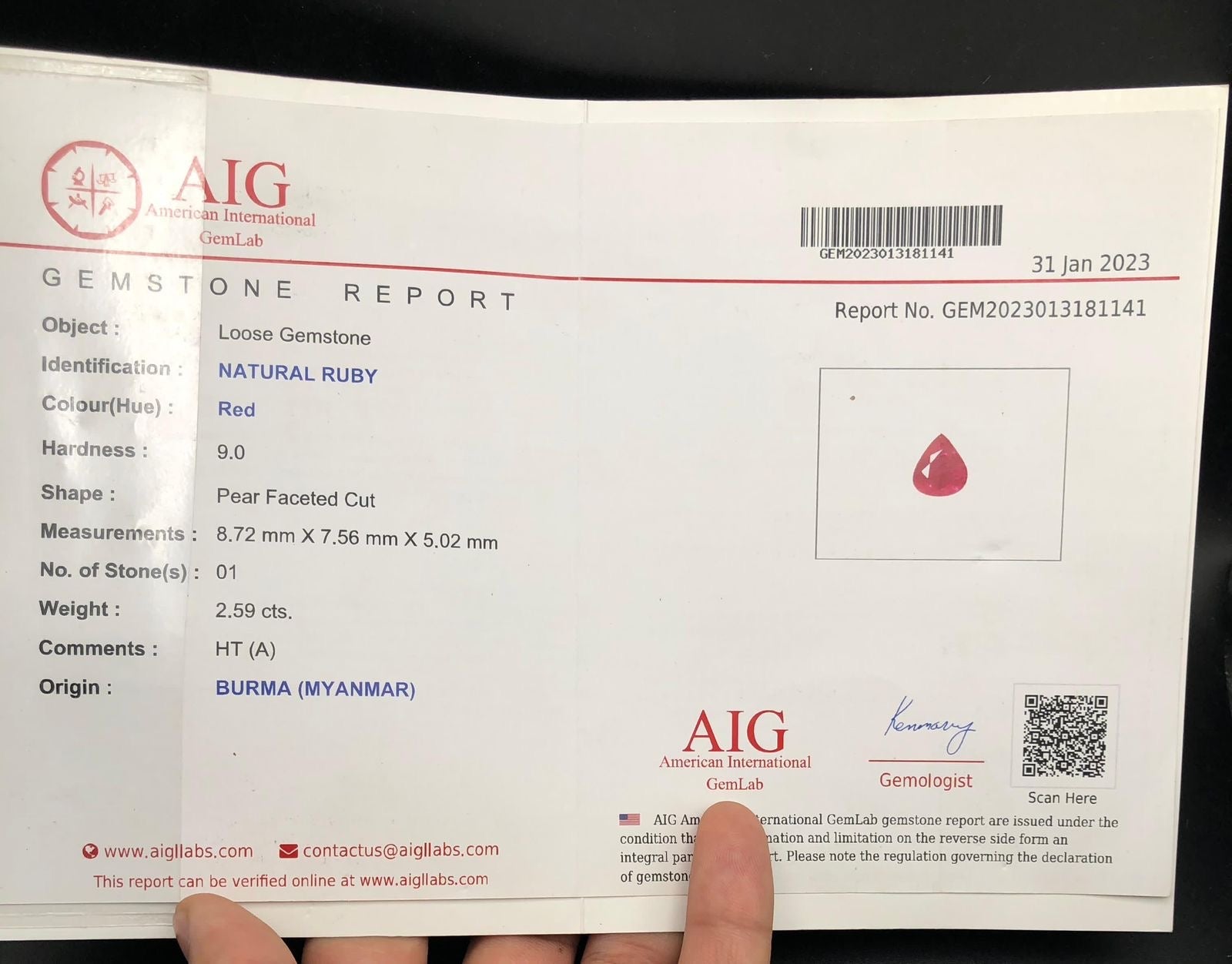
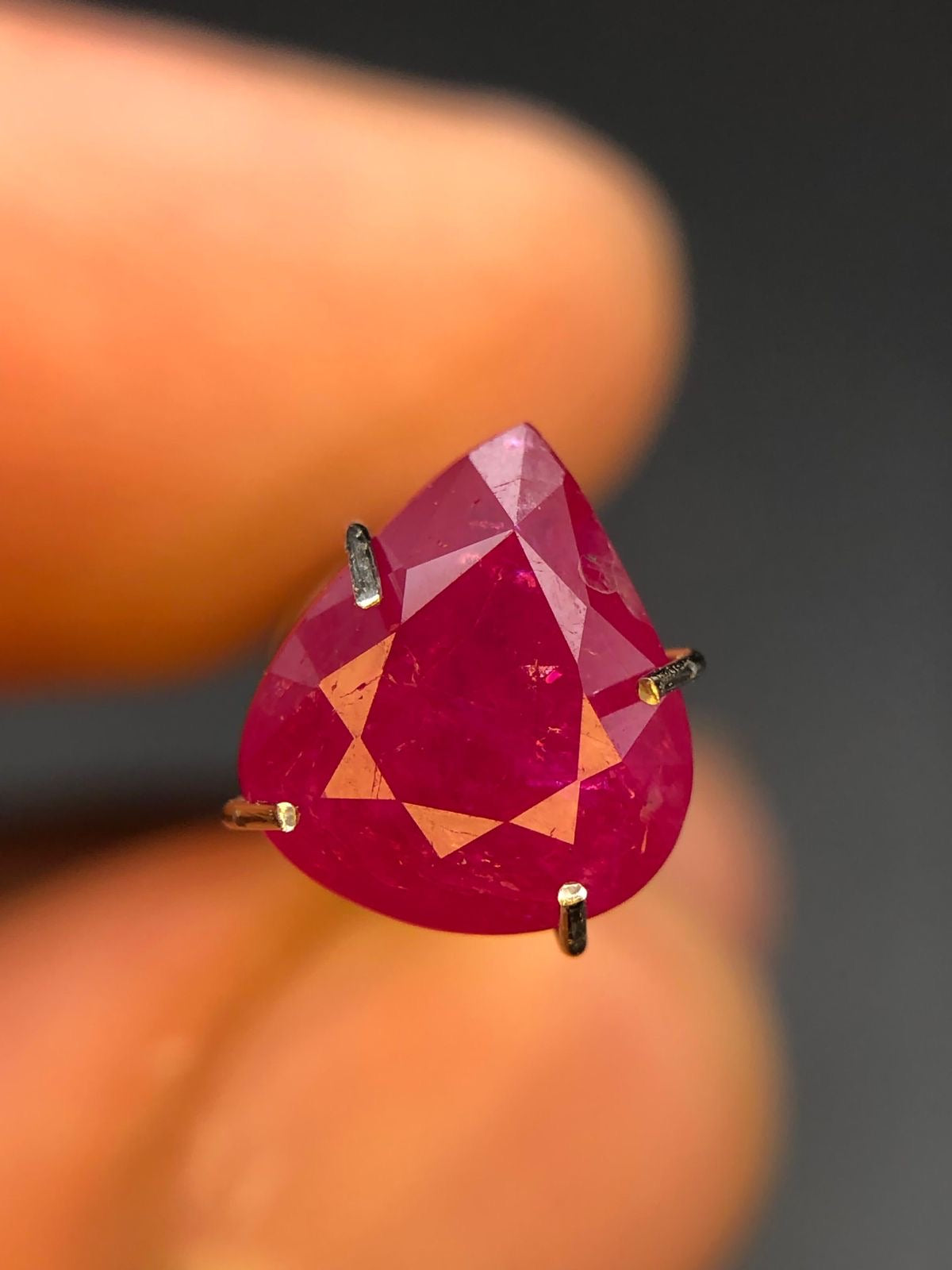
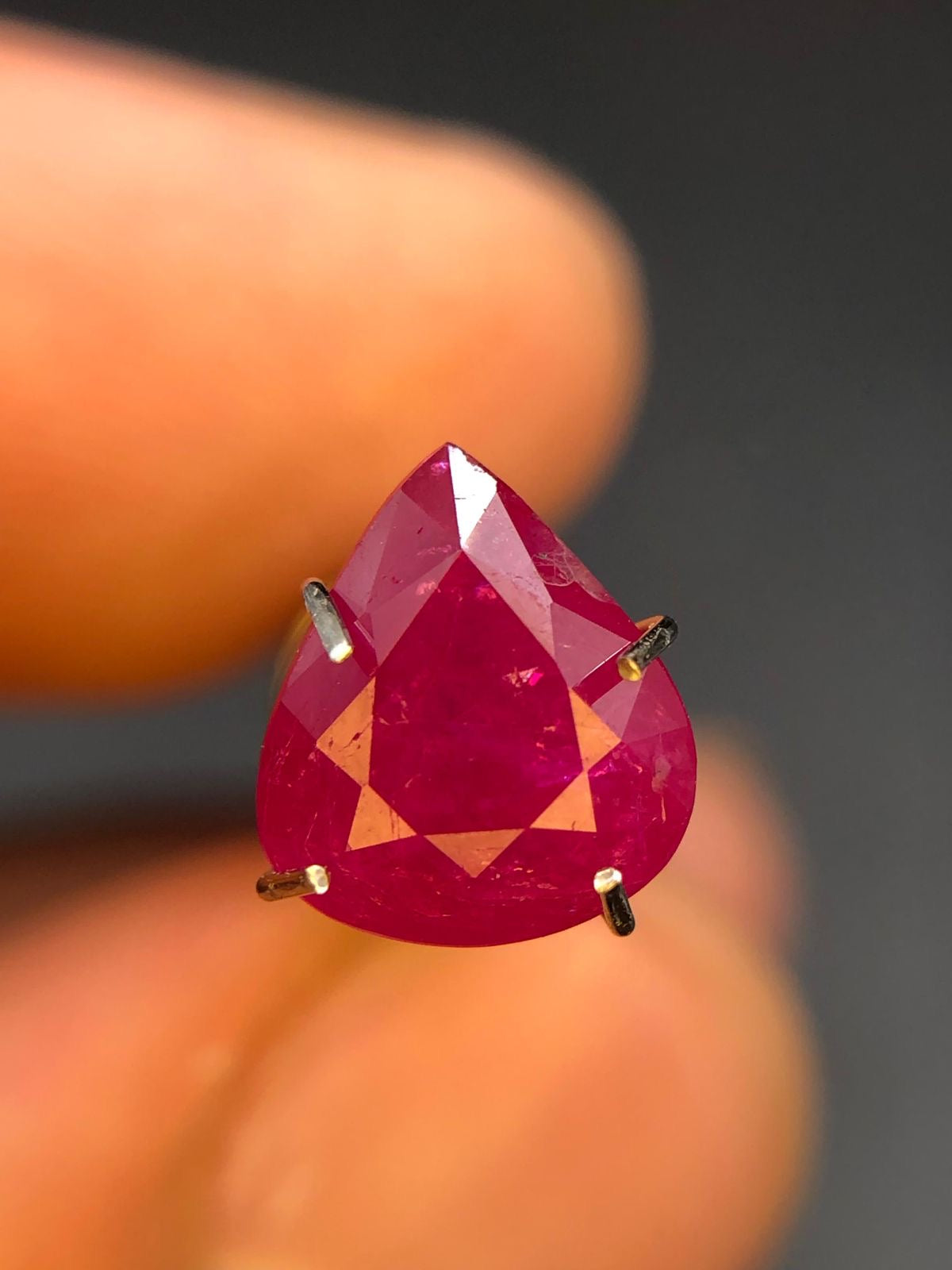
2.59 carats Pear Shape Myanmar Reddish Pink Ruby -
10 carats Cushion, Oval, Round, Emerald Cut Natural Mozambique Red Rubies Deal -
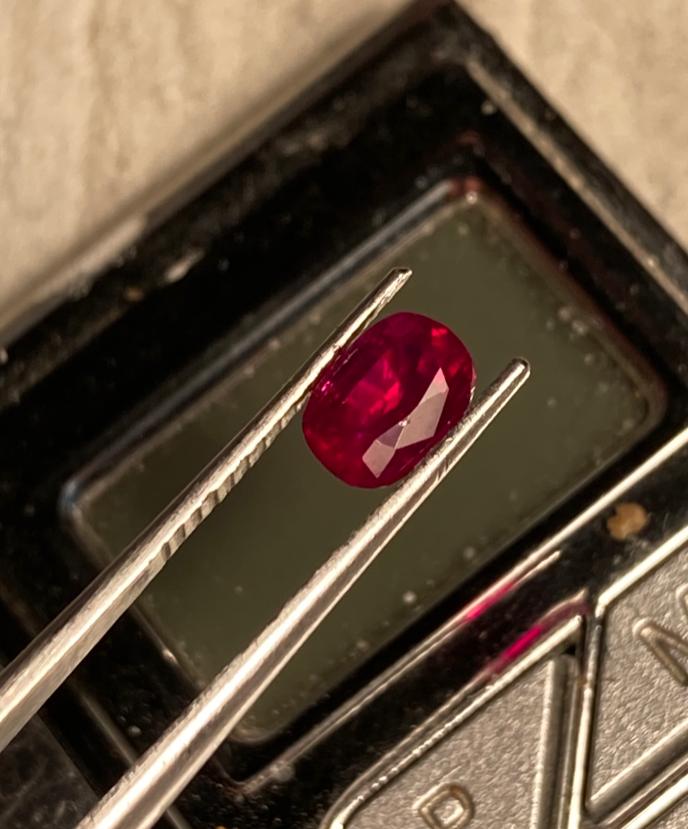
1.28 carats Octagonal Pink Kashmir Ruby 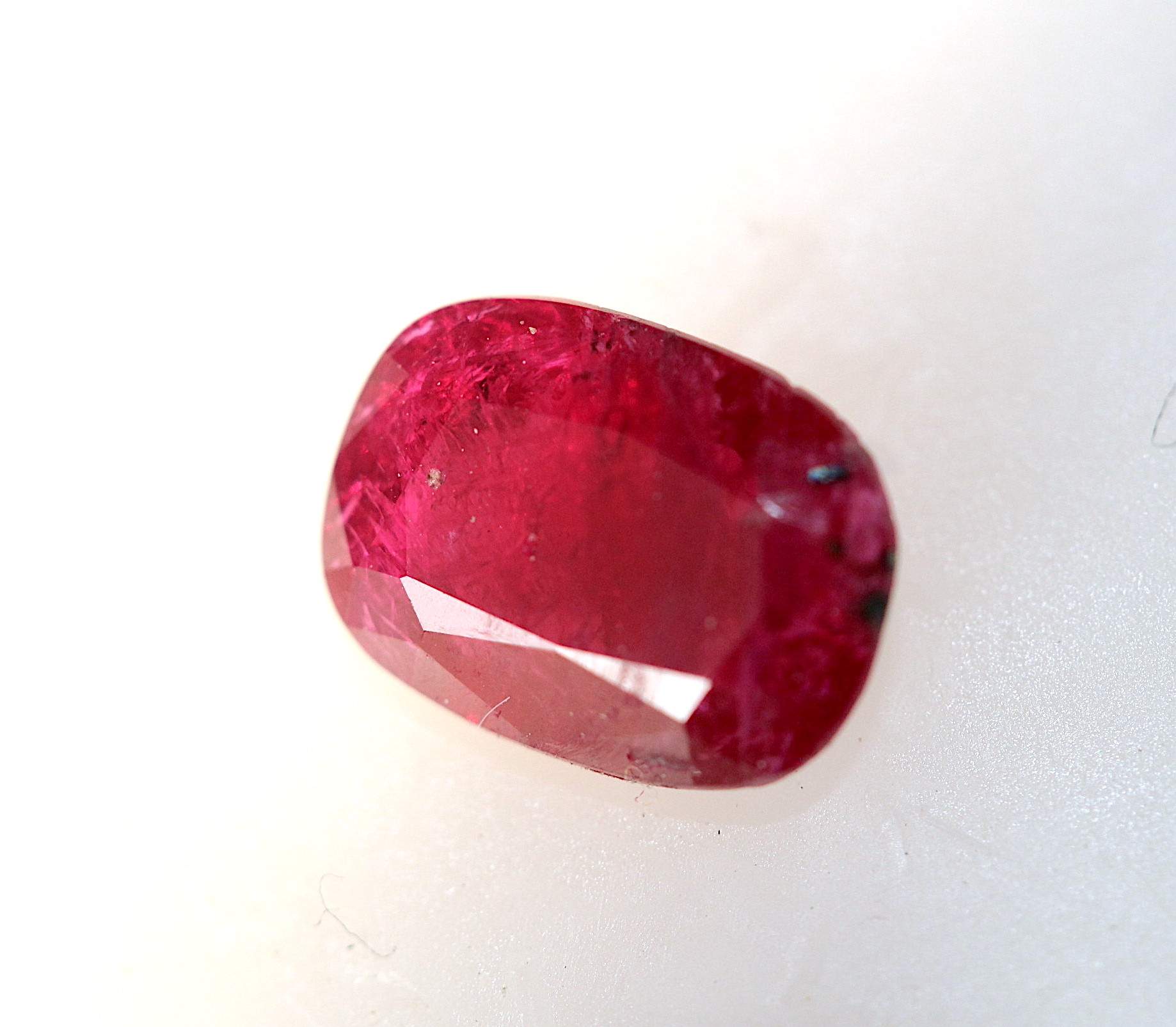
1.28 carats Octagonal Pink Kashmir Ruby
1.28 carats Octagonal Pink Kashmir Ruby
$399.00 USDSale price $399.00 USD Regular price -
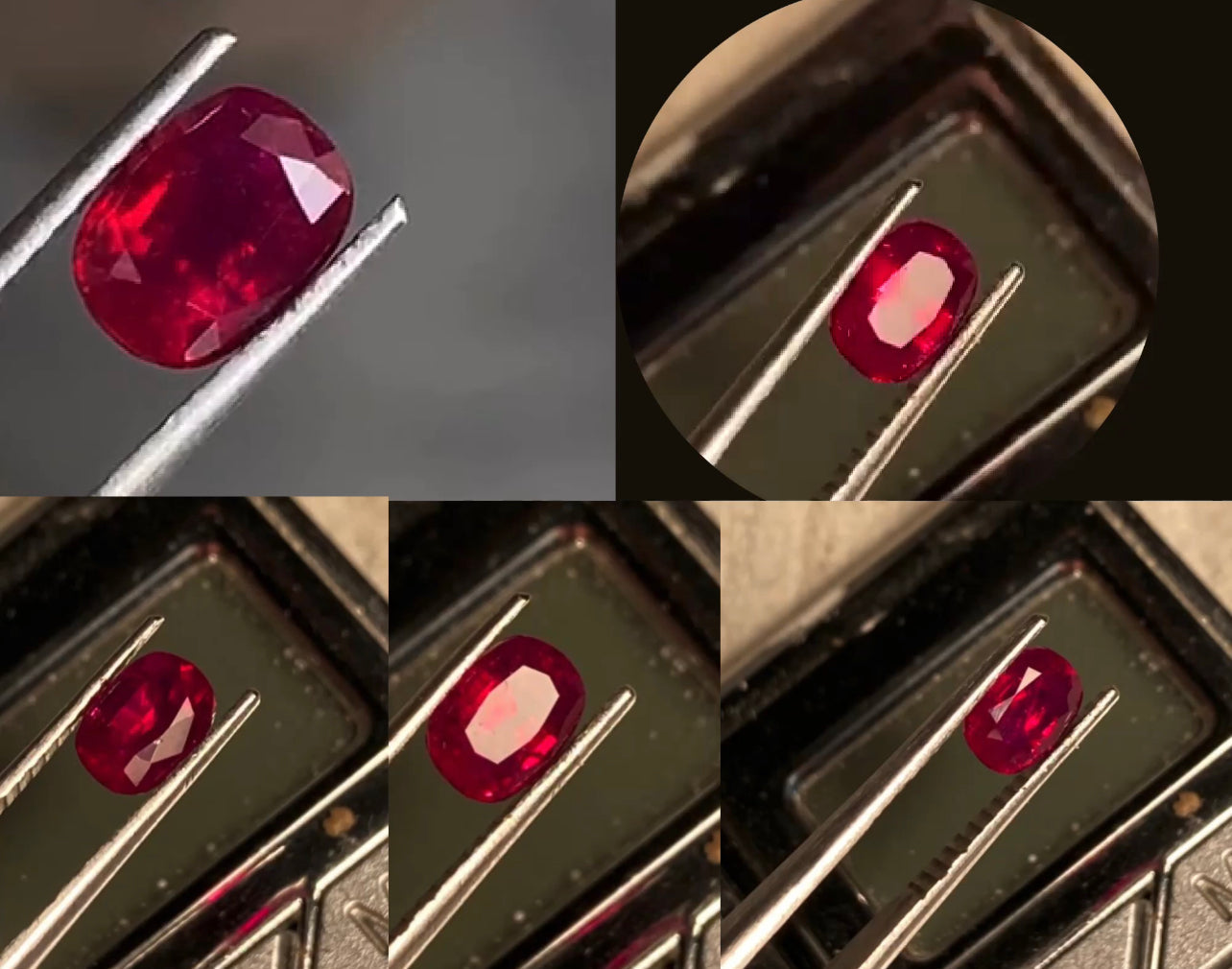
1.41 carats Emerald Cut Red Kashmir Ruby Loose Stone 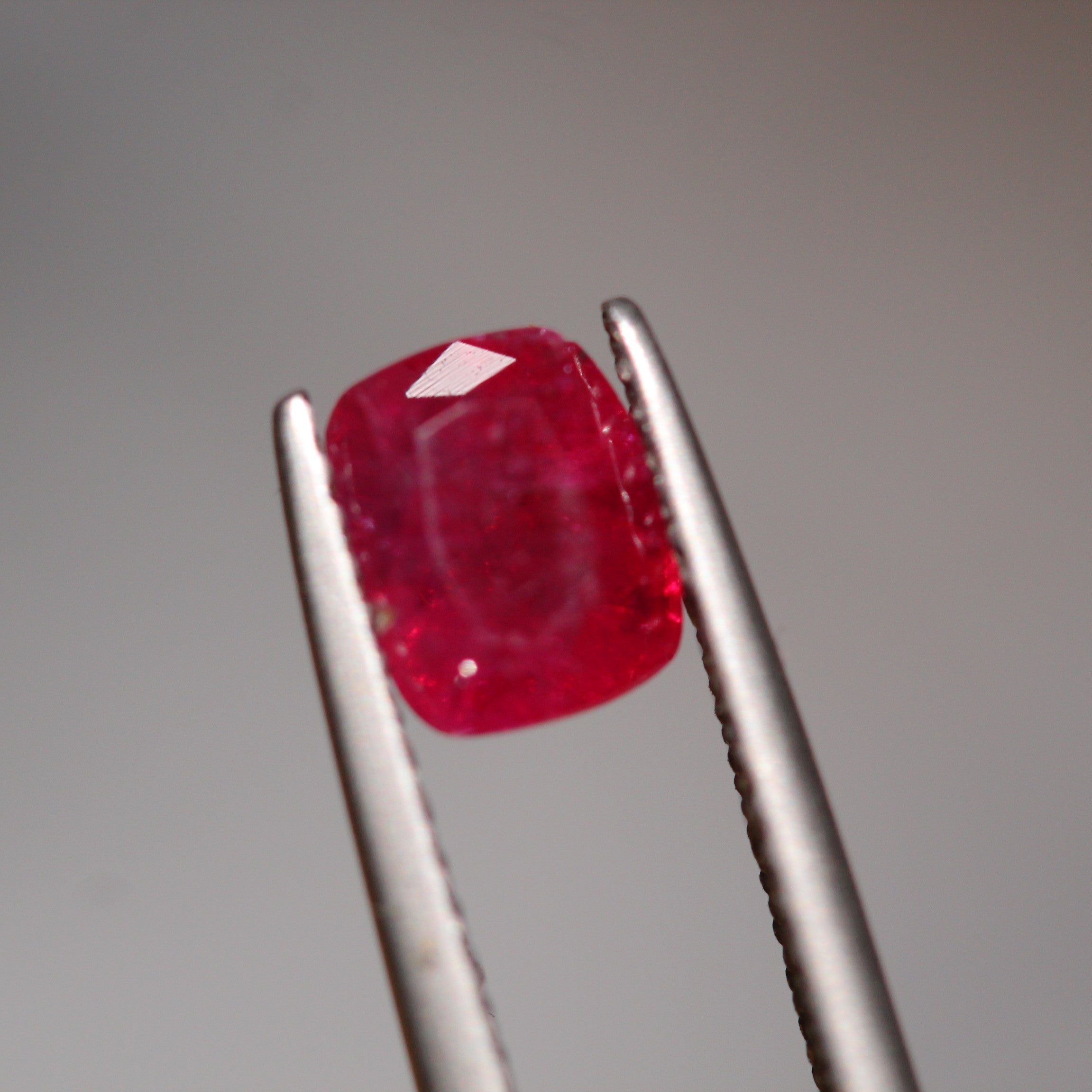
1.41 carats Emerald Cut Red Kashmir Ruby Loose Stone
1.41 carats Emerald Cut Red Kashmir Ruby Loose Stone
$750.00 USDSale price $750.00 USD Regular price -
3.65 carats Natural Kashmir Red Ruby - Octagonal Shape -
Precious Stones Deal Emeralds, Kashmir Sapphire / Ruby, Ceylon Sapphires, Tourmalines, Spinels 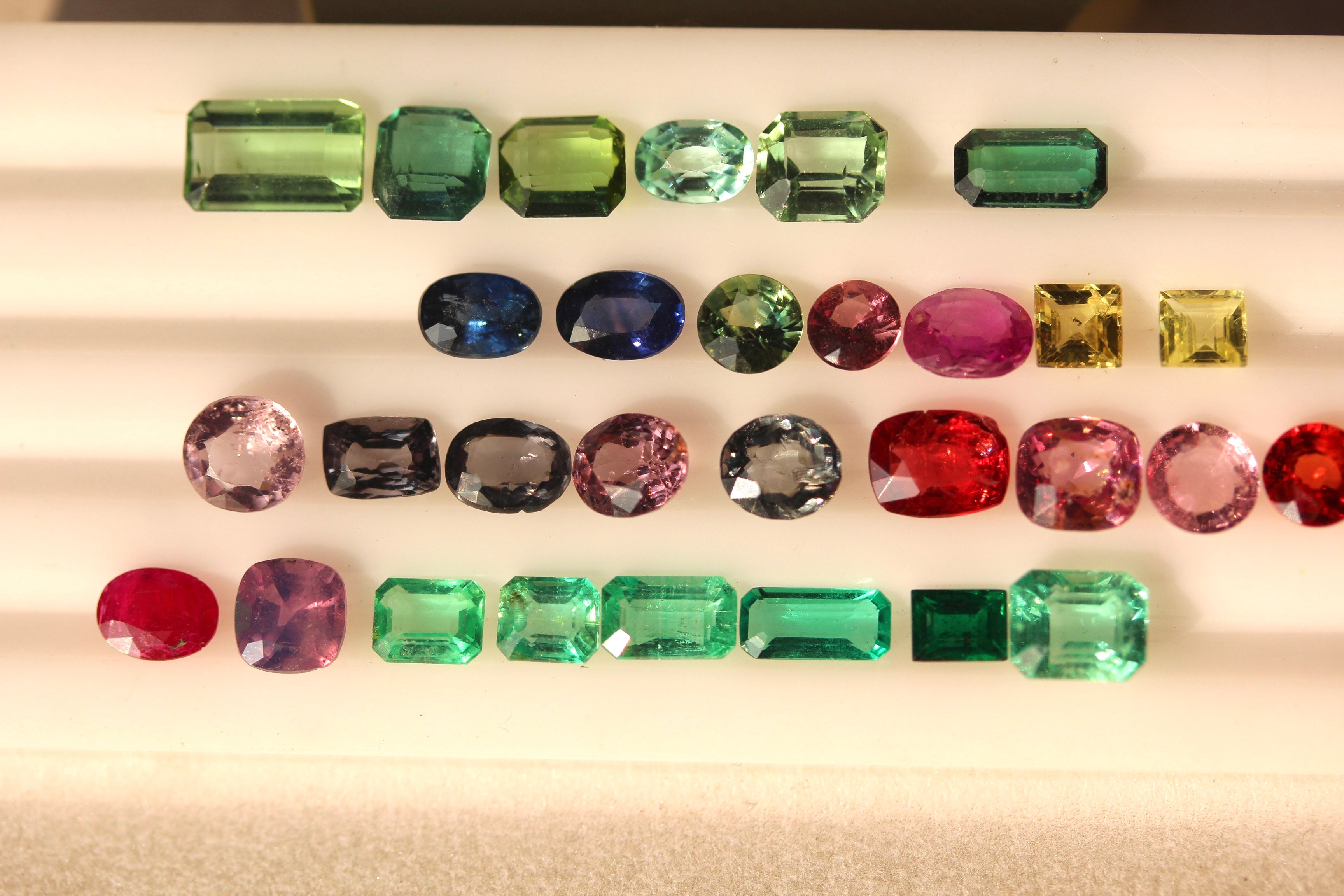 Sale
SalePrecious Stones Deal Emeralds, Kashmir Sapphire / Ruby, Ceylon Sapphires, Tourmalines, Spinels
Precious Stones Deal Emeralds, Kashmir Sapphire / Ruby, Ceylon Sapphires, Tourmalines, Spinels
$1,050.00 USDSale price $1,050.00 USD Regular price $1,450.00 USD -
Calibrated Round Brilliant Diamond Cut Burmese Loose Rubies for Jewelry Designers  Sale
SaleCalibrated Round Brilliant Diamond Cut Burmese Loose Rubies for Jewelry Designers
Calibrated Round Brilliant Diamond Cut Burmese Loose Rubies for Jewelry Designers
$1,600.00 USDSale price $1,600.00 USD Regular price $1,800.00 USD -
1 carat Pigeon Blood Natural Kashmir Ruby -
6.4 carats Parcel of Natural Ruby Stones | Afghan Rubies for Sale -
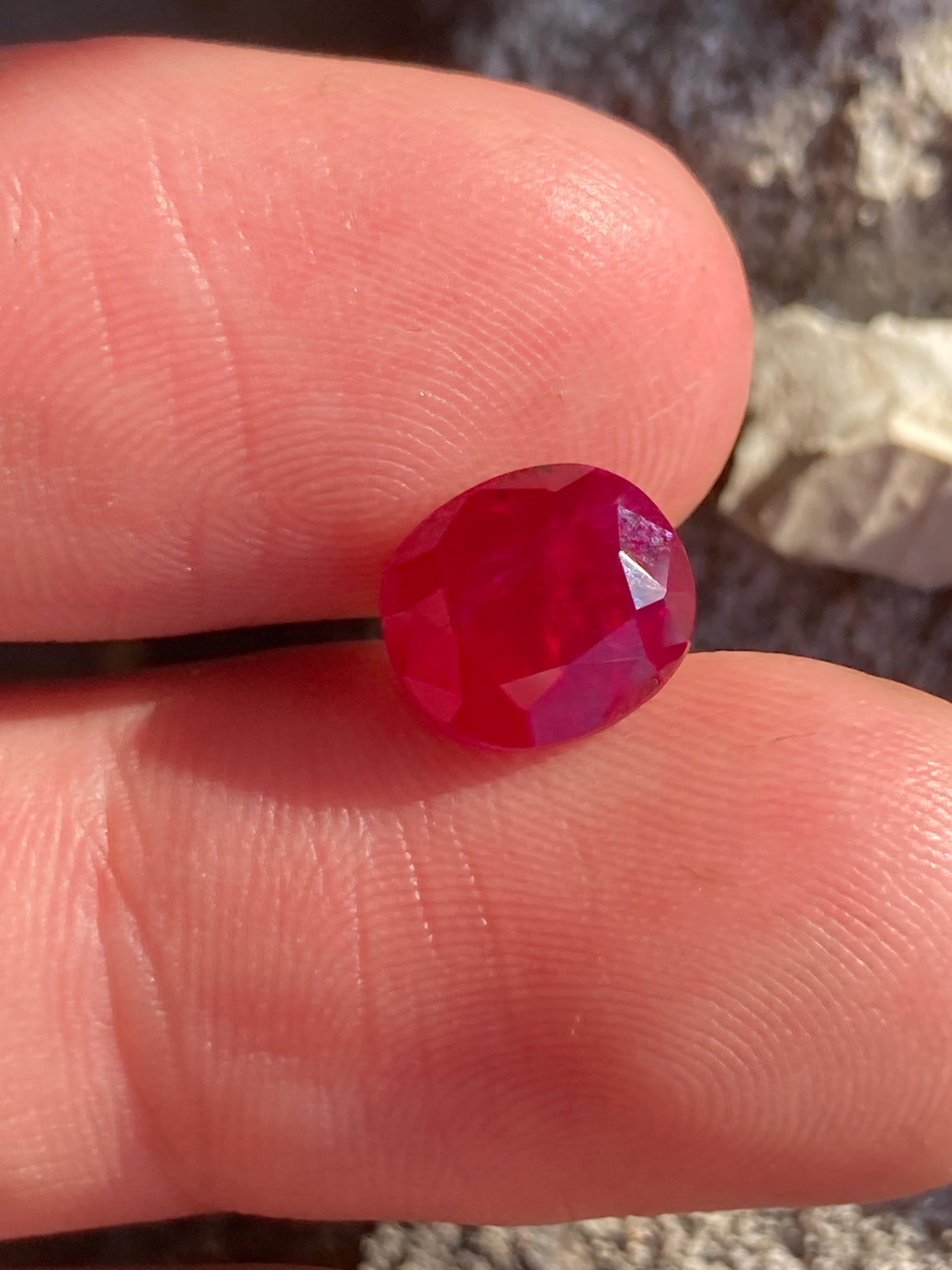
8 ct Ruby Stone | Natural Loose Rubies for Sale










Explore Collections
Loose Emerald Gems


Loose Emerald Gems




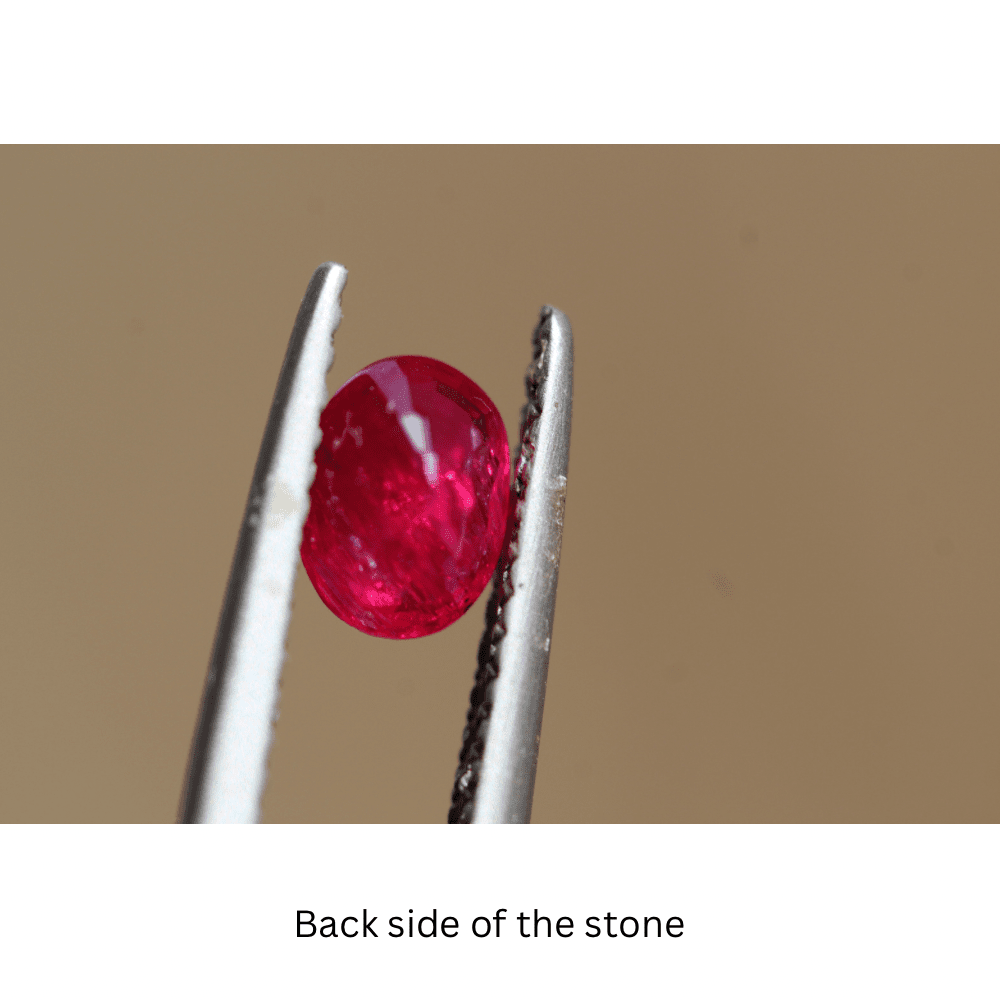
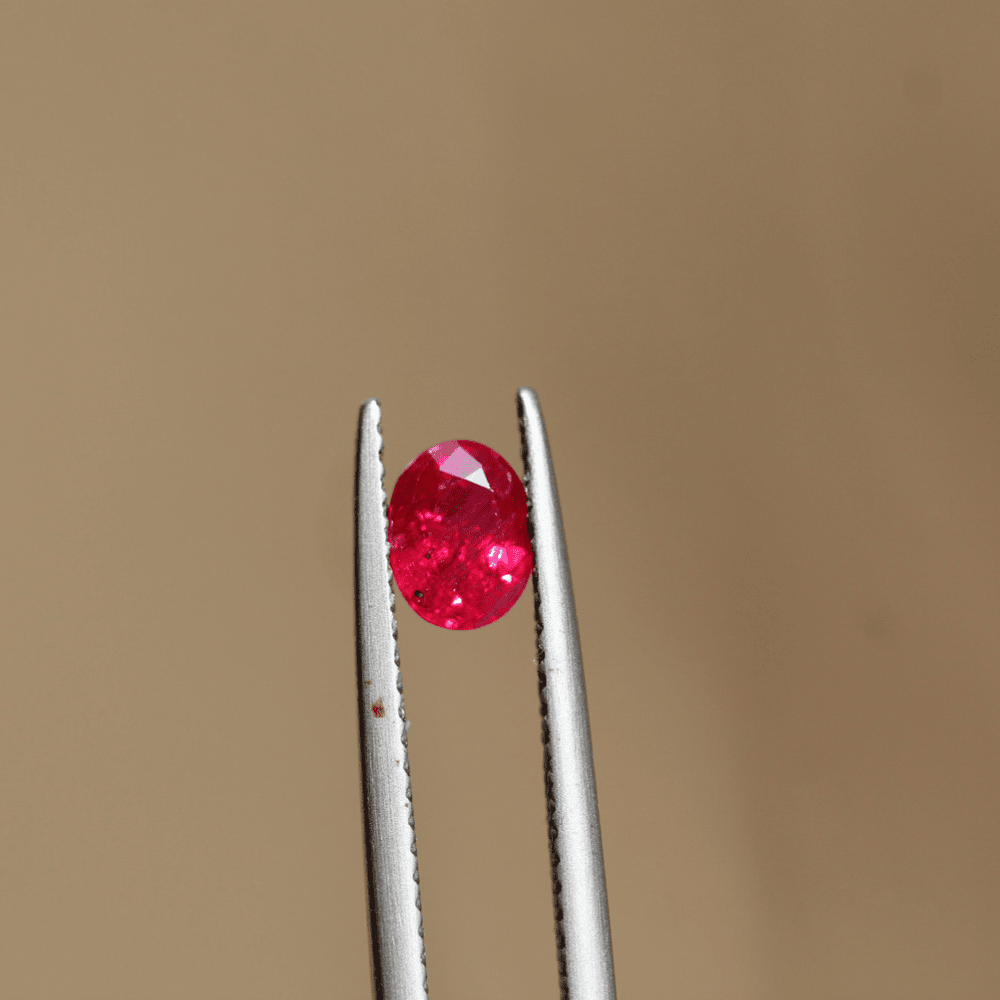
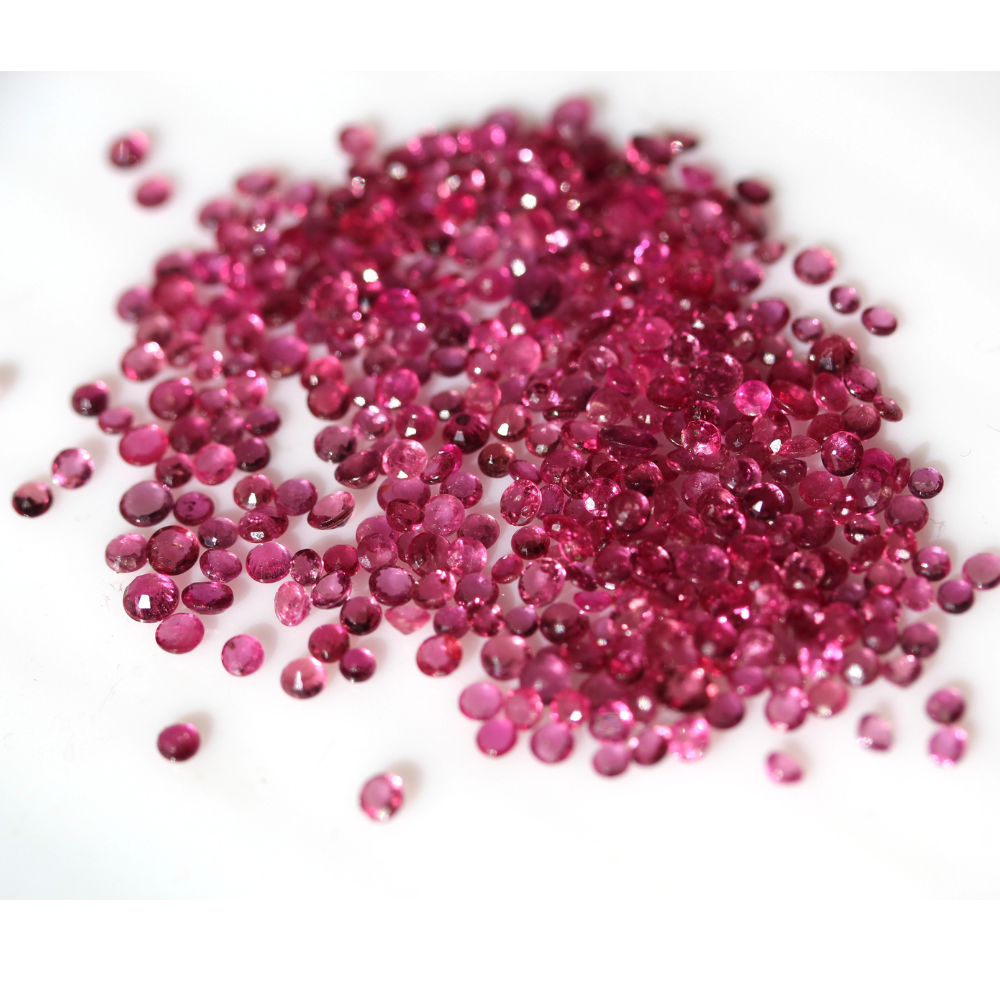
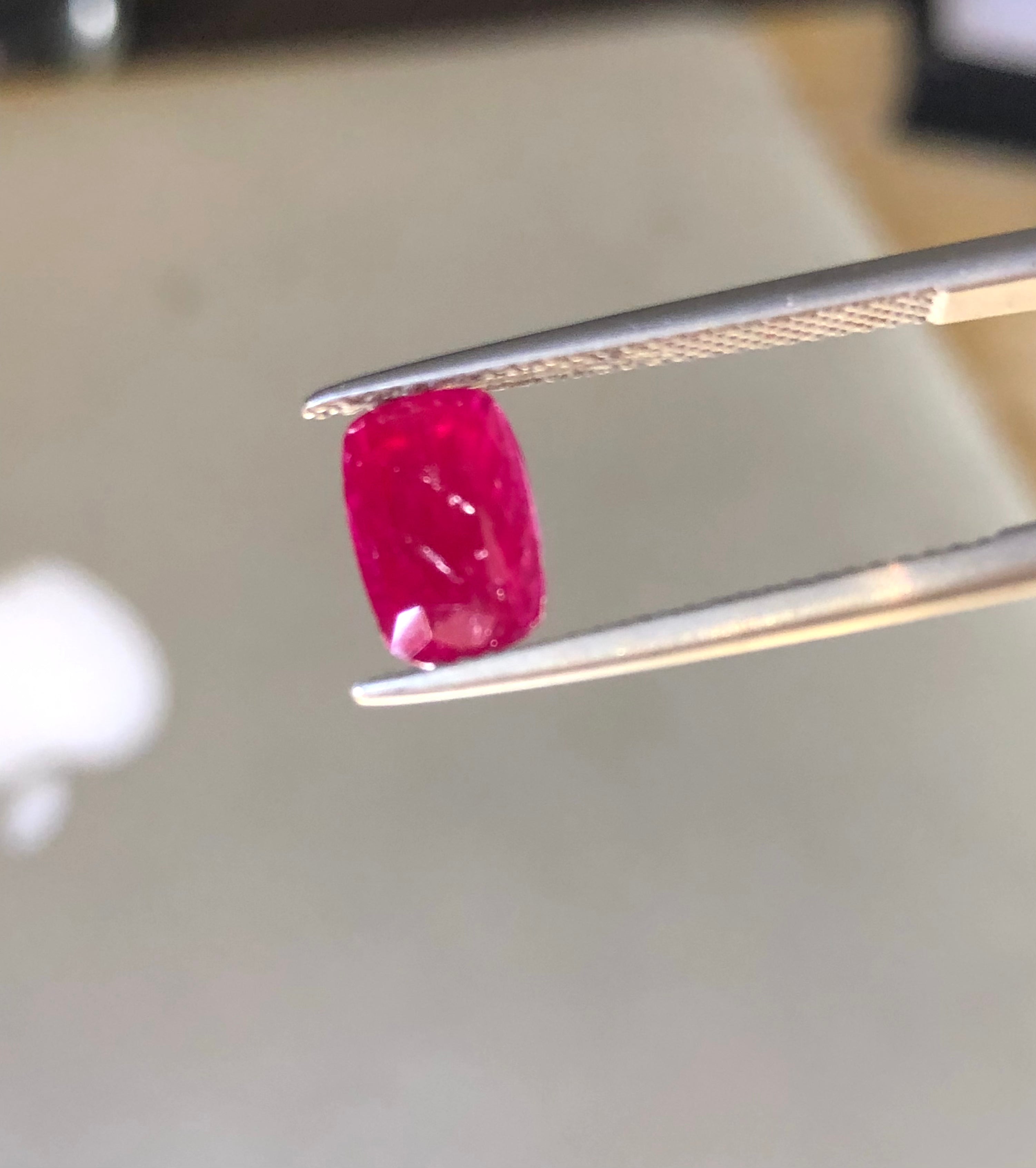
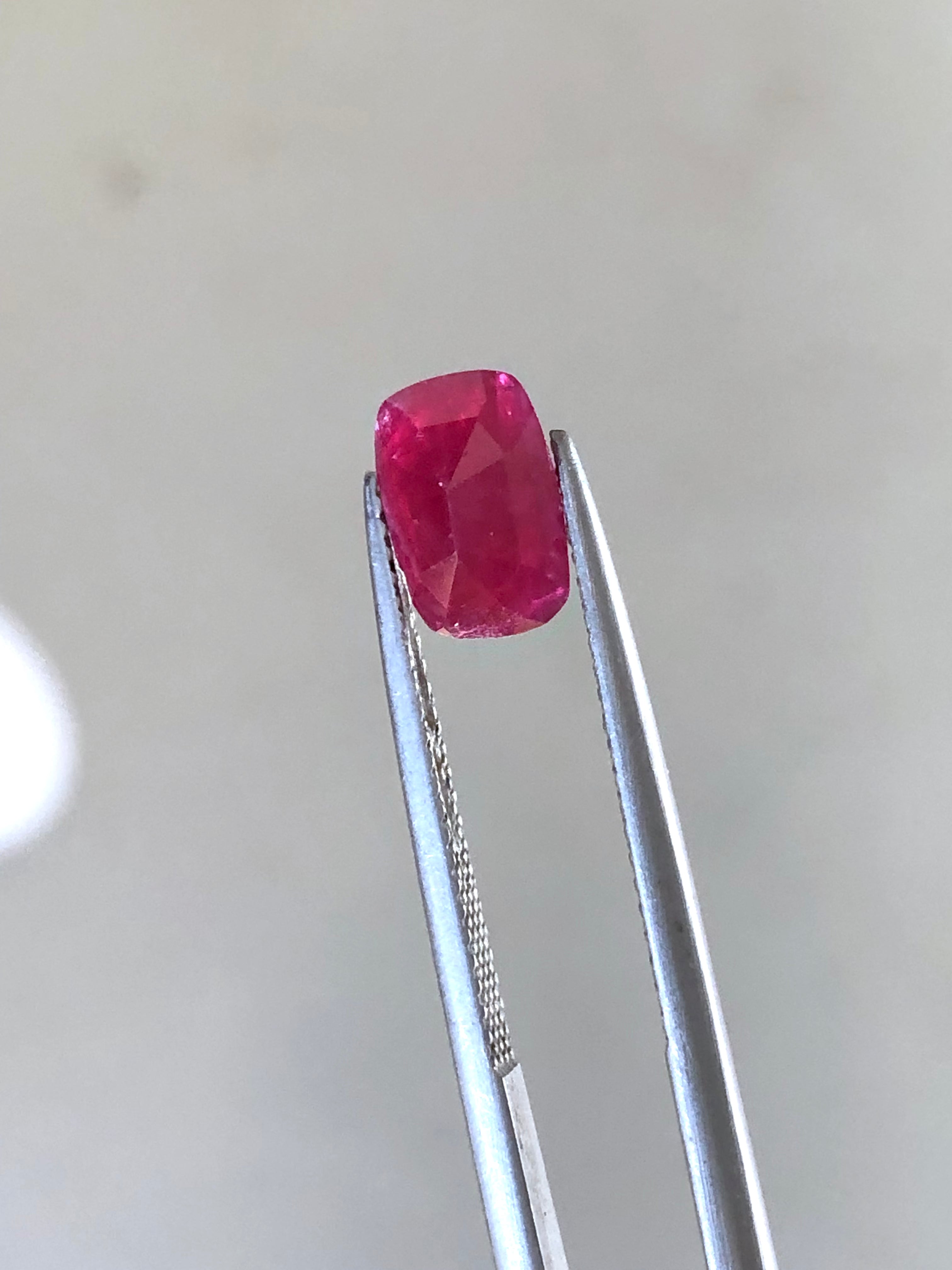
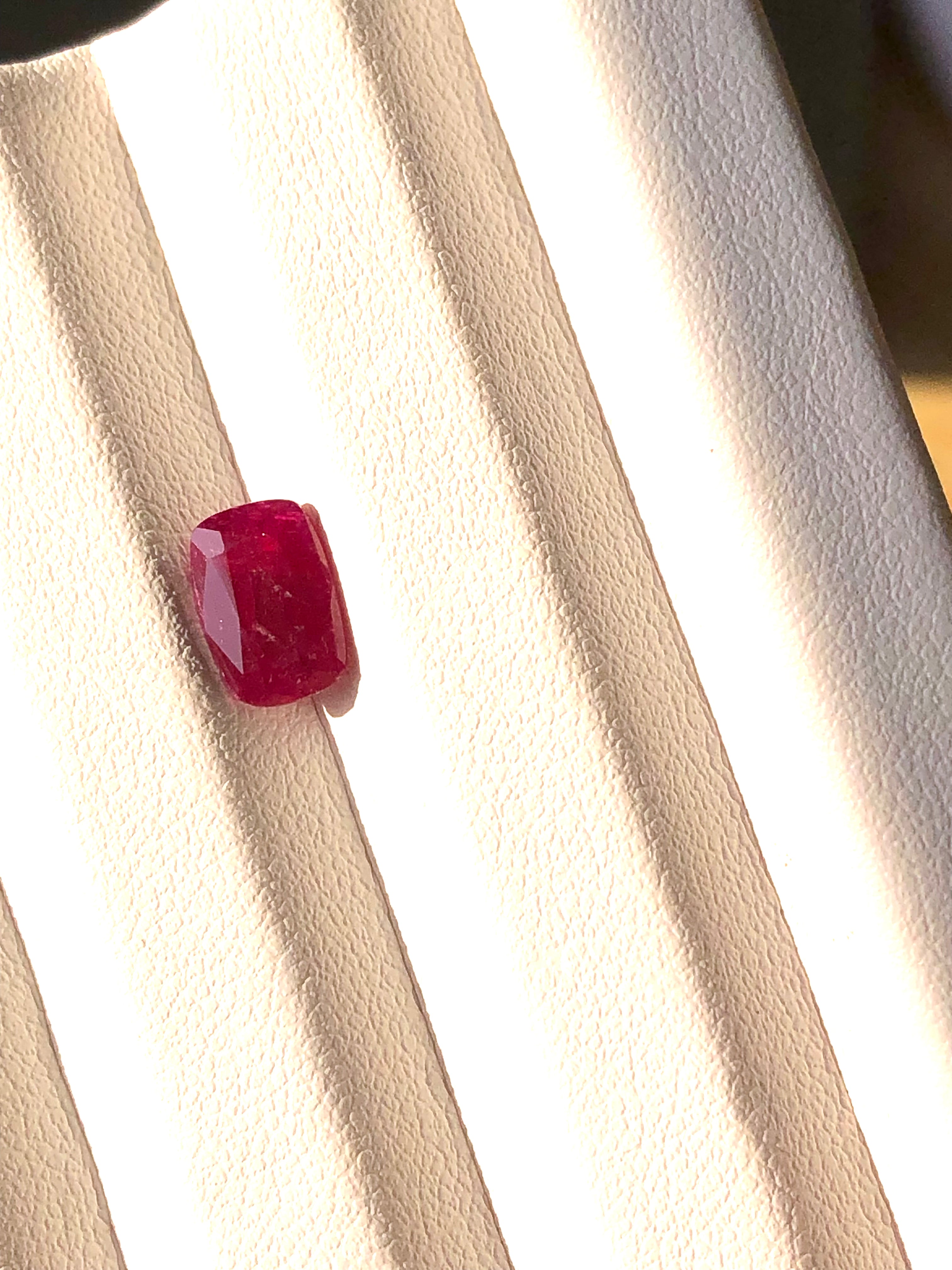
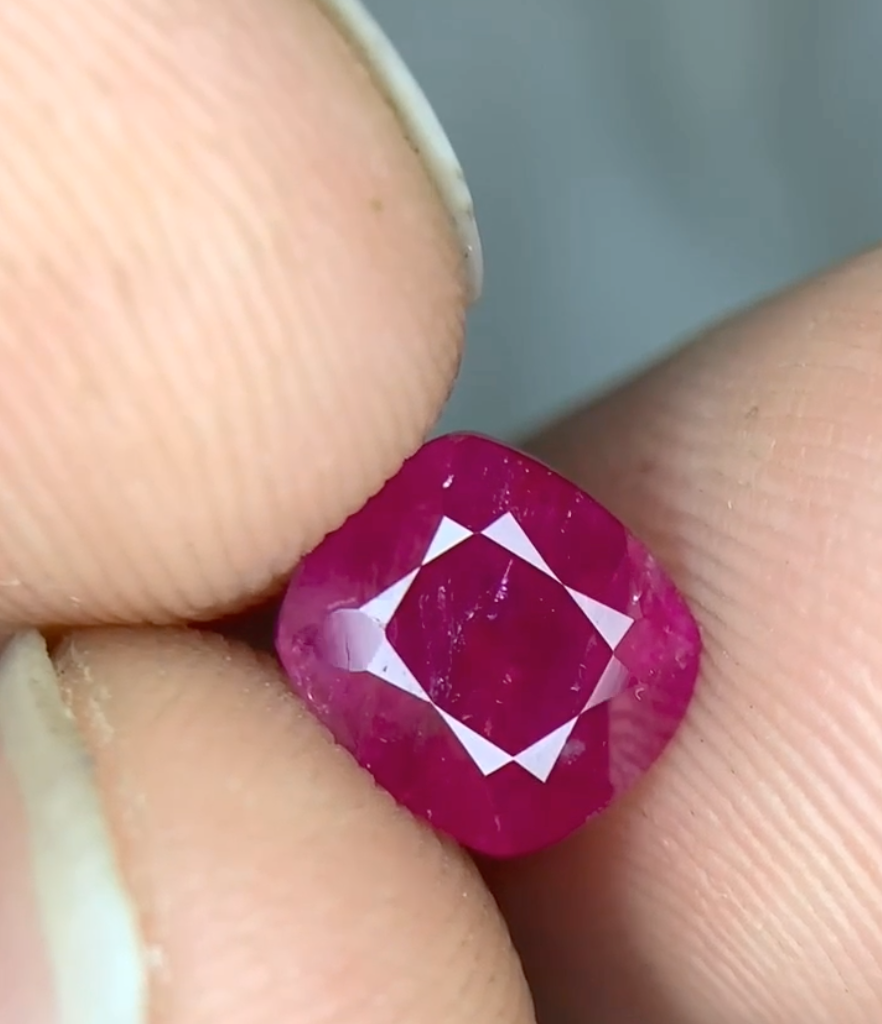
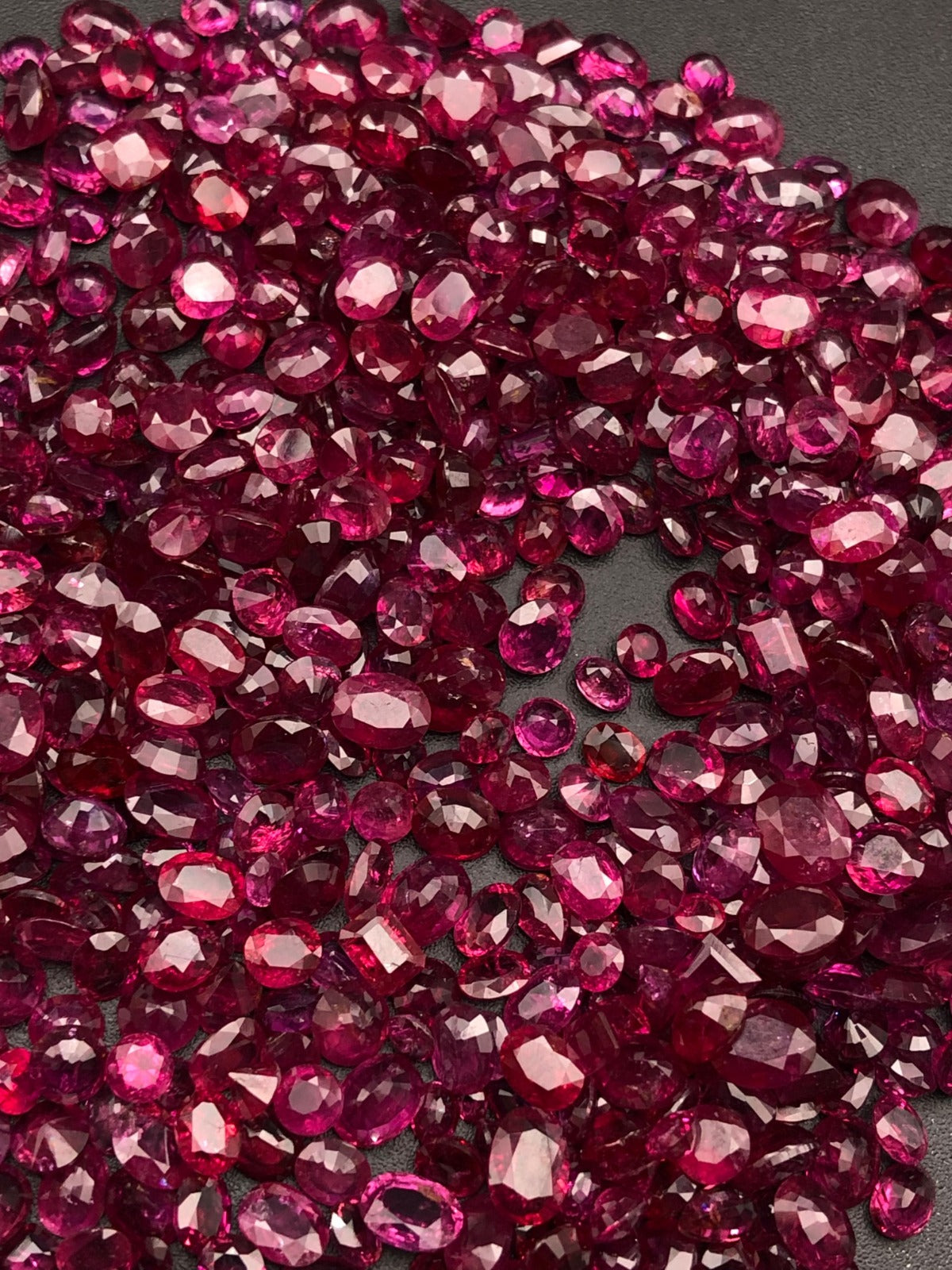
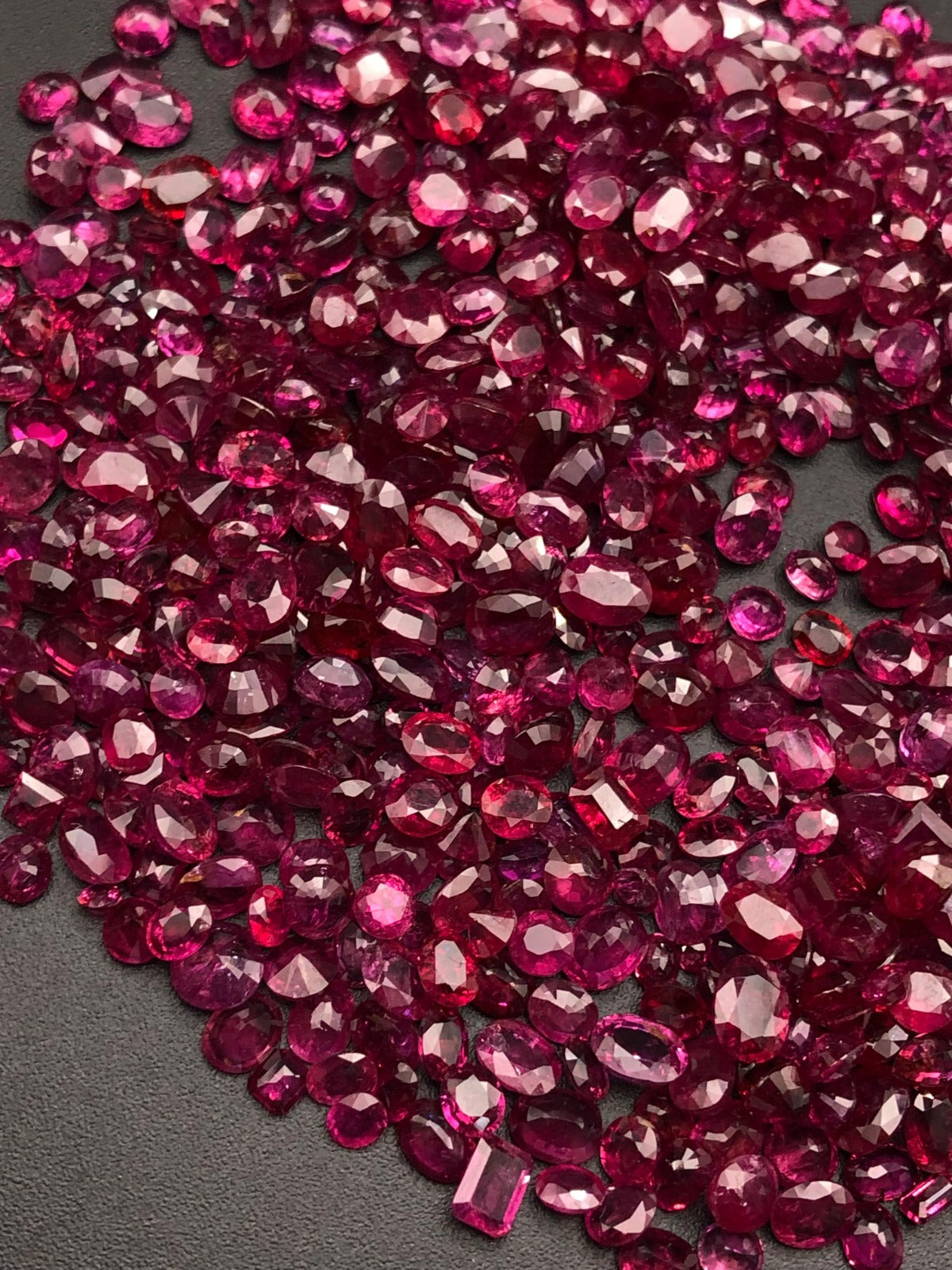
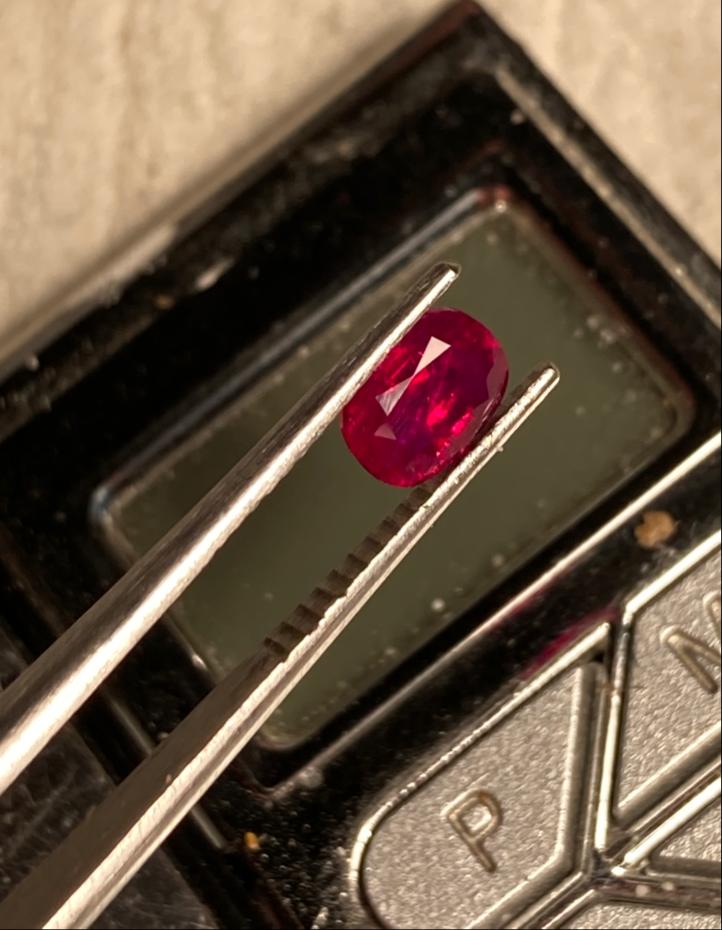
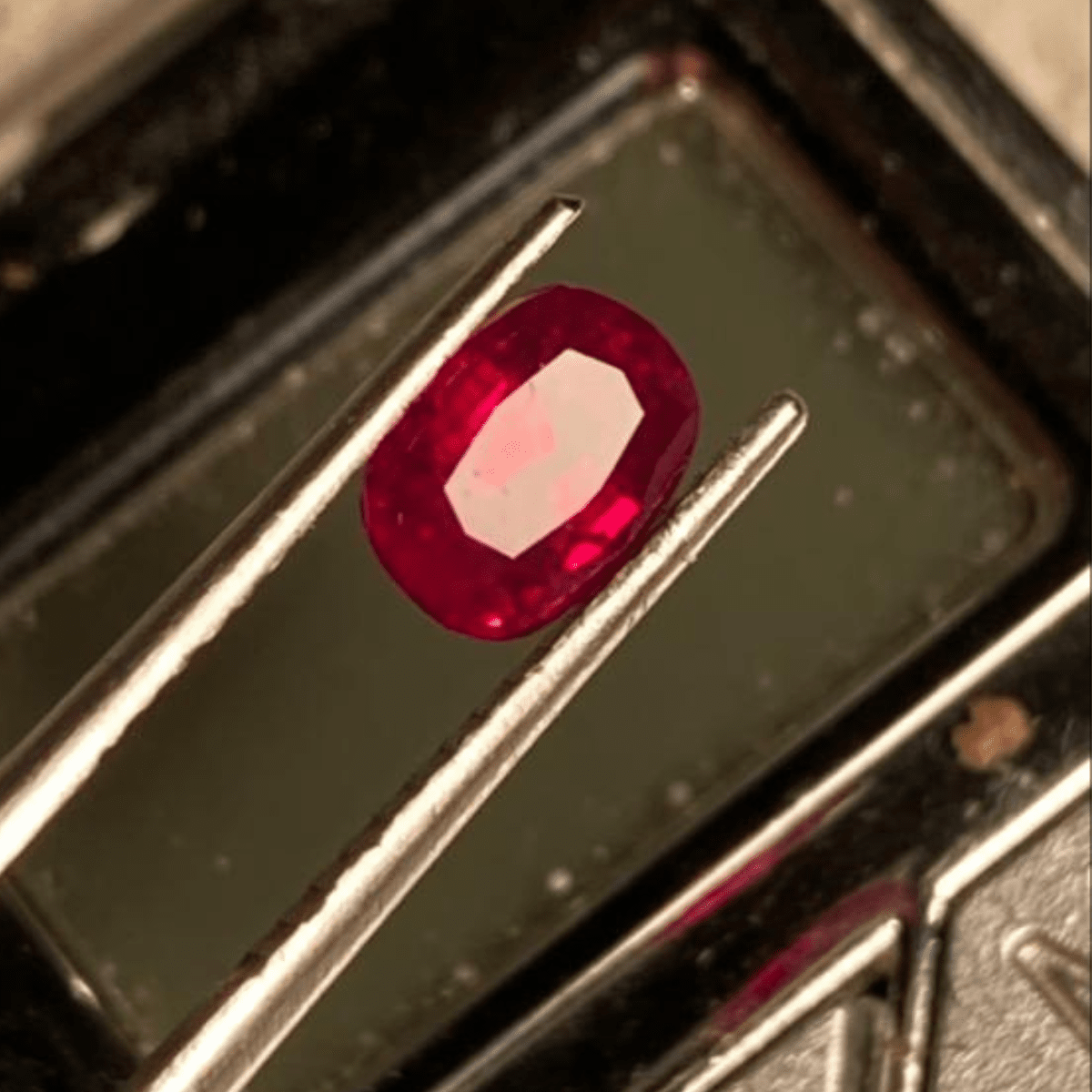
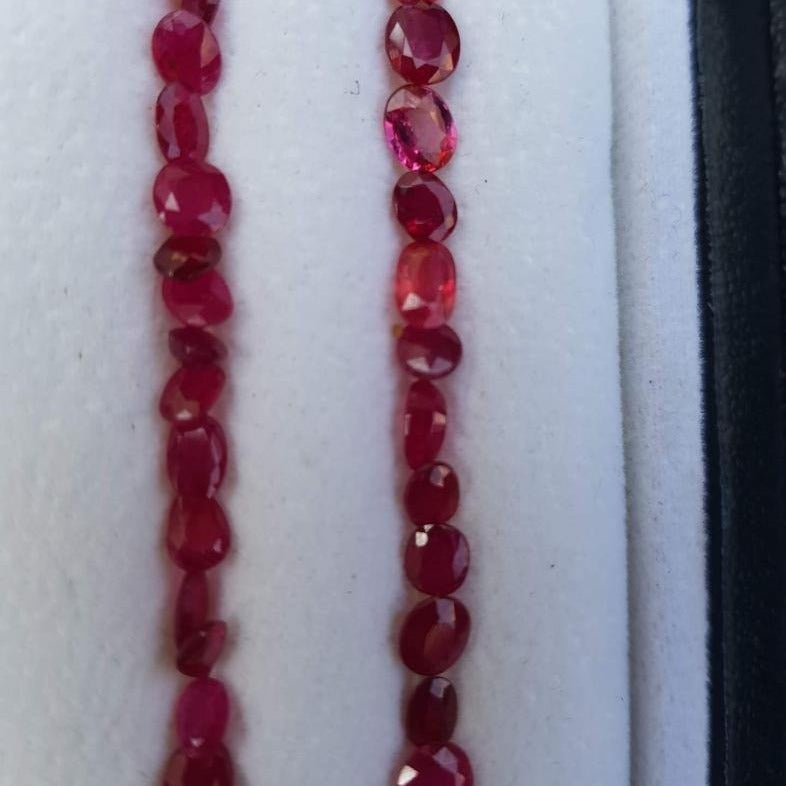
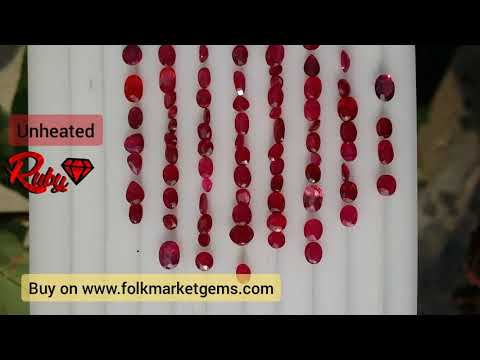
Loose Ruby Stones for Sale | Natural Faceted Rubies
This collection features natural loose ruby stones — professionally cut, faceted, and polished rubies sourced from trusted origins including Kashmir (Pakistan), Hunza, Afghanistan, Tajikistan, Mozambique, Madagascar, and Burma.
At FolkmarketGems, we offer a carefully curated selection of loose ruby gemstones for jewelry designers, gemstone collectors, and custom buyers seeking authentic rubies with verified origins and transparent treatment disclosure.
Whether you are designing a fine jewelry piece, sourcing a center stone, or investing in a rare gemstone, our loose ruby stones are selected for their color, cut quality, and natural character.
What Are Loose Ruby Stones?
Loose ruby stones are natural ruby gemstones that have been cut and polished but are not set into jewelry. These stones are ideal for custom rings, pendants, earrings, and bespoke jewelry designs, allowing full creative freedom in setting and metal choice.
At FolkmarketGems, each loose ruby is individually selected, photographed, and described to ensure buyers receive exactly the gemstone they expect.
Types of Loose Ruby Stones Available
- Natural loose faceted rubies for rings, pendants, and earrings
- Loose Kashmir rubies with deep red to pigeon-blood tones
- Loose Afghan Rubies and Hunza rubies with vibrant natural color
- Loose Tajik rubies suitable for custom jewelry projects
- Loose Mozambique rubies (mostly heated)
- Loose Burmese rubies, both heated and unheated
Each loose ruby stone is offered individually, allowing buyers to choose based on size, shape, color intensity, clarity, and budget.
Loose Ruby Stones by Origin
Ruby origin plays a major role in color, rarity, and market value. FolkmarketGems supplies loose rubies from both classic and emerging sources.
- Pigeon Blood Kashmir Rubies (Pakistan)
- Hunza Valley Rubies (Pakistan)
- Afghan Rubies
- Tajik Rubies
- Mozambique Rubies
- Madagascar Rubies
- Burmese Rubies (Myanmar)
Origin information is disclosed wherever available to help buyers make informed decisions.
How to Choose the Right Loose Ruby Stone
- For fine jewelry: choose well-cut loose rubies with balanced color and good clarity
- For statement pieces: select deeper red rubies or pigeon-blood color stones
- For budget-conscious buyers: Mozambique and Madagascar rubies offer strong value
- For collectors: Kashmir and Burmese loose rubies are highly sought after
FolkmarketGems assists buyers in matching the right loose ruby stone to their intended use.
Quality, Cut & Natural Characteristics
- Natural ruby stones belonging to the corundum mineral family
- Hardness of 9 on the Mohs scale for long-lasting wear
- Faceted to enhance brilliance and color appearance
- Available in multiple shapes and sizes
- Transparent to translucent clarity depending on origin and grade
Most loose ruby stones offered by FolkmarketGems are natural, with treatment information clearly disclosed for transparency.
Scientific & Gemological Overview of Ruby
Ruby is the red variety of corundum (Al₂O₃). Its color is caused by chromium, and its exceptional hardness makes it one of the most durable gemstones used in jewelry.
- Mineral: Corundum (Aluminum Oxide)
- Color agent: Chromium
- Hardness: 9 on Mohs scale
- Refractive Index: 1.76 – 1.78
- Specific Gravity: 3.97 – 4.05
These properties make loose ruby stones ideal for everyday jewelry and heirloom-quality designs.
Ruby as a Birthstone & Jewelry Gem
Ruby is the traditional birthstone for July and is widely used in engagement rings, anniversary jewelry, and meaningful gift pieces.
As a birthstone, ruby symbolizes love, passion, strength, and vitality. Its deep red color has long been associated with confidence and emotional power, making loose ruby stones a popular choice for personalized jewelry designs and milestone gifts.
Loose ruby stones are especially valued for custom engagement rings, wedding jewelry, and anniversary pieces because of their exceptional durability (Mohs hardness 9) and timeless appeal. Many buyers choose rubies as an alternative to diamonds for bold, symbolic, and unique jewelry designs.
Ruby is also the traditional gemstone for the 15th and 40th wedding anniversaries, making loose ruby stones a meaningful choice for commemorative jewelry.
Why Buy Loose Ruby Stones from FolkmarketGems?
- 100% natural gemstones with transparent descriptions
- Direct sourcing from trusted suppliers and miners
- Support for jewelry designers, collectors, and wholesalers
- Individual stone selection with clear photos and specifications
- Small quantities to larger custom orders available
FolkmarketGems focuses on authenticity, fair pricing, and long-term relationships with gemstone buyers worldwide.
Common FAQs About Loose Ruby Stones
1. Are loose ruby stones natural?
Yes. FolkmarketGems specializes in natural loose ruby stones. Any treatments, such as heat, are clearly disclosed on each listing.
2. Can loose ruby stones be used for engagement rings?
Absolutely. Due to their hardness and durability, loose ruby stones are excellent choices for engagement rings and everyday jewelry.
3. Do loose rubies come with certification?
Certification can be arranged for high-value loose ruby stones upon request through recognized gemological laboratories.
4. Are heated rubies less valuable?
Heat treatment is common and accepted in the ruby trade. Untreated rubies are rarer and generally command higher prices.
5. How should loose ruby stones be stored?
Store loose ruby stones separately from other gemstones to prevent scratching, especially from diamonds.
Looking for raw ruby material instead? Explore our natural rough ruby stones and crystal parcels available for faceting, lapidary, and bulk buying.