


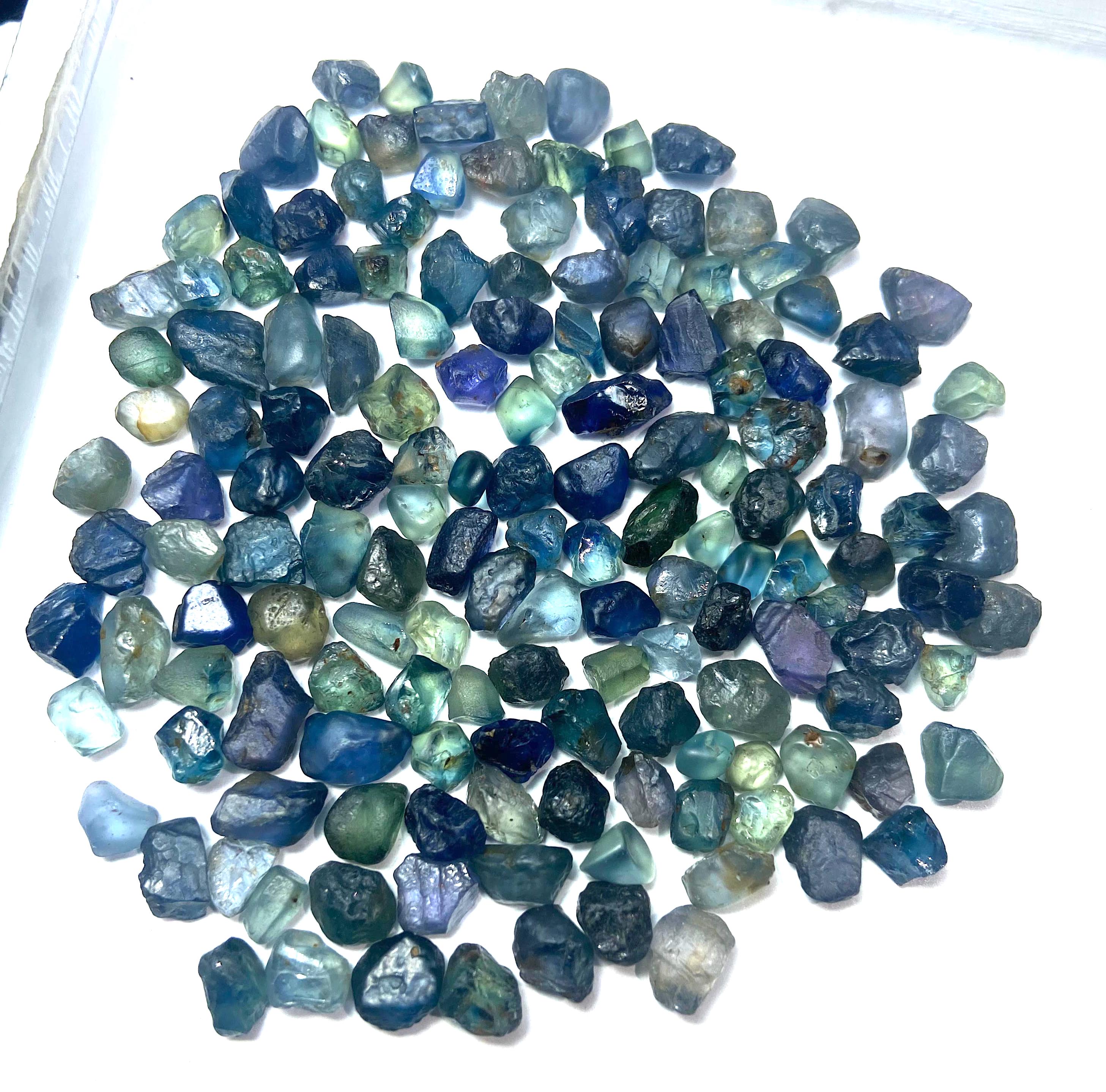
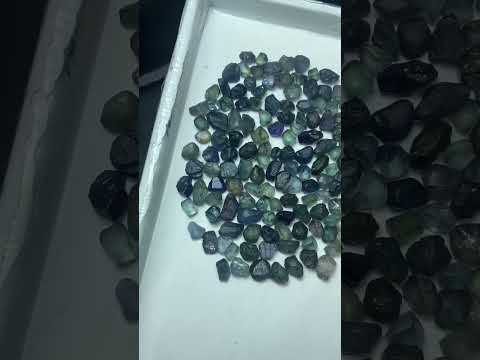
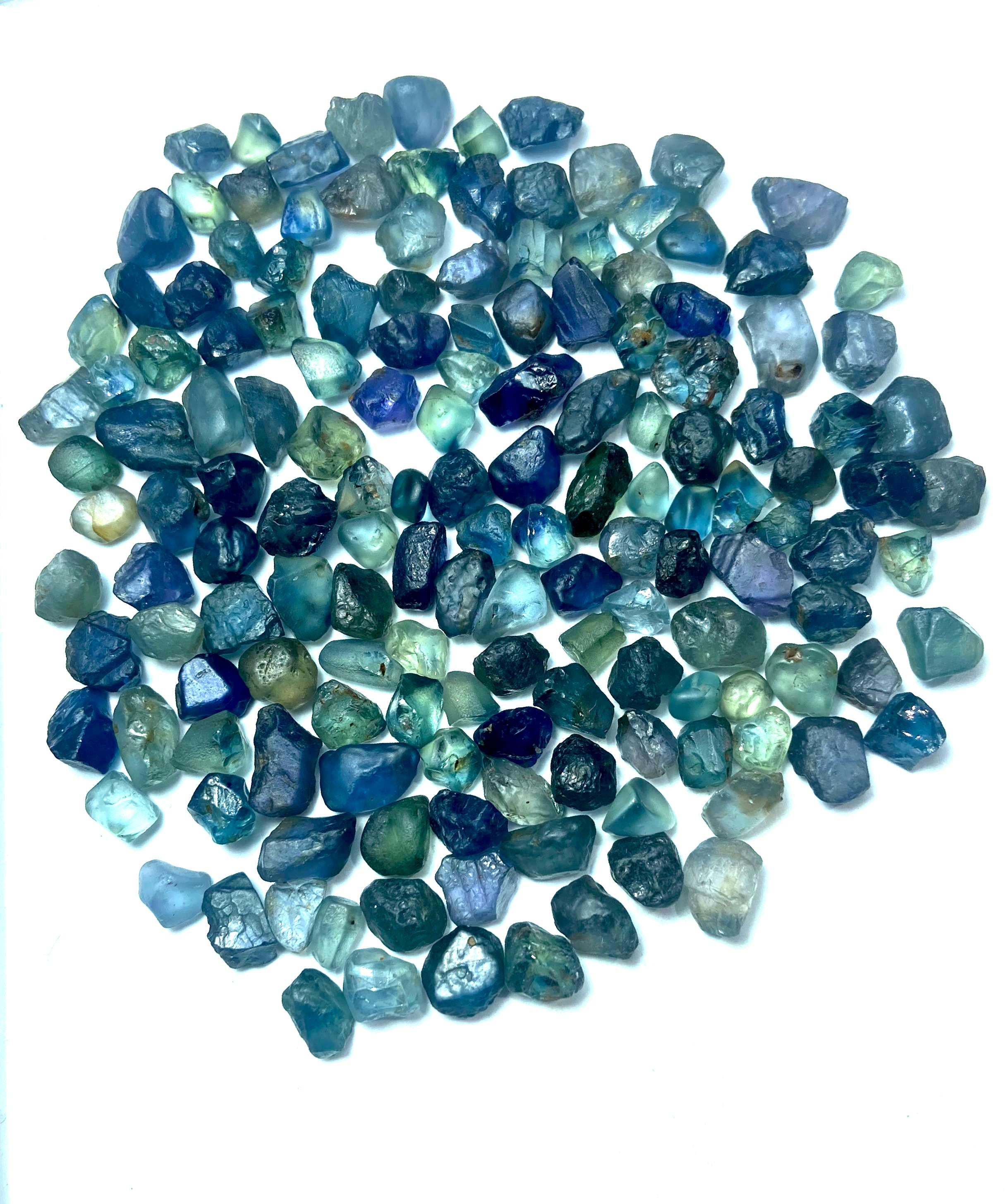
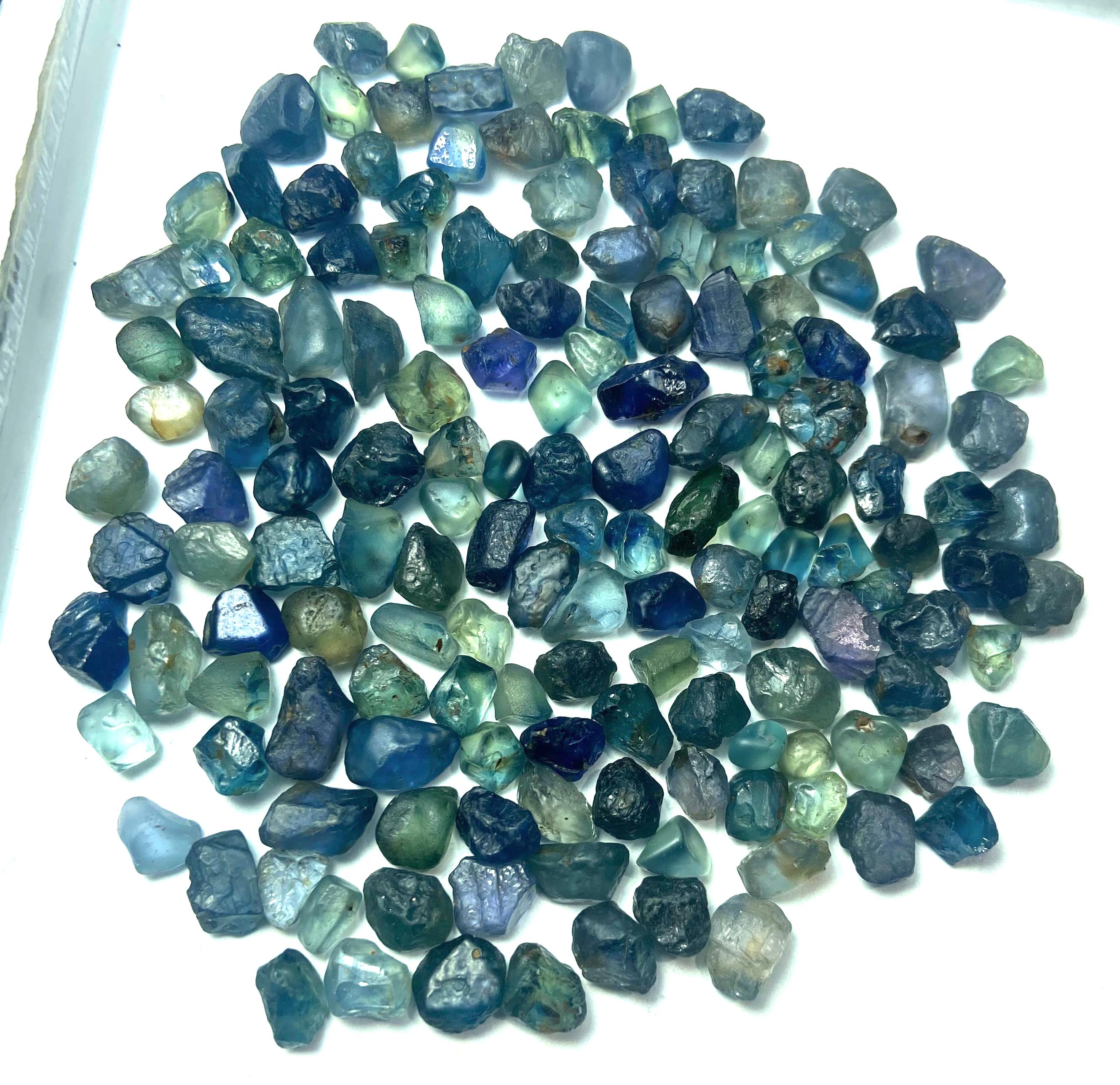
Facet Grade Parcel Deals of Natural Rough Sapphires Stones
50
$550.00 USD
Skip to product information
1 left

Gems Authenticity Guaranteed
Authentic Gemstones You Can Trust
- All gemstones offered by Folkmarketgems are 100% natural and genuine.
- Stones are carefully sourced from trusted mines and suppliers.
- Each gemstone is hand-selected for quality, color, and natural characteristics.
- Treatments, if any, are clearly disclosed in the product details.
- Certification from recognized gemological labs is provided where available.
- Every stone is inspected before dispatch to ensure authenticity and condition.
Shipping and Delivery
Delivery to Your Door Step is 100% Guaranteed
- Courier Companies: Fedex, DHL, UPS, USPS, Registered Mail on demand
- Ready items ship in 3–5 business days
- Custom or pre-orders take 4–7 business days
- Ships 1–2 business days after payment once ready
- Delivery estimate: 7–15 business days
- Delays may occur in rare cases
- Lab certification & customs may add time
- External factors like weather or peak seasons can impact delivery
- 📦 International Shipping Notice: Import duties and customs taxes (if applicable) are not included in price and must be paid by buyer upon delivery.
- View full Shipping & Delivery details
Refund & Returns
- Faulty, damaged, or incorrect items may be returned within 15 days of delivery
Items must be unused and returned with original tags and packaging. - Refunds are processed after inspection of the returned parcel.
- Refund timing may vary depending on your payment provider.
- Questions? Contact info@folkmarketgems.com
- See Refunds & Returns and Ordering & Payments for full terms.
Pay with Secure Payment Methods
- Your card details stay private and protected.
- Payments are handled through a secure, internationally certified payment system.
- All payment information is encrypted during checkout.
We do not store your card details on our website. - We never sell or share your card information with third parties.
Gemstone Specification
| Specification | Details |
|---|---|
Stone Name | Corundum and Sapphires |
Gems Type | Precious Stones |
Shapes / Cut | Rough Loose Shapes |
Color of Gems | Lavender, Indicolite, Blue, and Navy Blue |
Clarity | Eye Clean, Transparent, VS, and VVS |
Origin | Myanmar |
Treatments | No |
Birthstones | September |
Category Types | Facet Rough |
Deal Type | Small Bulk Lots / Start Up Deals |
| Specification | Details |
|---|---|
Stone Name | Corundum and Sapphires |
Gems Type | Precious Stones |
Shapes / Cut | Rough Loose Shapes |
Color of Gems | Lavender, Indicolite, Blue, and Navy Blue |
Clarity | Eye Clean, Transparent, VS, and VVS |
| Specification | Details |
|---|---|
Origin | Myanmar |
Treatments | No |
Birthstones | September |
Category Types | Facet Rough |
Deal Type | Small Bulk Lots / Start Up Deals |
Product Description
Grab Deals on Natural Facet-Grade Raw Sapphires from Tanzania
These raw sapphires lots are now available in 50 or 100-carat parcels — perfect for gemstone cutters, lapidary artists, and custom jewelry designers.
Key Product Features
- Stone Name: Natural Raw Sapphires (Corundum)
- Weight: Total 100 carats per parcel
- Size Range: 0.35 ct – 1.40 ct per stone (mixed sizes)
- Color Range: Deep royal blue, teal, green-blue, steel blue, inky navy, light aqua tones
- Transparency: Semi-transparent to translucent with some eye-clean stones
- Treatment: Untreated (100% natural as mined)
- Origin: Tanzania
- Hardness: 9 on Mohs scale (extremely durable, second only to diamond)
FAQs – Raw Sapphires for Gemstone Cutters & Jewelry Designers
Q: Are these sapphires suitable for faceting?
A: Yes. Many of the stones have nice good color saturation, and minimal fractures—making them highly suitable for precision faceting or freeform cutting.
Q: What indicators should cutters use when selecting stones from this parcel?
A: Look for even body color, visible “windows” under backlighting, and cleaner zones within the rough. Stones with minor silk may also be useful for star sapphires or cabochons.
Q: What shapes are best for faceting this material?
A: Ovals, cushions, and emerald cuts work well. Some of the angular crystals can yield beautiful custom fantasy cuts too.
Q: How hard is it to polish these sapphires?
A: Sapphires are hard but polish to a high luster using diamond paste. For best results, use 8k–100k diamond on a tin or ceramic lap.
Q: Are these sapphires good for beginners?
A: Due to their hardness and potential for inclusions, they are better suited for intermediate to advanced cutters. Beginners should practice with quartz first before working on this parcel.
Q: Can these stones be used in raw or rustic jewelry?
A: Absolutely. The variety of colors and natural surfaces makes them ideal for bezel-set or wire-wrapped raw gemstone jewelry.
Q: Are there noticeable inclusions or flaws?
A: A portion of the lot may show natural silk, internal veils, or tiny cracks, which is common for raw sapphires. Select stones with cleaner zones for faceting.
Gem Cutting & Handling Tips
- For Faceting: Focus on well-shaped pieces with deep blue tones and few surface-reaching fractures.
- For Cabbing: Choose stones with silk or milky zoning for beautiful dome polish or potential star effects.
- For Jewelry Designers: Combine irregular sapphires with textured metalwork for an organic, luxury aesthetic.
- Storage: Use separate padded trays or gem jars to avoid surface scratches.
- Cleaning: Only use mild soap and warm water. Avoid ultrasonic cleaners unless the stone is inclusion-free.
Pro Lapidary Tips
- Always inspect rough under fiber-optic light or cross-lighting to map internal zoning and orientation.
- Use diamond wheels for shaping (start with 600 grit) and polish with 50k or 100k diamond paste.
- Keep sapphire cool while working—use water flow constantly to avoid thermal shock.
- If cutting for commercial sale, prioritize consistent color for pairs or calibrated shapes.