


Tenebrescent Scapolite Gemstone Deal | Rare Scapolite Stone for Faceting
Sale price
$250.00 USD
Regular price $300.00 USD
Skip to product information
1 left

Gems Authenticity Guaranteed
Authentic Gemstones You Can Trust
- All gemstones offered by Folkmarketgems are 100% natural and genuine.
- Stones are carefully sourced from trusted mines and suppliers.
- Each gemstone is hand-selected for quality, color, and natural characteristics.
- Treatments, if any, are clearly disclosed in the product details.
- Certification from recognized gemological labs is provided where available.
- Every stone is inspected before dispatch to ensure authenticity and condition.
Shipping and Delivery
Delivery to Your Door Step is 100% Guaranteed
- Courier Companies: Fedex, DHL, UPS, USPS, Registered Mail on demand
- Ready items ship in 3–5 business days
- Custom or pre-orders take 4–7 business days
- Ships 1–2 business days after payment once ready
- Delivery estimate: 7–15 business days
- Delays may occur in rare cases
- Lab certification & customs may add time
- External factors like weather or peak seasons can impact delivery
- 📦 International Shipping Notice: Import duties and customs taxes (if applicable) are not included in price and must be paid by buyer upon delivery.
- View full Shipping & Delivery details
Refund & Returns
- Faulty, damaged, or incorrect items may be returned within 15 days of delivery
Items must be unused and returned with original tags and packaging. - Refunds are processed after inspection of the returned parcel.
- Refund timing may vary depending on your payment provider.
- Questions? Contact info@folkmarketgems.com
- See Refunds & Returns and Ordering & Payments for full terms.
Pay with Secure Payment Methods
- Your card details stay private and protected.
- Payments are handled through a secure, internationally certified payment system.
- All payment information is encrypted during checkout.
We do not store your card details on our website. - We never sell or share your card information with third parties.
Gemstone Specification
| Specification | Details |
|---|---|
Stone Name | Scapolite |
Color of Gems | Off White and White |
Origin | Pakistan |
Category Types | Lapidary Rough Stones and Facet Rough |
Deal Type | Small Bulk Lots / Start Up Deals |
| Specification | Details |
|---|---|
Stone Name | Scapolite |
Color of Gems | Off White and White |
Origin | Pakistan |
| Specification | Details |
|---|---|
Category Types | Lapidary Rough Stones and Facet Rough |
Deal Type | Small Bulk Lots / Start Up Deals |
Product Description
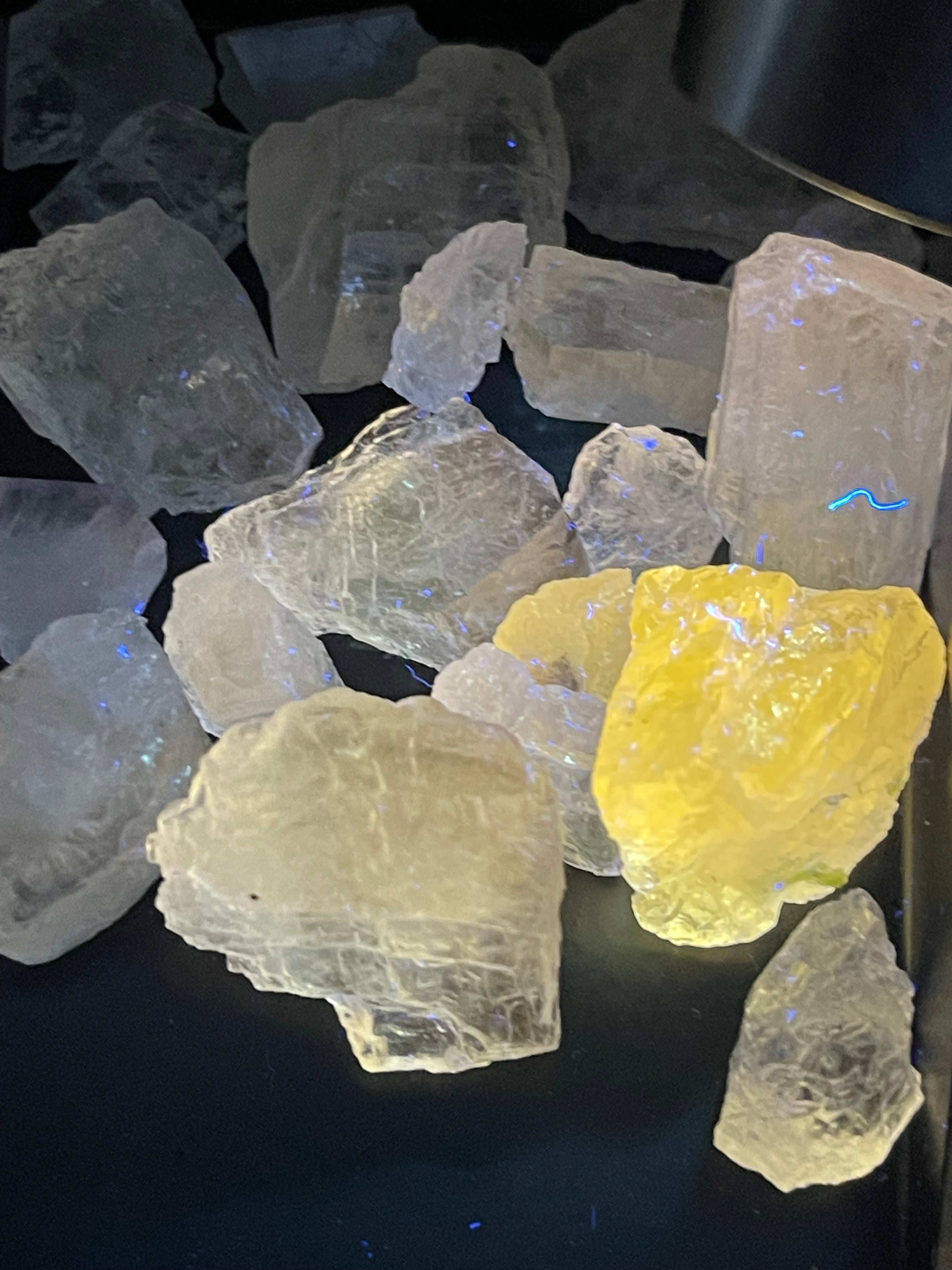
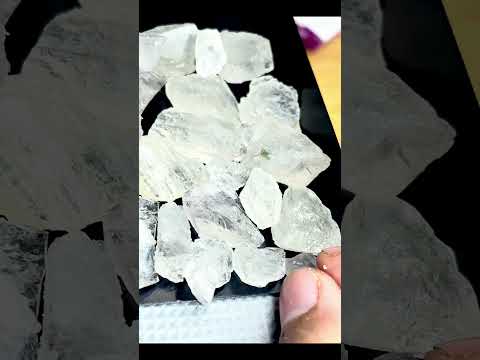
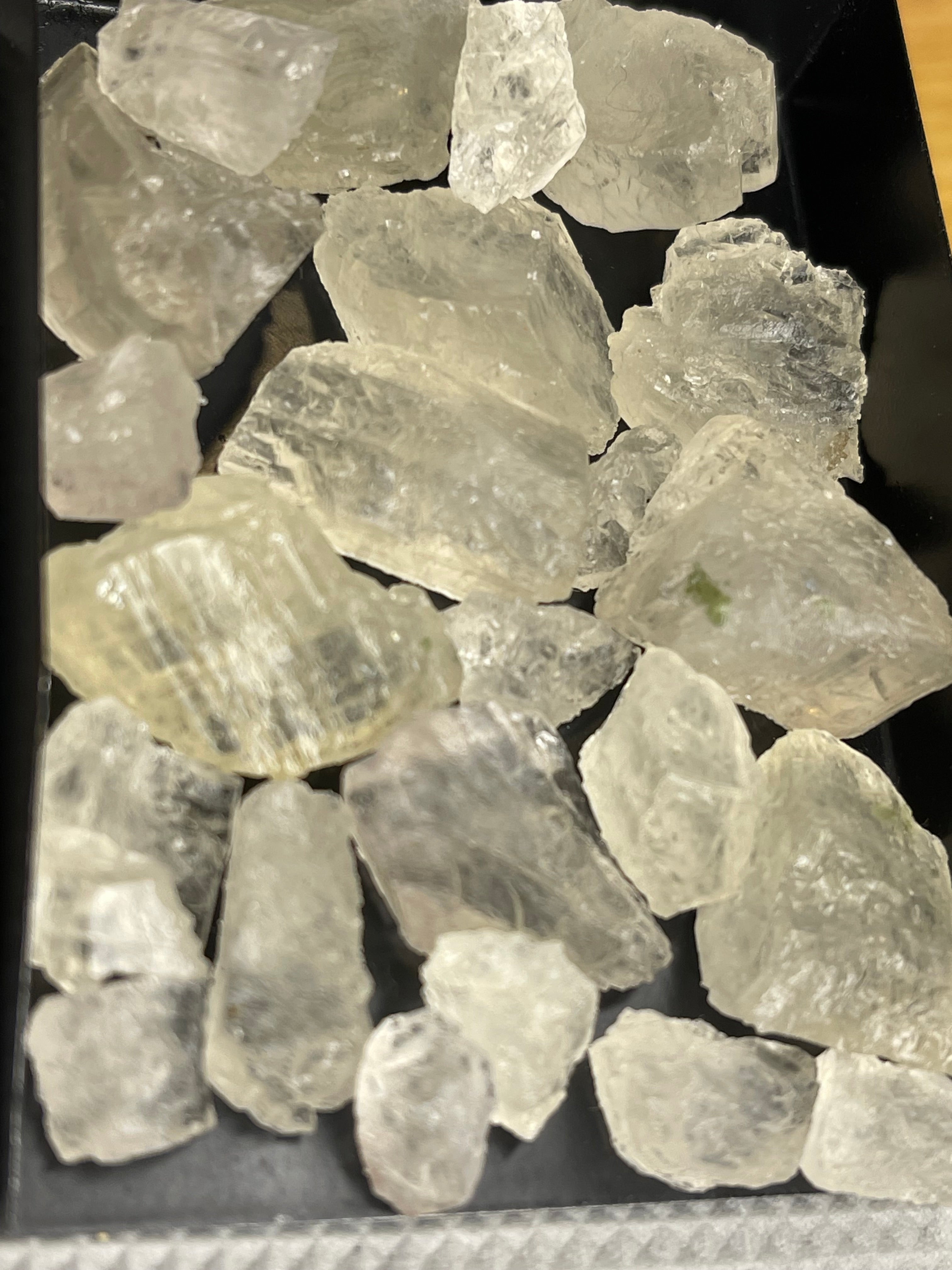
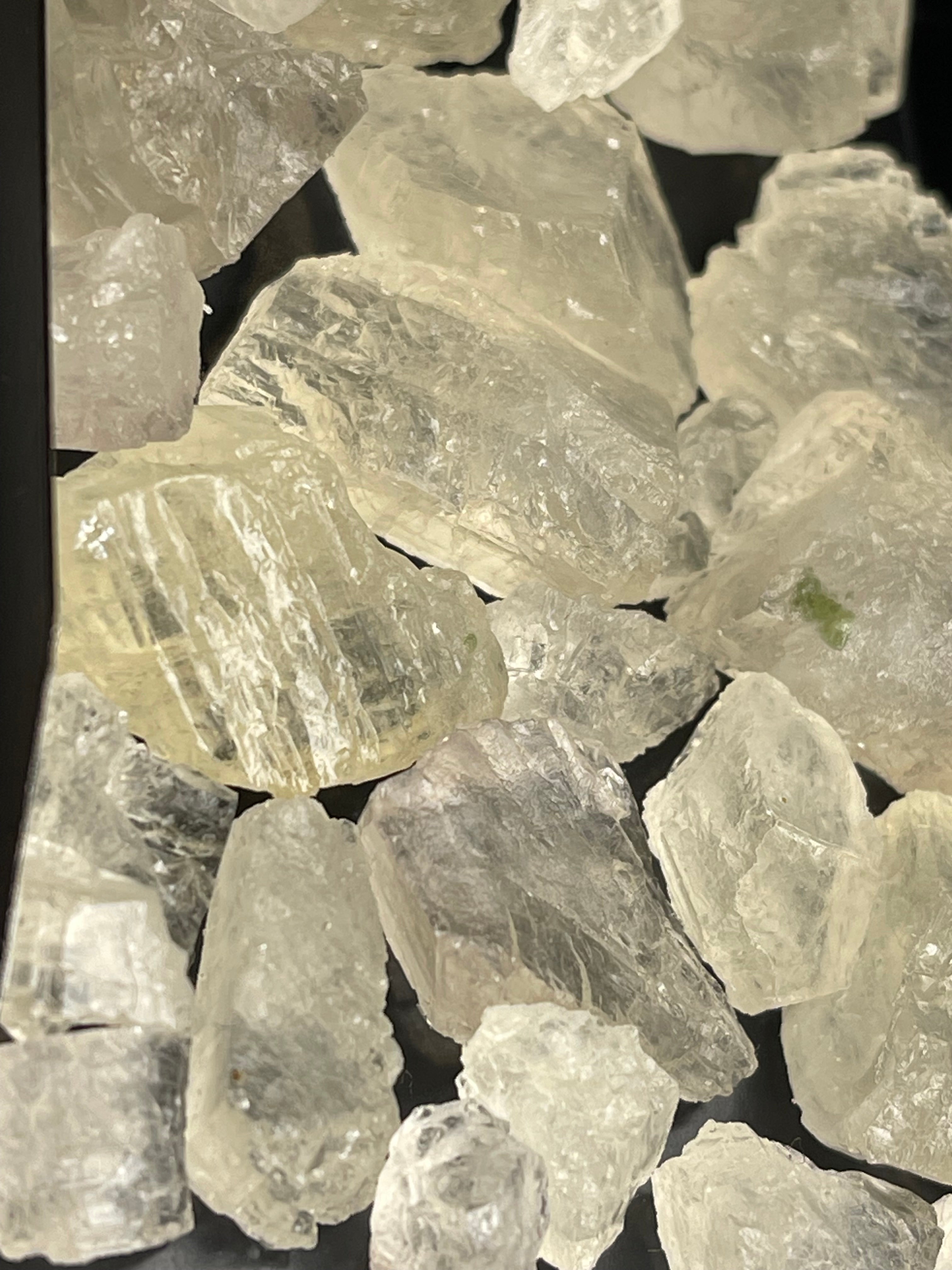
An exclusive collection of Rough Tenebrescent Scapolite Gemstones, totalling 235 carats facet grade deal, is now on offer for skilled gemstone cutters seeking to showcase their faceting expertise on this uncommon mineral. These scapolite stone exhibit fluorescence when exposed to UV light. The stones in this package are substantial, with sizes reaching up to 29 carats. Their clarity is classified as semi-transparent or Si. Tenebrescent Scapolite stands out as a rare and unique mineral in the world of gemstones.
- Stone Name: White Tenebrescent Scapolite
- Weight: 235 carats
- Sizes: 2.70, 2.80, 2.90, 2.95, 3, 3.60, 3.70, 4.25, 4.65, 6.35, 6.70, 7.70, 8.60, 13.7, 19.2, 19.75, 21, 21.75, 23, 28, 29 carats per piece
- Total Pieces: 21
- Shape: Raw / Loose Rough
- Transparency: Semi-Transparent To Translucent, Si
- Color:White
- Measurements: 7mm to 25mm per piece minimum to maximum
- Variety: Within the scapolite mineral group, there exists a cohesive progression in the solid-state series, extending from marialite to meionite, and featuring mizzonite as the intervening member
- TREATMENT: No Indications of Heating
- Geographic Origin: Afghanistan