


Geology of Kashmir Sapphire Stones
Kashmir sapphires are among the most admired blue sapphire gemstones in the gem world. Their celebrated soft, velvety blue appearance and exceptional rarity have made them enduring collector stones. Understanding their Himalayan setting helps explain why these gems hold such an important place in sapphire history.
The Himalayan Setting
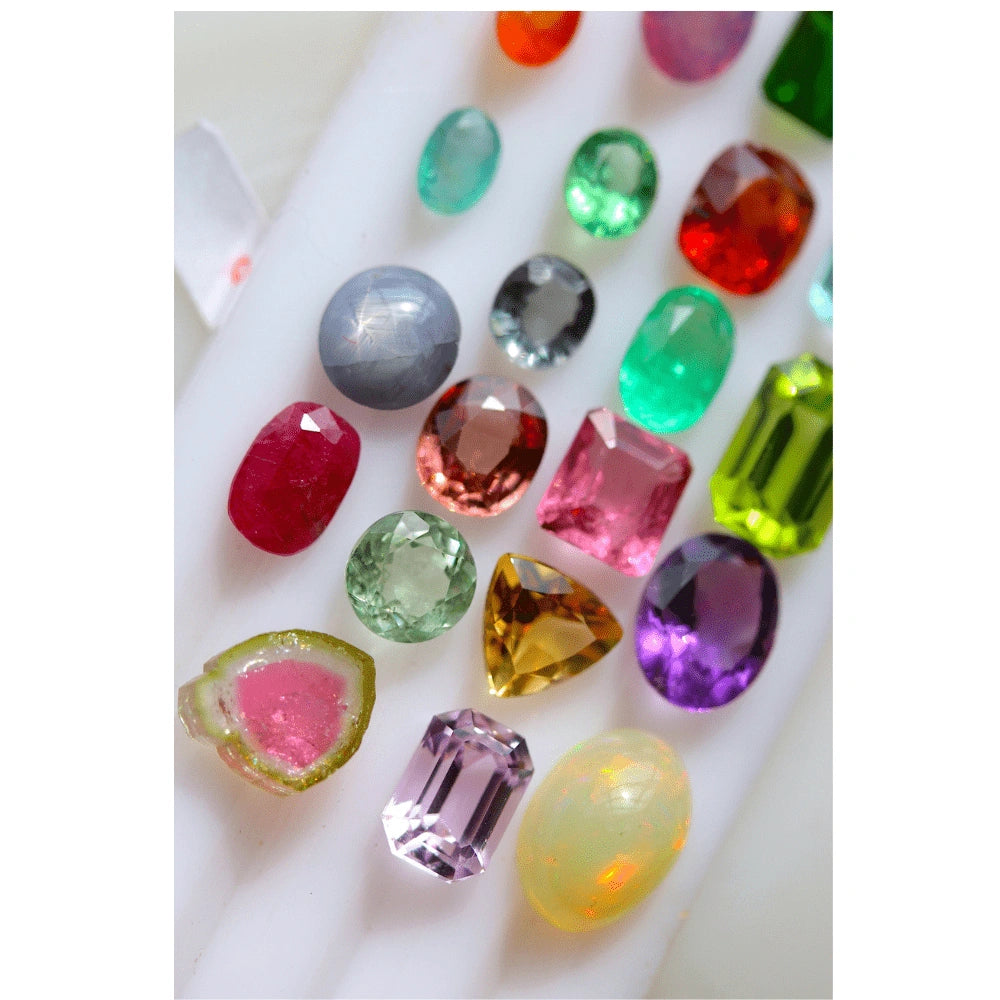
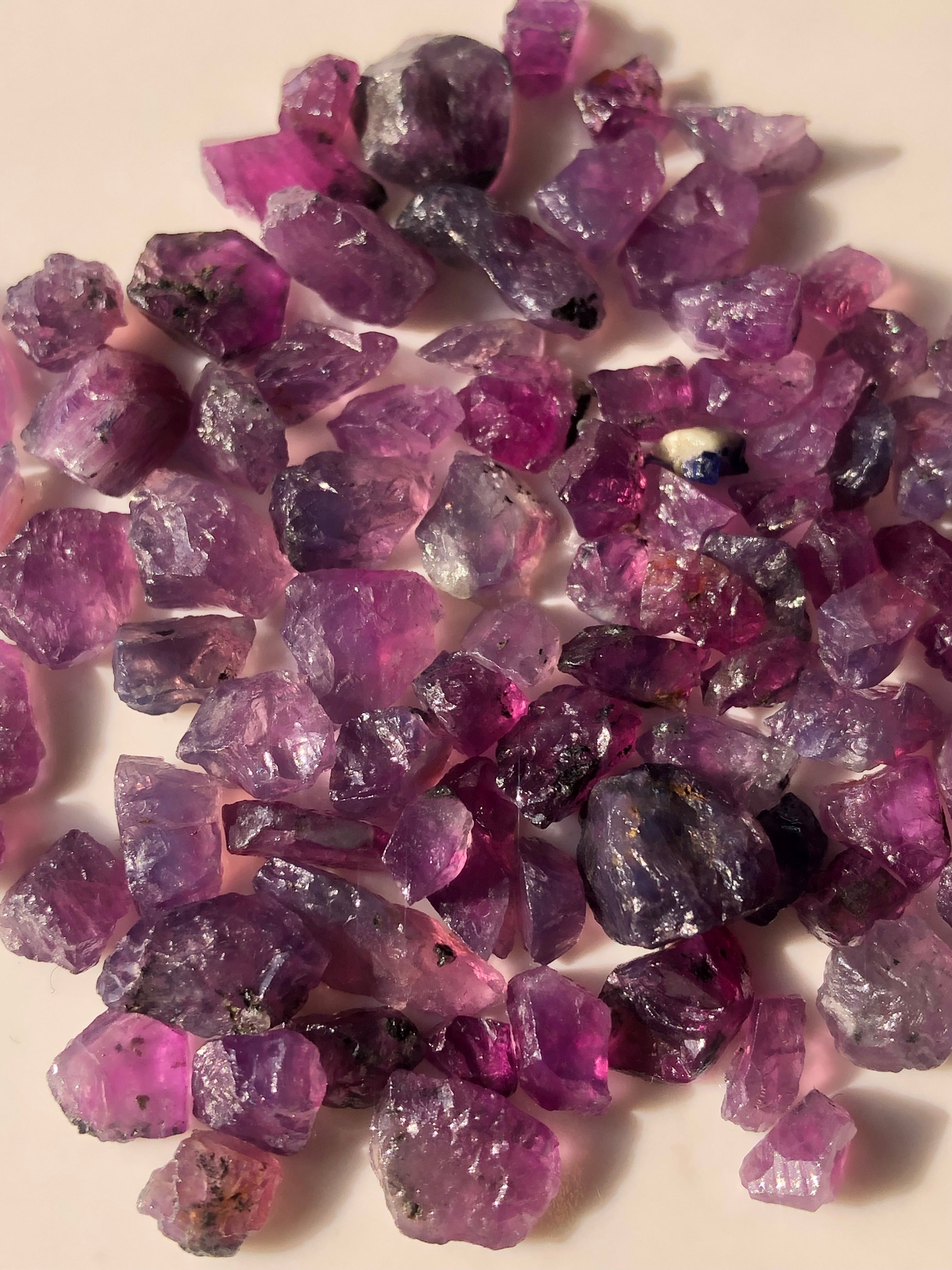
The Himalayas were formed by the long-running collision of the Indian and Eurasian tectonic plates. This immense geological process uplifted mountain ranges and created the pressure, heat, and rock environments associated with many mineral deposits across the region. For additional context, explore how raw sapphire and ruby crystals form.
Explore Kashmir Sapphire Sources
Connect the Himalayan geology with a curated view of Kashmir sapphires and related regional stones.
View Kashmir sapphire stonesThese mountain systems extend for roughly 2,900 kilometres and include some of the world’s highest and most geologically active terrain. Similar rock formations can occur across areas shaped by the same continental collision, although each gem deposit has its own local geological history.
Kashmir and the Zanskar Region
The historic Kashmir sapphire deposits are associated with the high Himalayas, in a landscape of steep valleys, glaciers, and rugged mountain passes. The area is difficult to access because of its altitude, weather, and terrain.
The broader Kashmir region is also seismically active, reflecting the continuing movement of the Indian and Eurasian plates. Earthquakes and landslides are natural hazards in this mountainous environment.
Why Kashmir Sapphires Are So Rare
Kashmir became famous for blue sapphires discovered during the late nineteenth century. The historic mines are known for producing stones with a highly sought-after cornflower-blue colour, often described as soft, rich, and evenly distributed. For a closer look at why Kashmir sapphire is so expensive, compare rarity, history, and documented value together.
Compare Sapphire Colours and Forms
See how rough and loose sapphire offerings can differ in colour, form, and collector appeal.
Browse the sapphire gemstone collectionProduction from the historic deposits was limited, and significant new supply has not entered the market in the same way as sapphires from many other origins. As a result, fine Kashmir sapphires are scarce, particularly stones with strong colour, attractive clarity, and reliable origin documentation.
Collectors comparing natural rough material can also review this rough sapphire collection alongside the geological context.
The Velvety Appearance of Kashmir Sapphire
Many fine Kashmir sapphires contain extremely fine rutile inclusions, commonly called silk. When present in the right amount, this silk can diffuse the light inside the stone and contribute to the soft, velvety glow for which Kashmir sapphires are renowned.
Silk can occur in sapphires from other origins as well, so it is not proof of Kashmir origin on its own. Identification of origin should be supported by examination from a qualified gem laboratory, especially for an important purchase.
A Collector’s Sapphire
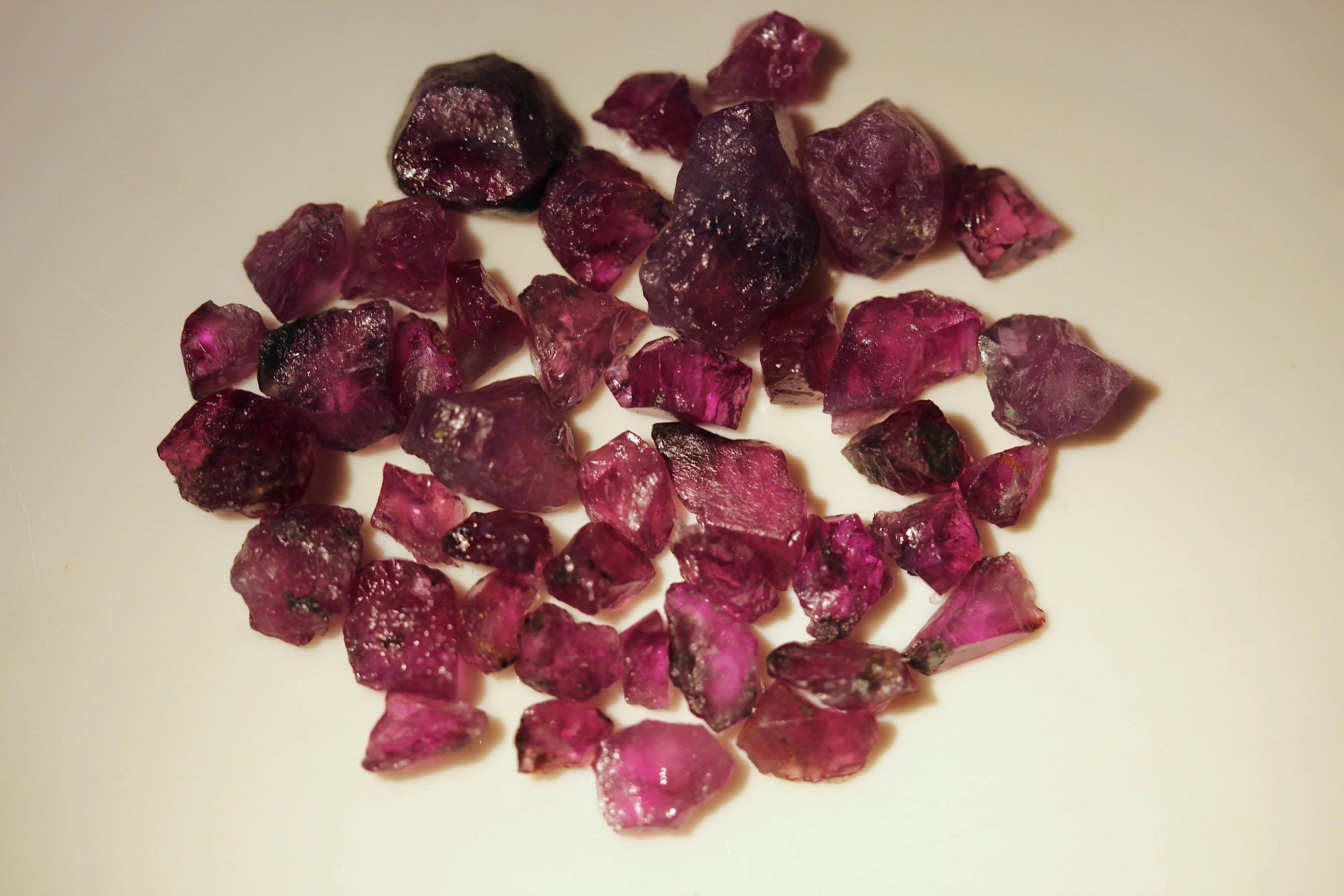
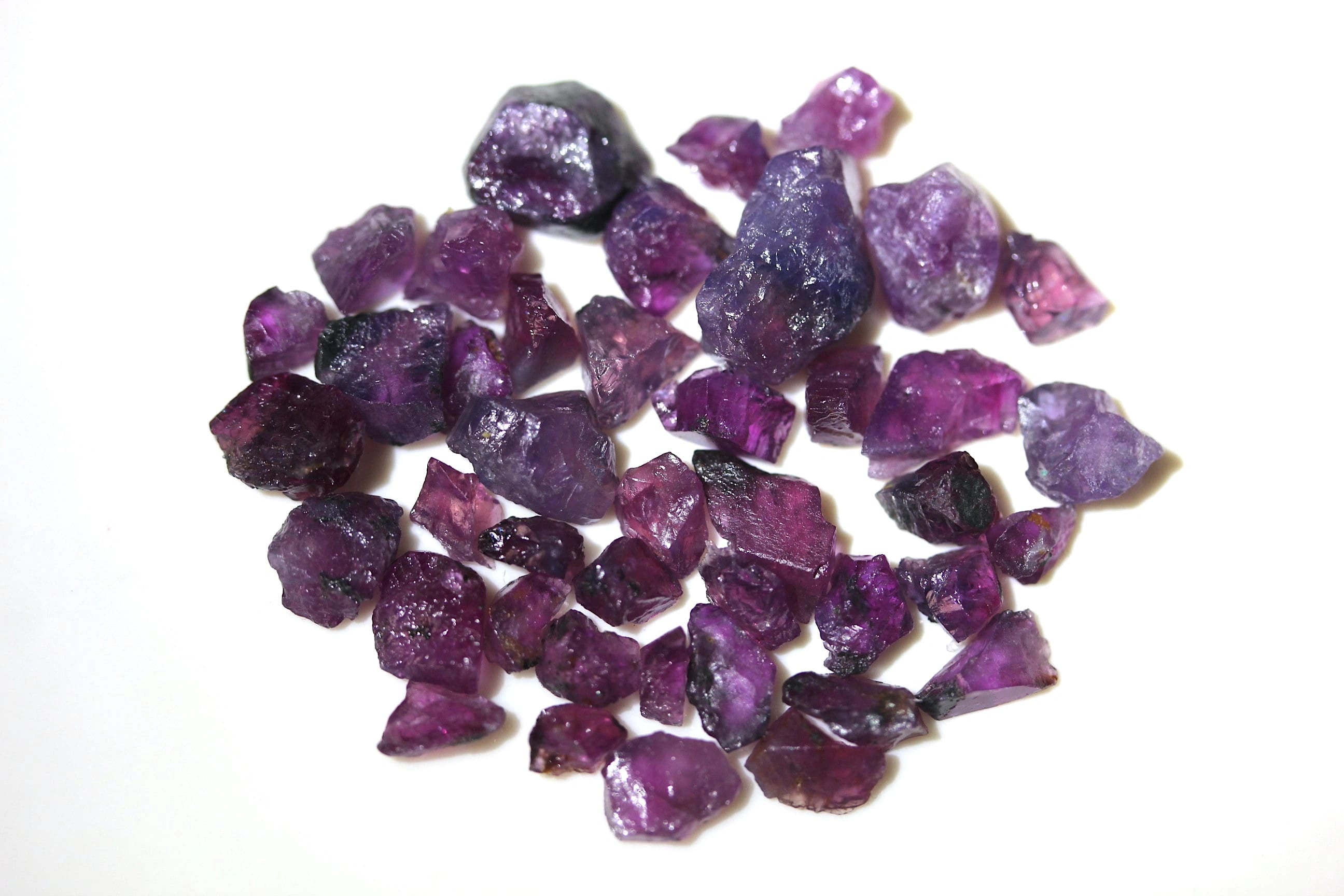
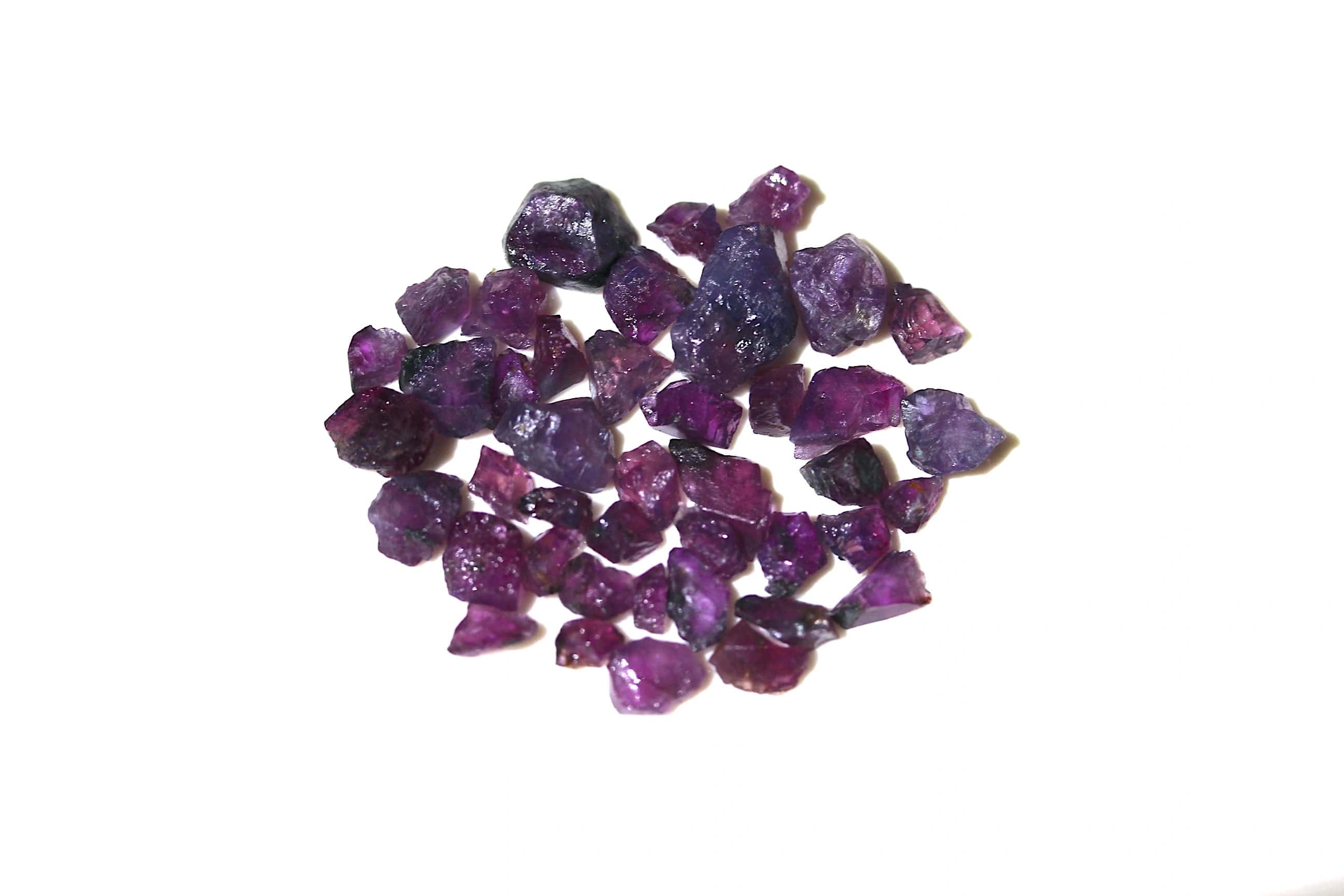
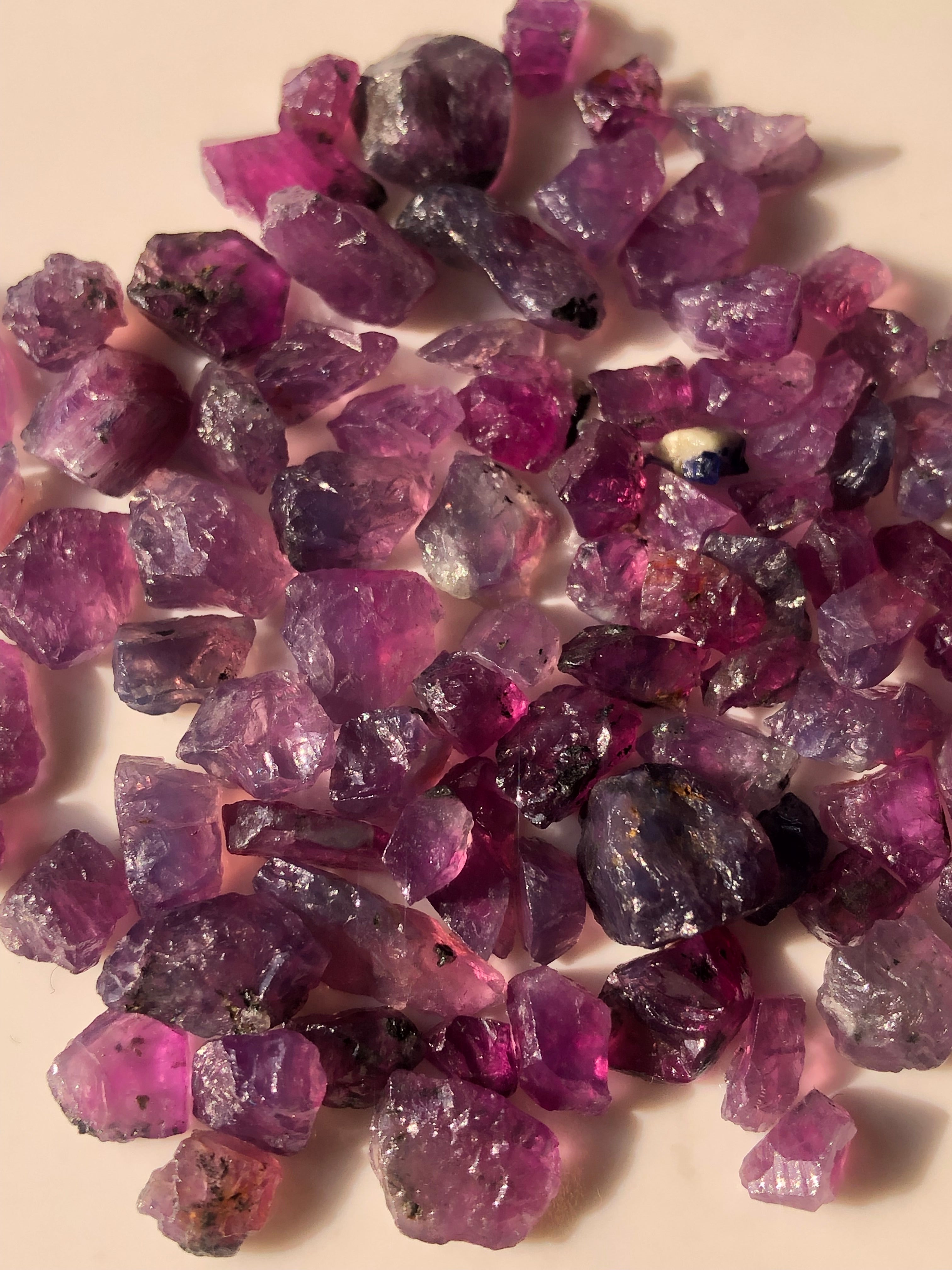
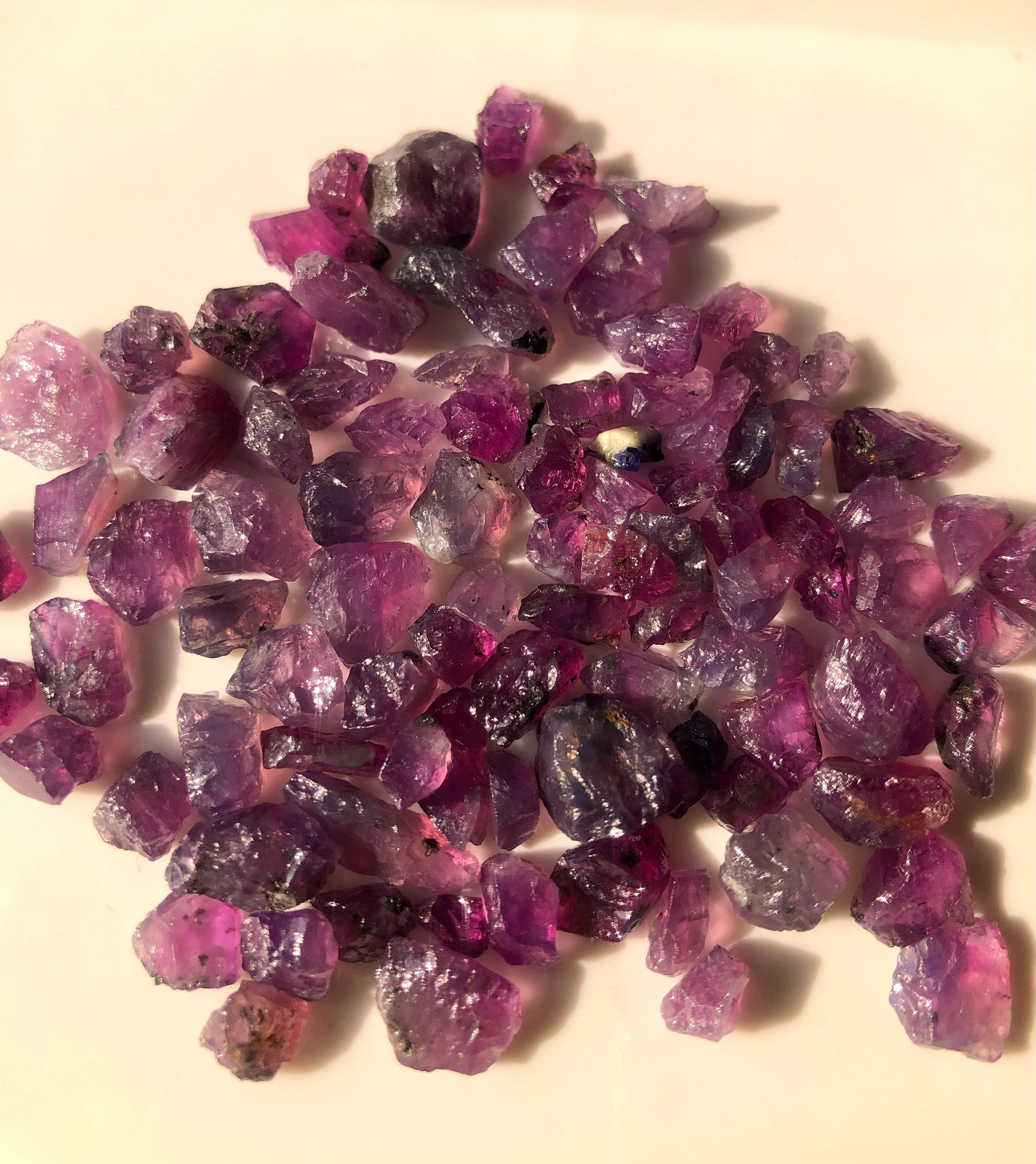
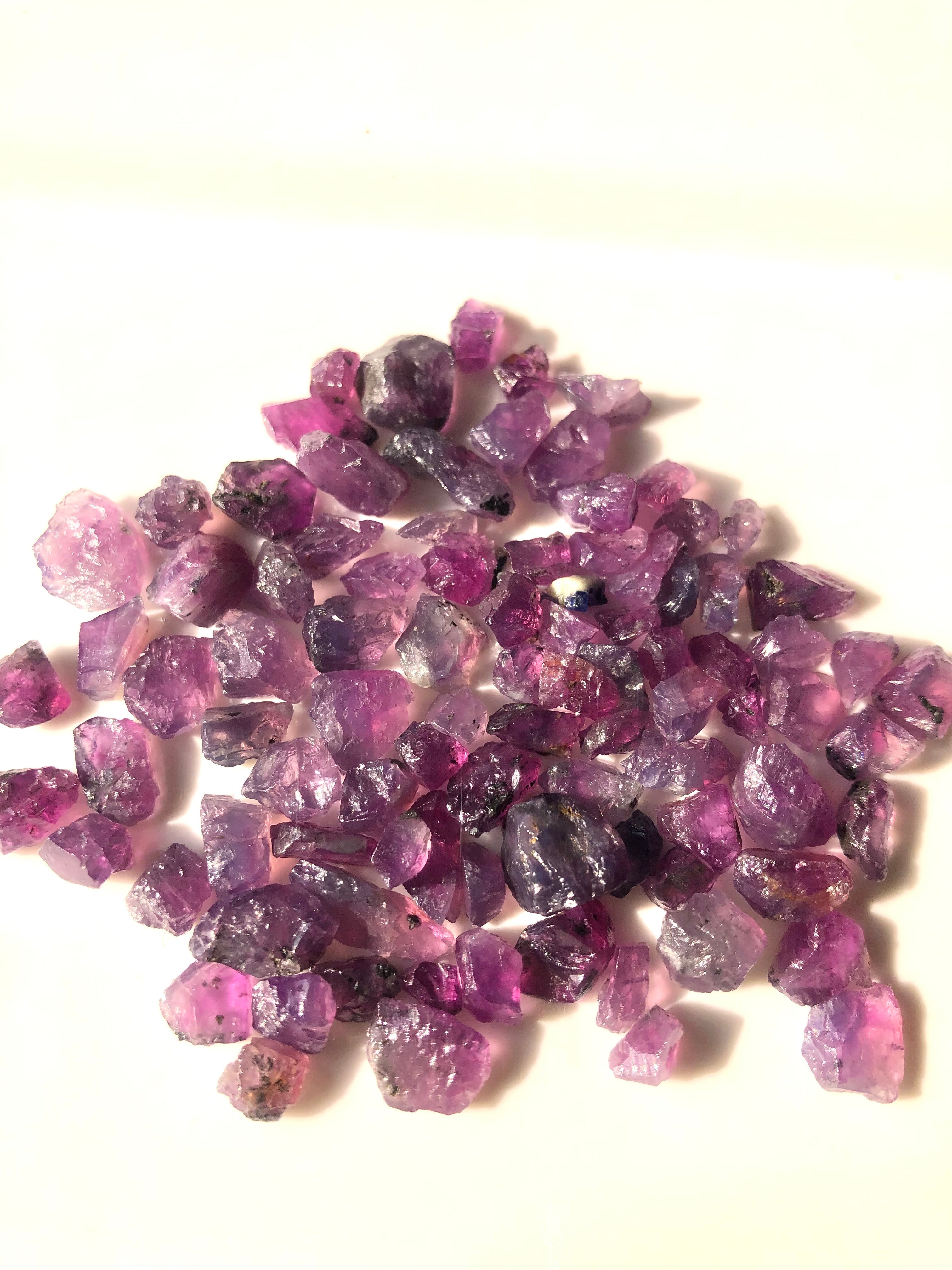
Exceptional Kashmir sapphires are valued for their rarity, historic significance, and distinctive visual character. Collectors should consider colour, clarity, cut, carat weight, condition, treatment information, and an independent laboratory report when evaluating a sapphire represented as Kashmir origin. A 52-carat Batakundi Kashmir sapphire rough lot shows how locality and rough form can shape a collector’s evaluation.
Gemstone value can change with quality, provenance, market demand, and the strength of available documentation. A careful purchase should be based on the individual stone rather than an assumption of guaranteed investment returns. For readers studying cutting material, 101-carat raw Kashmir sapphires for faceting provide another rough-stone reference point.
See a Kashmir Pink Sapphire
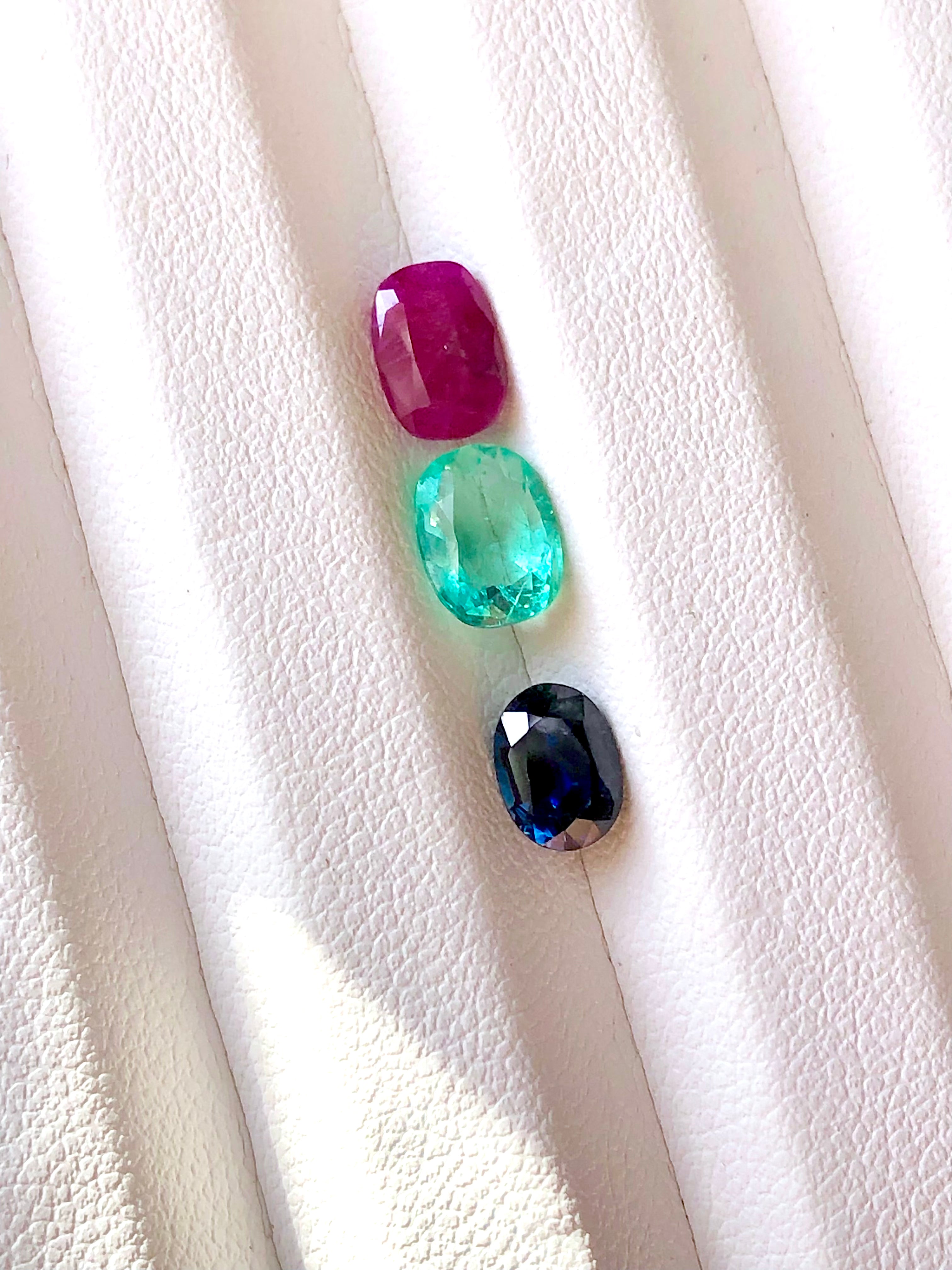
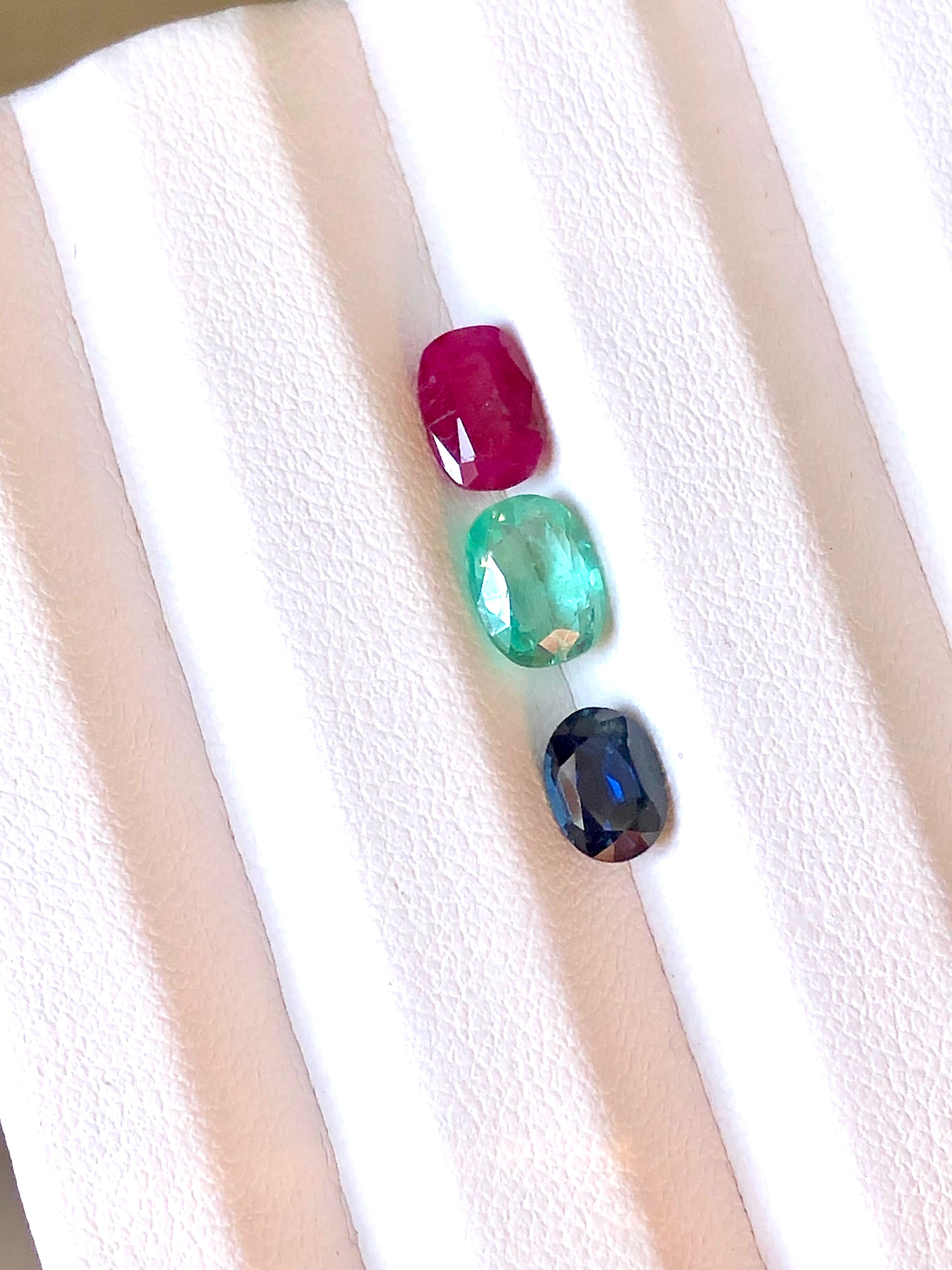
For a practical comparison point, view an available Kashmir pink sapphire and assess its cut, colour, and individual documentation.
View the Kashmir pink sapphireFeatured Kashmir Sapphire Jewelry

Read Before Buying a Sapphire
Continue from geology into practical buying questions, from mine-to-market context to assessing a real sapphire.
Read the real sapphire buying guideRelated Articles
Continue exploring Kashmir sapphire geology, mining regions, rarity, and careful buying.
How rare are Kashmir sapphires? Geology of Kashmir Valley
Continue with a focused look at Kashmir sapphire rarity and the geology of the Kashmir Valley.
Read ArticleKashmir Sapphires-Genuine Gemstones from Batakundi Pakistan
Explore genuine gemstone context from Batakundi, Pakistan, and its connection to Kashmir sapphire collecting.
Read ArticleBatakundi Kashmir Sapphire Information
Read a dedicated information guide to Batakundi Kashmir sapphires and their regional context.
Read ArticleWhat to Look for when buying Sapphire stone?
Review practical points to consider when evaluating and buying a sapphire stone.
Read Article






0 comments