


Gen Z is turning to selling gemstones, with sales of such jewelry skyrocketing over the past couple of years. Loose and unbranded purchases are becoming the norm at auction houses, with buyers under twenty-five really getting into the gemstone business, using only a phone camera and laptop to sell. If you then you’re in the right place. If you’ve wondered how to start a gemstone business. If you’ve ever wondered about stone origins, costs, the way buyers verify if they’re legit, and possible potholes, then keep reading, especially if you want to be a gemstone seller that doesn’t chase trends.
Why Gemstones Are a Real Opportunity for Gen Z Right Now
There are three things happening right now that cause Gen Z to turn to gemstones.
- Many are drawn to unbranded and loose stones, a contrast to logo-based jewelry. These are more personal than your average designer item. Legacy jewelers can offer personalized experiences without having to go too far.
- Sustainability is a moneymaker. More Gen Z buyers want lab-grown rather than natural diamonds, and care about the location from which it’s sourced. Sellers that can answer this honestly have a distinct advantage over your average drop shipper.
- It’s cheap to get into. Many digital marketplaces and wholesale rough sellers have removed a physical storefront and huge amounts of inventory. You also don’t even need a license for this. Many Gen-Z founders are taking the reins, leveraging AI tools and online models to sell.

It’s not easy to do, but it’s so much easier to get into the gemstone business compared to what it was before the internet.
The Different Ways to Build a Gemstone Business
You have a lot of options if you’re looking to start a gemstone business.
- Loose stone reseller—simple job. You buy the polished and cut stones wholesale, then resell in curated lots. Many mixed loose gemstone lots give a practical option to see just what gemstones are available, especially at low prices.
- Rough gem trader—this is your next step up. Buy uncut rough materials, sell to cutters, lapidaries, and collectors. You do need to understand how much rough gemstone is lost when cutting because this does affect pricing and how much a parcel goes for at resale. You also need to have some gemological judgement when working with rough stones as well.
- Jewelry maker—you get sourced rough stones, then design them to make finished jewelry, either through handmade or manufacturing patterns.
- Ecommerce stores—use ecommerce storefronts like Etsy, TikTok Shop, or Shopify to create a brand with an origin story, rather than just saying you sell stones generically.
- Content/commerce seller—this one involves educating audiences on gems or storytelling, then having people learn more through affiliate links or shops. This one is fun if you like to make viral content or do unboxing videos.
Many young sellers choose one and then expand from there.

If unsure where to start, use this reference here. Not sure which stone category to start with?
What It Actually Costs to Start a Gemstone Business
The next big question is costs, which is one of our most important questions. And unfortunately, one that many guides skip.
Now, let’s break it down:
First, you have starting inventory. This is your stock and what you plan to sell. Many loose parcel gemstones, especially loose peridot gemstones, are available for a few hundred dollars for a small parcel. The best way to buy loose gemstones wholesale is to get a small parcel. Don’t always go for the cheapest, because they might not be the most verified. Most starter budgets for this are around up to three grand at most, and do scale.

Next is equipment. You need minimally a digital gram scale, a 10x loupe, a UV light to check fluorescence, and a refractometer. These run a few hundred bucks for the affordable options.
Certification is next, either from GIA, AGS, IGI, or a reputable regional lab that is reputable. Can cost up to $150 per stone for basic identification reports. Rarer pieces can be more. By certifying the stones in your inventory, you can build trust, which is rare for new sellers to have. Some may choose to only certify higher-value pieces to start, and for the rest merely disclose the treatment or origin, unless asked.
Platforms also charge for listing, like on Etsy and Shopify. Usually a couple of percent on average. Make sure they’re not eating into profit margins.
Insurance is also good to have, because gemstones can get stolen. Making sure you’ve got insurance and secure storage for your pieces is important, especially early on.
Remember, this capital will sit, unlike your on-demand printing or dropshipping business. A parcel that’s a couple grand might take a few months, or at least a few weeks. Anything t that’s unsold will sit, and you can’t reinvest.
Many new sellers should plan for a slower turnover, but it can net a profit, so plan accordingly.


Sourcing: The Part Mostly Skips
Ensuring you source your stones correctly is a huge thing for sellers, because it’s a challenge to buy reasonably priced, ethical, real stones.
Most gemstones come from Sri Lanka, Myanmar, Thailand, Pakistan, India, Afghanistan, and some South American and African areas.
Thailand and India are more for cutting than mining and handle treatment, with most colored stones passing through Surat and Bangkok.
Many beginner sellers might wonder how they can offer gemstones without any contacts.
Some ways include:
- Direct-from-mine or vertically integrated wholesalers that will sell loose and rough stones both online and in small sizes. One example is a Pakistan Kohistan rough peridot faceting lot that sellers can resell and evaluate, since it’s already been cut and treated.
- International gem shows, such as the ones in Tuscan, Jaipur, and Bangkok, but they do require some travel and knowledge.
- Wholesale B2B and marketplace platforms let you get lots without any minimum quantities.
- Online gemstone suppliers can verify the origin, treatment, and certification. I suggest getting this because this is the safest point for newbies.
Natural, treated, synthetic, and lab-grown are other categories people worry about. Here’s the breakdown:
- Natural: untreated stone found in the wild. Does require the most verification, but fetches a nice price.
- Natural, treated stones like a heated sapphire or oiled emerald are legitimate, but do have treatment and must be legally disclosed.
- Synthetic is lab-created but looks like a natural stone.
- Lab-grown is literally grown in the lab. Diamonds are the most popular ones for Gen Z buyers because they’re affordable and sustainable.
Conflict and ethical sourcing is another, because diamonds do fall under the Kimberly Process certification scheme. This restricts the trading of conflict diamonds, which is good, so you’re giving people stones without that attachment. However, colored stones don’t have the equivalent, which can be a challenge. Always do your research on ethics and sustainability, especially for mine-to-market sourcing.

Planning a polished-stone business?
Use the loose gemstones collection for jewelry and resale to compare stone types, parcel sizes, and presentation ideas before buying deeply into one category.
Trust, Certification, and Avoiding Fraud
Next we’re going to tackle a real problem, because people love to pawn off fakes.
The best way to prevent this is through certification from the GIA, AGS, and IGI, as they’re recognized labs. Certificates from this say to customers that they can get the stone with confidence.
It can be hard to distinguish natural from synthetic. Over time, you might see the treatments, especially when using a loupe or refractometer. A lot of younger sellers are now turning to gemology courses or working with gemologists prior to selling. Selling stones you can’t verify is a good way to lose business and your reputation.
New sellers also need to think about protecting themselves from being sold misrepresented or synthetic stones, and also protect their customers. Always buy from sellers with the right documentation.
Folk Market Gems has some great facet-grade rough deals that will help you understand origin and quality grading.

Selling to Gen Z: Where the Generic Advice Falls Short
When selling gemstones online, you need more than photography. Here is how you can sell gemstones online with a game plan that fits.
First, choose your platform. TikTok and Instagram are the hot ones because you can make live or short-form content on these platforms. You can do live shopping and, in turn, through your content, provide a guide to buying gemstones online in the USA that incentivizes people to go to the shop, seeing as you’re an authority.
Most viewers love origin stories about where the stones come from, transparent grading, and side=by-side comparisons of stones.
When building your business, make sure you understand the buying cycle is longer, because they are not impulsive purchases for most buyers.

Turn the idea into a practical launch plan
For a second perspective on setup, sourcing, and first steps, continue with this beginner-focused business guide.
Read how to start a gemstone businessRisks Nobody Puts in the List
There are risks people don’t talk about. Well, we’re going to talk about them here:
- Gemstones sit for a while, as they’re illiquid, and tie up your working capital.
- The prices on gemstones fluctuate greatly. Sometimes they go for little amounts; other times they can reach up to five or six figures. This applies to many precious stones.
- Theft and loss are common, so make sure you’ve got security and insurance.
- Shipping and customs don’t make it easy, especially when valuation disputes happen, so make sure that you have the documentation for officers.
- If you mess up the origin and information on a diamond, it can destroy your reputation. Make sure you know what you’ve got.
- Regulatory requirements, especially for treatment and sourcing, are needed.
It’s not a bad business to get into, but it does require some learning and thought.
A Realistic First 90 Days
Here’s what your first 90 days of being a seller looks like:
- First, you pick a stone or origin you want to focus on. It’s easier to source with a good story
- Buy a small parcel that’s verified and documented to start. Many wholesale rough gemstone parcel lots offer practicality, especially when understanding the costs
- Learn basic grading and treatment identification
- Set up a small e-commerce storefront and a content channel to start building content
- Certify any high-value pieces. Disclose everything, and ensure it’s all out there as demand grows.
Frequently Asked Questions
Are gemstone businesses good for Gen Z?
Yes, because they are easy to leverage on social platforms, and you can build genuine interest, especially when it comes to sustainability.
How much money do I need?
Around $500-3000 is what you need for inventory, plus a few hundred for tools, certification, and any platform and insurance fees.
Do I need a gemology degree to start selling?
Nope! Just basic knowledge of treatments and how to spot natural from synthetic. It may also help if you know where to get the best stones from and what’s considered a reputable seller in the gem world so you don’t end up losing money.
Is there a difference between a natural stone, a synthetic one, or a lab-grown stone?
Sure is! Natural stones are those that are mined from a direct location, and usually sell for a much higher price. A synthetic one is one that’s manmade instead of formed through the environment. Lab grown stones are just that, made in a lab, and usually are cheaper because they’re more instantaneous in procurement. Many people like lab-grown diamonds and other stones too for morality reasons, so they are becoming more popular.
Where should I get gemstones if I’m starting out?
A wholesale suppler with a good reputation is the easiest way to find a seller, but you can also check out gem shows if there’s one in your area, or online international platforms. A wholesale online store is also a good place to look into because they have large numbers of stones for a much cheaper price than buying each stone separately.
Where are Gen-Z buyers getting gemstones from?
Gen-Z loves TikTok, so they tend to buy items off the TikTok Shop. Instagram Shop is also pretty popular too for reel enjoyers. If you’re looking for an online storefront, Etsy or Shopify are the best reselling platforms for stones.
What mistake should I avoid as a gemstone seller?
Buying too much capital. That causes the inventory to just sit tight until it sells, which means you’re not making a profit the longer it doesn’t enter a buyer’s hands.
The other major mistake is cutting corners on verification and certifying your stones. This mistake hurts you immensely in the long haul, so make sure you spend a little bit of extra time and money to provide the full information on the type of stone you’re selling to customers.
Related gemstone business reading
How the wholesale gemstone market works
Understand the supply chain, pricing layers, and wholesale relationships behind the trade.
Is buying wholesale gemstones profitable in the USA?
Review the market factors that shape margin and resale potential.
Ways to maximise profit in a gemstone business
Explore practical choices around stock, pricing, and customer trust.
Ten ways to identify gems and minerals
Strengthen the basic identification knowledge every new seller needs.
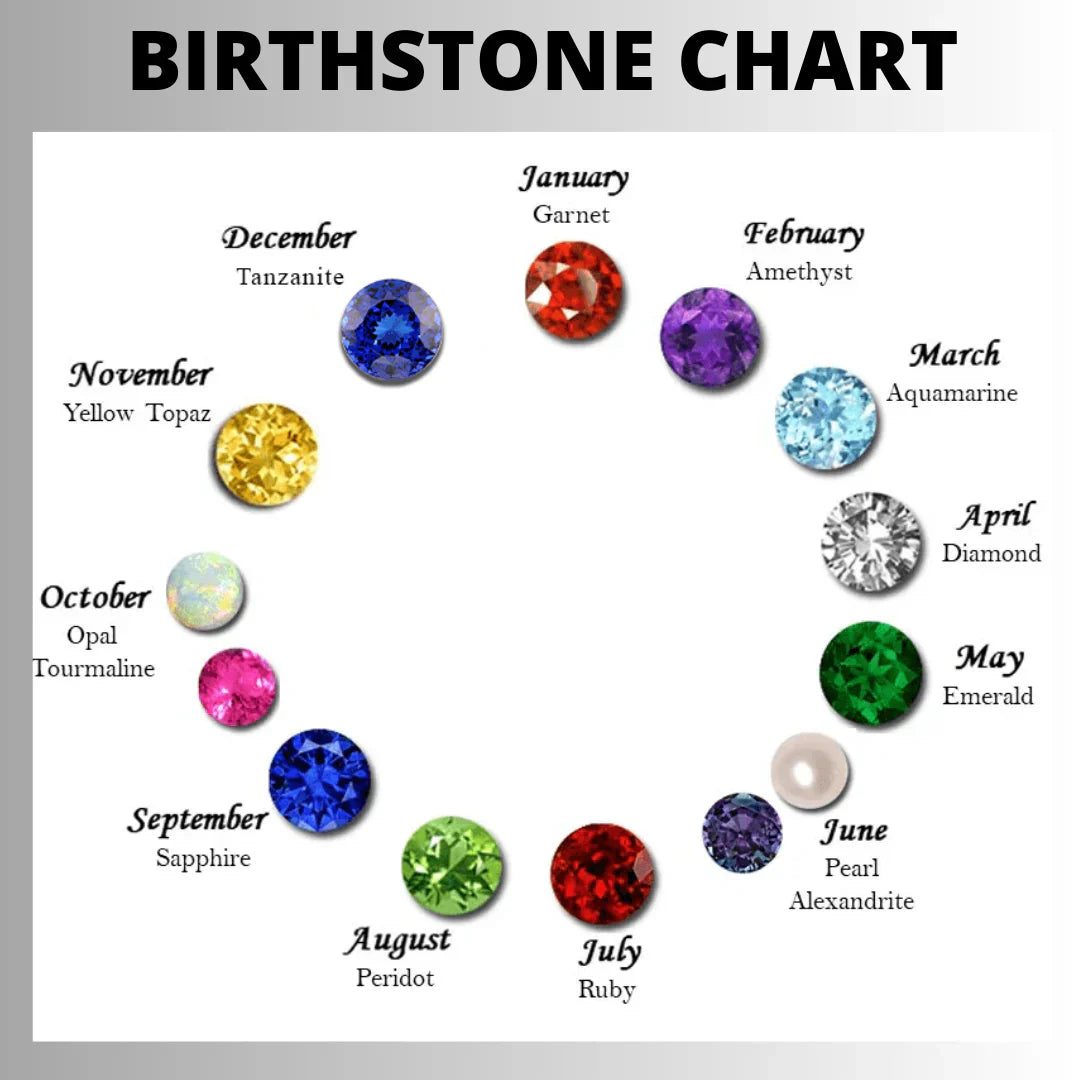
Birthstone chart by month
Use birthstone demand as a starting point for seasonal merchandising and content.
Sources
- National Jeweler – Creative Connecting: How to Sell Colored Gemstones to Gen Z
- Sotheby's – Why Gen Z Loves Gemstones
- Square – How This Gen Z Business Owner is Building a "Reverse Generational Business"
- Mining Stock Education / Angara Survey – Gen Z Fine Jewelry and Lab-Grown Diamond Preferences
- CaratX – 2024–2025 Diamond & Gemstone Preferences Survey
- Inc. – 5 Small-Business Ideas Perfect for Gen-Z Entrepreneurs
- Rapaport Magazine – Why Bangkok Is the Go-To Spot for Colored Stones
- U.S. Department of Labor – Reports on Labor Practices in Gemstone Sectors
- Kimberley Process Certification Scheme (official documentation)
This article is intended as general business and educational information, not financial, legal, or investment advice. Gemstone values, treatment disclosure laws, and sourcing regulations vary by country — consult a qualified gemologist, accountant, or legal advisor before launching a gemstone business.
About the Author
Samina Adnan is a gemologist certified by PGJDC Pakistan. She visits gemstone mining areas to hunt for gemstones and shares her field experiences, practical observations, and knowledge with readers.




0 comments