


The pricing of rubies and emeralds can be depending upon various factors such as color, clarity, size, origin, treatments, fashion trends, market demands and rarity of the stone.
This has been a big question in the international gem market: Which one holds the value then the other, Ruby or Emerald? and why? The top 'big three' precious stones (ruby, emerald, sapphire) are often compared to each others in pricing, but Auction headlines tell us different stories. As per past and current records of the famous auctions, ruby appears to be at strong performance and a clear winner than many emeralds but within the certain markets, the opposite can occur.

In 2025, Christie’s auction in Hong Kong, a pigeon-blood12.78-carat ruby recently fetched more per carat than top Colombian emeralds. Similarly, in 2015, the Sunrise Ruby set a new record at auction, selling for over $30M.
Famous Rubies Through History — Auction Comparison Chart
| Famous Ruby | Carat Weight | Auction Price |
|---|---|---|
| Ratnaraj Ruby | 10.05 ct | $10.05 million |
| Sunrise Ruby | 25.59 ct | $30.4 million |
| Graff Ruby | 8.62 ct | $8.6 million |
| Jubilee Ruby | 15.99 ct | $14.2 million |
| Ruby of Crimson Flame | 15.04 ct | $18 million |
There are many contributing factors in ranking the gemstone pricing. In this article we will discuss them in detail.
Why collectors pay a higher Price for Fine Rubies?
Fine untreated rubies gemstones are one of the rare gemstones in the world. A fine ruby stone must have strong red color, eye lean to loupe clean clarity, brilliance and excellent transparency with minimum inclusions. Mostly ruby mines are producing commercial grade ruby stones in bulk whether it is Myanmar, Mozambique, Kashmir Rubies from Batakundi, Tajikstan or Afghanistan. As soon as, there comes a high grade gem, the collectors and investors are ready to buy it. Demand of high quality ruby is higher than the emerald gemstones.
In our experience trading in Bangkok or Hongkong, premium untreated rubies consistently outperform emeralds of similar size, especially when certification confirms origin and treatment status from top gems laboratories i.e GIA, AIGS, Gublin etc. Here is the estimated ruby price range come:-
Rubies Price Segmentation by Quality & Carat Weight
| Grade Category | 1.0–2.0 Carats (per carat) | 3.0+ Carats (per carat) | Market Momentum |
|---|---|---|---|
| Commercial (Heated) | $1,200 – $3,500 | $4,000 – $8,000 | Steady & Consistent |
| Fine (Heated) | $5,000 – $12,000 | $15,000 – $35,000 | Strong Upward Trend |
| Investment (Unheated) | $20,000 – $50,000 | $80,000 – $150,000+ | Rapid Appreciation |
These price ranges reflect recent dealer transactions, auction data, and certified marketplace listings observed between 2023–2025.
In practice, untreated gemstone pricing is calculated by a combination of rarity, origin credibility, treatment transparency, and long-term collector demand — with no single factor working alone such as:-
- Natural rarity of a gem
- Origin of the stone
- The reputation of mine - Like diamond mines are notorious due to being " Blood Diamond " due to political chaos.
- What is the Treatment applied to a stone.
- How much the gem is big in carat weight or mm sizes.
- What type of clarity, the stone has or inclusions types.
- Sometime inclusions become rarity and increases the value. Though most of the time, clarity is considered.
- Long-term market demand
In international market such as Dubai, Bangkok, Hongkong, China, USA, Europe, rubies and emeralds are regarded high valuable stones—leading to clear price distinctions at the high end.
Role of Origins and Authenticity in Ruby Pricing
The source of a ruby affects its value. Popular origins include: Here is the chart showing the price value of rubies origin wise.
| Origin | Price Range / Carat (Unheated) | Valuation Basis |
|---|---|---|
| Burma (Mogok) | $40,000 – $100,000+ | high-end unheated / untreated rubies (strong pigeon blood) |
| Up to $500,000+ per ct (top-tier auctions) | Auction and investment-grade extremes reported in 2025–2026 pricing analyses. | |
| ~$7,000 – $9,000 / ct | Individual collector sales pricing anecdote for unheated Burmese ~1+ ct stone (not top pigeon blood). | |
| Mozambique (Montepuez) | $15,000 – $35,000 | For “pure red” unheated stones. |
| $6,500/ct (actual GIA no-heat listing) | Recent real marketplace offer (2.09 ct). | |
| ~$2,100 – $2,500/ct (lower end unheated) | Less premium unheated offers seen online like on reddit platforms for smaller stones | |
| Madagascar | $8,000 – $18,000 | Current guide range for unheated Madagascar rubies. Ref: Jewelry Appraiser |
| Varies widely for color/clarity | Madagascar stones often have pink/orange modifiers; price varies more than for Burma/Mozambique. | |
| Thailand / Vietnam | $3,000 – $9,000 | Guide range for unheated stones with typically darker tones. |
| Much lower offers possible | Many lower-quality heat-treated Thai rubies sell for $50–$200/ct, underscoring origin + treatment effect. |
1) Burmese Ruby (Myanmar): Mogok rubies are famous for strong fluorescence and pigeon blood color, often highest priced. Rubies from Burma are highly demanded.
2) Kashmir Ruby (Batakundi, Pakistan): Kashmir Rubies from Pakistan’s Batakundi region have gained recognition in recent years, though they are distinct from historic Mogok material in both market perception and pricing.
3) Thai Ruby: Often darker brownish-red due to higher iron content; usually lower value.
4) Mozambique Ruby: Major source since the early 2000s, with vivid reds and strong value.
5) Other sources: Vietnam, Madagascar, Tanzania, Afghanistan, and Tajikistan also produce quality rubies.
Where Emeralds compete — and where they don’t
Emeralds value is calculated differently from rubies. In emeralds, inclusions are expected, minor treatments are market accepted, and size plays a much greater role in perceived beauty and market demand.
Top Colombian loose emeralds can exceed $100,000 per carat, while commercial-grade emeralds may start around $50–$500 per carat.
Unlike rubies, emerald pricing balances color consistency, inclusion transparency, treatment stability, and origin reputation — with Colombian stones remaining the benchmark.
- In Emeralds, natural inclusions (jardin) are expected which affect the pricing of the stone.
- Common treatment in emerald is oil which can be minor to moderate. In other treatments, resin filling is common.
- Big sizes have more value than the small sizes
- Color, saturation, hue matters a lot in emerald gems. Color consistency is key to make value of a stone.
- Origin also matters in Emeralds. Top emeralds are coming from Colombia. Other highly demanded emeralds are coming from Swat, Pakistan - Panjshir, Afghanistan - Zambia
- An untreated emerald with size is extremely rare and therefore it will be of highly valuable.
Typical Price Ranges
Emerald Price Chart by Quality Grade
| Emerald Quality Grade | Price Range (Per Carat) | Market Description |
|---|---|---|
| Commercial Emeralds | $500 – $2,500 | Entry-level emeralds used in commercial jewelry; visible inclusions and standard treatments |
| Fine Colombian Emeralds | $5,000 – $20,000 | High-quality emeralds with strong green color, better clarity, and respected Colombian origin |
| Exceptional Untreated Emeralds | $25,000+ | Extremely rare, untreated stones with superior color and clarity; collector and investment grade |
Emeralds pricing however are less than a ruby stone.
How Treatments Affect Ruby and Emerald Value?
Treatment leave different affects on rubies. It depends on what type of treatment has been done. There are several ways of treatments for gemstones. In rubies common treatments are fracture filling by glass, heat treatment, and others. Emeralds are normally oiled which is accepted trade practice. However, heat treatment in rubies lower the value of a ruby. Comparatively, untreated ruby rank high in price than an emerald.
Treatment Effects in Emerald Stone Value
- Oiling in emeralds is common. This is very common in emerald trading internationally. Oiling is the need of emerald stone as emeralds are by nature brittle stone. Buyers are fully aware of emerald oil practicing in the gemstone market. However, moderate oil or resin filling is unaccepted. Untreated emeralds are extremely rare and always not expected.
Ruby Treatments Impact
- Untreated natural fine loose rubies command the highest prices in the market
- Heat-treated rubies are commercial grade and common but have less valuable
- No-treatment status can increase value dramatically
In practice, rubies are not accepted with more heavily for treatment, while emeralds are judged on how light or stable the treatment is.
Investment Value Comparison Among Certified Rubies and Emeralds
Among the “Big Three” colored stones, top-tier stones can reach similar price levels, but historically. While rubies dominate many auction records, emeralds remain highly liquid in private jewelry sales, particularly in larger sizes that rubies rarely achieve.
Untreated Rubies hold records for highest per-carat auction prices. The Sunrise Ruby sold for over $1.2 million per carat in 2015.

Natural Emeralds top Colombian stones reaching $500,000+ per carat at auction.
In commercial markets, fine rubies often sell 10–30% higher than comparable emeralds due to stronger demand.
Wearing Natural Emerald Stones vs Ruby
Emerald and rubies have different belief patterns in different societies and cultures. Wearing emerald or rubies are choices of personal beliefs. Emeralds are related to Mercury and said to support business progress and intellect. Whereas rubies support and boost leadership qualities. Rubies are related to the Sun in Vedic Astrology. ” Cultural and astrological beliefs influence buying decisions in parts of Asia and the Middle East, though they rarely affect resale value.
Note: These metaphysical claims are not scientifically proven.

Choosing Between Ruby-Diamond and Emerald-Diamond Combinations
Ruby with Diamonds: A bold red-white contrast, popular for engagement rings, anniversaries, and statement jewelry.
Emerald with Diamonds: A cool green-white look, often seen in Art Deco or vintage styles. White gold or platinum pairs well with emerald-diamond halos.
The best choice depends on personal style—neither is objectively “better.”
Importance of Ruby Stone: Benefits, Value, and Significance
Rubies values are beyond financial benefits:-
- Durability: Rubies are Mohs hardness 9 (second only to diamond), ideal for daily wear.
- Investment potential: Fine rubies are demanded by collectors and investors globally.
- Historical value: It is a symbol of passion, royalty and prosperity across cultures.
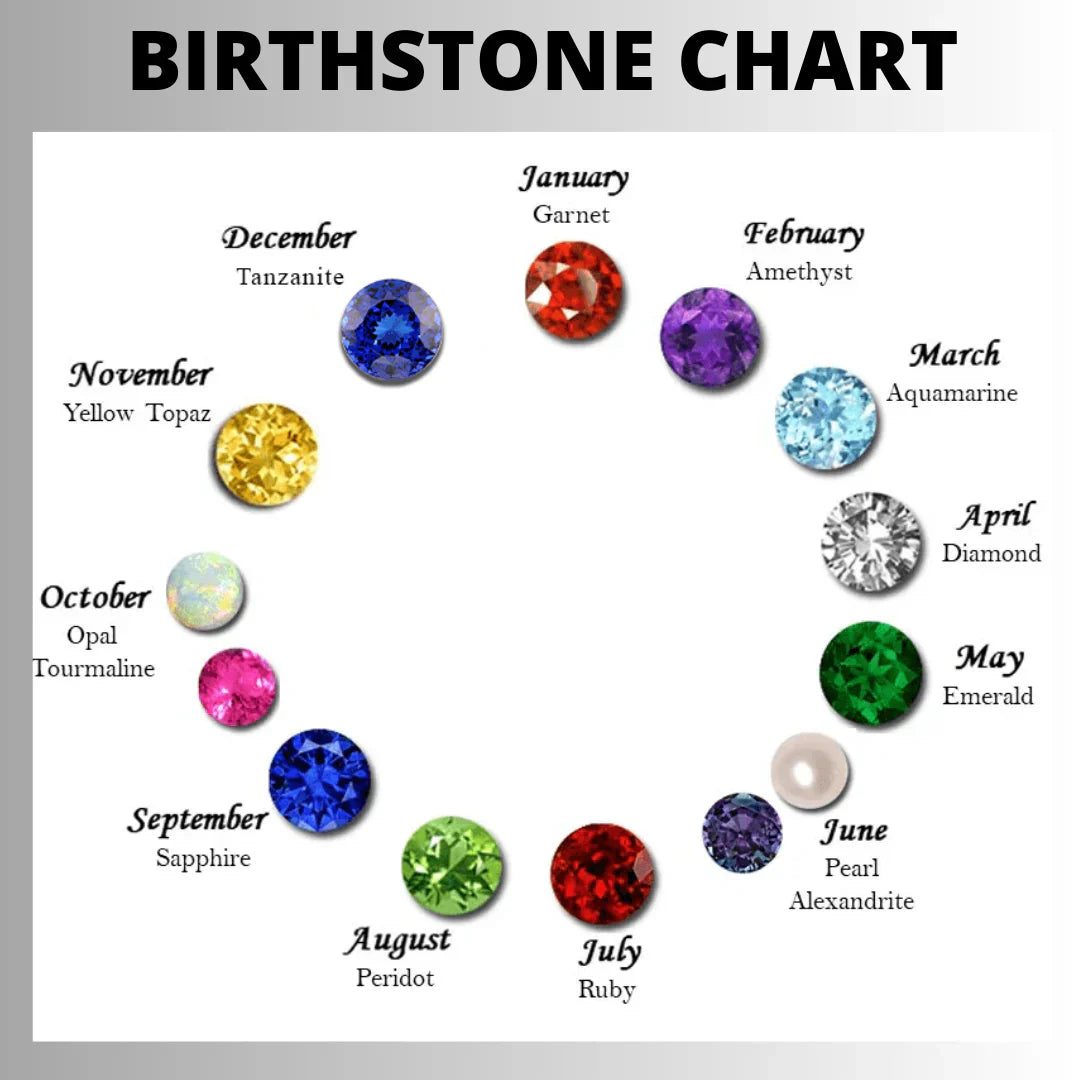
- Metaphysical beliefs: The lovers of rubies have strong belief that it supports vitality and courage. Ruby is Birthstone of July and Perfect for those who are born in the M/o July.
Emerald Gems Benefits and Significance
The value Emerald are determined by following factors:-
- Symbolism: It symbolises nature and growth; valued historically by Egyptians and Mughal rulers.
- Rarity: Fine emeralds can be geologically rarer than rubies (market varies).
- Aesthetic appeal: Strong vivid green impact, especially in larger sizes.
- Astrological beliefs: Traditionally linked to intellect and prosperity. Emerald is birthstone of May.
Which Gemstone Commands Higher Prices Overall?
At the top end of the market, rubies clearly command higher prices than emeralds.
This is due to:
- Scarcity of fine untreated rubies
- Strong investment and auction demand
- Limited global supply
- Higher durability and long-term wear appeal
Emeralds remain highly valuable but are more accessible, especially in larger sizes.
Ruby vs Emerald: Which Is Better for You?
A fine natural certified rubies with origin disclosure will be more expensive than AAA grade emerald due to its rarity. Though AAA Grade emerald will be of higher value than a heated treated AAA Grade ruby.
AAA Grade certified Burmese rubies can reach from $8,000 to over $50,000 per carat, while fine Colombian emeralds of comparable quality typically range from $3,000 to $20,000 per carat, depending on treatment and clarity.
Top quality Burmese rubies can exceed all but the best AAA Colombian emeralds can cross the price of mid-tier rubies
Buying both precious gemstones can be excellent for investment. However, the best choice depends on your style, purpose, and the exact quality of the individual stone.
For Investment Buyers
Natural certified Rubies with verified origin van hold and increase value more consistently over time due to extreme rarity.
For Jewelry Buyers
Emeralds offer larger size options at more accessible prices, making them ideal for gemstone fine jewelry pieces. They have more supplies than a fine quality ruby in the market.
For Collectors
Collectors prior focus is always on rarity, origin, and treatment status. Rubies wins collectos' choice more than an emerald.
Frequently Asked Questions about Emerald and Ruby
Q1. Is rubies more expensive than emerald?
Yes, in many AAA qualities, an untreated fine ruby is more expensive.
Q2. What are the different origins of rubies stones?
Rubies are found worldwide however popular origins are from Myanmar, Thailand, Mozambique, Sri Lanka, Madagascar, and more.
Q3. What is the importance of Rubies?
Metaphysically, ruby symbolizes power, vitality, and leadership.
Q4. Can I buy a ruby stone online safely?
Yes—one can buy ruby gemstone online safely. Just to make sure that you are buying from a trusted / reputable seller. Also keep in notice, if the seller is offering certifications.
Q5. Which gemstone is better to use in Daily wear jewelry?
Loose Ruby Gemstones, because it is harder and more durable than an emerald. Emeralds need extra care.
Q6. Which is the best alternative to emerald?
Green sapphire in precious stones and Tsavorite garnet in semi precious stones is a close, durable alternative.
Conclusion
Rubies and emeralds are from the top three precious stones and both are investment grade stones. They are of high value, still rubies' position is dominating the emeralds. Rubies prices are ranked high due to their being rare and untreated scarcity. Emeralds are choosed for their sizes and beauty. Due to availability and supply of big sizes, emeralds are better choice for many high end jewelry buyers.
For collectors, jewelers, and investors, understanding key factors such as color, clarity, origin, certification, treatment disclosure will helps you buy rubies or emeralds online with confidence.
About the Author
This article is written by the Folkmarket Gems team, drawing on years of hands-on experience trading natural rubies and emeralds across Asia, Africa, and South America.




0 comments